





...more than a cabin!
- Home
- Cabins expand_more
- Cabins By Bedroom Size arrow_right
- Cabins By Location arrow_right
- Cabins By Amenity arrow_right
- Spectacular/Mountain Views
- Cabins with Indoor Pools
- Signature Series Cabins
- Gatlinburg Luxury Cabins
- Pigeon Forge Luxury Cabins
- Secluded Cabins
- Cabins with Home Theaters
- Pet Friendly Cabins
- Cabins on the River
- Cabins with Game Rooms
- Cabins with a Fire Pit
- Christmas Decorated Cabins
- Honeymoon Cabins
- Cabin Weddings
- Cheap Cabin Rentals
- Cabins Under $125 Per Night
- Specials expand_more
- Helpful Info expand_more
- Area Information arrow_right
- Resources arrow_right
- About Us arrow_right
- Blog
- Contact
- Blog
- Own A Cabin? expand_more
5 of the Top Amenities We Offer at Our Gatlinburg TN Cabins
 5 of the Top Amenities We Offer at Our Gatlinburg TN Cabins
4 Historic Sites, Churches, and Cabins in Tennessee
 4 Historic Sites, Churches, and Cabins in Tennessee
5 Common Smoky Mountain Wildflowers to Spot This Spring

The Great Smoky Mountains National Park is home to more than 1,500 kinds of flowering plants, which is more than any other national park in the United States. These flowers come in a variety of colors, shapes, and sizes. Though different plants bloom at different times of the year, one of the most popular times to spot wildflowers is spring. Here’s a list of some common Smoky Mountain wildflowers to look for this season.
5 Common Smoky Mountain Wildflowers to Spot This SpringTop 5 Downtown Sevierville Restaurants You Should Try

During your Smoky Mountain vacation, you should make time to explore the growing food scene in downtown Sevierville! From upscale cuisine and fresh seafood to hearty burgers and creative brunch dishes, there’s no shortage of incredible places to eat. Whether you’re looking for a romantic dinner, a casual lunch, or a hearty breakfast before a day of adventure, there’s something for every meal! Keep reading to learn more about some of the top downtown Sevierville restaurants you should try.
Top 5 Downtown Sevierville Restaurants You Should Try7 Things to Do in Gatlinburg and Pigeon Forge Off the Beaten Path

The cities of Gatlinburg and Pigeon Forge, TN are home to some of the most-buzzed-about attractions in the state! Big-name destinations like the Dollywood theme park and Ripley’s Aquarium of the Smokies draw in millions of visitors each year. In addition to these famous spots, the Smoky Mountains are also home to a number of lesser-known attractions that are definitely worth a visit. To help you make the most of your next vacation, Timber Tops Cabin Rentals has put together a guide to the top seven things to do in Gatlinburg and Pigeon Forge off the beaten path.
7 Things to Do in Gatlinburg and Pigeon Forge Off the Beaten Path4 Thrilling Things to Do at Ober Gatlinburg That Aren’t Snow Related
 4 Thrilling Things to Do at Ober Gatlinburg That Aren’t Snow Related
Everything You Will Love About Our Sevierville and Pigeon Forge Cabins by the River

Do you enjoy the water? Then why not stay in a cabin on the river when you visit the Great Smoky Mountains? We offer beautiful cabins on the river in Sevierville and Pigeon Forge for you to choose from. And like all of our Pigeon Forge and Sevierville TN cabins, they come with some nice perks, too! Here is everything you'll love about our Sevierville and Pigeon Forge cabins by the river:
Everything You Will Love About Our Sevierville and Pigeon Forge Cabins by the River5 Reasons to Choose Our Cabin Rentals in Sevierville TN

If you’re planning a trip to the Smoky Mountains, finding the perfect place to stay can make all the difference! While Pigeon Forge and Gatlinburg are known for their bustling attractions, nearby Sevierville offers a more relaxed pace without sacrificing convenience. Our cabins in Sevierville provide the perfect balance of comfort, privacy, and proximity to everything you want to do during your vacation! Here’s why you’ll love staying at our cabin rentals in Sevierville TN:
5 Reasons to Choose Our Cabin Rentals in Sevierville TNTop 3 Places to Visit to See Bears in the Smoky Mountains

Many visitors to Gatlinburg and Pigeon Forge hope to see a bear during their vacation in the Smoky Mountains. After all, the black bear is an unofficial symbol for the Smokies and is found on t-shirts, magnets, and postcards at every gift shop in the area! While there is never a guarantee that you will spot a black bear in the wild, there are several places you can visit to see these amazing animals. Here are the top 3 places to visit to see bears in the Smoky Mountains:
Top 3 Places to Visit to See Bears in the Smoky Mountains6 Types of Hikes in the Great Smoky Mountains

If you’re planning a trip to the Smokies, one thing you won’t want to miss is exploring the incredible hiking trails! From peaceful nature walks and historic trails to scenic summit treks and waterfall hikes, there’s a trail in the Great Smoky Mountains National Park for every skill level and interest! Whether you’re hiking for the first time or the hundredth, understanding the different types of trails available can help you plan your perfect itinerary. Keep reading to learn more about the types of hikes in the Great Smoky Mountains you can explore during your vacation.
6 Types of Hikes in the Great Smoky MountainsHiking to a Smoky Mountain Waterfall: Abrams Falls

The Great Smoky Mountains National Park is a large, picturesque park that lies in Tennessee and North Carolina. One of the many features of the park is that it has 850 miles of hiking trails for visitors to enjoy and explore. Abrams Falls Hiking Trail is one of those trails, found in the heart of the Smoky Mountains near Gatlinburg. It is an extremely beautiful trail and offers a scenic hike through the mountains, featuring a 20-foot waterfall. Learn more about this incredible Smoky Mountain waterfall and how to get there!
Hiking to a Smoky Mountain Waterfall: Abrams FallsAll the Details About the Great Smoky Mountain Wheel Glow Up

One of the most iconic attractions in the Smokies, the Great Smoky Mountain Wheel, is getting a complete refresh this spring with massive enhancements! While the 200-foot-tall Ferris wheel at The Island in Pigeon Forge is already a breathtaking sight to behold, the popular ride will become even more impressive with a brand new $1 million lighting package that takes the visual experience to another level! Here’s everything you need to know about the Great Smoky Mountain Wheel Glow Up:
All the Details About the Great Smoky Mountain Wheel Glow Up4 Large Cabin Rentals in Gatlinburg TN Perfect for Group Vacations this Summer

You can never go wrong when planning a trip to the Smoky Mountains, and we all know that the best vacations are those that give you the chance to make memories with friends or relatives you might not see every day. Our large cabin rentals in Gatlinburg TN are the perfect for a multi-generational vacation with grandparents, aunts, uncles and cousins, or for getting that group of friends together to relive the good ole’ days and create some new memories, too!
4 Large Cabin Rentals in Gatlinburg TN Perfect for Group Vacations this Summer5 of the Most Fun Places to Eat in Pigeon Forge TN

If you’re searching for fun places to eat in Pigeon Forge TN, you’re in for a treat! This Smoky Mountain town is packed with restaurants that turn mealtime into an unforgettable experience! From interactive dining to quirky themes and entertainment, you can find restaurants that deliver fun for the whole family! Here are some of the most fun places to eat in Pigeon Forge that you won’t want to miss during your next vacation:
5 of the Most Fun Places to Eat in Pigeon Forge TN5 Places to Get the Best Pizza in Gatlinburg and Pigeon Forge TN

Pizza might just be the world’s most perfect food. It’s simple, inexpensive, and can be tailored to fit virtually anyone’s taste! Vacationers in search of a delicious slice or pie during their trip to Gatlinburg and Pigeon Forge will not be disappointed! Our Smoky Mountain cities are home to a number of fantastic pizzerias, each of which offers a unique spin on everyone’s favorite meal. Here are the top 5 places where you can get the best pizza in Gatlinburg and Pigeon Forge TN:
5 Places to Get the Best Pizza in Gatlinburg and Pigeon Forge TN
5 Reasons Why Our Smoky Mountain Cabins with Game Rooms Are Perfect for Families
 5 Reasons Why Our Smoky Mountain Cabins with Game Rooms Are Perfect for Families
Top 4 Things to Do in Spring in the Smoky Mountains

Spring is a time when the Smoky Mountains come to life, with blooming plants and abundant wildlife all around. The spring weather is perfect for exploring all that the Smoky Mountains have to offer this season, with pleasant temperatures and sunshine during the day followed by cool evenings. If you want to experience the beauty and fun of the season, make sure you check out these best things to do in spring in the Smoky Mountains!
Top 4 Things to Do in Spring in the Smoky Mountains3 Days in Gatlinburg and the Smoky Mountains: Sample Itinerary
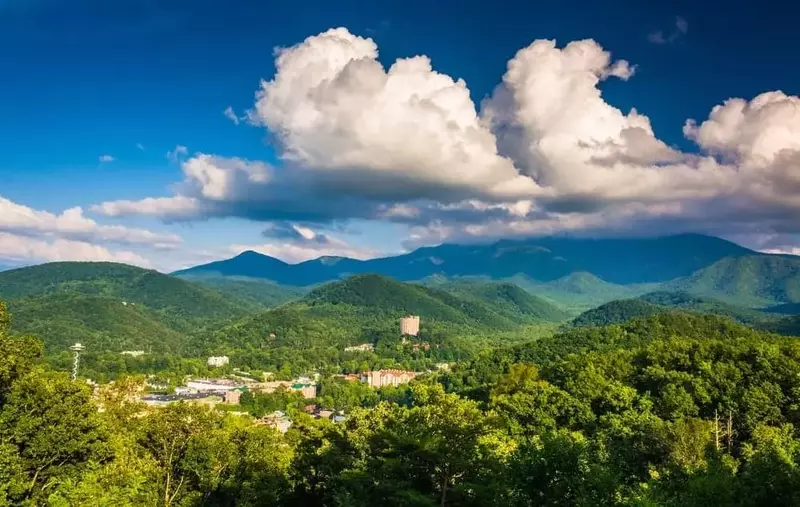
If you don’t have time for a full week-long vacation in Gatlinburg TN, a three-day escape is the next best thing! A long weekend is just enough time to experience the most popular attractions and restaurants in the Smoky Mountain area. To help you make the most of your getaway, we have put together a sample itinerary for spending 3 days in Gatlinburg and the Smokies.
3 Days in Gatlinburg and the Smoky Mountains: Sample Itinerary5 Benefits of Staying in Cabins with a View in Gatlinburg

When you plan a trip to the Smokies, you probably want to see at least one incredible view of the mountains. Why not stay in one of our cabins with a view in Gatlinburg? Then you can wake up every day to an amazing view of the mountains! Having an incredible view whenever you want is something that never gets old. There are plenty of perks to having a view of the Smokies during your stay, and we want to share them with you! Check out these 5 benefits of staying in cabins with a view in Gatlinburg:
5 Benefits of Staying in Cabins with a View in GatlinburgWhat You Need to Know About Each of the Dollywood Festivals

Dollywood is one of the most popular attractions in Pigeon Forge, famous for thrilling rides, award-winning shows, and a wonderful selection of shopping and dining opportunities. This beloved theme park also hosts a variety of exciting festivals throughout the year. Each festival has its own unique shows, foods, photo ops, and other ways to celebrate the seasons! Here’s what you need to know about each of the can’t-miss Dollywood festivals:
What You Need to Know About Each of the Dollywood Festivals6 of the Best Breakfast Places in Sevierville TN

Starting your day in the Smokies with a hearty breakfast is essential, and when you stay at a Sevierville cabin rental, you’re close to all of the area’s unique dining options! From a cute downtown bakery to a classic Southern restaurant spread, check out our list of the best breakfast places in Sevierville TN:
6 of the Best Breakfast Places in Sevierville TNDollywood’s I Will Always Love You Festival: What You Need to Know

The Dollywood season officially kicks off this March with the I Will Always Love You Music Festival! This festival is filled with colorful sights and lively performances that celebrate Dolly Parton’s biggest hits and the love of music. Keep reading to find out everything you need to know about visiting Dollywood’s I Will Always Love You Festival this year.
Dollywood’s I Will Always Love You Festival: What You Need to Know4 Perks of Staying at Our Pet-Friendly Cabins in Pigeon Forge
 4 Perks of Staying at Our Pet-Friendly Cabins in Pigeon Forge
The Ultimate Guide to Moonshine Tasting in Gatlinburg

You may have heard that Gatlinburg is the place to go if you want to try moonshine. There are several <a href="/blog/distilleries-in-pigeon-forge-and-smoky-mountains/">moonshine distilleries in the Smokies</a>, but Gatlinburg is the most popular city in the area. With three excellent distilleries that provide a tasting experience, you can try all kinds of ‘shine to figure out which flavors are your favorite. But what is it really like going moonshine tasting in Gatlinburg? Keep reading to find out!
The Ultimate Guide to Moonshine Tasting in GatlinburgTop 4 Places to Watch a Smoky Mountain Sunset

Few things can compare to the beauty of the sun setting over the Smokies! The sky is painted in vibrant shades of pink, orange, yellow, red, and purple, creating a breathtaking scene over the majestic mountain landscape. You won’t want to miss your chance to experience this stunning sight during your vacation! Here are some of the top places you can go to watch a Smoky Mountain sunset:
Top 4 Places to Watch a Smoky Mountain Sunset5 Reasons to Plan a Smoky Mountain Weekend Trip

Craving a getaway but don’t have time for a week-long trip? A Smoky Mountain weekend is the perfect solution! With majestic peaks, charming towns, and exciting activities, the Great Smoky Mountains are ideal for a quick yet unforgettable getaway! Whether you’re traveling solo, with your sweetheart, or with the entire family, you’ll find that two or three days in the Smokies feels like a week’s worth of adventure and relaxation. Here are a few of the reasons why you should plan a Smoky Mountain weekend trip:
5 Reasons to Plan a Smoky Mountain Weekend Trip4 Reasons Why Our Cabins are the Best Places to Stay in Pigeon Forge
 4 Reasons Why Our Cabins are the Best Places to Stay in Pigeon Forge
5 Downtown Gatlinburg Restaurants You Have to Try

From breakfast dishes to steak dinners, you’ll have endless options for a mouth-watering meal when you visit Gatlinburg! As you stroll through downtown, you’ll be surrounded by incredible restaurants in Gatlinburg that serve delicious meals! It can be overwhelming with so many options, but we have put together a list of some of the best places to eat! Check out these 5 downtown Gatlinburg restaurants that you have to try.
5 Downtown Gatlinburg Restaurants You Have to TryYour Guide to the Best Gatlinburg Restaurants for Each Meal of the Day

When you come to stay here in Gatlinburg, you will have easy access to a variety of restaurants that are sure to make your visit to the area that much better! Whether you are starting your day off at one of Gatlinburg’s iconic pancake houses, or sitting down to a steak dinner along the river, we are sure that you will find plenty of dining options to love. To help out, we have gone ahead and put together some suggestions for some of the best Gatlinburg restaurants for each meal of the day. However, there are too many to name here, so make sure to get out and explore for yourself as well! Let’s dive into some of the top Gatlinburg restaurants for each meal:
Your Guide to the Best Gatlinburg Restaurants for Each Meal of the Day5 Reasons to Spend Spring Break in the Smokies

It’s time to start making your spring break plans! If you’re searching for the best spring vacation destination, look no further than the Smokies. You’ll love the natural beauty, pleasant weather, and fun things to do in spring in the Smoky Mountains! Keep reading to find out more about why you should spend spring break in the Smokies.
5 Reasons to Spend Spring Break in the SmokiesTop 6 Restaurants in Sevierville TN You Can’t Miss
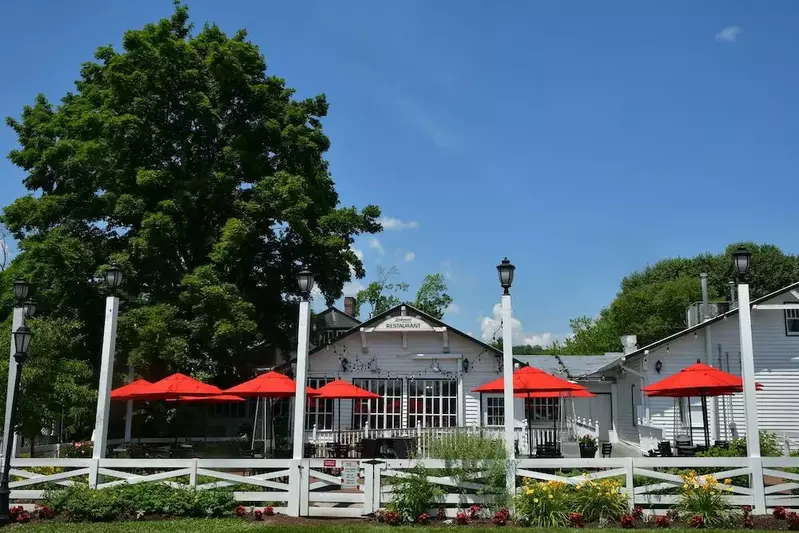
If you’re visiting Sevierville, you may be wondering where you should eat. There are several local restaurants in Sevierville TN you will want to try. You have a ton of different cuisines to choose from, including barbecue and Mexican. Here are the top 6 restaurants in Sevierville TN you can’t miss:
Top 6 Restaurants in Sevierville TN You Can’t MissPlan an Unforgettable Anniversary at Our Pigeon Forge Mountain Cabins in 5 Easy Steps

One of the best spots for a romantic anniversary celebration is our Pigeon Forge mountain cabins! Not only do you get to enjoy breathtaking views together, you'll have everything you need to for a relaxing time full of lasting memories. Timber Tops is proud to offer an extensive variety of cabins with all the perks you can imagine. The two of you are sure to feel right at home in the Smoky Mountains. Here's how you can plan an unforgettable anniversary at our Pigeon Forge mountain cabins in 5 easy steps:
Plan an Unforgettable Anniversary at Our Pigeon Forge Mountain Cabins in 5 Easy Steps
4 Best Restaurants in the Smoky Mountains That Offer Outdoor Seating

With the beautiful weather that you will be greeted with in the Smokies, you will want to spend as much time outside as possible. You are probably aware of some of the spectacular outdoor attractions in the area, but did you know there are also plenty of restaurants that offer outside dining? Here are 4 of the best restaurants in the Smoky Mountains that offer outdoor seating:
4 Best Restaurants in the Smoky Mountains That Offer Outdoor Seating
The 5 Best Day Hikes in Great Smoky Mountains National Park

If you’ve conquered the shorter trails and are looking for a more adventurous hike, look no further! We’ve put together a list of the 5 best day hikes in Great Smoky Mountains National Park. Be advised that many of these trails are long and challenging, so we only recommend pursuing them if you are an experienced hiker.
The 5 Best Day Hikes in Great Smoky Mountains National Park5 New Things to Do in Pigeon Forge and Gatlinburg in 2026

If you’re planning a trip to the Smoky Mountains this year, you’re in for a treat! From exciting new attractions to refreshed experiences, there are plenty of new things to do in Pigeon Forge and Gatlinburg in 2026! Whether you’re visiting with family and friends or planning a romantic escape, these new and updated activities add even more reasons to love the Smokies. Here are some of the new things to look forward to this year:
5 New Things to Do in Pigeon Forge and Gatlinburg in 2026Your Guide to Driving Newfound Gap Road in the Smoky Mountains
 Your Guide to Driving Newfound Gap Road in the Smoky Mountains
5 Things to Do When You Visit SkyLand Ranch in Sevierville

When you come to stay with us at one of our cabin rentals in the Smoky Mountains, you will have so many opportunities to enjoy fun activities here in the area! One of the top attractions that visitors love checking out here in the Smokies is SkyLand Ranch in Sevierville, which is why we wanted to go ahead and share some of the top things to do at this popular destination. From riding a mountain coaster, to enjoying live music, and so much more, here are some of the best things to do when you visit SkyLand Ranch in Sevierville:
5 Things to Do When You Visit SkyLand Ranch in SeviervilleTop 7 Dinner Restaurants in Gatlinburg TN

Are you planning to go out for a nice dinner while you’re on vacation? Start planning by taking a look at some of our favorite Gatlinburg TN restaurants in this short guide:
Top 7 Dinner Restaurants in Gatlinburg TN5 Unique Things to Do in Gatlinburg That You May Not Know About

Gatlinburg, TN, is known for its mountain views, outdoor adventures, and Smoky Mountain charm. Beyond the well-known Gatlinburg attractions, there are also plenty of hidden gems and off-the-beaten-path activities that you can’t find anywhere else! Here are some of the most unique things to do in Gatlinburg that you may not know about:
5 Unique Things to Do in Gatlinburg That You May Not Know About4 Gatlinburg TN Winter Activities That Your Kids Will Love
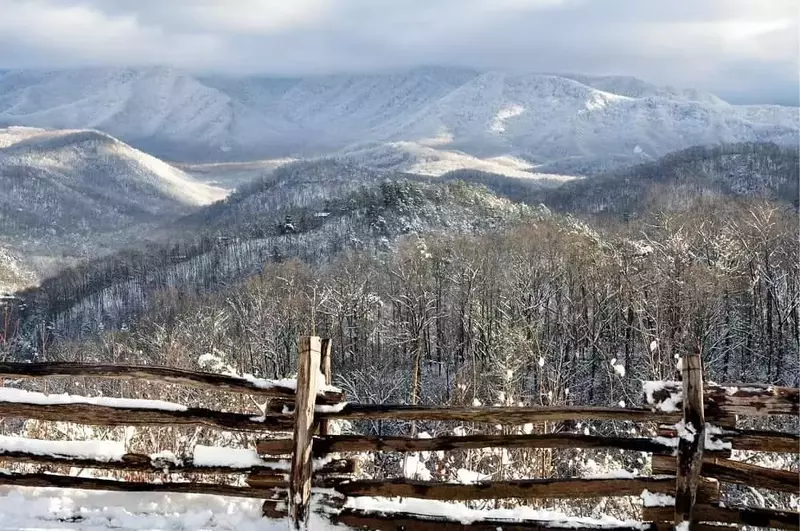
Winter in the Smokies is a magical time! From spending time out in the snow to relaxing in the warmth of your cabin, there are all kinds of great ways to spend your time this winter. Just because the weather is chilly doesn’t mean that you can’t have a blast, and to help you plan we’ve put together a list of the top 4 Gatlinburg TN winter activities that you and your kids will love!
4 Gatlinburg TN Winter Activities That Your Kids Will Love4 Reasons Visitors Love Our Selection of Cheap Cabins in Gatlinburg

All too often, price is associated with quality, with affordable options being viewed as lesser. This can lead to overpaying for lodging when planning a vacation, but keep in mind that the most expensive option is not always the best one. When it comes to our cheap cabins in Gatlinburg, the only thing that is cheap about them is the price! We put tons of care into each and every one of our properties, and we are confident that you will have a great time when you come to stay at one of these excellent rentals. With that being said, let’s get into some of the top reasons why visitors love our selection of cheap cabins in Gatlinburg:
4 Reasons Visitors Love Our Selection of Cheap Cabins in Gatlinburg5 Awesome Cabins near Ober Mountain

No matter which season you visit, Ober Mountain is one of the top attractions in the Smoky Mountains. While it is known as a destination for skiers and snowboarders, many visitors are surprised to learn that it promises just as much fun in the summer and fall with an aerial tramway, a mountain coaster, alpine slides, and more. If you want to stay close to all the action, then consider renting one of these fantastic cabins near Ober Mountain ski resort and amusement park.
5 Awesome Cabins near Ober Mountain4 of the Top Things to Do in Sevierville TN for Couples

Each year, plenty of couples choose to come and visit the Smoky Mountains, due to the area’s combination of fun activities, romantic atmosphere, and gorgeous surroundings. While you may already know about Gatlinburg and Pigeon Forge, some couples gravitate towards Sevierville, which is just a bit further from some of the central tourist hubs and provides a quieter setting for a couple’s trip, while still offering easy access to all the top area activities. Today, we are going to be sharing some of the top things to do in Sevierville TN for couples, so read on to find out more!
4 of the Top Things to Do in Sevierville TN for CouplesCelebrate Christmas in the Smoky Mountains with These 5 Holiday Festivals

The Smoky Mountains are one of the most magical places to spend the holidays! The area is filled with the sights and sounds of Christmas all around. You’ll see stunning holiday lights and decorations as you make your way through Gatlinburg, Pigeon Forge, and Sevierville, and there are plenty of festivities happening throughout the season. Here are some of the best holiday festivals going on this winter to help you celebrate Christmas in the Smoky Mountains:
Celebrate Christmas in the Smoky Mountains with These 5 Holiday FestivalsBest 4 Steakhouses in Pigeon Forge TN You Have to Try
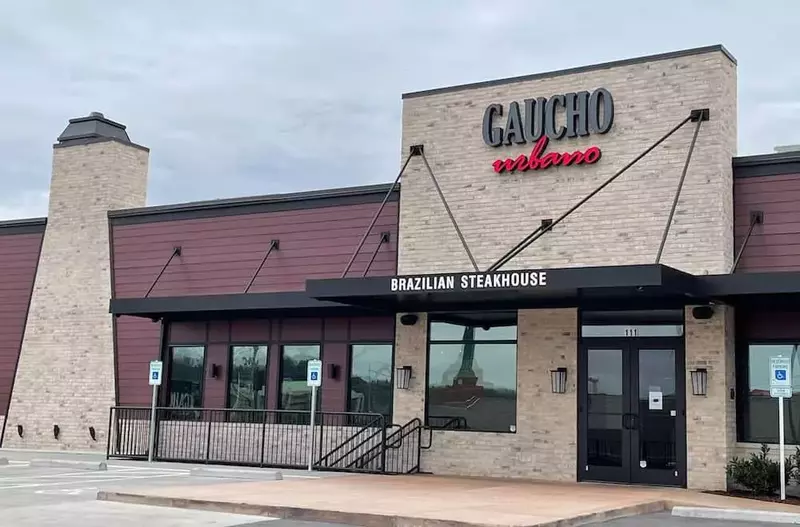
Whether you are planning a date night with your special someone or are simply a lover of steak, one of these wonderful steakhouses in Pigeon Forge TN should be the first place you go! From the unique ways they are prepared, to the tasty sides that come with them, these restaurants each have their own unique twist when it comes to steak. Check out these 4 steakhouses in Pigeon Forge TN you have to try:
Best 4 Steakhouses in Pigeon Forge TN You Have to Try5 of the Best Hikes in the Great Smoky Mountains With a View
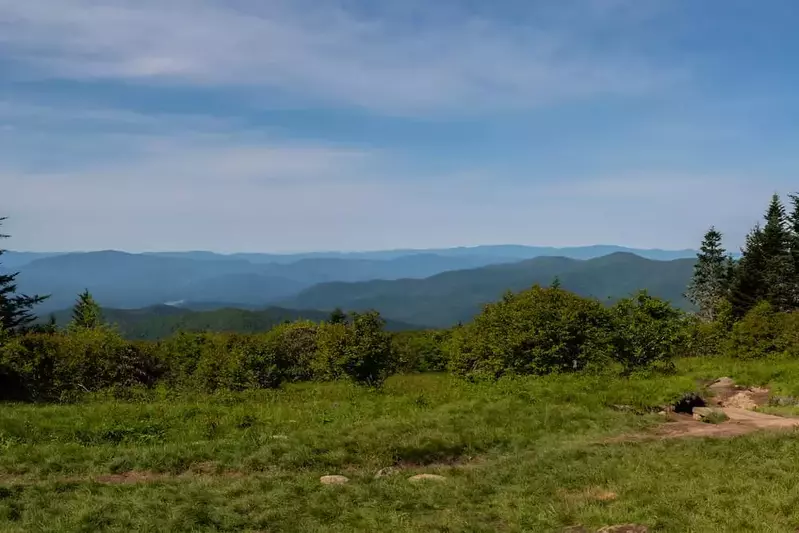
Do you want to see some of the most incredible views while you’re in the national park? Then you need to break out your hiking boots and head out onto the trails! You will find some of the best hikes in the Great Smoky Mountains with a view. The mountains will surround you on these hikes, and you’ll really get to immerse yourself in nature. Here are 5 of the best hikes in the Great Smoky Mountains with a view:
5 of the Best Hikes in the Great Smoky Mountains With a View4 Reasons to Spend Your Gatlinburg Winter Vacation at a Smoky Mountain Cabin

During a Gatlinburg winter vacation, you can enjoy snowy mountain scenery and fun Smoky Mountain activities! Whether you’re planning a holiday getaway, a romantic escape, or a family vacation, staying in a Smoky Mountain cabin provides the perfect blend of comfort, convenience, and natural beauty. Here are a few of the many reasons why you’ll love spending your Gatlinburg winter vacation at one of our cabin rentals:
4 Reasons to Spend Your Gatlinburg Winter Vacation at a Smoky Mountain Cabin4 Can't-Miss Dinner Shows to See This Christmas in Pigeon Forge

Pigeon Forge is a wonderful place to be during the holiday season! There are festive light displays, plenty of shopping opportunities, and Christmas shows that every member of the family can enjoy! These shows combine unforgettable entertainment with a delicious meal and endless holiday cheer. If you want to get in the holiday spirit, check out these can’t-miss dinner shows you have to see this Christmas in Pigeon Forge:
4 Can't-Miss Dinner Shows to See This Christmas in Pigeon Forge4 Reasons to Plan a Pigeon Forge Christmas Vacation This Year

The Smoky Mountains are a magical destination all year round, but this area truly transforms into a winter wonderland during the holiday season! If you’re searching for the perfect Christmas getaway, look no further than Pigeon Forge, TN. With everything from festive activities to unique shopping opportunities, this town has everything you need for an unforgettable holiday experience! Keep reading to find out why you should plan a Pigeon Forge Christmas vacation this year.
4 Reasons to Plan a Pigeon Forge Christmas Vacation This Year4 Things to Do in the Smoky Mountains to Celebrate the New Year

If you have never celebrated New Year’s Eve in the Smoky Mountains, then you are missing out! Gatlinburg and Pigeon Forge are home to so many fun things to do throughout the entire year, and when New Year’s Eve rolls around, there are even more activities to check out. From watching the area’s ball drop and firework celebration, to participating in festivities at area attractions, and more, here are some of the top things to do in the Smoky Mountains to celebrate the New Year:
4 Things to Do in the Smoky Mountains to Celebrate the New YearTop 7 Things to Do in the Smoky Mountains in December

Are you thinking about visiting the Smoky Mountains in December? The holiday season is a great time to visit the Smokies! Enjoy crisp mountain air, festive lights, holiday events, and plenty of winter fun! Whether you’re planning a family vacation, a romantic retreat, or a getaway with friends, the Smoky Mountains have so much to offer this time of year! Here are some of the top things to do in the Smoky Mountains in December:
Top 7 Things to Do in the Smoky Mountains in DecemberTop 6 Ober Mountain Activities During the Winter
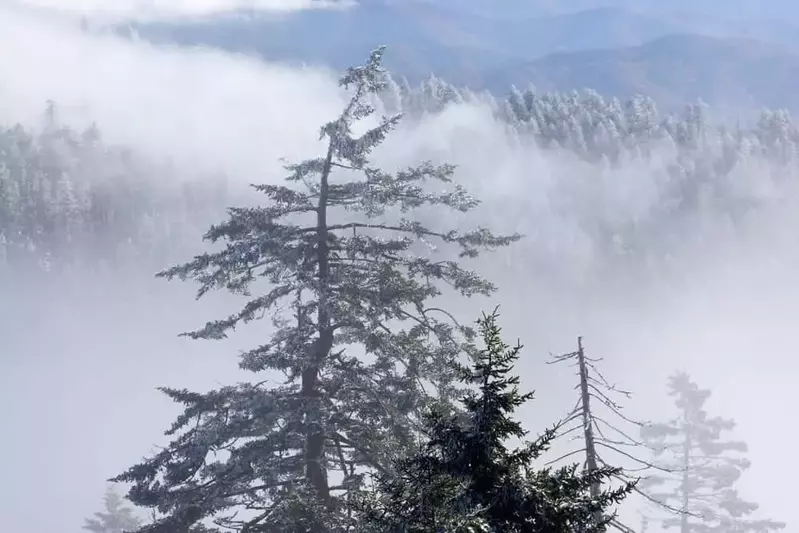
Ober Mountain in Gatlinburg is always a mountain of fun, but it’s especially fun in the winter months. At Ober, you never run out of fun activities, and it’s perfect for anyone of any age. Whether you’re visiting with your sweetheart or your family, you’ll have a great time at Ober Mountain! Here are a few of the top Ober Mountain activities during the winter:
Top 6 Ober Mountain Activities During the Winter3 Day Smoky Mountain Itinerary for Your Next Trip

Everyone should visit the <a href="https://smokymountainnationalpark.com/" target="_blank"> Great Smoky Mountains National Park </a> at least once. While you could spend months here trying to do everything there is to do and see in the park, we know you just have a short trip planned. So what can you pack into 3 days? Keep reading our Smoky Mountain itinerary to see what kind of fun you can have on your next 3-day trip to the Smokies.
3 Day Smoky Mountain Itinerary for Your Next Trip5 Family Restaurants in Pigeon Forge and Gatlinburg You Have to Try

Finding a place to eat that the whole family will love is easy when you visit the Smoky Mountains! From Southern food to seafood, you can have it all in Gatlinburg and Pigeon Forge. There are a variety of delicious places for you to choose from, but to help you narrow it down, we’ve come up with 5 family restaurants in Pigeon Forge and Gatlinburg that you have to try!
5 Family Restaurants in Pigeon Forge and Gatlinburg You Have to Try4 Things You Can Enjoy at Our Smoky Mountains Vacation Rentals
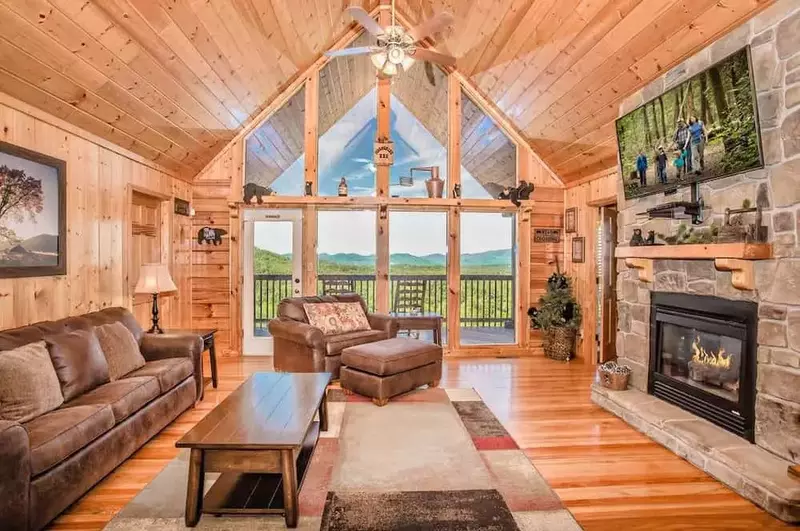
With amazing natural sights, lots of fun area attractions, and plenty more to offer, it is no wonder that the Smoky Mountains are considered among the top vacation destinations for families! If you are considering planning your very own getaway to the Smokies, one of the first and most important decisions you will make is where to stay, which is where our Smoky Mountains vacation rentals come in! Here at Timber Tops Cabin Rentals, we offer a wide selection of cabins with various amenities, a range of sizes, and more, ensuring you can find the perfect accommodations for your next trip. Here are some of the top things that you can enjoy here at our Smoky Mountains vacation rentals:
4 Things You Can Enjoy at Our Smoky Mountains Vacation Rentals8 Places with the Best Shopping in Pigeon Forge & Gatlinburg

No trip to Tennessee’s Smoky Mountains is complete without a shopping spree! There is a variety of unique shops in Pigeon Forge and Gatlinburg, as well as speciality boutiques where you can find handcrafted art, local souvenirs, clothing, and just about anything else you’re looking for. Shopping in Gatlinburg and Pigeon Forge are some people’s definition of a vacation! Check out these 8 places with the best shopping in Pigeon Forge and Gatlinburg:
8 Places with the Best Shopping in Pigeon Forge & Gatlinburg5 Restaurants That Serve the Best Lunch in Pigeon Forge, TN

Are you looking for a great place to eat lunch in the Smokies? Pigeon Forge, TN, is home to a variety of fantastic options for your midday meal! From savory Southern comfort food to unique culinary creations, these are some of the top restaurants that serve the best lunch in Pigeon Forge:
5 Restaurants That Serve the Best Lunch in Pigeon Forge, TNTop 7 Nice Restaurants in Gatlinburg TN and the Smoky Mountains
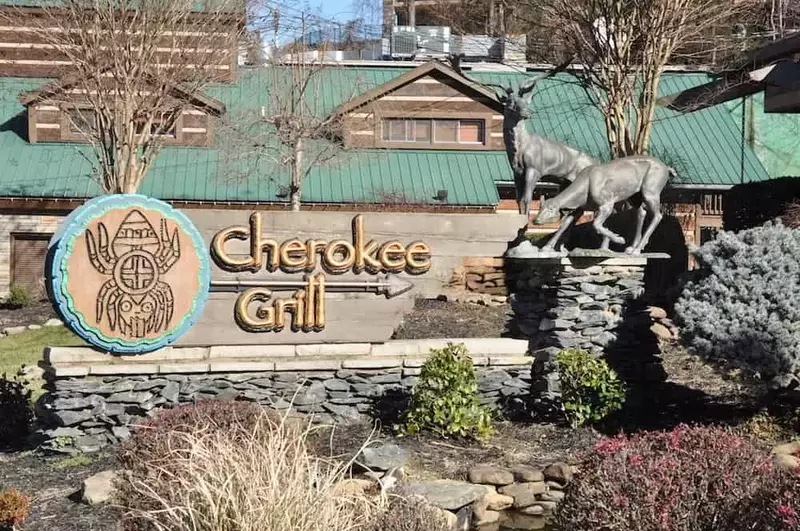
No vacation in Gatlinburg, Tennessee is complete without a meal at one of the area’s superb restaurants. Whether you’re in town for a romantic retreat or you’re marking a milestone with the whole family, you will love dining out in the Smoky Mountains. To help you make the most of your next getaway, Timber Tops has put together a guide to the top seven nice restaurants in Gatlinburg TN and the surrounding cities.
Top 7 Nice Restaurants in Gatlinburg TN and the Smoky Mountains4 Amenities Available at Our Cabins in Pigeon Forge for Rent

The Smoky Mountains are among the top vacation destinations in the United States, so it is not surprising that there are lots of lodging options to choose from in the area. However, if you are looking for accommodations that set themselves apart from the rest, one of the top factors to consider is which amenities are offered. For instance, our Pigeon Forge cabin rentals have lots of different amenities that you can choose from, such as sweeping mountain views, game rooms, and more. Here are some of the amenities that are available at our cabins in Pigeon Forge for rent:
4 Amenities Available at Our Cabins in Pigeon Forge for Rent4 Ways to Discover the History of the Smoky Mountains
The Smoky Mountains are filled with incredible stories and history. While you can learn about some of it through reading textbooks and searching online, there are some stories that you have to travel to the Smokies to hear. This is because the tales have been passed down from generation to generation and are things you can only learn from the locals. During your trip, here are 4 ways to discover the history of the Smoky Mountains:
4 Ways to Discover the History of the Smoky Mountains4 Amazing Cabins Close to Downtown Gatlinburg TN
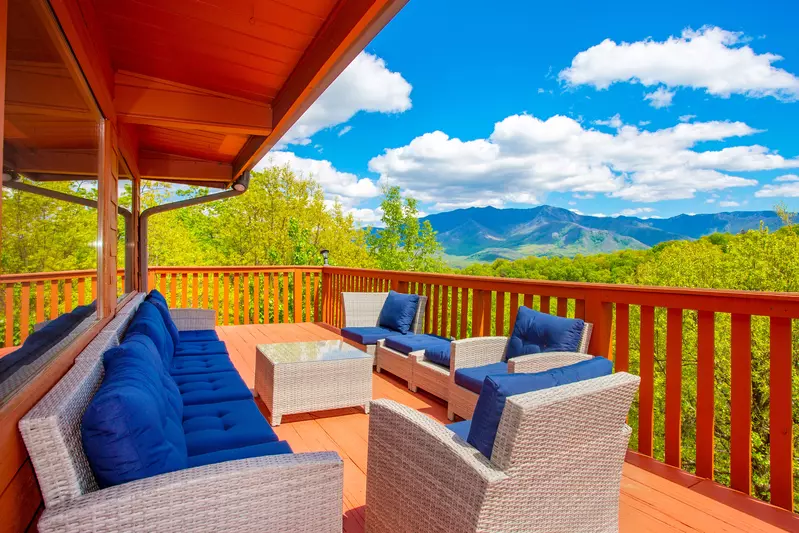
Walking through downtown Gatlinburg, Tennessee is a totally unique experience. Filled with incredible attractions, shops, and restaurants, The Strip has more fun per block than anywhere else in the world! When you stay at one of our cabins close to downtown Gatlinburg TN, there will never be a dull moment during your vacation. Here are 4 of our wonderful Gatlinburg cabins close to downtown:
4 Amazing Cabins Close to Downtown Gatlinburg TN4 Reasons to Visit The Peddler Steakhouse in Gatlinburg, TN

Gatlinburg, TN, is known for its variety of amazing places to eat! One of the most popular and iconic restaurants in town is The Peddler Steakhouse. Guests return to this steakhouse time and time again to experience the great food, atmosphere, and service. Keep reading to find out some of the reasons why you’ll want to visit The Peddler Steakhouse in Gatlinburg, TN.
4 Reasons to Visit The Peddler Steakhouse in Gatlinburg, TN4 Incredible Gatlinburg Cabins With Indoor Pools and Home Theaters

When you go on vacation, you want the best perks in your cabin. Two of the most popular amenities we offer are our indoor pools and home theater rooms. Either one of these special cabin features can really take your vacation to the next level. If you can’t choose between a pool and a theater, don’t worry! Check out these 4 incredible Gatlinburg cabins with indoor pools AND home theaters:
4 Incredible Gatlinburg Cabins With Indoor Pools and Home Theaters5 Haunted Places in Gatlinburg You Have to Visit
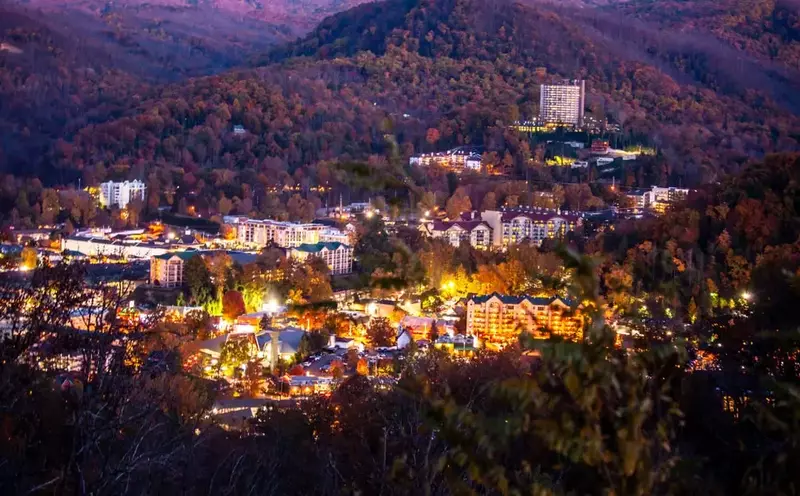
For your fall vacation in the Smoky Mountains, consider visiting some of the haunted locations Tennessee has to offer! Whether you are visiting popular towns such as Gatlinburg or Pigeon Forge or exploring the national park the Smoky Mountains has plenty of frights to offer. Whether you want to get in the Halloween spirit in the fall or are looking for a fright any other time of year, we can help! Learn more about the haunted places in Gatlinburg TN below!
5 Haunted Places in Gatlinburg You Have to VisitTop 3 Reasons to Choose Us for Renting Cabins in Gatlinburg Tennessee

There is little doubt that the Smoky Mountains are among the top travel destinations in the United States, with so much to see and do! If you are planning to visit the area, we would highly recommend staying in one of the cabins in Gatlinburg Tennessee, as they can go a long way towards setting the right tone for your trip and helping you to create special memories. However, with so many companies offering cabin rentals in the area, we wanted to go ahead and share a few of the top reasons to choose Timber Tops Cabin Rentals for your lodging needs! Let’s dive in:
Top 3 Reasons to Choose Us for Renting Cabins in Gatlinburg Tennessee4 of Our Best Large Indoor Pool Cabins in the Smoky Mountains

Dive into fun on your next vacation in the Smoky Mountains when you stay in a cabin with your very own swimming pool! At Timber Tops Cabin Rentals, we have <a href="/cabin-rentals/cabin-pool/">cabins available with indoor pools</a> right inside, so you won’t have far to go for a splash. If you’re visiting for a group vacation, whether it’s with a group of friends, for a family reunion, or any other occasion, our large indoor pool cabins are perfect! Check out 4 of our best large indoor pool cabins in the Smoky Mountains:
4 of Our Best Large Indoor Pool Cabins in the Smoky Mountains8 Romantic Things to Do for Your Honeymoon in Gatlinburg TN
Gatlinburg, Tennessee is the ultimate honeymoon destination! Located on the border of the Great Smoky Mountains National Park, our charming city is home to some of the most spectacular scenery in the United States. Newlyweds come from all over the world to stay in our idyllic log cabins tucked away in the foothills of the Smokies and enjoy all the romantic things to do in Gatlinburg TN for couples. In addition to its magnificent natural beauty, Gatlinburg also boasts hundreds of fun attractions, shops, and restaurants that are great for couples. To help you make the most of your getaway, Timber Tops Cabin Rentals has put together a guide to eight romantic things to do that you can enjoy during your honeymoon in Gatlinburg TN.
8 Romantic Things to Do for Your Honeymoon in Gatlinburg TN4 of the Most Beautiful Fall Scenic Drives in the Smoky Mountains

Fall is considered one of the most beautiful times of the year to visit the Smoky Mountains. The mountain landscape comes alive with fall foliage in vibrant shades of yellow, red, and orange. There are many great ways to experience the season, from Smoky Mountain fall festivals to hiking trails. However, one of the best ways to enjoy the splendor of the season is driving through the mountains! Here are some of the most stunning fall scenic drives in the Smoky Mountains:
4 of the Most Beautiful Fall Scenic Drives in the Smoky Mountains4 Waterfalls in the Smokies You Can Drive To

Want to see the Smokies up close without having to navigate the trails? Perhaps you have limited mobility or simply don’t want to get all hot and sweaty? You can still see some of the very best waterfalls in the Smokies without needing to hike! There are a handful of roadside waterfalls you can reach from the comfort of your car or just a short walk. Whether you’re traveling with little ones, are short on time, or prefer a leisurely experience, here are 4 waterfalls in the Smokies that you can drive to:
4 Waterfalls in the Smokies You Can Drive To5 Places to See the Best Smoky Mountain Views This Fall
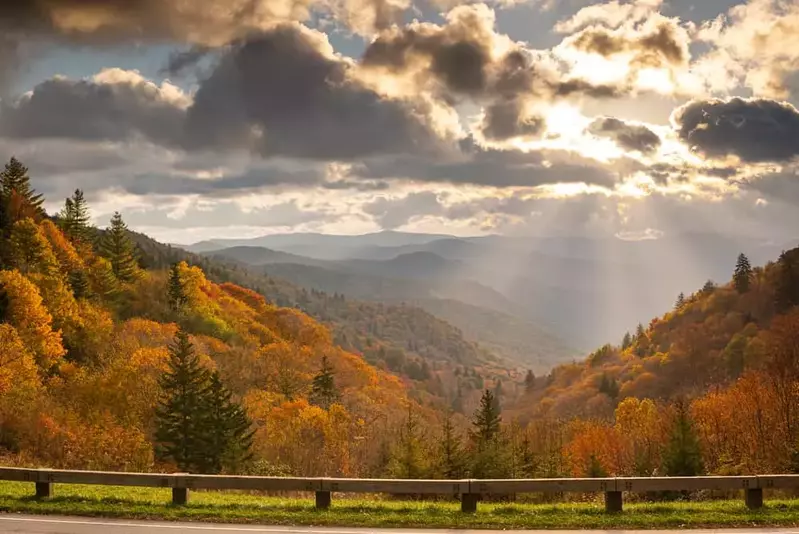
Fall is one of the most beautiful times of the year in the Smoky Mountains. The natural landscape comes alive in shades of red, yellow, and orange all around. If you’re visiting the Smoky Mountains this fall, you’ll want to make sure you soak up as much of the fall scenery as possible.That’s why we’ve put together this list of some of the top places to see the best Smoky Mountain views this fall!
5 Places to See the Best Smoky Mountain Views This Fall4 Reasons Why You’ll Love Spending Your Fall Vacation at Our Smoky Mountain Cabin Rentals

There’s something magical about fall in the Smoky Mountains, with the leaves changing colors and the air turning crisp. That’s why this is the best destination for your fall vacation! If you’re looking for a place to stay, our cabins offer the perfect retreat for a memorable getaway in the Smokies. Keep reading to find out why you’ll love spending your fall vacation at our Smoky Mountain cabin rentals.
4 Reasons Why You’ll Love Spending Your Fall Vacation at Our Smoky Mountain Cabin RentalsThe 4 Best Breakfast Places in Gatlinburg

When it comes to the most important meal of the day, the city of Gatlinburg, TN does not mess around! The Smoky Mountain area is loaded with wonderful restaurants that serve up legendary breakfasts, especially when it comes to <a href="/blog/top-pancake-houses-in-gatlinburg/">pancakes</a>! Whether you plan on walking around The Strip or hiking in the Great Smoky Mountains National Park, starting your day with breakfast in Gatlinburg is always a good decision. To help you make the most of your mornings, Timber Tops has put together a guide to four of the best breakfast places in Gatlinburg:
The 4 Best Breakfast Places in Gatlinburg4 Fun Things to Do at Our Gatlinburg Cabins

While you probably already know that there are lots of great activities to choose from when you come to visit the Smoky Mountains, did you know that there are also plenty of fun things to do right at our Gatlinburg cabins? It’s true! Today, we are going to be sharing a handful of the top activities that you can enjoy right from the comfort of your very own cabin rental! Here are some of the most fun things to do at our Gatlinburg cabins:
4 Fun Things to Do at Our Gatlinburg Cabins5 of the Best Places to Get Dessert in Gatlinburg TN

Do you have a sweet tooth? Gatlinburg TN has so many ways to satisfy your sweet cravings, from locally made candies to ice cream to pastries and more! Keep reading to learn more about the best places to get dessert in Gatlinburg.
5 of the Best Places to Get Dessert in Gatlinburg TN5 Perks of Staying at Our Cabins in Pigeon Forge TN

At Timber Tops Cabin Rentals, we offer some of the best accommodations you can find in the Smoky Mountains! Our cabins in Pigeon Forge TN and the surrounding area are perfect for your next getaway, as they have so much to offer visitors. If you are working on planning your very own getaway to the Smoky Mountains, allow us to share some of the top perks of staying at our cabins in Pigeon Forge TN! Let’s get started:
5 Perks of Staying at Our Cabins in Pigeon Forge TNFall Foliage in the Smoky Mountains: Everything You Need to Know

There is nothing like fall in the Smoky Mountains! With over 100 species of native trees, the national park offers some of the most <a href="/blog/fall-colors-in-the-smokies/">spectacular Smoky Mountain fall colors</a> you’ll ever see. In fact, Gatlinburg, TN was named one of the top 10 autumn destinations in North America. This time of year is especially popular because of the Smoky Mountains fall foliage, and you may be wondering where you should go to see the incredible color changes. To help you make the most of your next vacation, we’ve put together a guide to everything you need to know about the fall foliage in the Smoky Mountains.
Fall Foliage in the Smoky Mountains: Everything You Need to Know5 Excellent Pigeon Forge Cabins Near the Parkway
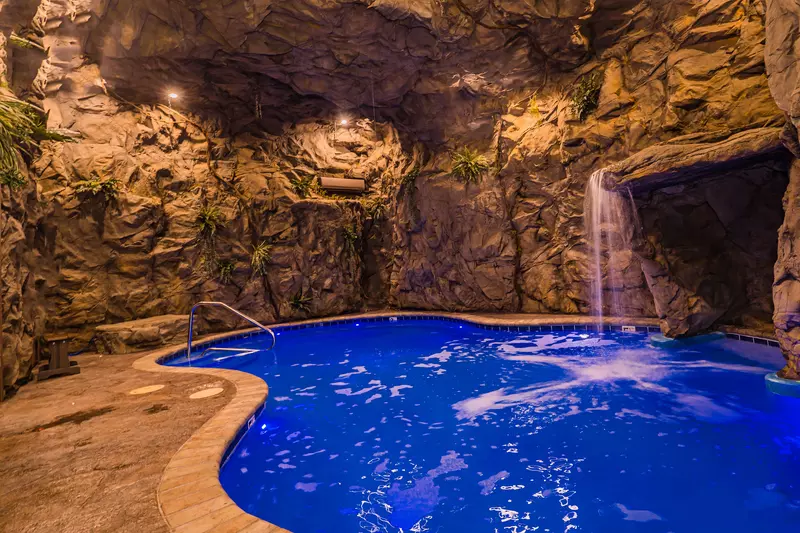
If you want to be close to all the action in Pigeon Forge, Tennessee, be sure to stay at a cabin near the Parkway! The Parkway is Pigeon Forge’s main road and is lined with the city’s best attractions, museums, dinner shows, and shops. Some of the popular destinations along the Parkway include the Titanic Museum Attraction, WonderWorks, Hatfield & McCoy Dinner Feud, and The Island in Pigeon Forge. Here are some of our excellent Pigeon Forge cabins near the Parkway:
5 Excellent Pigeon Forge Cabins Near the Parkway8 Amazing Things to Do at The Island in Pigeon Forge TN

The Island in Pigeon Forge is one of the most popular places to visit in Tennessee’s Smoky Mountains! Opened in 2013, The Island is a shopping, dining, and entertainment complex that is conveniently located right off of the Parkway. Home to over 80 businesses, The Island truly has something for everyone. To help you make the most of your next vacation, Timber Tops Cabin Rentals has put together a guide to eight of the best things to do at The Island in Pigeon Forge TN.
8 Amazing Things to Do at The Island in Pigeon Forge TN6 Reasons to Stay in Our Large Cabins in the Smoky Mountains

If you’re searching for the perfect place for your group to stay when you visit the Smoky Mountains, then your search is over! At Timber Tops Cabin Rentals, we have cabins available that range anywhere from 1 bedroom to 15 bedrooms. Whether you’re in town for a family reunion, <a href="/blog/planning-a-business-trip-in-a-cabin/">a corporate retreat</a>, or a wedding, we’ve got the right cabin for you. No matter the occasion, you’ll love our large cabins! Here are 6 reasons to stay in our large cabins in the Smoky Mountains:
6 Reasons to Stay in Our Large Cabins in the Smoky Mountains4 Can’t-Miss Fall Festivals in the Smoky Mountains

Fall is a beautiful time of year to visit the Smoky Mountains! The area comes alive with colorful changing leaves, cooler temperatures, and exciting fall events all around! While you’re in town, you’re not going to want to miss these fantastic fall festivals in the Smoky Mountains:
4 Can’t-Miss Fall Festivals in the Smoky MountainsYour Guide to Visiting SkyLand Ranch in Sevierville

Here at Timber Tops Cabin Rentals, we are committed to helping everyone who comes to visit the Smoky Mountains enjoy the best possible getaway! Not only do we provide incredible Smoky Mountain cabin rentals for you to stay in during your visit, we also like to share helpful information that you can use to fill your time here with fun activities. Today, we are going to be focusing on one of the top attractions in Sevierville: SkyLand Ranch! From where exactly this attraction is located, to what you can do there, and more, simply read on to find out everything you need to know about SkyLand Ranch in Sevierville:
Your Guide to Visiting SkyLand Ranch in SeviervilleWays to Save Money When You Rent Affordable Cabins in the Smokies

Searching for a way to save money when you visit the Smokies? Reserve a stay in one of our affordable cabin rentals! When you save money on your accommodations, you will have more to use on visiting all the fun attractions in the area. And we have even more money saving secrets we are happy to share with you!
Ways to Save Money When You Rent Affordable Cabins in the Smokies5 Ways to Save When You Stay in Our Large Cabins in the Smoky Mountains
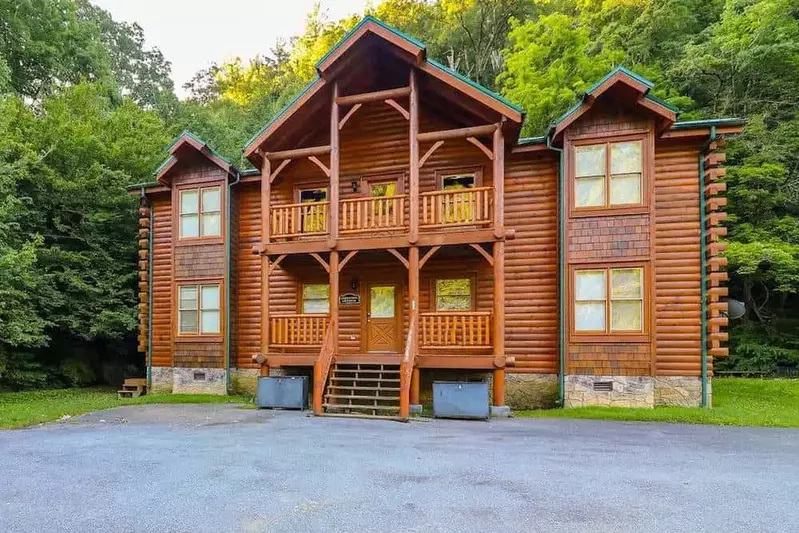
Group vacations sound expensive, but they don’t have to be! When you stay with Timber Tops Cabin Rentals, you can have an affordable vacation with a large group of friends or family members. No matter the occasion, whether it’s a family reunion, a church retreat or just a get together with friends, you will love knowing you don’t have to spend a fortune to have fun! Here are 5 ways to save when you stay in our large cabins in the Smoky Mountains.
5 Ways to Save When You Stay in Our Large Cabins in the Smoky Mountains5 Best Smoky Mountain Cabins with Fire Pits for Your Vacation

Stay nice and toasty when you book one of our cabins with a fire pit! Grab the whole family and gather around the fire to tell ghost stories, sing campfire songs and make some delicious s’mores. Here are 5 of the best Smoky Mountain cabins with fire pits for your vacation.
5 Best Smoky Mountain Cabins with Fire Pits for Your Vacation5 of the Best Places in the Great Smoky Mountains to Visit

The Great Smoky Mountains National Park brings in over 12 million visitors every year! The scenic views are unmatched and there are countless spots for photo ops. With over 850 miles of hiking trails and over 380 miles of roads to auto tour, it can be hard to pick a place to start. However, we’ve put together a guide of 5 of the best places in the Great Smoky Mountains to visit:
5 of the Best Places in the Great Smoky Mountains to VisitTop 4 Fall Cabin Rentals with the Best Views

One of the best parts of visiting the Smoky Mountains in the fall is seeing the beautiful fall colors all around. Do you want to stay in a place where you can be fully immersed in the fall scenery? You should stay in one of our fall cabin rentals with a spectacular view! You’ll enjoy the best views of the fall foliage right from the comfort of your cozy cabin! Here are some of our favorite fall cabin rentals that you should check out:
Top 4 Fall Cabin Rentals with the Best Views5 Scenic Spots and Smoky Mountain Overlooks to Check Out

Are you looking to visit some of the most scenic locations in the Smoky Mountains next time you come to the area? If so, you’re in the right place! Today, we are going to be covering a handful of the best scenic spots and Smoky Mountain overlooks that we recommend you check out when you come to visit. Whether you decide to take in a sunrise or sunset, set out on a midday hike, or soak in the sights from some of the top attractions around, there are no wrong choices! So, read on to learn more about these awesome locations:
5 Scenic Spots and Smoky Mountain Overlooks to Check OutTop 7 All-You-Can-Eat Pigeon Forge Restaurants

Feeling hungry? If you have a big appetite, you’ll be happy to know there are plenty of all-you-can-eat restaurants and buffets in Pigeon Forge! You can find a variety of cuisines to satisfy your hunger, from Southern comfort food to Brazilian flavors and more. Keep reading to learn more about some of the top all-you-can-eat Pigeon Forge restaurants that you won’t want to miss.
Top 7 All-You-Can-Eat Pigeon Forge Restaurants6 Things to do in Gatlinburg and Pigeon Forge Under $6
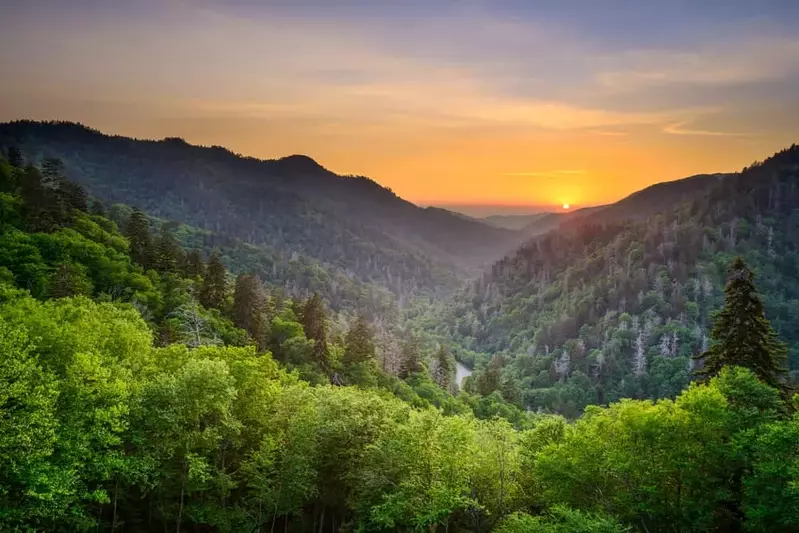
Ready for a vacation that doesn’t break the bank? The Smoky Mountains have you covered! There’s no shortage of fun activities to participate in while balancing a budget and keeping your child’s college fund in tact. Here are 6 things to do in Gatlinburg and Pigeon Forge under $6:
6 Things to do in Gatlinburg and Pigeon Forge Under $65 Things That Set Our Cabins in the Smokies Apart from Others

When you stay with us at Timber Tops Cabin Rentals, one thing is for sure: You’re guaranteed an incredible stay. Our cabins are a cut above the rest. With a fantastic location and a variety of amenities, you’ll never want to leave. Here are 5 things that set our cabins in the Smokies apart from others:
5 Things That Set Our Cabins in the Smokies Apart from Others4 Things Guests Love About Our Pigeon Forge Cabin Rentals Near Dollywood

Are you planning on visiting Dollywood during your Smoky Mountain vacation? To maximize your vacation fun, you should stay at a cabin close to the theme park! Keep reading to find out some of the things guests love about staying at our Pigeon Forge cabin rentals near Dollywood and Dollywood’s Splash Country.
4 Things Guests Love About Our Pigeon Forge Cabin Rentals Near DollywoodTop 4 Ways to Save Money While Staying in Our Cabins in the Great Smoky Mountains
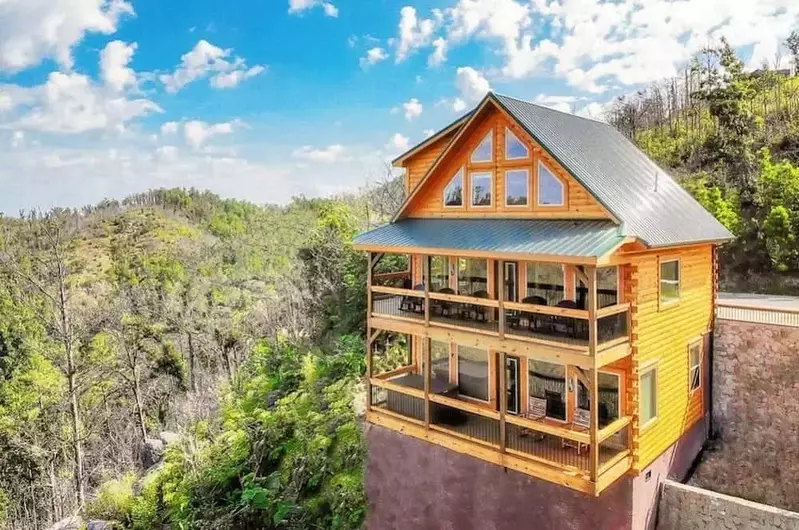
If you are looking for an affordable cabin vacation to the Great Smoky Mountains, you’ve come to the right place! We are pleased to offer a wonderful selection of cabins at reasonable rates so you can enjoy a fun getaway without spending a fortune. Plus, we also have several tips on how to save even more money! Here are the top 4 ways to save money while staying in our cabins in the Great Smoky Mountains:
Top 4 Ways to Save Money While Staying in Our Cabins in the Great Smoky Mountains4 of the Best Places to Zipline in the Smokies
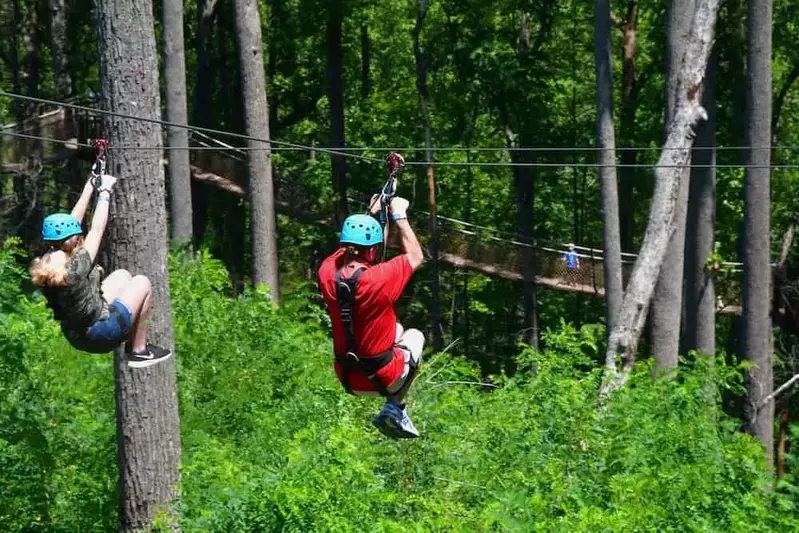
There are so many ways to enjoy the beauty of the Smoky Mountains, and one of those ways is to zipline right through them! You’ll have a ton of options, including ziplines in Pigeon Forge and Gatlinburg. Here are 4 of the best places to zipline in the Smokies.
4 of the Best Places to Zipline in the Smokies4 Reasons We Offer Some of the Best Gatlinburg Cabins for Rent
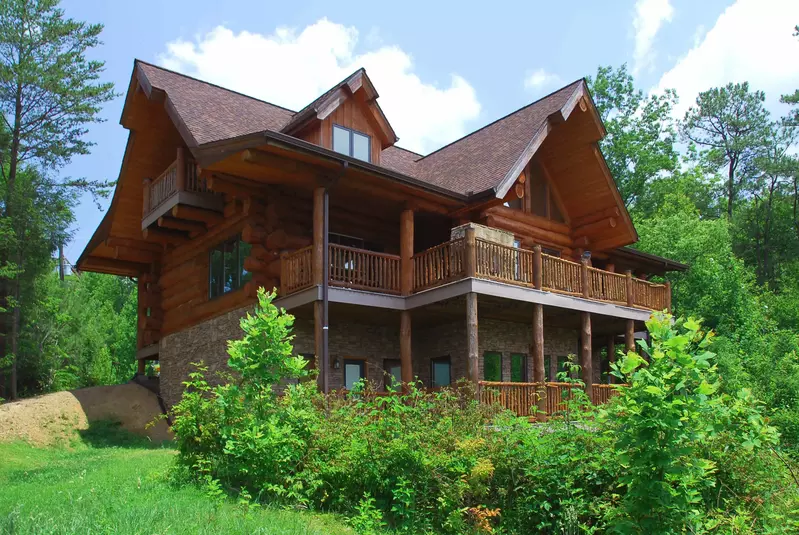
When it comes to vacation options, taking a trip to a cabin in Gatlinburg is one of the best options around. However, it can be challenging to determine where to rent your cabin from, as there are many choices, and the quality of your rental will go a long way towards determining the quality of your overall vacation. Fortunately, here at Timber Tops Cabin Rentals, we offer some of the best Gatlinburg cabins for rent, making it easy to find the perfect place to stay for your next getaway! If you want to find out a bit more about why our Gatlinburg cabins stand out among the rest, simply read on:
4 Reasons We Offer Some of the Best Gatlinburg Cabins for Rent3 Reasons Our Cabins in Gatlinburg and Pigeon Forge TN are Perfect for Families
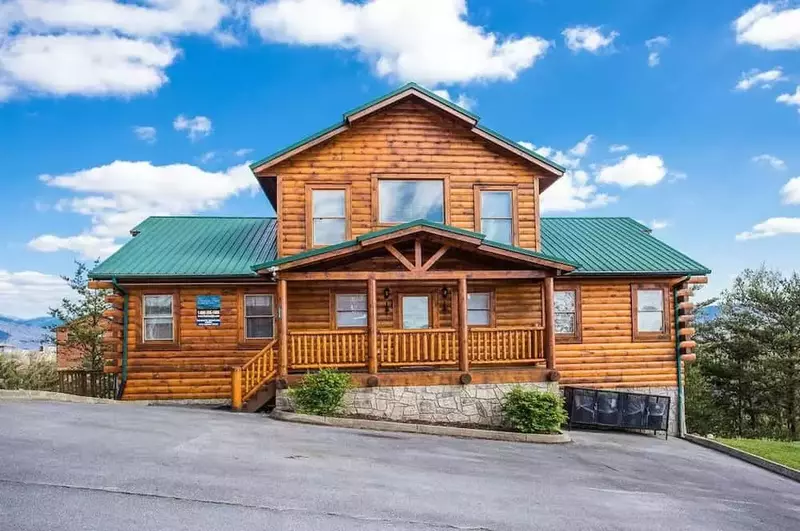
Have you considered staying in a cramped hotel room for your family vacation? Why think about the hotel experience when you can stay in one of our cabins in Gatlinburg and Pigeon Forge TN? They are the perfect place for families to stay on vacation and they give you lots of extra space that you won’t get in a hotel.
3 Reasons Our Cabins in Gatlinburg and Pigeon Forge TN are Perfect for FamiliesEasy Ways to Get Discount Gatlinburg Cabins for Your Vacation
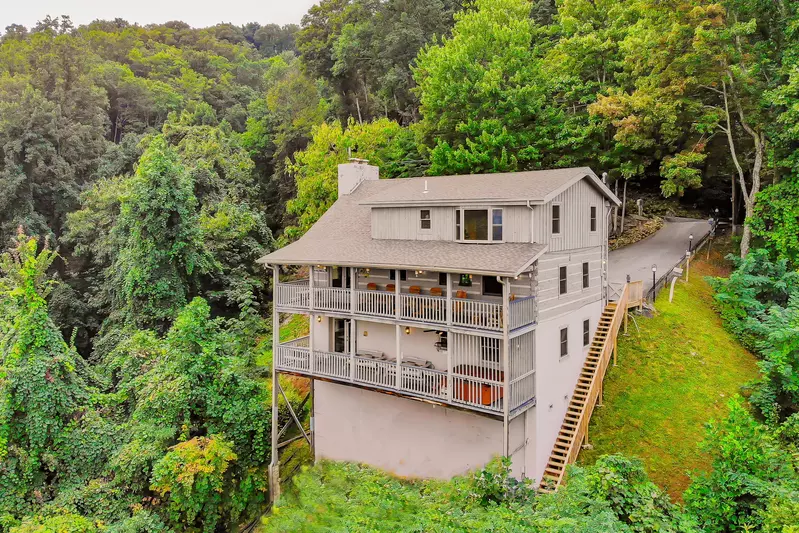
Finding discount Gatlinburg cabins isn’t as difficult as you may think. If you’re looking to save money, there are a few different ways to do it. Despite what you may have heard, you don’t have to break the bank in order to have an amazing vacation in the Smokies. You can stick to your vacation budget and still enjoy the luxuries of our cabins, in addition to exploring all the fun the surrounding area has to offer. Here are 4 ways to get discounts and save money while staying at our Gatlinburg cabins:
Easy Ways to Get Discount Gatlinburg Cabins for Your Vacation4 of Our Best Secluded Smoky Mountain Cabins You Will Love

If you’re planning a quiet and peaceful mountain getaway, our secluded Smoky Mountains are exactly what you need! Enjoy time with your family undisturbed by loud traffic noises or strangers walking past your door, as you would in a hotel. Instead, you can enjoy each other’s company while you relax, enjoy cabin amenities, and take in the gorgeous views! To help you plan for your trip, here are 4 of our secluded Smoky Mountain cabins that you don’t want to miss.
4 of Our Best Secluded Smoky Mountain Cabins You Will Love5 Gatlinburg Waterfalls That Will Make Your Vacation Unforgettable

Gatlinburg waterfalls are known to be some of the most spectacular in the South. We have waterfalls in Gatlinburg that range from 25 feet to 180 feet tall! The waterfalls on this list are perfect for families or those who may be more interested in the waterfall rather than the hike to it. However, there are a couple of waterfalls on this list that do require a few miles of hiking through some beautiful nature and scenery. Check out these Gatlinburg waterfalls that will make your vacation unforgettable:
5 Gatlinburg Waterfalls That Will Make Your Vacation Unforgettable5 Reasons Families Love Visiting The Island in Pigeon Forge
When you come to visit the Smoky Mountains, you will have so many choices regarding fun activities to enjoy here in the area. Today, we thought that we would share some information about one of the nearby attractions that families love visiting — The Island in Pigeon Forge! With so much to do, it is easy to spend hours and hours exploring this destination with loved ones. Let’s go ahead and go through some of the top reasons why families love visiting The Island in Pigeon Forge:
5 Reasons Families Love Visiting The Island in Pigeon Forge5 Things to Do in the Smokies for Fans of Dolly Parton

Are you a Dolly Parton fan? This country music legend grew up in Sevierville, TN, and she has left her mark on the Smoky Mountains area forever! There are many attractions and landmarks that reflect Dolly’s life and career, from the popular Dollywood theme park to statues made in her honor. Here are some of the best things to do in the Smokies for fans of Dolly Parton:
5 Things to Do in the Smokies for Fans of Dolly Parton5 Tips for Planning a Stay at Our Pigeon Forge Cabin Rentals

When it comes to places to enjoy an amazing vacation, there are few destinations that can compare to the Smoky Mountains! And if you are deciding where to stay here in the area, our Pigeon Forge cabin rentals have everything that you will need to enjoy a fun and memorable getaway. In order to help you get the most out of your visit to the Smoky Mountains, we are going to be sharing some of our best tips for planning the perfect stay at our Pigeon Forge cabin rentals. Let’s get started!
5 Tips for Planning a Stay at Our Pigeon Forge Cabin Rentals5 Best Hidden Things to Do in Pigeon Forge

Pigeon Forge is filled with unique places to eat and fun entertainment at every corner. If you start looking at things to do off the busy parkway, you’ll find even more unique things to do! Are you ready for a new adventure? Here are the 5 best hidden things to do in Pigeon Forge:
5 Best Hidden Things to Do in Pigeon Forge4 Cheap Things to Do in Sevierville TN
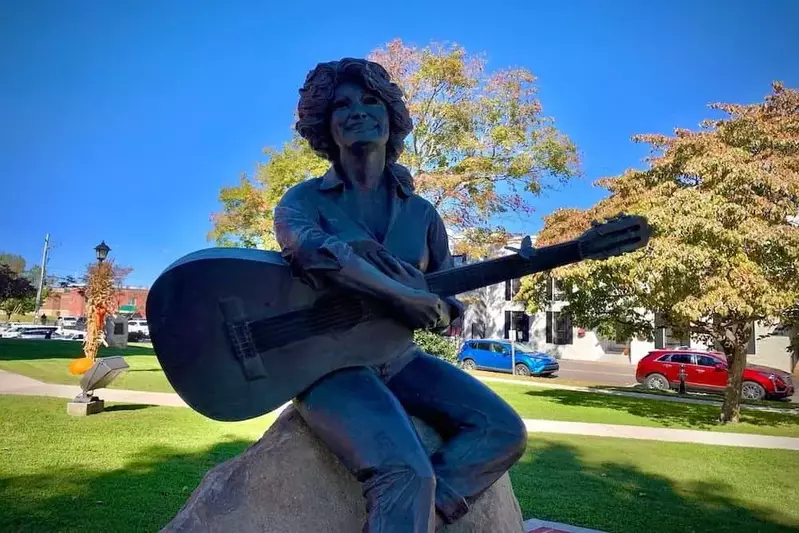
When you are planning your vacation to the Smokies, plan to spend at least one day exploring Sevierville! This fun town, which is often referred to as the “gateway to the Smoky Mountains,” features plenty of exciting things to do that are incredibly affordable! Here are 4 cheap things to do in Sevierville TN:
4 Cheap Things to Do in Sevierville TNTop 4 Scenic Drives in the Smoky Mountains You’ll Want to Explore

One of the best ways to explore the Smokies is by driving on one of the scenic roads in the area! This is a pleasant way to enjoy the region’s natural scenery while riding in the comfort of your car, plus you can make as many stops as you want! You will find all kinds of wonderful overlooks to break up the drive, as well as some awesome hiking opportunities to stretch your legs! Here are the top 4 scenic drives in the Smoky Mountains you’ll want to explore:
Top 4 Scenic Drives in the Smoky Mountains You’ll Want to Explore5 Amazing Pigeon Forge Cabins with Mountain Views

If you’re seeking the ultimate Smoky Mountain experience, you need to stay at a cabin with mountain views! You can start and end your day with breathtaking views of nature and the serene mountain landscape. While these cabins offer a peaceful mountain retreat, they’re still conveniently close to all the action in town! Here are some of our most amazing Pigeon Forge cabins with mountain views for your next vacation:
5 Amazing Pigeon Forge Cabins with Mountain Views7 Fun Things to Do in Sevierville TN on Your Family Vacation
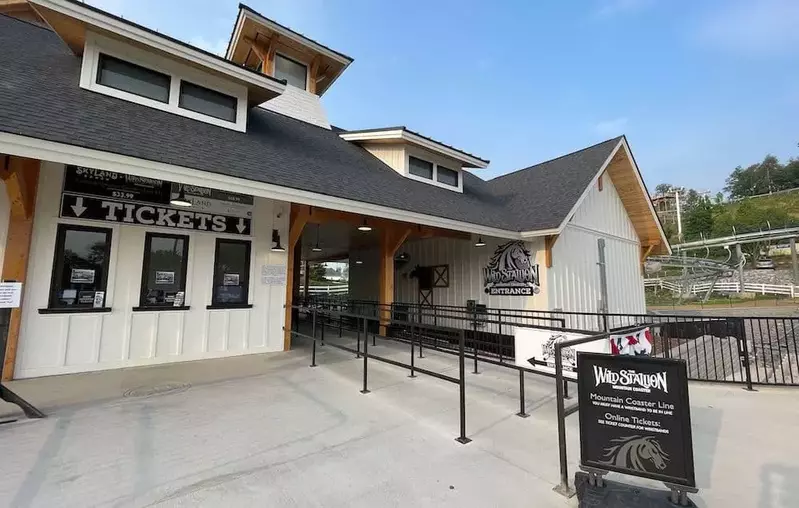
If you are looking for some fun Sevierville attractions, we have more than enough for you and your family! Whether you’re in the mood for adventure, history, rides, animals, or all of the above, then you have come to the right place. Because there are a lot of area attractions to keep you entertained, we’ve made a list of 6 fun things to do in Sevierville TN that you should check out first.
7 Fun Things to Do in Sevierville TN on Your Family Vacation4 Places to Explore When You Visit Cades Cove

If you are looking to get out and discover some of the incredible beauty that the Smoky Mountains have to offer while you are here in the area, you will certainly want to head over to visit Cades Cove during your stay! This natural paradise has so much to offer, from hiking trails, to historic sites, to opportunities to spot wildlife, and more. However, since Cades Cove has so much to offer, we thought it might be helpful to share some of the top places that we would recommend exploring when you decide to visit Cades Cove! Let’s get started:
4 Places to Explore When You Visit Cades Cove4 Tips for Planning a Group Vacation to the Smoky Mountains

What could be better than taking a vacation to the Smoky Mountains? How about sharing the experience with lots of friends and family? When you plan a group vacation to the Smoky Mountains, you will be able to experience all of the amazing things that the area has to offer, while also enjoying quality time with friends, family members, or both! However, the planning process can sometimes be daunting, with a variety of factors to consider. That is why we are sharing a handful of our best tips for planning a group vacation to the Smoky Mountains! Let’s get started:
4 Tips for Planning a Group Vacation to the Smoky MountainsTop 4 Breweries in Pigeon Forge and Gatlinburg
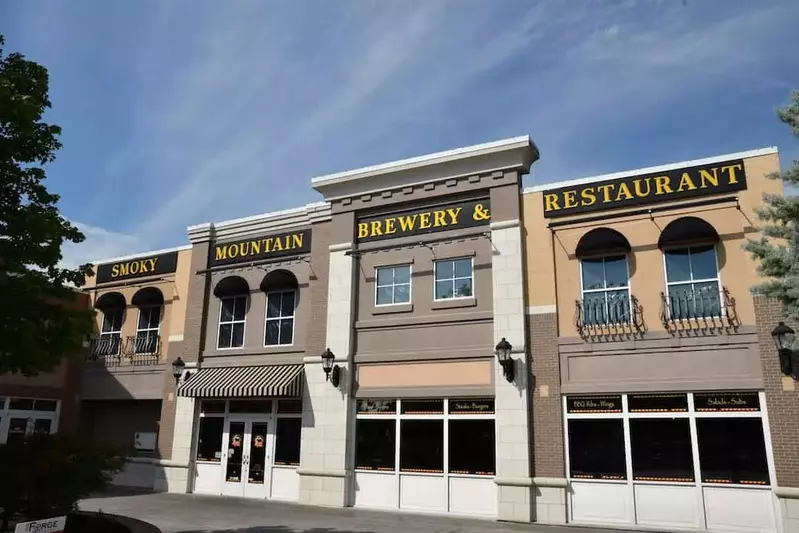
Are you looking for a fun way to spend your evening during your Smoky Mountain vacation? There are plenty of great places to hang out and enjoy local fresh brews. Here’s a list of some of the top breweries in Pigeon Forge and Gatlinburg where you can find the best craft beer and cocktails to sip on in a fun atmosphere.
Top 4 Breweries in Pigeon Forge and Gatlinburg5 of the Best Affordable Gatlinburg Cabins for Your Budget-Friendly Vacation

Are you trying to plan a budget-friendly vacation in the Smokies? Where you stay makes all the difference! When you stay at our cheap cabins in Gatlinburg TN, you’ll have plenty of money left to enjoy all the fun things to do in the area! Though they cost less, these cabins still offer all the amenities and features you need for an amazing stay! Keep reading to discover some of the best affordable Gatlinburg cabins that you should book for your next stay.
5 of the Best Affordable Gatlinburg Cabins for Your Budget-Friendly Vacation8 Best Cheap and Free Things to Do in Gatlinburg and Pigeon Forge

One of the best parts about vacationing in the Smoky Mountains is that you don’t have to spend a lot of money to have a great time! Having fun doesn’t have to be expensive, especially when you stay with us. In fact, there are a few cheap and free things to do in Pigeon Forge and Gatlinburg that will keep you entertained without costing you. To make sure you have a great time on vacation without breaking the bank, we’ve put together a list of 8 of the best cheap and free things to do in Gatlinburg and Pigeon Forge:
8 Best Cheap and Free Things to Do in Gatlinburg and Pigeon ForgeTop 5 Pancake Houses in Gatlinburg Where You Can Enjoy a Delicious Breakfast

If you have an action-packed day planned in the Smoky Mountains, get your morning off to a great start by visiting one of the pancake houses in Gatlinburg! These tempting <a href="/blog/best-breakfast-places-in-gatlinburg/">breakfast restaurants in Gatlinburg</a> offer a huge variety of tasty pancakes, as well as other traditional breakfast meals to satisfy your craving! Here are the top 5 pancake houses in Gatlinburg where you can enjoy a delicious breakfast:
Top 5 Pancake Houses in Gatlinburg Where You Can Enjoy a Delicious BreakfastEverything You Need to Know About Driving the Foothills Parkway

If you want to go on a scenic drive while you’re in the Smokies, <a href="https://foothillsparkwaytn.com/" target="_blank"> Foothills Parkway </a> is a great option. This is a unique drive in the area, and your whole family will enjoy seeing wooded and mountain views along the way. Keep reading to find out everything you should know about the Foothills Parkway:
Everything You Need to Know About Driving the Foothills Parkway5 of the Best Pigeon Forge Cabins with Indoor Pools

Where you stay during your vacation makes all the difference. Treat your family, friends, or group to a unique getaway by staying at a Pigeon Forge cabin with an indoor pool! These cabins are located near all the excitement in town but offer a peaceful retreat away from the crowds. Keep reading to discover some of the best Pigeon Forge cabins with indoor pools that you should book for your next Smoky Mountain vacation.
5 of the Best Pigeon Forge Cabins with Indoor PoolsRipley’s Aquarium of the Smokies and Other Ripley’s Attractions to Visit

Have you ever been to Ripley’s Aquarium of the Smokies? If not, you are missing out on one of the best attractions in Gatlinburg! With more sea creatures than the town of Gatlinburg has people, there is so much to see at this exciting destination. And, what makes it even better is that there are several other Ripley’s attractions here in the Smoky Mountains that you can check out as well! You can even save money by purchasing a Ripley’s combo pass. Let’s go ahead and cover some of the top information about Ripley’s Aquarium of the Smokies and the other Ripley’s attractions in the area:
Ripley’s Aquarium of the Smokies and Other Ripley’s Attractions to VisitTop 10 Wineries in Gatlinburg and the Smoky Mountains

While the Smoky Mountains may be famous for moonshine, there are quite a few spectacular wineries in the area. If you’re in town for a couple’s escape or a getaway with your friends, trying some of the local wines can be a lot of fun! Best of all, the wineries in Sevier County offer tastings that are completely free! Here are the top wineries in Gatlinburg and the Smoky Mountains:
Top 10 Wineries in Gatlinburg and the Smoky Mountains5 Local Favorite Restaurants in Sevierville TN

There are so many fantastic restaurants in the Smoky Mountains! While some of these restaurants are frequented by visitors, others are more popular amongst the locals in the area. Here’s a list of some of the local favorite restaurants in Sevierville TN that you should try:
5 Local Favorite Restaurants in Sevierville TN7 Best Italian Restaurants in Gatlinburg and the Smoky Mountains
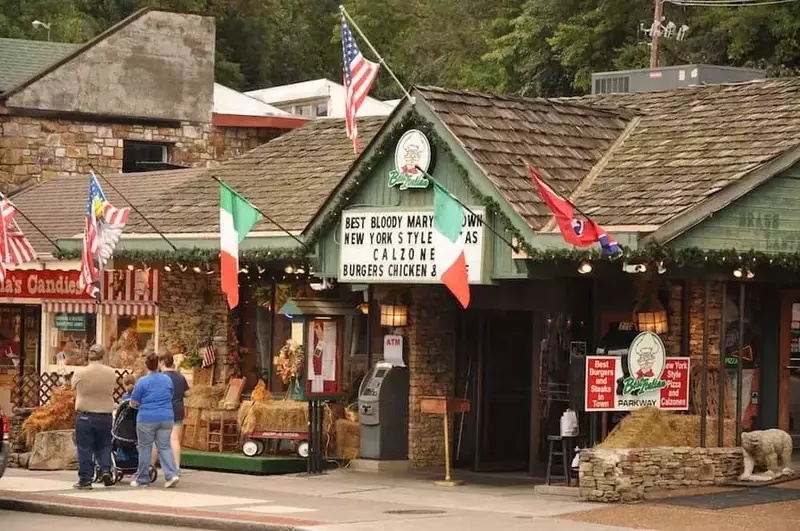
Nothing hits the spot quite like a hearty Italian meal! If you get a craving for pizza or pasta during your vacation, know that you can find the best Italian in Gatlinburg! You won’t have to look far to find all of your favorite marinara-covered, mozzarella-infused dishes. To help you prepare for your next getaway, Timber Tops Cabin Rentals has put together a handy guide to the top seven Italian restaurants in Gatlinburg and the Smoky Mountains.
7 Best Italian Restaurants in Gatlinburg and the Smoky Mountains6 of the Best Places to Race Go Karts in Pigeon Forge & Gatlinburg

Nothing beats a day having fun with your family, and what better to spend that time than racing around at one of the famous go karts in Tennessee? Here is a list of a few of the best places to race Pigeon Forge and Gatlinburg go karts.
6 of the Best Places to Race Go Karts in Pigeon Forge & Gatlinburg5 Things You Will Love About Our Pigeon Forge Tennessee Cabin Rentals

When it comes to deciding where to stay during your next vacation, there are many factors that you will want to consider. For instance, are there accommodations available that suit your group’s needs? Are there plenty of activities for everyone to enjoy at your destination? Can you get lodging for a reasonable price? Fortunately, when you decide to book one of our Pigeon Forge Tennessee cabin rentals, the answers to all of these questions will be “yes!” Let’s go ahead and cover some of the top things that you will love about our Pigeon Forge Tennessee cabin rentals:
5 Things You Will Love About Our Pigeon Forge Tennessee Cabin RentalsTop 10 Things Everyone Must Do at Dollywood Theme Park
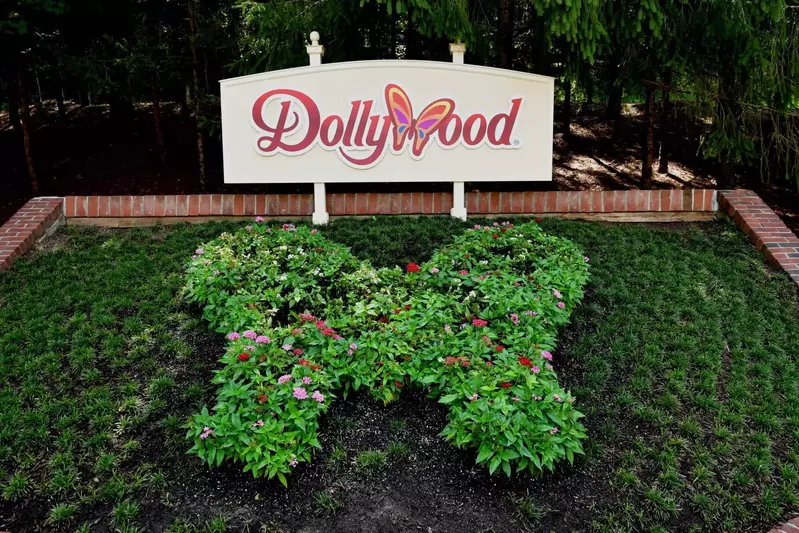
Does Dollywood seem a little overwhelming to you with all of its rides and activities? Don’t worry– you can navigate Dollywood like a pro! We’ve made a list of the top things everyone must do at Dollywood theme park so you don’t miss out on anything!
Top 10 Things Everyone Must Do at Dollywood Theme Park5 Year-Round Activities at Ober Mountain

When you think about Ober Mountain, do you picture snowy slopes and skiing? While this attraction is well-known for its winter activities, it also has a lot to offer during the warmer months! This Gatlinburg attraction has a ton of fun activities that you can experience no matter when you’re visiting the area. Keep reading to learn about a few of the year-round activities at Ober Mountain that you won’t want to miss.
5 Year-Round Activities at Ober Mountain5 Trails in the Smoky Mountains to Add to Your Itinerary

When you come to visit the Smoky Mountains, you will have so many amazing opportunities to discover the natural beauty that the area has to offer. One of the best ways to do this is by exploring some of the top trails in the Smoky Mountains, which is why we have gone ahead and put together this list of some of the top destinations you will want to check out when you come to visit the area! Let’s get started:
5 Trails in the Smoky Mountains to Add to Your ItineraryYour Guide to the Apple Barn and Cider Mill
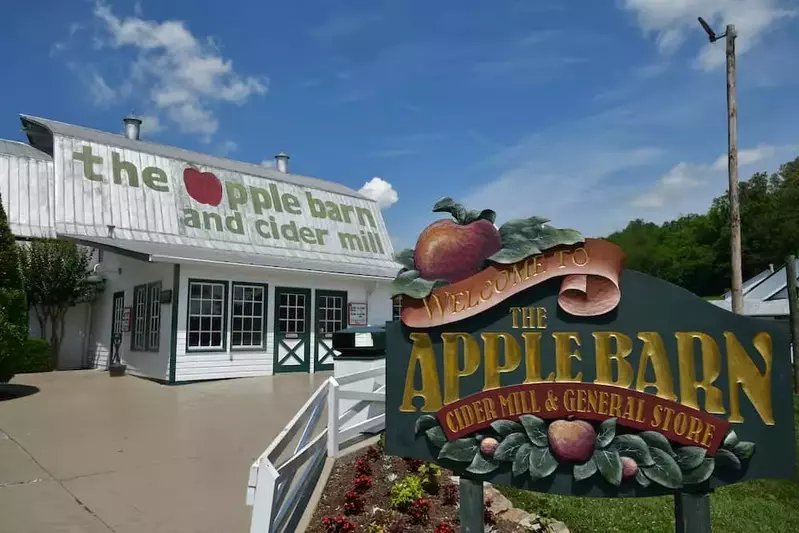
The <a href="https://applebarncidermill.com/" target="_blank">Apple Barn and Cider Mill General Store</a> is one of the most popular places to visit in Tennessee’s Smoky Mountains. Located beside an apple orchard, the Apple Barn is legendary for its freshly squeezed cider and mouthwatering apple desserts. In addition to the Cider Mill & General Store, the Apple Valley complex also boasts a number of other shops and restaurants that make use of the orchard’s delicious apples. Here’s your guide to the Apple Barn and Cider Mill:
Your Guide to the Apple Barn and Cider Mill4 Types of Travelers That Love Our Cabins in Pigeon Forge

Are you planning a trip with friends? Or maybe a romantic getaway with your partner? Perhaps a family vacation? Our cabins in Pigeon Forge have so much to offer, which is why lots of different types of travelers love staying in them! From solo travelers, to couples, and more, let’s explore some of the types of travelers that especially love our cabins in Pigeon Forge:
4 Types of Travelers That Love Our Cabins in Pigeon ForgeAll the Details About the Gatlinburg SkyBridge and the Gatlinburg SkyPark
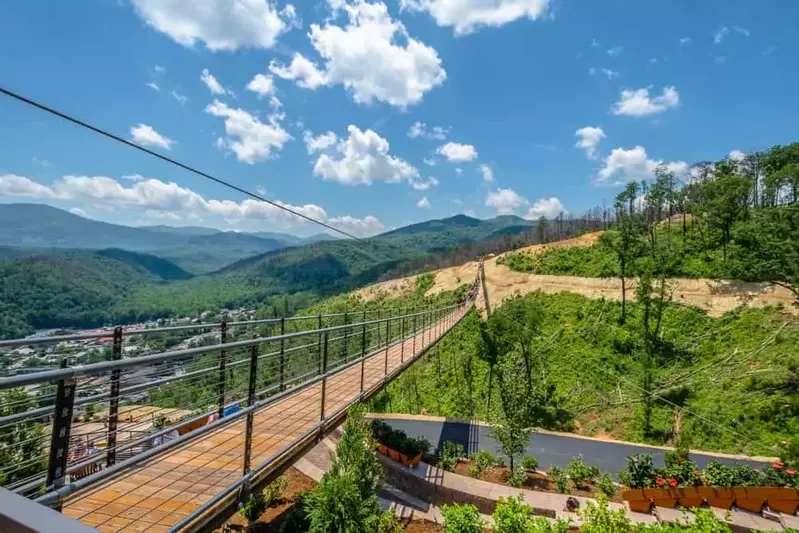
The <a href="https://www.gatlinburgskypark.com/" target="_blank"> Gatlinburg SkyPark </a> has added more attractions that will make you want to visit this popular Gatlinburg attraction! In addition to the SkyLift, visitors can walk across the Gatlinburg SkyBridge, relax on the SkyDeck, visit the SkyCenter, and walk along the SkyTrail. You’ll love being able to ride the Gatlinburg SkyLift, then get off onto the SkyDeck to see incredible mountain views you won’t find anywhere else. And, the SkyBridge in Gatlinburg is unlike any other! We have all the details about the Gatlinburg SkyPark below:
All the Details About the Gatlinburg SkyBridge and the Gatlinburg SkyParkThe 5 Best Towns in the Smoky Mountains

With over 11 million annual visitors, the <a href="https://smokymountainnationalpark.com/" target="_blank"> Great Smoky Mountains National Park </a> is the most popular national park in America! Most of the vacationers who come to the Tennessee side of the Smokies choose to stay in Sevier County, which is located right on the border of the national park. Sevier County is home to the best mountain towns in Tennessee. To help you make the most of your getaway in Sevier County, we’ve put together a guide to the 5 best towns in the Smoky Mountains:
The 5 Best Towns in the Smoky MountainsEverything You Need to Know About Rainforest Adventures in Sevierville
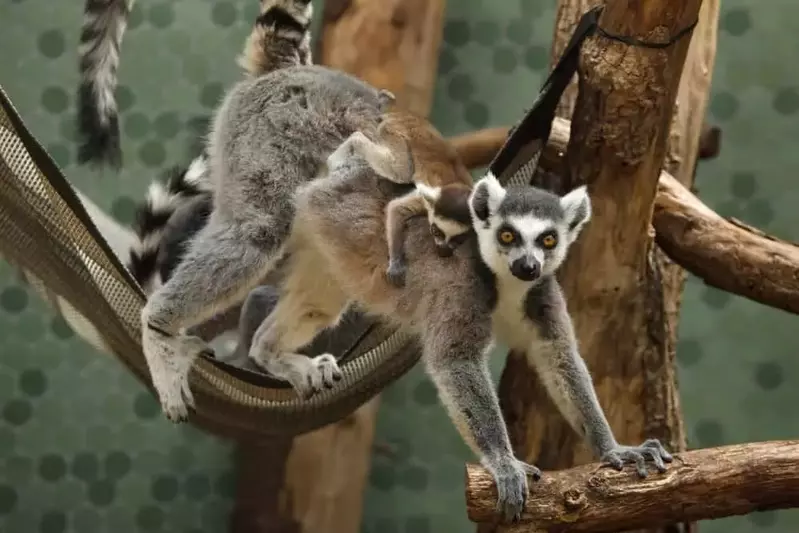
Do you have animal lovers in your family? You need to take them to Rainforest Adventures in Sevierville! You’ll be able to get up close to all kinds of exotic animals and learn all about them at this cool attraction. Here’s everything you need to know about Sevierville's Rainforest Adventures:
Everything You Need to Know About Rainforest Adventures in Sevierville4 Reasons Why You Should Visit Mel’s Diner in Pigeon Forge
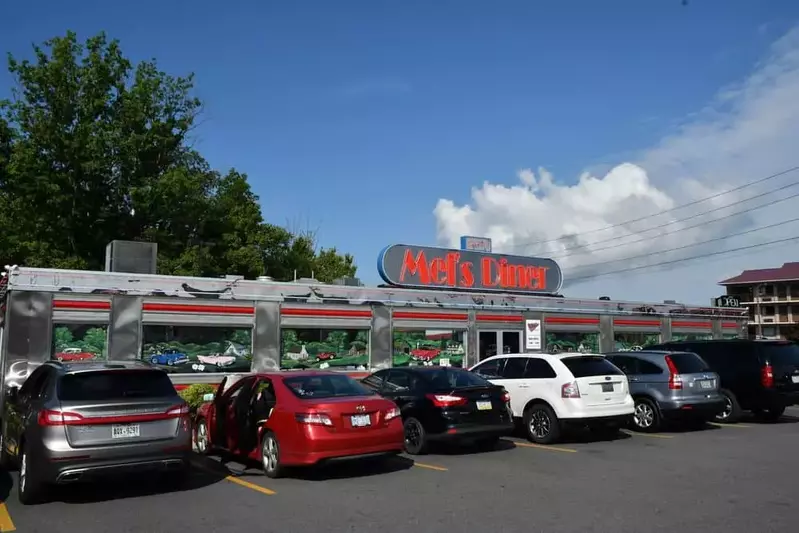
Mel’s Diner has been a popular spot to grab delicious diner food for over 30 years! This establishment is family owned and operated in the heart of Pigeon Forge, Tennessee. Mel’s Diner is like stepping back in time! Enjoy all the wonderful classic 50’s diner decorations and tasty dishes. Here are 4 reasons why you should visit Mel’s Diner in Pigeon Forge:
4 Reasons Why You Should Visit Mel’s Diner in Pigeon ForgeTop 5 Family-Friendly Shows in Pigeon Forge

If you’re planning a family vacation to the Smokies, you want to find activities that every member of the family can enjoy together. There are so many family-friendly things to do in the area, including spectacular shows! Here’s are some of the top shows in Pigeon Forge that the whole family will love:
Top 5 Family-Friendly Shows in Pigeon Forge8 Famous Restaurants in Gatlinburg TN and the Smoky Mountains
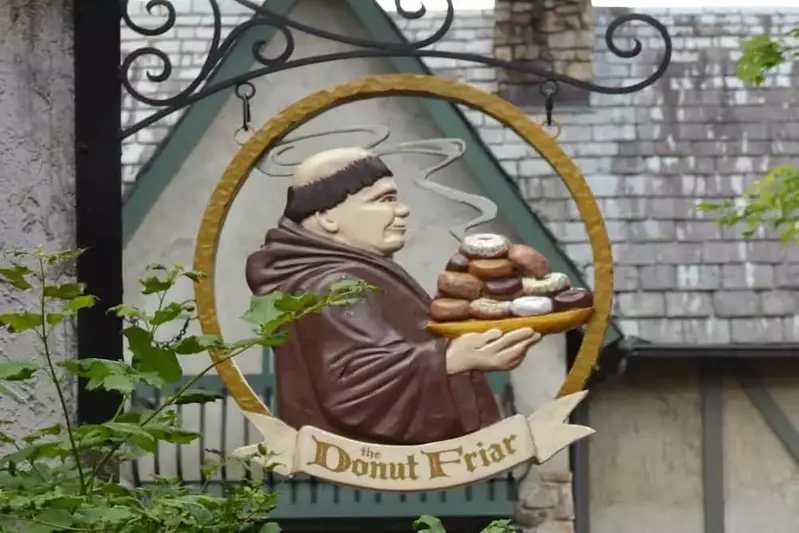
As with any popular vacation destination, there are some places to eat that are of legend. People talk about them so much that they’re famous in their own right, so when you come on vacation, you want to try these restaurants in Gatlinburg TN! Serving everything from breakfast to pizza, these places to eat in Gatlinburg have built loyal followings for their unmatched quality and local charm. To help you make the most of your next vacation, Timber Tops Cabin Rentals has put together a guide to 8 famous restaurants in Gatlinburg TN and the Smokies.
8 Famous Restaurants in Gatlinburg TN and the Smoky Mountains4 Reasons Families Love Our Gatlinburg Cabin Rentals

If you are looking for the next place to enjoy a family vacation, our Gatlinburg cabin rentals are amazing options! Families love our cabins for plenty of reasons, but we are going to share just a few of them with you today. From the incredible natural beauty that surrounds many of our cabins, to the variety of exciting amenities we offer, and lots more, here are some of the top reasons why families love our Gatlinburg cabin rentals:
4 Reasons Families Love Our Gatlinburg Cabin Rentals7 Fun Things to Do in Pigeon Forge and Gatlinburg with Toddlers
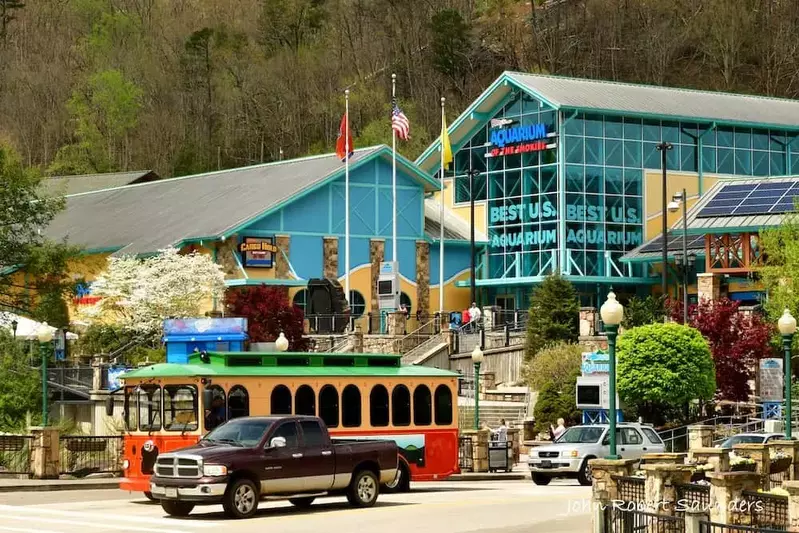
While planning a family vacation with toddlers can sometimes be a tricky endeavor, that isn’t the case in the Smoky Mountains! The cities of Pigeon Forge and Gatlinburg are home to a wide variety of toddler-friendly attractions that your little ones are sure to love. Best of all, these awesome activities are fun things to do in Gatlinburg and Pigeon Forge for kids who are older and adults too! To help you make the most of your next getaway, we’ve put together a guide to 7 of the best things to do in Pigeon Forge and Gatlinburg with toddlers.
7 Fun Things to Do in Pigeon Forge and Gatlinburg with ToddlersThe Top Grocery Stores in Gatlinburg and Pigeon Forge That Make Cabin Cooking Easy

One of the perks of staying in one of our Pigeon Forge or Gatlinburg cabins is the ability to cook and eat meals without spending extra money to eat out at a restaurant. In order to do this, however, you’ll need to have access to local grocery stores so you can stock your cabin’s pantry and refrigerator. Luckily, there are many grocery stores in Gatlinburg and Pigeon Forge, both large chain and small local stores, that give you access to the items you need no matter the budget.
The Top Grocery Stores in Gatlinburg and Pigeon Forge That Make Cabin Cooking Easy5 Things You Didn’t Know About the Alcatraz East Crime Museum in Pigeon Forge

If you’re a fan of true crime stories, you need to visit the Alcatraz East Crime Museum on your vacation! This one-of-a-kind museum in Pigeon Forge TN is dedicated to the history of crime and crime fighting in America. Guests at this Alcatraz museum will have the chance to explore a number of interactive exhibits and see rare artifacts that belonged to some of the nation’s most notorious criminals. Here are the top 5 things you didn’t know about the Alcatraz East Crime Museum in Pigeon Forge:
5 Things You Didn’t Know About the Alcatraz East Crime Museum in Pigeon ForgeYour Guide to a Family Stay in Our Pigeon Forge Luxury Cabins
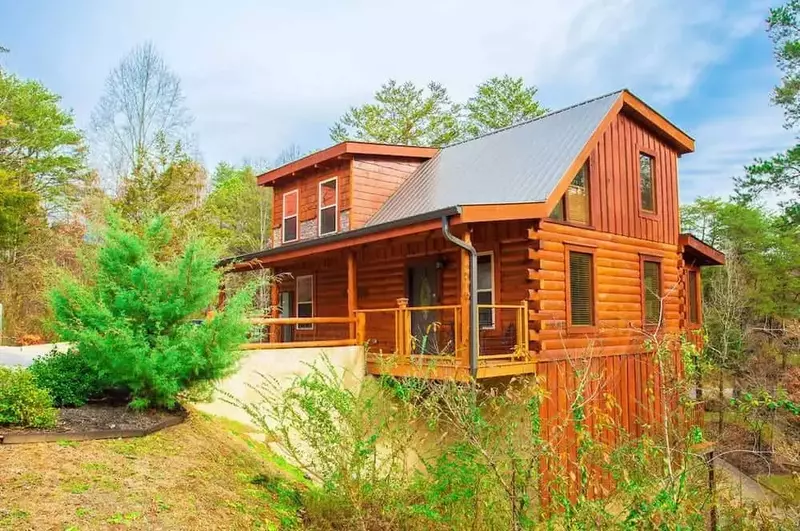
Are you trying to find the perfect lodging option for your family vacation to the Smoky Mountains? Look no further than the best cabins in Pigeon Forge TN! Our vacation rentals provide a place where you can enjoy a wonderful location among the scenic mountains, plus access to an abundance of amenities that you won’t find in a typical hotel room. Here is your family’s guide to a stay in our Pigeon Forge luxury cabins:
Your Guide to a Family Stay in Our Pigeon Forge Luxury CabinsTop 5 Things To Do in the Smoky Mountains in February

Just because February is the shortest month of the year doesn’t mean that it is without fun and exciting activities for visitors to enjoy in the Smokies. There are so many fun things to do in Pigeon Forge and Gatlinburg in February! The weather may be a little chilly, but there are plenty of activities both indoors and outdoors that you can still enjoy. Start planning your next adventure to the area today by learning about a few of the many exciting things to do in the Smoky Mountains in February.
Top 5 Things To Do in the Smoky Mountains in FebruaryTop 6 Seafood Restaurants in Gatlinburg and Pigeon Forge
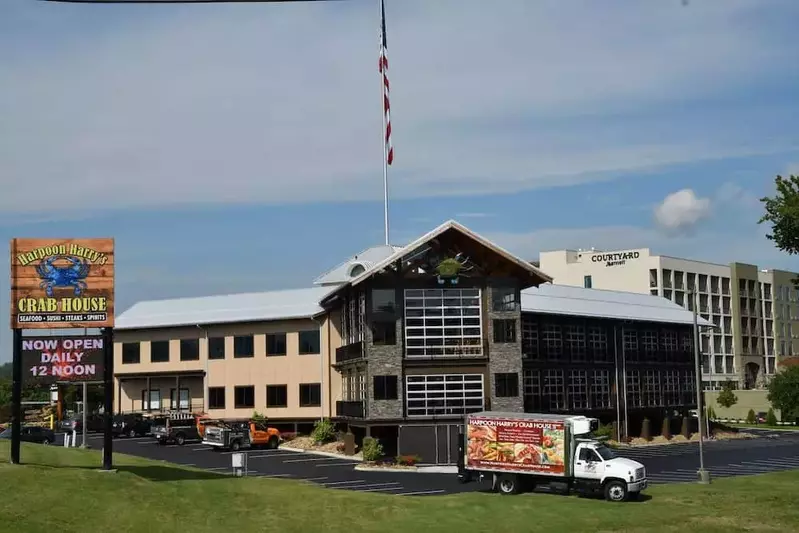
One of the best things about taking a trip to the Smoky Mountains is getting an opportunity to sample a wide variety of delicious foods. Because the Smokies are mostly known for Southern cooking and BBQ, you may be surprised to know that there are plenty of amazing restaurants for seafood in Pigeon Forge and Gatlinburg TN. That’s right, just because you chose to vacation in the mountains instead of the beach doesn’t mean you have to miss out on your favorite type of cuisine. Here are 6 of the best seafood restaurants in Gatlinburg and Pigeon Forge:
Top 6 Seafood Restaurants in Gatlinburg and Pigeon Forge6 New Things to Do in the Smokies in 2025

Are you looking for something new to do in the Smokies? There are so many great new attractions you can experience this year, ranging from exciting rides to immersive experiences. Here are some of the new things to do in the Smokies in 2025 that you won’t want to miss:
6 New Things to Do in the Smokies in 20255 Reasons to Visit the Pottery House Cafe in Pigeon Forge

Are you looking for a great place to eat in Pigeon Forge? The Pottery House Cafe is a local gem! This cozy restaurant is located in the Old Mill Square in the heart of town. Keep reading to find out some of the reasons why you’ll love visiting the Pottery House Cafe during your stay.
5 Reasons to Visit the Pottery House Cafe in Pigeon Forge4 Unique Pigeon Forge Attractions You May Not Know About

When you come to stay in the Smoky Mountains, you will have so many options for fun and interesting things to do here in the area! Today, we are going to be covering some unique Pigeon Forge attractions that you may not already know about. From fascinating exhibits, to excellent family fun, and more, these activities are sure to make your next getaway that much more fun. Here are some of the top Pigeon Forge attractions you may not know about:
4 Unique Pigeon Forge Attractions You May Not Know AboutWhen is the Best Time to Visit the Smoky Mountains?

When planning a trip, one of the most important things to consider is when you will take the trip! The time of year that you may decide to visit an area will depend on the area’s climate, as well as what activities you are looking to do while you are there. That is why there is no single answer to the question of when is the best time to visit the Smoky Mountains — it depends! That is why we have put together this helpful guide to the various seasons in the area to assist you in deciding on the best time to visit the Smoky Mountains:
When is the Best Time to Visit the Smoky Mountains?What to Expect When You Visit the Titanic Museum in Pigeon Forge

The outside of the <a href="https://www.pigeonforgetnguide.com/coupons/titanic-museum/" target="_blank"> Titanic Museum in Pigeon Forge </a> is just the tip of the iceberg! Come aboard and you can see for yourself why the Pigeon Forge Titanic Museum is one of the most visited stops in town! Learn what it was like on the RMS Titanic as you walk through artifacts, exhibits, and replicas that celebrate the ship, passengers and crew. Here is what to expect when you visit this fun and interactive museum.
What to Expect When You Visit the Titanic Museum in Pigeon ForgeThe History of the Dolly Parton Statue in Sevierville
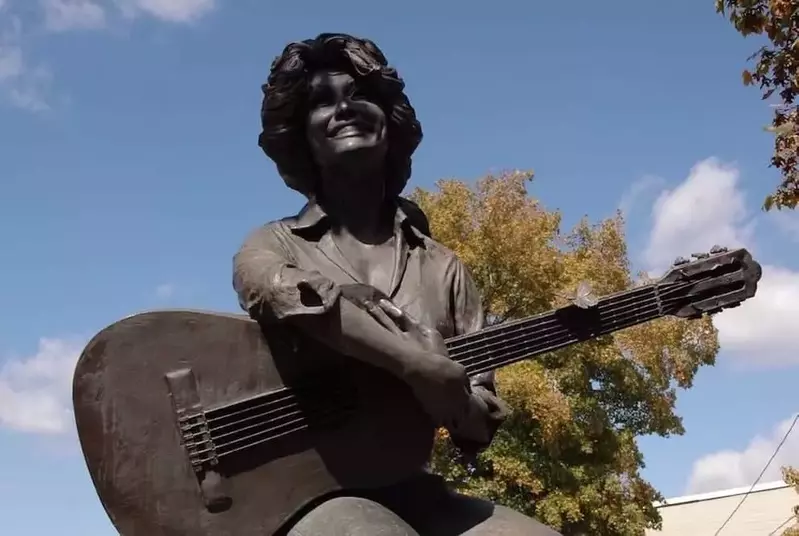
Each year, millions of vacationers flock to the Sevier County Courthouse in Sevierville, TN to take advantage of the area’s most iconic photo-op. In front of the courthouse, visitors can snap a selfie with a bronze statue of country superstar Dolly Parton, the patron saint of the Smoky Mountains. This famous Dolly Parton statue is Sevier County’s way of saying thank you to their favorite daughter for her incredible generosity and relentless promotion of tourism in the Smokies. To help you prepare for your next getaway in the Smoky Mountains, Timber Tops Cabin Rentals has put together a brief history of the Dolly Parton statue in Sevierville.
The History of the Dolly Parton Statue in Sevierville3 Best Coffee Shops in Sevierville, TN

You may have heard more about Pigeon Forge and Gatlinburg, but neighboring Sevierville has a lot to offer, too! There are a ton of fun things to do in Sevierville and the Smoky Mountains, so make sure you fuel up with enough energy to enjoy it all. The best way to do that is stopping by one of the best coffee shops in Sevierville. Here’s a list of some of our favorite places to grab a cup of coffee in Sevierville, TN:
3 Best Coffee Shops in Sevierville, TNMountain Mall: 5 Reasons To Visit This Unique Gatlinburg TN Mall
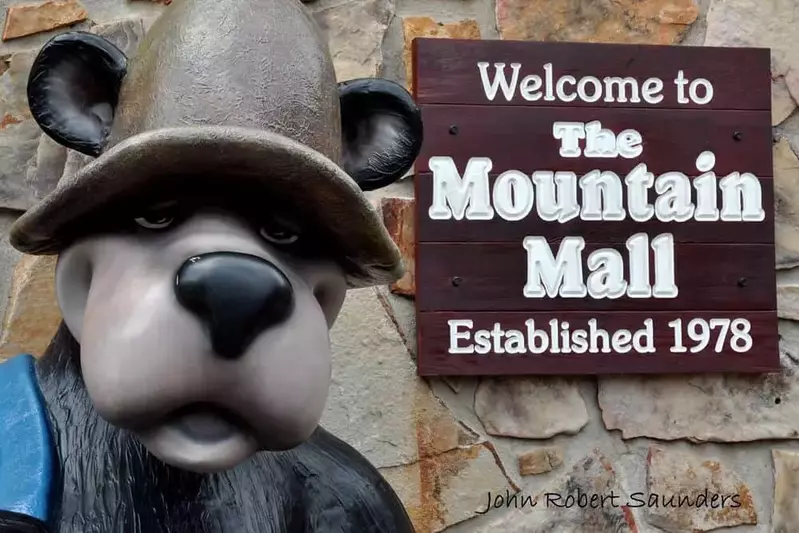
Shopping and Gatlinburg go hand in hand. The mountain town has plenty of shopping opportunities at every corner! If you are looking for a fun rainy day activity or just want to spend some time indoors, stop by the Mountain Mall in Gatlinburg. There is nothing quite like this mall! Here are 5 reasons to visit this unique Gatlinburg TN mall:
Mountain Mall: 5 Reasons To Visit This Unique Gatlinburg TN MallAll You Need to Know About the Caves Near Gatlinburg
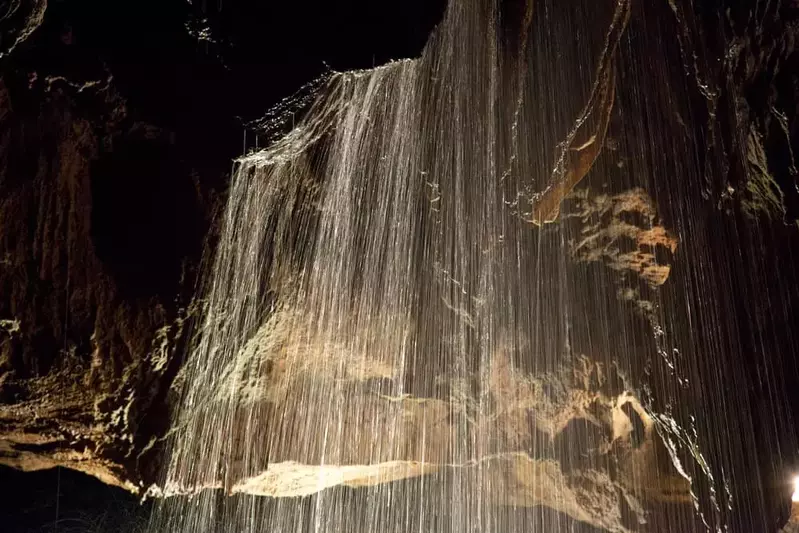
Most people know that Tennessee is an excellent destination for all kinds of attractions and entertainment. However, many people don’t realize that some of the state’s most beautiful sights are found underground. In fact, Tennessee has more caverns than any state in the union. If you’re interested in exploring them while you’re in Gatlinburg, you’re in luck. There are a few caves close by that you need to see! Here is everything you need to know about the caves near Gatlinburg:
All You Need to Know About the Caves Near GatlinburgTop 4 Christmas Shops in Gatlinburg and Pigeon Forge
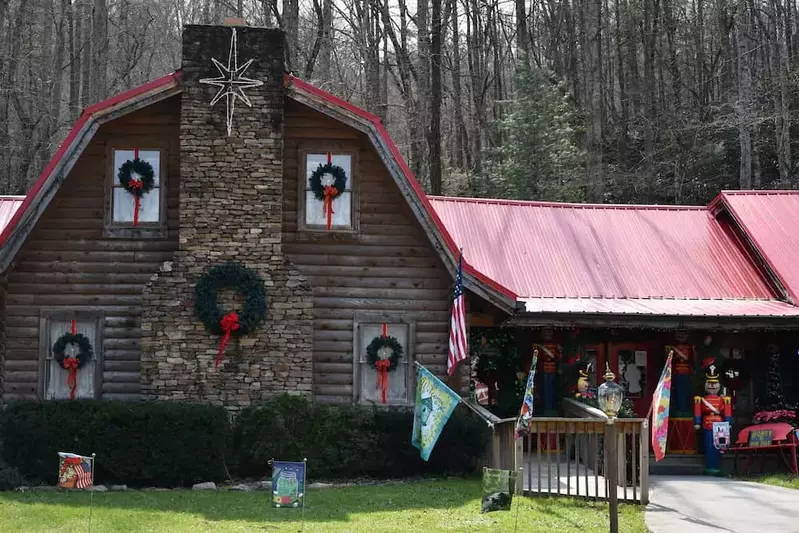
One of the best parts about holiday shopping is imagining the smile on your loved ones’ faces as they unwrap the gifts that you specially picked out for them. Whether it is a new doll, toy truck, book, or framed picture, the smile on their face is worth the effort of shopping and wrapping the perfect gift. Why not make this year’s gift even more special by including something that represents your family’s favorite vacation spot in the Smokies? Below is a list of the top 4 Christmas shops in Gatlinburg and Pigeon Forge for shopping this holiday season.
Top 4 Christmas Shops in Gatlinburg and Pigeon Forge4 Reasons to Stay in Our Christmas Decorated Cabins in the Smokies This Holiday Season
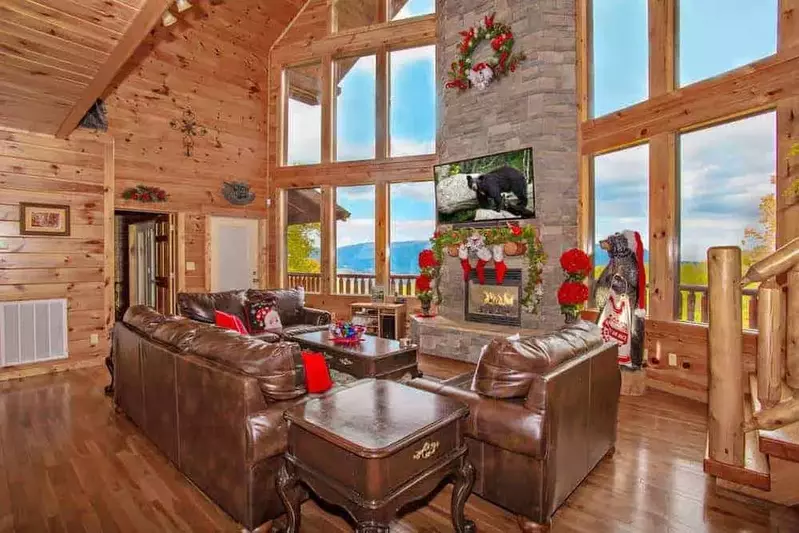
There is no better place to spend the holiday season than in the Smoky Mountains. You can bring the whole family along to witness special Christmas events, beautiful holiday lights, and much more. The first step to planning your trip is finding a place to stay, and we have amazing options available! Here are 4 reasons to stay in our Christmas decorated cabins in the Smokies this holiday season:
4 Reasons to Stay in Our Christmas Decorated Cabins in the Smokies This Holiday SeasonTop 4 Reasons to Take a Ride on the Great Smoky Mountain Wheel

If you find yourself driving through Pigeon Forge, you can’t miss the 200-foot-tall ferris wheel towering over the Parkway! This fun Pigeon Forge ferris wheel is the centerpiece to The Island in Pigeon Forge, a shopping and dining complex with tons of fantastic entertainment! While staying at Timber Tops Cabin Rentals, you won’t want to miss taking a spin on one of the tallest attractions in the southeast! Here are the top 4 reasons to ride the Great Smoky Mountain Wheel:
Top 4 Reasons to Take a Ride on the Great Smoky Mountain Wheel6 Things Guests Love About Our Cabins in the Smokies

It doesn’t get much better than relaxing on the deck of a Smoky Mountain cabin, breathing in the fresh mountain air as you admire the gorgeous scenery in front of you. That’s why guests have fallen in love with our cabins. At Timber Tops Cabin Rentals, we make sure our guests have everything they need for a fantastic stay. We’ve put together a list of the top things our guests say they love about our cabins in the Smokies:
6 Things Guests Love About Our Cabins in the Smokies5 Reasons Pet Friendly Cabins in Sevierville TN are the Best Choice for Your Vacation
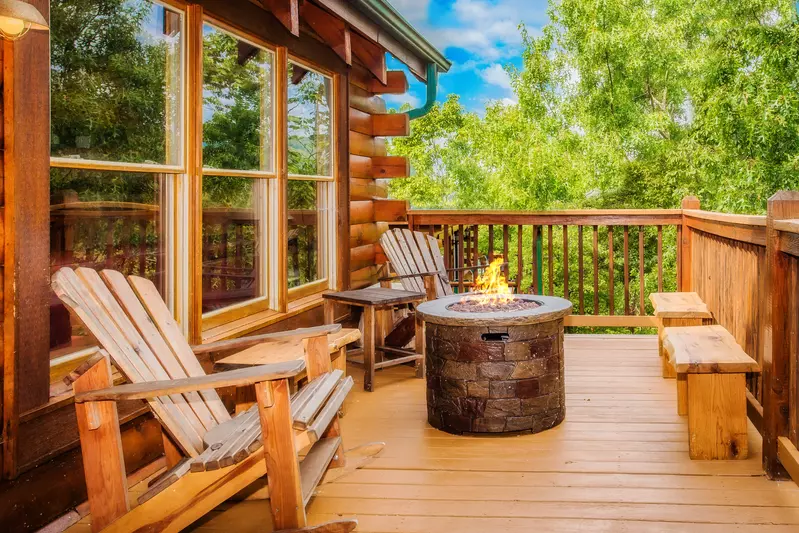
Have you thought about planning a vacation to <a href="/cabin-rentals/pet-friendly-cabins/">pet friendly cabins in Sevierville TN</a>? This way, you can enjoy a vacation with the whole family, including your four-legged friend! Plus, our cabins in Sevierville TN that are pet friendly have everything you need and more for a stay that’s both entertaining and comfortable. We know it’s a great idea to choose these cabins for your stay, but we’ve put together a few reasons why you should start planning today:
5 Reasons Pet Friendly Cabins in Sevierville TN are the Best Choice for Your VacationTop 5 Haunted Attractions in Gatlinburg and the Smoky Mountains

Halloween is just around the corner, which means it’s time to celebrate spooky season in the Smoky Mountains! There are so many great attractions and haunted places to explore for a frightful experience! Here are some of the top haunted attractions in Gatlinburg and the Smoky Mountains that are sure to terrify:
Top 5 Haunted Attractions in Gatlinburg and the Smoky Mountains5 Things Guests Love About Our Large Cabins in Pigeon Forge

If you’re looking for somewhere special to stay on your next vacation, look no further than our large cabins in Pigeon Forge. These cabins go above and beyond to provide you with everything you need for a fantastic stay. You can’t go wrong when you stay with us at Timber Tops Cabin Rentals! Here are 5 things in particular guests love about our large cabins in Pigeon Forge:
5 Things Guests Love About Our Large Cabins in Pigeon Forge5 Benefits of Staying in a Gatlinburg Cabin with an Indoor Pool and Home Theater
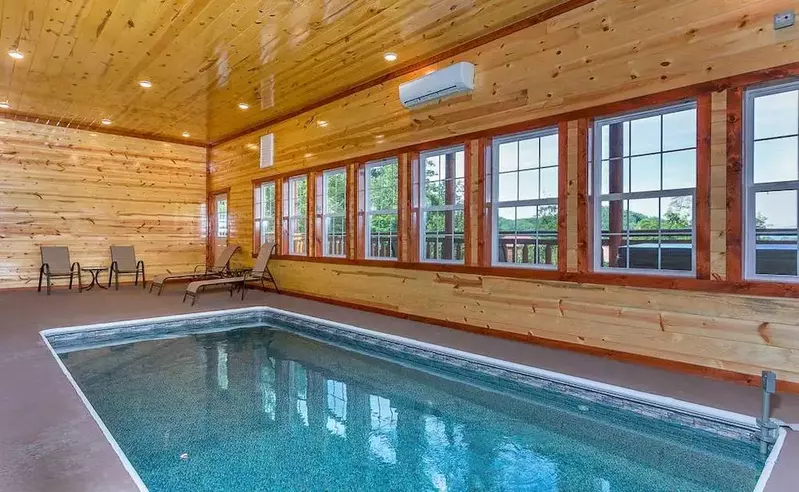
A <a href="/blog/gatlinburg-cabins-indoor-pools-home-theaters/">Gatlinburg cabin with an indoor pool and home theater</a> is a great choice for your next vacation! You’ll be able to swim whenever you want, and then you can snuggle up in the theater room and watch your favorite movie! You may be wondering why you should stay in one of our cabins, so here are the top 5 benefits of staying in a Gatlinburg cabin with an indoor pool and home theater:
5 Benefits of Staying in a Gatlinburg Cabin with an Indoor Pool and Home TheaterYour Guide to the Most Romantic Gatlinburg Cabins
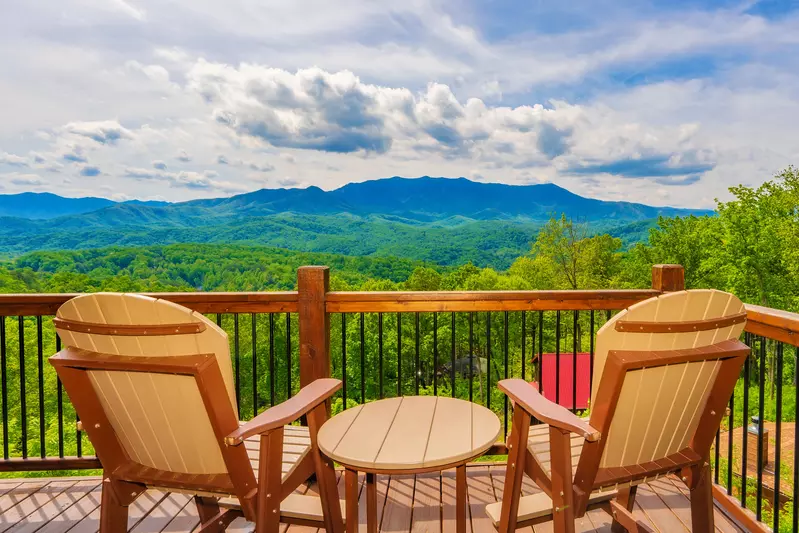
The Great Smoky Mountains in Tennessee is one of the most romantic places in the world, and if you and your partner have been promising each other a quiet weekend away, Timber Tops Cabin Rentals has everything you need to make your Gatlinburg getaway perfect. Whether you are looking for a romantic <a href="/blog/1-bedroom-cabins-in-the-smokies-romantic/">1 bedroom honeymoon cabin in Gatlinburg</a>, or a larger cabin for a wedding or couples retreat, we can help! Find more information about our romantic Gatlinburg cabins below!
Your Guide to the Most Romantic Gatlinburg Cabins5 Reasons Our 1 Bedroom Cabins in Gatlinburg Are Perfect for Your Vacation
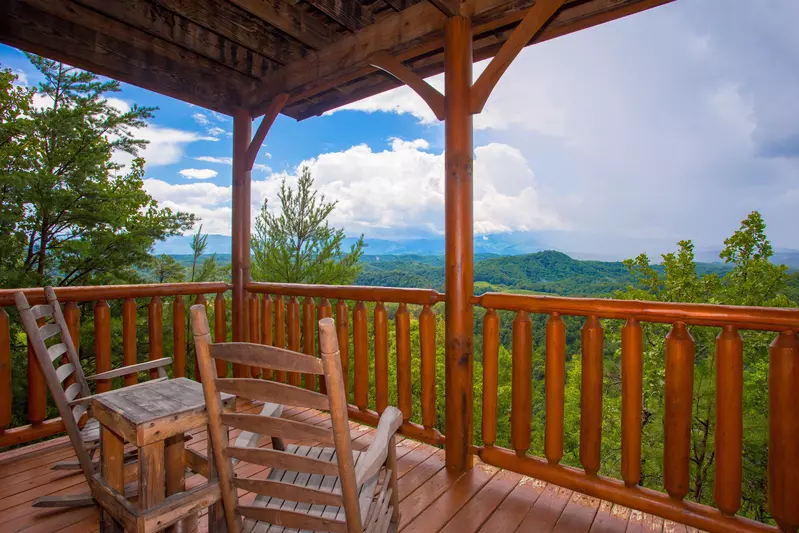
When searching for the perfect place to stay for a romantic getaway or a small family trip, there is no better option than our 1 bedroom cabins! These cabins come with everything you need and more to enjoy a comfortable vacation in the Smoky Mountains. Here are 5 reasons our 1 bedroom cabins in Gatlinburg are perfect for your vacation:
5 Reasons Our 1 Bedroom Cabins in Gatlinburg Are Perfect for Your VacationTop 4 Mexican Restaurants in Pigeon Forge TN

Are you looking for a great place to eat during your Smoky Mountain vacation? If you find yourself craving Mexican food while you’re in Pigeon Forge, you’re in luck! There are a number of fantastic restaurants in town that serve flavorful, authentic Mexican cuisine. Here are some of the top Mexican restaurants in Pigeon Forge that you should check out:
Top 4 Mexican Restaurants in Pigeon Forge TN6 Outdoor Activities in Gatlinburg You Should Definitely Try

One of the most popular reasons to visit the Smoky Mountains area is to spend time outdoors in the fresh air and natural scenery. There are plenty of ways to enjoy your time outside with your family and friends when the weather is nice, whether you’re looking for something laid-back or adrenaline-pumping! Here are some of the best outdoor activities in Gatlinburg that you won’t want to miss:
6 Outdoor Activities in Gatlinburg You Should Definitely Try5 Webcams in the Smoky Mountains to Watch When You Miss the Smokies

You may find yourself wishing you could visit the Smoky Mountains any day, any time. While nothing is like seeing them in person, you can still view the Smoky Mountains with online webcams! We want to share with you some of the best webcams in the Smoky Mountains that make you feel like you’re really there. Here are 5 webcams in the Smoky Mountains to watch when you miss the Smokies:
5 Webcams in the Smoky Mountains to Watch When You Miss the Smokies3 of Our Best Smoky Mountain Cabins on the River
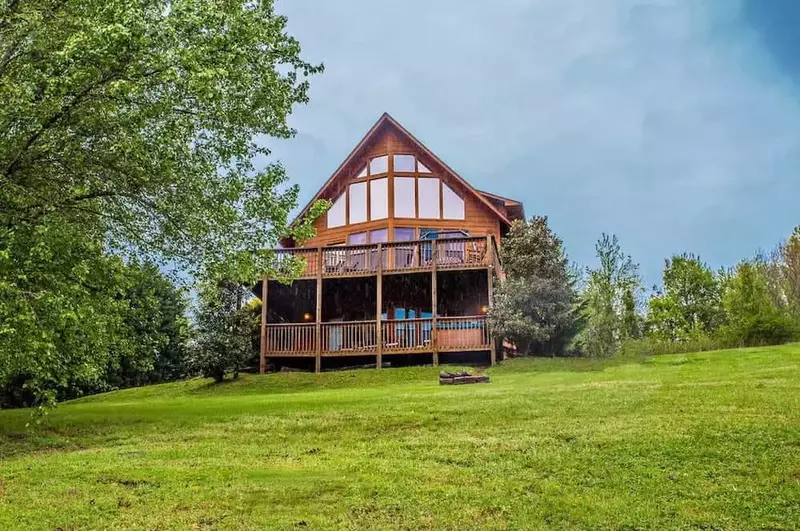
If you’re looking for a scenic place to stay on vacation, look no further than our Smoky Mountain cabins on the river! You’ll feel completely at ease as you kick back on your own private deck and listen to the rushing water from the river nearby. You can even fish in the river on certain properties if you have a Tennessee fishing license! To help you plan your trip, here are a few of our best Smoky Mountain cabins on the river.
3 of Our Best Smoky Mountain Cabins on the River6 Amazing Pigeon Forge Cabins Near Dollywood

If you’re going to be taking a getaway in Pigeon Forge, Dollywood is a can’t-miss attraction. In fact, many people come to the Smokies just so they can be close to this fantastic theme park! For guests who don’t want to waste any of their precious vacation time, we offer a variety of excellent Pigeon Forge cabins near Dollywood. Here are 6 of our most popular Dollywood cabins:
6 Amazing Pigeon Forge Cabins Near Dollywood5 of the Best Gatlinburg Coffee Shops to Fuel Your Vacation

Whether you’re a coffee aficionado or you just need some caffeine to wake up in the morning, you can find some fantastic coffee shops to visit during your Smoky Mountain vacation! You’ll need plenty of energy to accomplish everything on your itinerary, and a caffeine pick-me-up may be just what you need. Here are some of the best Gatlinburg coffee shops that can help fuel your vacation in the Smokies:
5 of the Best Gatlinburg Coffee Shops to Fuel Your Vacation5 Breakfast Restaurants in Pigeon Forge Perfect for Families
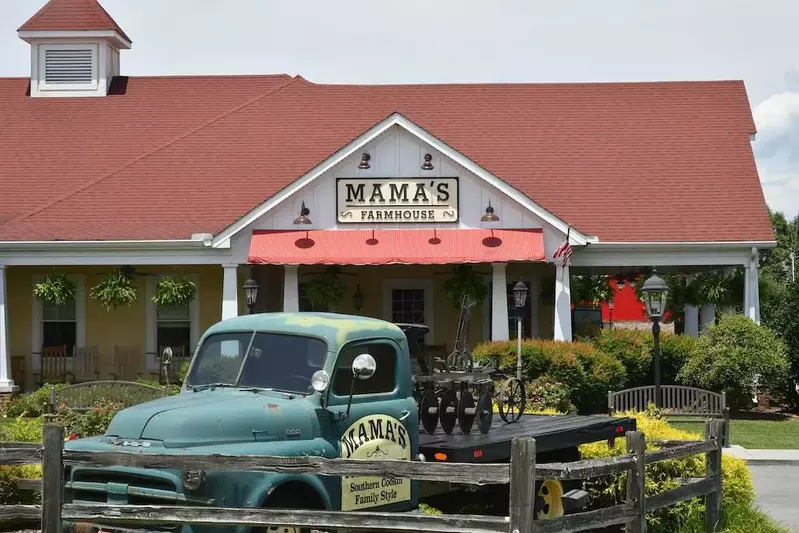
Don’t try to decide where you’ll eat breakfast the day of! You should have a few ideas of where you can grab breakfast out so you don’t have to look it up when everyone is hungry. From pancakes to biscuits and gravy, you’ll find Pigeon Forge restaurants that have all your breakfast favorites. Here are 5 breakfast restaurants in Pigeon Forge that are perfect for families:
5 Breakfast Restaurants in Pigeon Forge Perfect for Families7 of the Best 1 Bedroom Cabins in the Smokies for Your Romantic Getaway
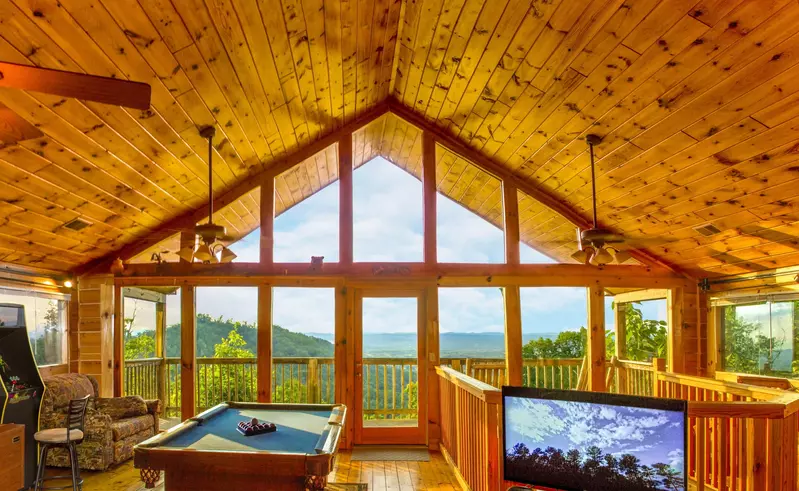
It doesn’t get any better than relaxing next to the one you love with nothing but stunning views of the Smoky Mountains surrounding you. When you stay with us, you will have all that and more. Our 1 bedroom cabins in Gatlinburg and Pigeon Forge provide a peaceful escape and come with amazing amenities to add more romance to your stay. Here are 7 of our best 1 bedroom cabins in the Smokies for your romantic getaway:
7 of the Best 1 Bedroom Cabins in the Smokies for Your Romantic GetawayTop 4 Reasons to Spend a Day at Douglas Lake TN on Your Smoky Mountain Vacation

Douglas Lake TN is located at the foothills of the Great Smoky Mountains. It stretches for 30,400 acres with a maximum depth of 140 feet. There is so much fun to be had at the lake, from swimming, to fishing, to boating. When you stay in our Smoky Mountain cabins, plan a day trip to the lake to see everything it has to offer! Here are the top 4 reasons to spend a day at Douglas Lake TN on your Smoky Mountain vacation:
Top 4 Reasons to Spend a Day at Douglas Lake TN on Your Smoky Mountain VacationTop 4 Picnic Areas in the Smoky Mountains

One of the best ways to enjoy the fresh mountain air is having a picnic in the Great Smoky Mountains! There are a number of great picnic areas in the Smoky Mountains that offer picnic tables, charcoal grills, and even pavilion facilities. If you’re looking for a beautiful spot to enjoy your outdoor meal, check out these top picnic areas in the national park:
Top 4 Picnic Areas in the Smoky Mountains6 Awesome Cabins in Gatlinburg with Mountain Views
![4-SkiViewLodge-May2020-1200x800[1]](/media/656174c60794fae5b5af9b64/large.webp)
Known as the “Gateway to the Great Smoky Mountains,” Gatlinburg, Tennessee is home to some of the most incredible scenery in the country. Our cabins in Gatlinburg with mountain views are the very best way to immerse yourself in the area’s natural beauty. Here are 6 of our most popular properties with breathtaking mountain vistas:
6 Awesome Cabins in Gatlinburg with Mountain ViewsSave Money in the Smokies: All The Details About Our Cheap Cabin Rentals in Pigeon Forge and Gatlinburg
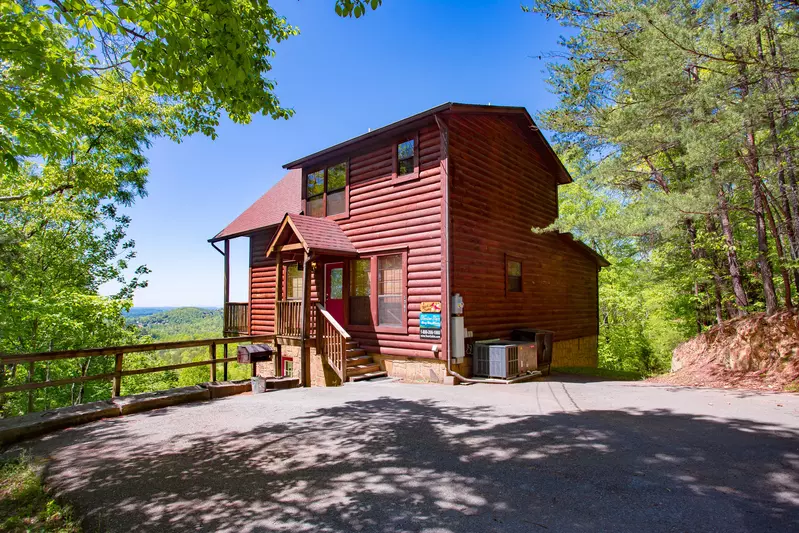
The price for everything is high! This includes the cost of going on a vacation to the Smoky Mountains. Everyone deserves to go on a vacation at an affordable price! We have many gorgeous cabins available at discounted rates throughout the year. Are you interested in learning more about our affordable Smoky Mountain cabins? Here are all the details about our cheap cabin rentals in Pigeon Forge and Gatlinburg:
Save Money in the Smokies: All The Details About Our Cheap Cabin Rentals in Pigeon Forge and GatlinburgTimberwood Grill: All the Details About This Restaurant at The Island in Pigeon Forge

<b>Timberwood Grill</b>, located in the heart of the newest Pigeon Forge attraction, brings a comforting mountain lodge atmosphere that can only be found in the Great Smoky Mountains.
Timberwood Grill: All the Details About This Restaurant at The Island in Pigeon ForgeTop 7 Things to Do in Pigeon Forge and Gatlinburg in the Summer

Summer is peak vacation season in Tennessee’s Smoky Mountains, and it’s not hard to see why! When school lets out for the year, millions of visitors flock to the cities of Pigeon Forge and Gatlinburg to enjoy their world-famous family attractions. In addition to all of the wonderful year-round fun, summer brings a number of special events and festivals to the Smokies that you definitely don’t want to miss. To help you make the most of your next getaway, Timber Tops Cabin Rentals has put together a guide to seven of the best things to do in Pigeon Forge and Gatlinburg in the summer.
Top 7 Things to Do in Pigeon Forge and Gatlinburg in the Summer4 Reasons Why Crockett’s Breakfast Camp has the Best Breakfast in Gatlinburg
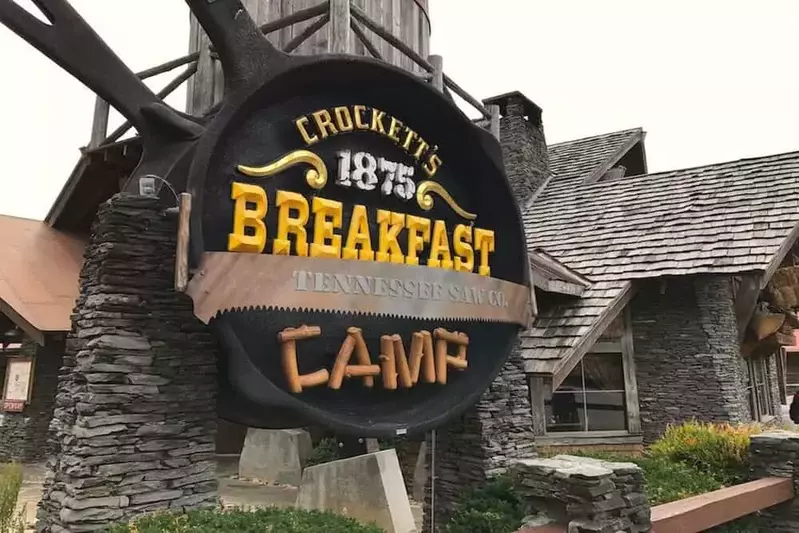
When you visit the Smokies, you have got to have a pancake breakfast at least once during your vacation! There are so many places to have a delicious breakfast in Gatlinburg but it can be hard to narrow down where to go. If you are searching for where to have the most important meal of the day, we are here to help! Crockett’s Breakfast Camp is the place to go if you want to be impressed. Here are 4 reasons why Crockett’s Breakfast Camp has the best breakfast in Gatlinburg:
4 Reasons Why Crockett’s Breakfast Camp has the Best Breakfast in GatlinburgTop 6 Indoor Attractions in Gatlinburg, TN

Don’t let a weather forecast rain on your parade! Even if the weather is hot, cold, rainy, or snowy, there are plenty of fun ways to fill your day in Gatlinburg, TN! Here’s a list of the top indoor attractions in Gatlinburg that will keep you and your family entertained all day long, no matter the weather.
Top 6 Indoor Attractions in Gatlinburg, TN5 Best Budget Friendly Cabins in Pigeon Forge
It’s time to start planning your fun Smoky Mountain vacation for your family! When you choose to stay in our <a href="/cabin-rentals/cheap-cabin-rentals/">cheap cabins in Pigeon Forge</a>, you’ll have plenty of money left to take your family to all the fun attractions and restaurants that will make vacation extra special! Take a look at 5 of our best budget friendly cabin rentals in Pigeon Forge below.
5 Best Budget Friendly Cabins in Pigeon ForgeStart Your Morning Off Right at One of the 4 Best Pigeon Forge Coffee Shops

When you’re on vacation, you’re probably trying to fit a lot of different activities into a short amount of time so you won’t miss out on a thing. To have enough energy to make it through your full itinerary, you may need a caffeine kick! Whether you’re looking to fuel up at the start of the day or re-energize with an afternoon pick-me-up, there are a number of great places to find a tasty cup of coffee in Pigeon Forge! Here’s a list of some of the best Pigeon Forge coffee shops that you won’t want to miss.
Start Your Morning Off Right at One of the 4 Best Pigeon Forge Coffee Shops7 Tips to Help You Make the Most of Your Time at Dollywood’s Splash Country
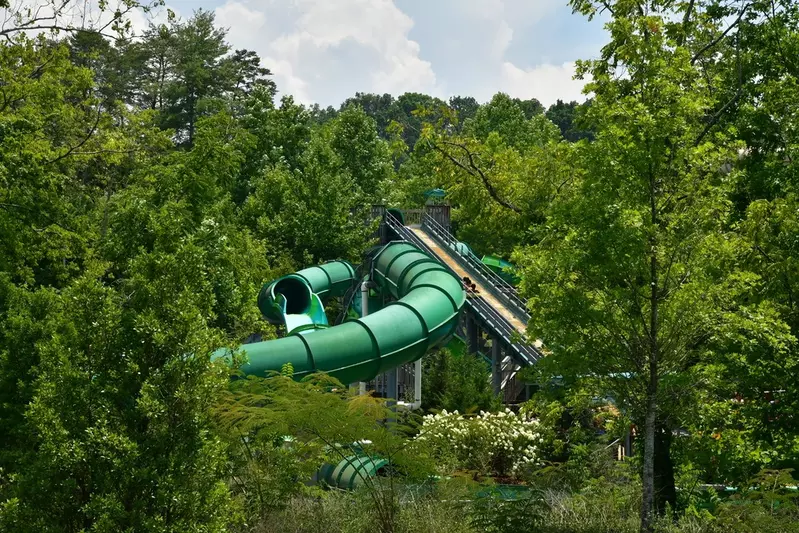
If you’re looking for a place to cool off and have some fun this summer, you can’t go wrong with a visit to Dollywood’s Splash Country! This water park has something for everyone, from high-speed slides to family rides to splash areas for little ones. Whether you’re looking for an exciting thrill or a laid-back float, you’re sure to find something to enjoy at Dollywood’s Splash Country! Follow these tips to help you make the most of your visit so you can spend less time stressing and more time having fun.
7 Tips to Help You Make the Most of Your Time at Dollywood’s Splash CountryTop Unique Buffets in Pigeon Forge and the Smoky Mountains
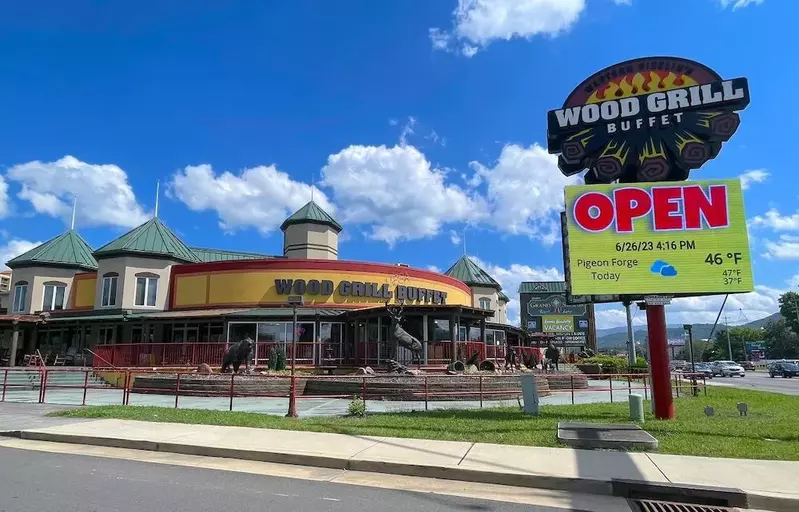
With their many offerings, buffets are the perfect solution when you are having trouble deciding what and where to eat! Because of this, buffet-style restaurants in Pigeon Forge and Gatlinburg have grown in popularity among visitors over the past few years. However, people tend to only associate a southern-inspired spread when deciding on a buffet in the Smoky Mountains. That is why we have compiled a list of the best buffets in Pigeon Forge and the Smoky Mountains that take guests on a tour around the world without even having to leave the Smokies!
Top Unique Buffets in Pigeon Forge and the Smoky Mountains11 Fun Things to Do at Anakeesta in Gatlinburg Tennessee
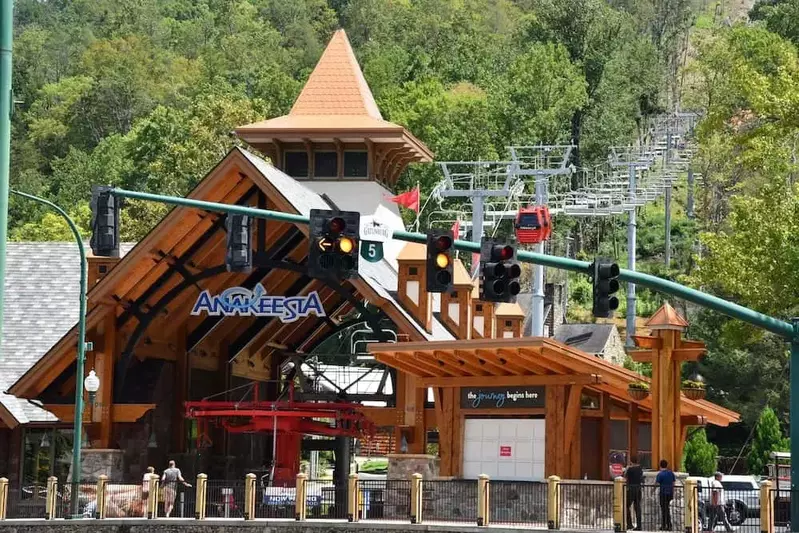
No matter what you already have planned for your vacation, you should definitely make time to check out one of the most popular Gatlinburg attractions, <a href="https://www.gatlinburgtnguide.com/coupons/anakeesta-coupons/" target="_blank">Anakeesta</a>. Anakeesta in Gatlinburg Tennessee is an outdoor adventure park that allows families to make memories together while enjoying the natural beauty of Gatlinburg and the Smoky Mountains. There is so much to see and do when you visit this popular attraction, and we want to help you learn more about it all!
11 Fun Things to Do at Anakeesta in Gatlinburg Tennessee4 of the Best Smoky Mountain Barbecue Joints You Won’t Want to Miss
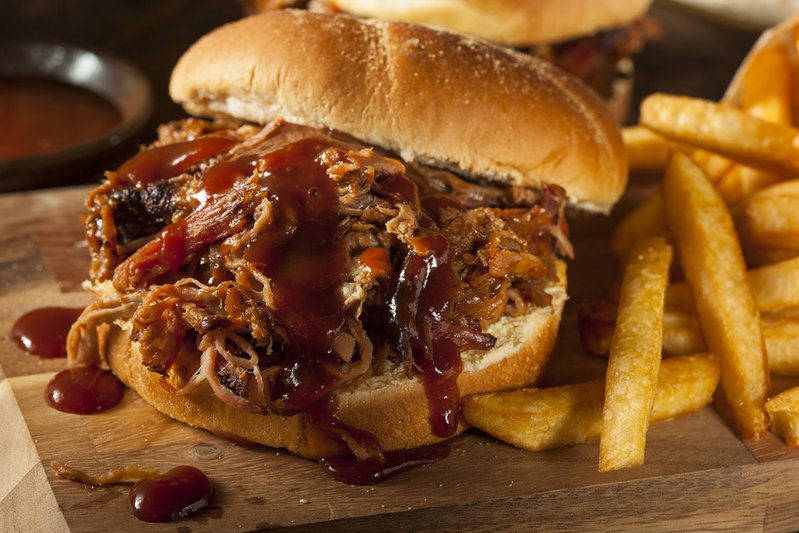
The South is known for hearty, homestyle cooking with favorites like fried chicken, casseroles, and, of course, barbecue! The Smoky Mountains area in particular is home to lots of juicy, mouthwatering barbecue options. Whether you’re looking for dry-rubbed chicken or saucy pulled pork, you’re sure to find a delicious meal that suits your tastes. Here’s a list of some of the best local Smoky Mountain barbecue joints that you’ll want to check out while you’re in town.
4 of the Best Smoky Mountain Barbecue Joints You Won’t Want to MissAll the Info About Blake Shelton’s Restaurant in the Smokies: Ole Red Gatlinburg
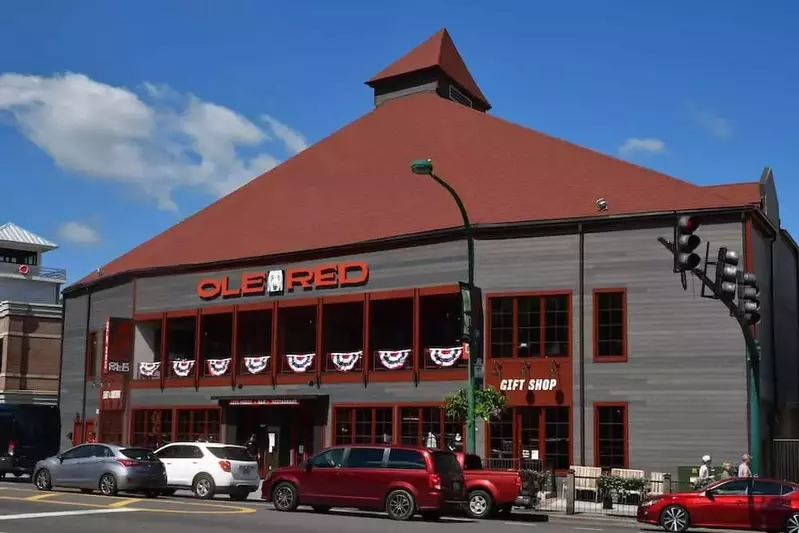
In March of 2019, Blake Shelton opened a new restaurant and entertainment venue right here in Gatlinburg TN! Known as Ole Red, this spot will be the third location for Shelton’s growing restaurant chain. In the official press release for the announcement of Ole Red Gatlinburg, Shelton said, “Gatlinburg is one of my all-time favorite places. This part of the country is full of people who love good food, great music, family, and most importantly, a good time. That’s what Ole Red is all about, and I can’t wait to give my fans another place to have fun in Gatlinburg.” Read on to learn everything we know about Ole Red in Gatlinburg TN.
All the Info About Blake Shelton’s Restaurant in the Smokies: Ole Red GatlinburgYour Guide to the Most Popular Car Shows in Pigeon Forge TN

Every year, the city of Pigeon Forge, Tennessee hosts some of the biggest car shows in the nation! Attracting thousands of visitors, these annual shows are can’t-miss events for anyone who loves (or owns) classic cars. When you visit the Smokies during one of the car shows, you will have the chance to see thousands of beautifully maintained hot rods cruising down the Parkway. To help you make the most of your next vacation, Timber Tops Cabin Rentals has put together a guide to all of the car shows in Pigeon Forge TN.
Your Guide to the Most Popular Car Shows in Pigeon Forge TNWhy We Have the Best Tennessee Cabins With Indoor Pools
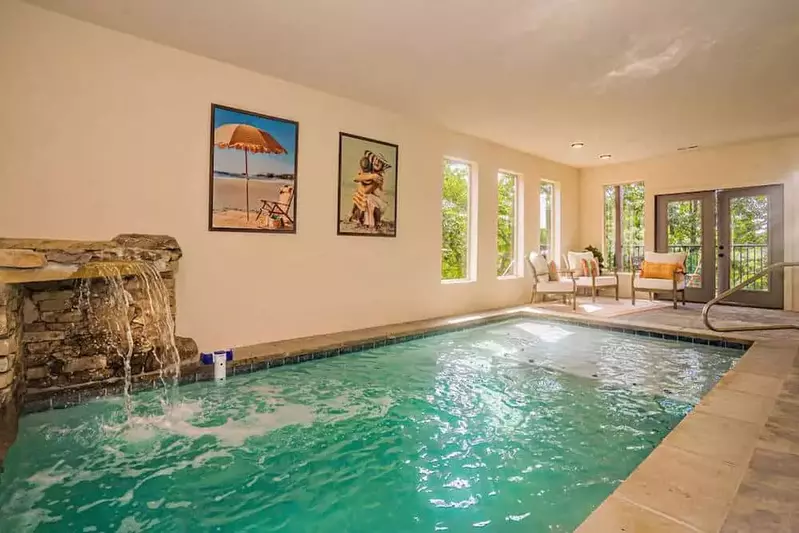
When you go on vacation you want to enjoy the very best with all your closest companions! When it comes to staying in the Smoky Mountains, nothing beats our cabins with indoor pools in Tennessee! Your own private space to enjoy the water sure beats sharing with a crowded group of guests at a hotel! Here are 5 reasons why we have the best Tennessee cabins with indoor pools:
Why We Have the Best Tennessee Cabins With Indoor Pools5 Fun Things to Do at Ripley’s Aquarium of the Smokies

Are you looking for fun things to do in the Smokies? One of the most beloved attractions in Gatlinburg is Ripley’s Aquarium of the Smokies! This must-see attraction has all sorts of cool things to see and do, providing hours of educational fun for guests of all ages. Keep reading to learn more about five of the exciting activities you’ll enjoy at Ripley’s Aquarium of the Smokies:
5 Fun Things to Do at Ripley’s Aquarium of the SmokiesTop 4 Romantic Restaurants in Pigeon Forge for Your Date Night
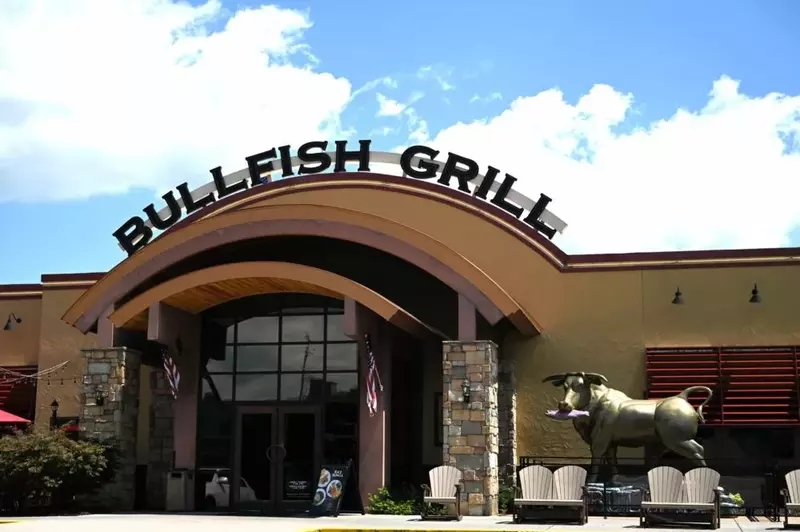
Are you planning a romantic getaway to the Smoky Mountains? There’s no better place to spend time as a couple, with so many fun things to do and see together! While you’re in town, you’ll want to go out on a romantic date night for a nice meal at a romantic restaurant. Here’s a list of some of the best romantic restaurants in Pigeon Forge that are perfect for your date night!
Top 4 Romantic Restaurants in Pigeon Forge for Your Date Night5 New Things to Do in Pigeon Forge in 2024

There’s always something new to do in the Smoky Mountains! Now that it’s officially 2024, it’s time to take a look at all the new things to do in Pigeon Forge that are scheduled to open this year. Keep reading to find out more about the brand-new attractions and experiences that you can look forward to in the new year!
5 New Things to Do in Pigeon Forge in 2024Top 12 Things to Do in Gatlinburg and Pigeon Forge TN with Kids
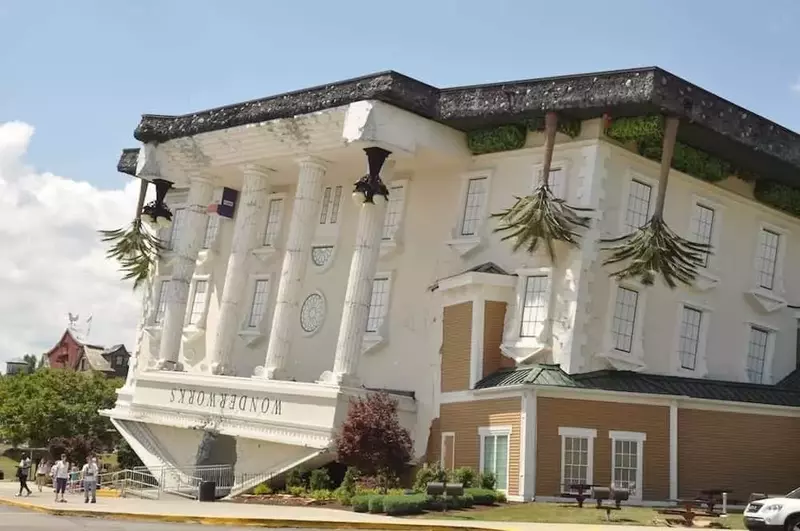
The Smoky Mountains are a top destination for family vacations! Part of the reason for that is all the amazing family-friendly attractions in the area. The little ones especially will have a great time on kid-friendly rides and exploring attractions that are geared more toward kids. There are so many fun things to do in Pigeon Forge with kids, and Gatlinburg too! To help you guarantee your kids have an amazing time on vacation, we’ve come up with the top 12 things to do in Gatlinburg and Pigeon Forge TN with kids.
Top 12 Things to Do in Gatlinburg and Pigeon Forge TN with KidsThe Village: Top 10 Most Unique Shops in Gatlinburg
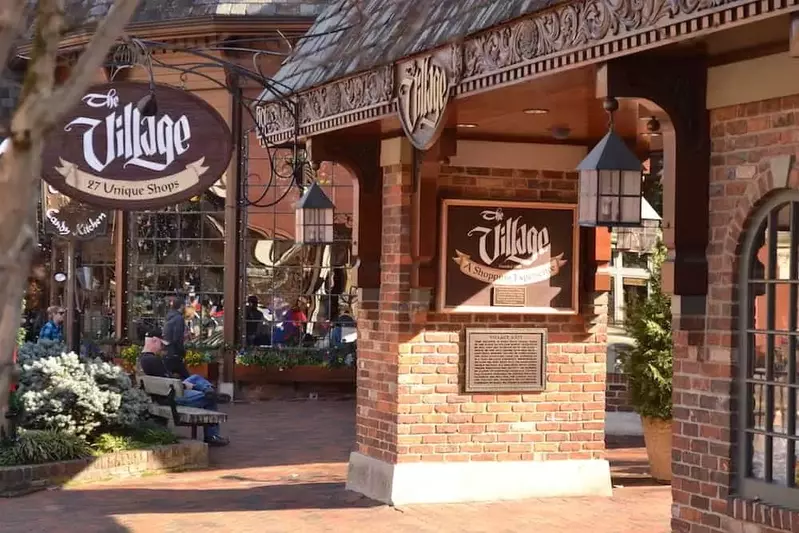
Gatlinburg visitors can’t pass by <a href="/blog/shopping-guide-village-gatlinburg-tn/">The Village</a> without stopping to experience the one-of-a-kind atmosphere! Designed in an old European style, this cluster of 27 charming shops and eateries is quaint and guaranteed to provide an unforgettable shopping experience. Along the shady walkways, you’ll find unusual and unique items that can’t be found anywhere else! These local gems make it easy to find the perfect gift or souvenir to commemorate a wonderful vacation! Here are a few of the most unique shops in Gatlinburg you’ll want to see for yourself:
The Village: Top 10 Most Unique Shops in Gatlinburg3 Tips for Planning the Perfect Smoky Mountain Honeymoon Weekend
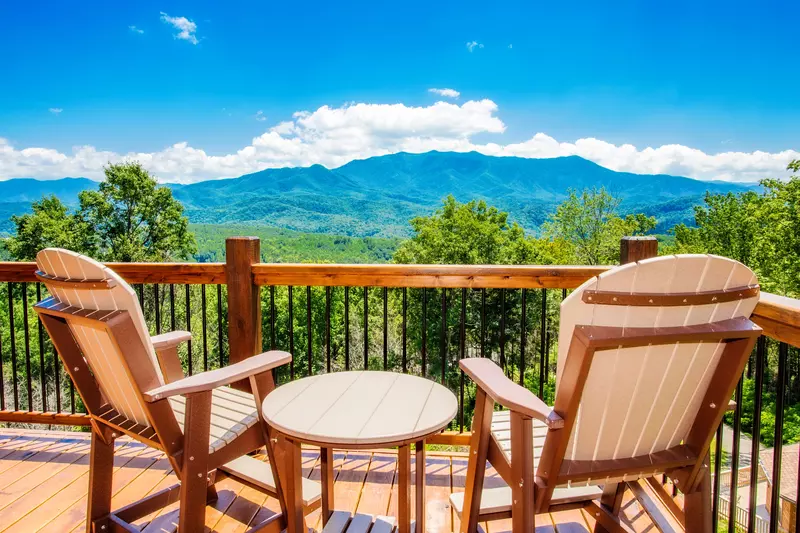
Let’s be honest, we don’t all have the time to take lavish week-long honeymoons after walking down the aisle. But just because you and your newlywed only have a few days to spare doesn’t mean that your first vacation as husband and wife has to be anything less than romantic and spectacular. To help weekend honeymooners that plan on visiting the area, we at Timber Tops Cabin Rentals have put together a list of 3 tips for planning the perfect Smoky Mountain honeymoon weekend:
3 Tips for Planning the Perfect Smoky Mountain Honeymoon Weekend3 Gatlinburg Winter Activities You Have to Try

Family fun, mind blowing attractions and a winter wonderland all sound amazing, but what you won’t expect is to find a place that has all three of those things together. Well surprisingly, there is such a place for you and your family to visit this winter. Gatlinburg, Tennessee combines all of those amazing things into one great location that you will definitely want to check out this winter.
3 Gatlinburg Winter Activities You Have to TryStay Cozy at a Cabin with a Fireplace This Winter: Top 5 Cabins with Fireplaces
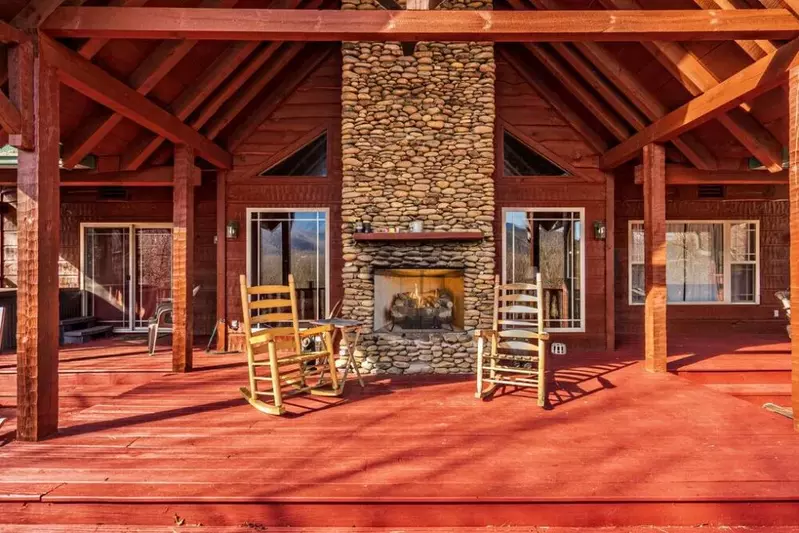
Are you planning a winter vacation in the Smoky Mountains? Winter can get pretty chilly here, so you want to make sure you stay somewhere that offers ways to keep warm. One of the best ways to stay warm in the winter is sitting around a fireplace. That’s why you’ll love staying in a comfortable cabin with a fireplace to keep you warm and cozy. Here are five of the best Smoky Mountain cabins with fireplaces.
Stay Cozy at a Cabin with a Fireplace This Winter: Top 5 Cabins with FireplacesLearn All About Winterfest in Gatlinburg TN
The Smoky Mountains have hosted the Winterfest event for over 30 years, and travelers come from all over the world to celebrate this special occasion. Most of the town’s local businesses join in the festivities, and it’s a great place to start or end your holiday season! Keep reading to learn everything you need to know about Winterfest in Gatlinburg TN:
Learn All About Winterfest in Gatlinburg TN4 Reasons to Visit Dollywood’s Smoky Mountain Christmas

Dollywood’s Smoky Mountain Christmas is a favorite holiday event for many visitors to the Smoky Mountains area. Each year, Dollywood is transformed into a winter wonderland filled with the sights and sounds of the holiday season. This is a great way to get in the holiday spirit and grow closer with your loved ones as you explore this festive event. Here are four reasons why your family will love visiting <a href="https://www.dollywood.com/themepark/Festivals/Smoky-Mountain-Christmas" target="_blank">Dollywood’s Smoky Mountain Christmas</a> this year.
4 Reasons to Visit Dollywood’s Smoky Mountain ChristmasWinterfest in Pigeon Forge Brings Winter Magic to the Smokies

It’s that time of year again! With Christmas just around the corner, there is no better place to be this winter than in the Smoky Mountains. To help celebrate the changing of the seasons every year, the city of Pigeon Forge hosts their annual winter event called Winterfest! This event brings sparkling lights to the cities surrounding the Smoky Mountains, as well as plenty of other holiday specialities you won’t want to miss. Learn more about Winterfest in Pigeon Forge below:
Winterfest in Pigeon Forge Brings Winter Magic to the Smokies5 Best Places to Propose in Gatlinburg and Pigeon Forge
Have you found the love of your life and want to ask them to marry you? There are so many beautiful places in the Smoky Mountains area that would make the perfect backdrop as you pop the question! Here’s a list of some of the best places to propose in Gatlinburg and Pigeon Forge for a beautiful and memorable proposal.
5 Best Places to Propose in Gatlinburg and Pigeon ForgeTop 5 Places to Play Indoor Mini Golf in Pigeon Forge and Gatlinburg
There are so many fun things to do in Pigeon Forge and Gatlinburg during your Smoky Mountain vacation. If you’re looking for some family-friendly fun, mini golf is a great activity for all ages! There are a lot of exciting places to play indoor mini golf in Pigeon Forge and Gatlinburg so you can enjoy this fun activity no matter the season and without worrying about the weather! Here are some of the best indoor mini golf courses in the area:
Top 5 Places to Play Indoor Mini Golf in Pigeon Forge and GatlinburgTop 5 Must-See Dinner Shows in Pigeon Forge TN

Pigeon Forge is home to some of the best entertainment for miles around! Make your experience truly unique with a meal at one of the fabulous dinner theaters in the area. Whether you’re in the mood for some comedy or amazing live music, you’ll find it all here. Here are 4 of the best dinner shows in Pigeon Forge TN that you just have to see.
Top 5 Must-See Dinner Shows in Pigeon Forge TNGet the Scoop on the 5 Best Gatlinburg Ice Cream Shops

On a hot day, nothing hits the spot like ice cream. If you feel the need for a cold, creamy ice cream while you’re walking through Gatlinburg, you’re in luck! There are plenty of great places to find this sweet treat in Gatlinburg. Here’s a list of some of the best Gatlinburg ice cream shops that can satisfy your sweet tooth.
Get the Scoop on the 5 Best Gatlinburg Ice Cream Shops4 Things to Do in the Smoky Mountains This Fall
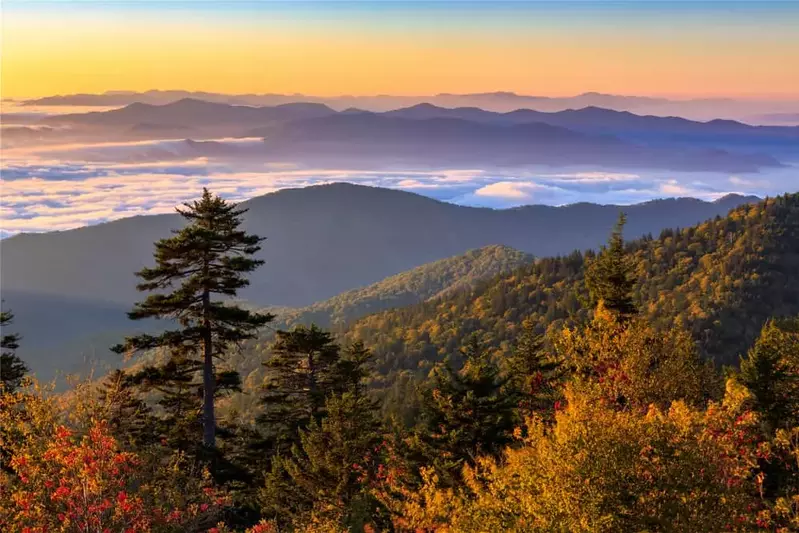
Fall has come to the Great Smoky Mountains and the area’s Premier Cabin Rental Company, Timber Tops, has decided to share the best ways to enjoy the beautiful fall colors and breathe the fresh autumn air. The following is a list of <a href="/blog/things-to-do-smoky-mountains-fall/">things to do in the Smoky Mountains in the fall</a> that are sure to please the entire family:
4 Things to Do in the Smoky Mountains This Fall7 Awesome Distilleries in Pigeon Forge and the Smoky Mountains
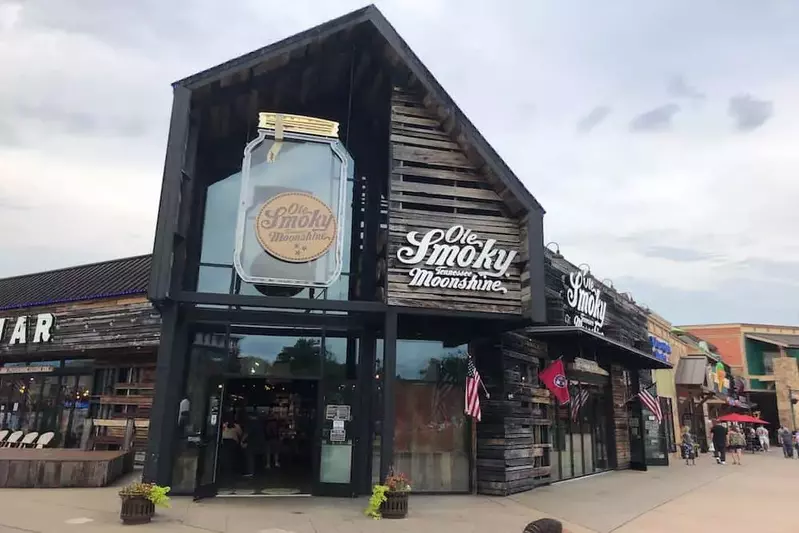
The Smoky Mountains are world famous for their moonshine! Moonshine is unaged corn whiskey that was traditionally made by the light of the moon. It was originally distilled at night in order to avoid attention from the authorities. In 2009, a change in state law brought moonshine out of the shadows and allowed a number of distilleries to open in East Tennessee. Now, you can taste the best moonshine in Pigeon Forge and the Smoky Mountains when you visit. Here are 7 distilleries in Pigeon Forge and the Smoky Mountains:
7 Awesome Distilleries in Pigeon Forge and the Smoky MountainsEverything You Need to Know About the Ripley’s Attractions in Gatlinburg and Pigeon Forge
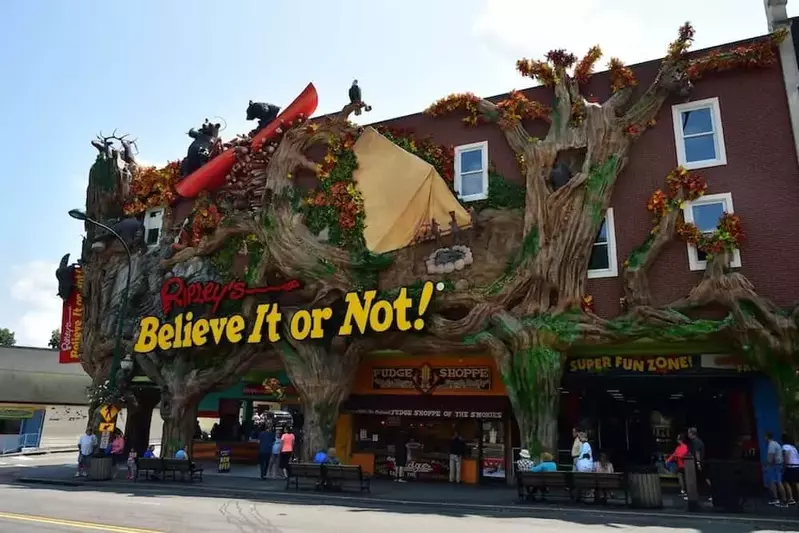
There are so many<a href="/blog/things-to-do-in-gatlinburg-and-pigeon-forge-with-kids/"> great attractions for families</a> to visit during your Smoky Mountain vacation. Some of the best attractions are the Ripley’s attractions in Gatlinburg and Pigeon Forge. There are quite a few different Ripley’s attractions nearby, and it can be difficult to keep them all straight and know which ones you want to visit. That’s why we’ve put together this guide to tell you everything you need to know about each Ripley’s attraction so you can choose which ones to add to your vacation to-do list.
Everything You Need to Know About the Ripley’s Attractions in Gatlinburg and Pigeon Forge4 of Our Best Honeymoon Cabins in Gatlinburg and Pigeon Forge

One of the most important parts of all your wedding planning is deciding where you should have your honeymoon. At Timber Tops Cabin Rentals, we make that decision easy for you. The Smoky Mountains is the perfect honeymoon destination, with countless romantic activities and adventures. With incredible amenities and gorgeous views, we have the best cabins in Gatlinburg TN and Pigeon Forge TN that add an extra level of romance to your trip. Here are 4 of our best honeymoon cabins in Gatlinburg and Pigeon Forge:
4 of Our Best Honeymoon Cabins in Gatlinburg and Pigeon ForgeEverything You Need to Know About Ziplining in the Smoky Mountains
Are you looking to add some excitement to your summer vacation bucket list? Ziplining is a surefire way to kick your vacation into high gear! With some of the most scenic views and longest courses in the country, the Smokies are a paradise for anyone looking for some high-flying fun. Everyone should experience this thrilling outdoor activity at least once, so keep reading to find out everything you need to know about ziplining in the Smoky Mountains before your next adventure!
Everything You Need to Know About Ziplining in the Smoky MountainsUnique Restaurants in Sevierville TN for Every Meal
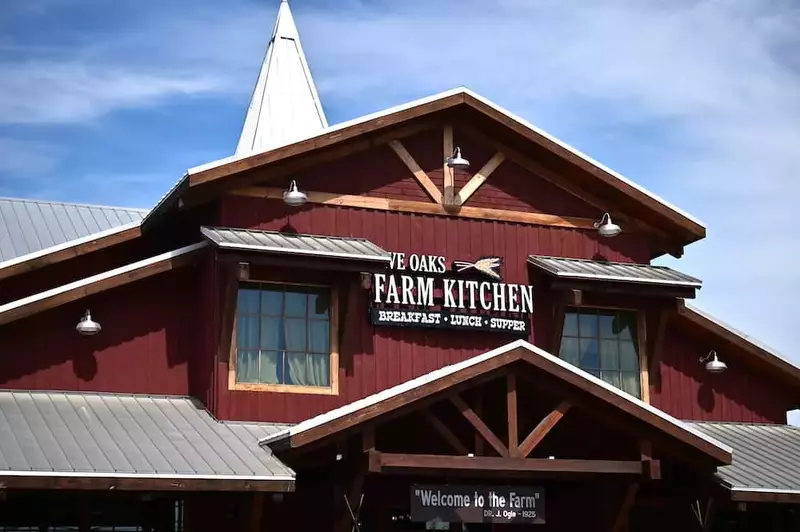
Are all the dining options available in the Smoky Mountains overwhelming to you? Then let us decide where you eat for a day! We’ve picked some of the best restaurants in Sevierville TN and created a menu for breakfast, lunch, and dinner (plus a couple of extras). Keep reading for our top recommendations!
Unique Restaurants in Sevierville TN for Every Meal4 of the Best Free Things to Do in Gatlinburg
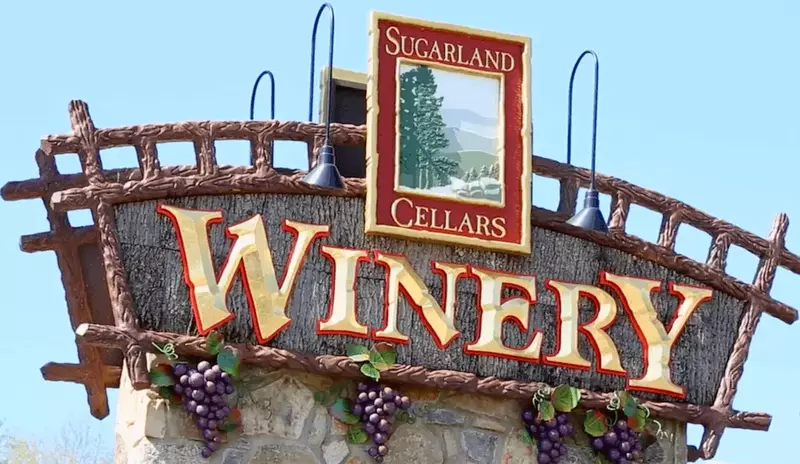
Taking a vacation in Gatlinburg, TN doesn’t have to be expensive. In fact, there are a number of excellent activities in the area that don’t cost a cent! To help you make the most of your getaway, we’ve put together a guide to 4 of the best free things to do in Gatlinburg:
4 of the Best Free Things to Do in GatlinburgYour Ultimate Guide to The Mountain Mile in Pigeon Forge

If you haven’t been to <a href="https://www.mountainmilepigeonforge.com/" target="_blank">The Mountain Mile in Pigeon Forge </a> yet, you definitely need to visit the next time you’re in town! This entertainment complex has brought new shops, new restaurants, and new entertainment to Pigeon Forge. There are even unique thrill rides for those brave enough to try! To help you learn what to expect when you visit, we’ve created your ultimate guide to the Mountain Mile in Pigeon Forge.
Your Ultimate Guide to The Mountain Mile in Pigeon ForgeThe Ultimate Great Smoky Mountains National Park Bucket List
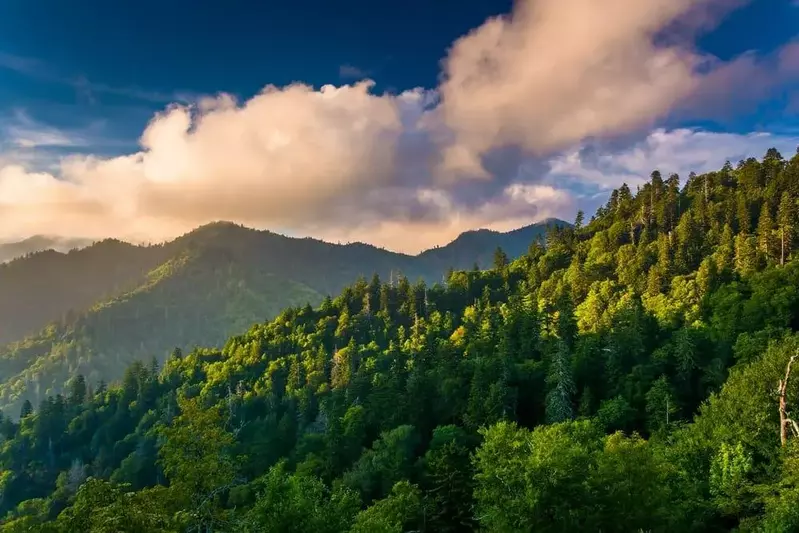
Planning a family vacation to the Smokies and overwhelmed at knowing what to do? From hiking trails to overlooks for the best views, here’s the ultimate Great Smoky Mountains National Park bucket list:
The Ultimate Great Smoky Mountains National Park Bucket List7 Unique Restaurants in Gatlinburg TN and Pigeon Forge TN
You certainly won’t go hungry during your vacation to the Smoky Mountains! There are so many delicious places to eat in Pigeon Forge TN and Gatlinburg TN. The cities are overflowing with wonderful restaurants that can accommodate virtually any taste and budget. To help you make the most of your getaway, we have put together a guide to some of the best places to eat in Gatlinburg and Pigeon Forge. Here are the top 7 unique restaurants in Gatlinburg TN and Pigeon Forge TN:
7 Unique Restaurants in Gatlinburg TN and Pigeon Forge TN4 Advantages of Staying in Our Cabins With Mountain Views
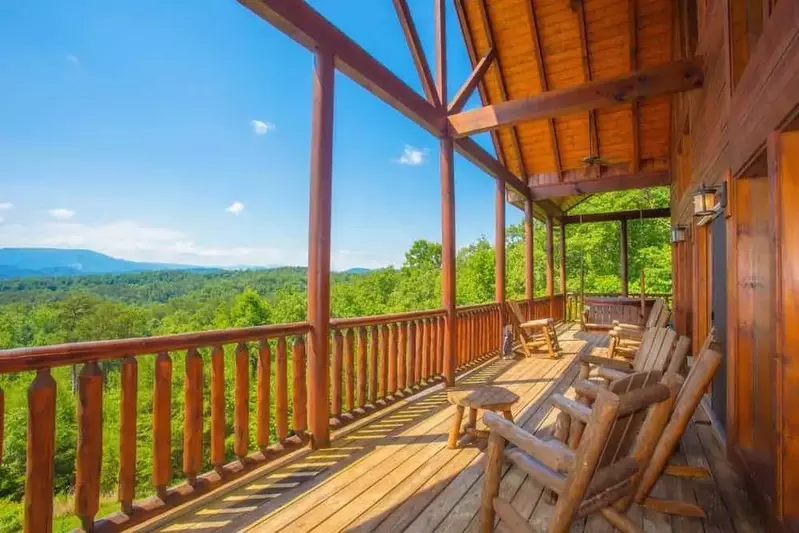
There is no denying that one of the biggest draws of vacationing in the Smoky Mountains is getting to enjoy the natural scenery of the area. Therefore, why should you only get to soak in the view if you are out exploring? The good news is that we have cabin properties that offer spectacular decks where you can spend every second of your trip enjoying the sights and sounds of nature! Here are 4 advantages of staying in our cabins with mountain views:
4 Advantages of Staying in Our Cabins With Mountain Views4 Questions We Commonly Get Asked About Our Cabins in the Smokies
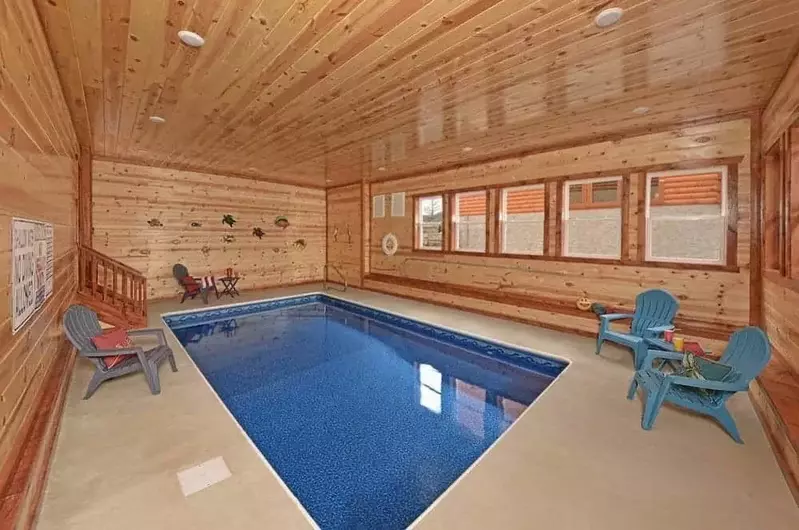
Finding the perfect rental option in the Smokies can be challenging, but our vacation rental service makes it a breeze! We offer luxurious cabins all throughout the Smoky Mountains, including in both Pigeon Forge and Gatlinburg. Our properties also come with access to all sorts of marvelous amenities, which can take your vacation to the next level. As you begin to plan your trip, we are happy to answer any questions you have about our properties. To start off, here are 4 common questions we get asked about our cabins in the Smokies:
4 Questions We Commonly Get Asked About Our Cabins in the Smokies6 Fun Things to Do in Pigeon Forge and Gatlinburg at Night

There is certainly no shortage of fun things to do in Pigeon Forge and Gatlinburg at night! After the sun sets, our Smoky Mountain cities come alive with the perfect mix of traditional Pigeon Forge and Gatlinburg nightlife and family-friendly activities. To help you make the most of your next vacation, we have put together a convenient guide to some of our favorite nighttime activities in the Smokies. Here are 6 fun things to do in Pigeon Forge and Gatlinburg at night:
6 Fun Things to Do in Pigeon Forge and Gatlinburg at NightTop 4 Places to Play Mini Golf in Pigeon Forge With Your Family

There are so many wonderful activities in the Smoky Mountains for families. From go-karts to mountain coasters, you can find all sorts of attractions that everyone in your group will love. For a truly magical experience, pick up a club to see who is the putt-putt champion in your family. Here are 4 of the best places to play mini golf in Pigeon Forge with your family:
Top 4 Places to Play Mini Golf in Pigeon Forge With Your Family4 Reasons You’ll Love Our Pigeon Forge Cabins
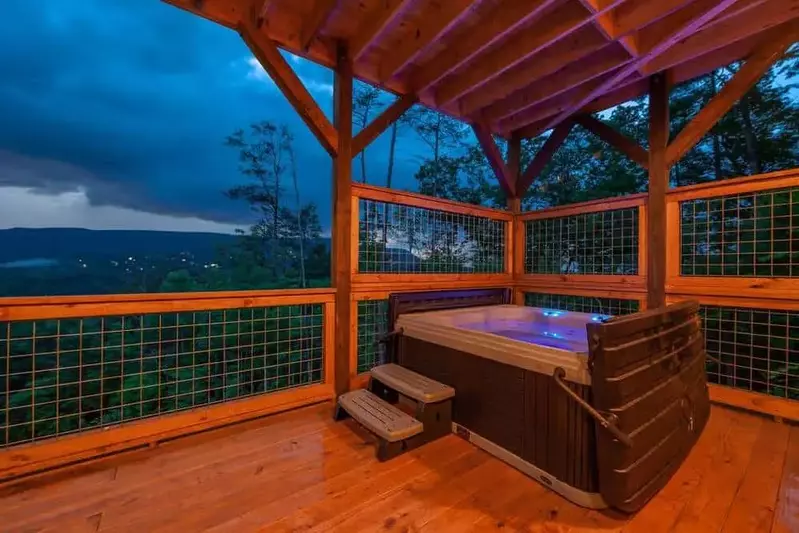
If you are looking for a unique lodging option in the Smoky Mountains you’ve come to the right place! Our affordable cabins in the Smoky Mountains come loaded with amenities and will have you in vacation mode in no time. Are you wondering why guests love our cabins and what makes them stand out? Here are 4 reasons you’ll love our Pigeon Forge cabins:
4 Reasons You’ll Love Our Pigeon Forge CabinsA Shopper’s Paradise: Guide to the Village in Gatlinburg TN
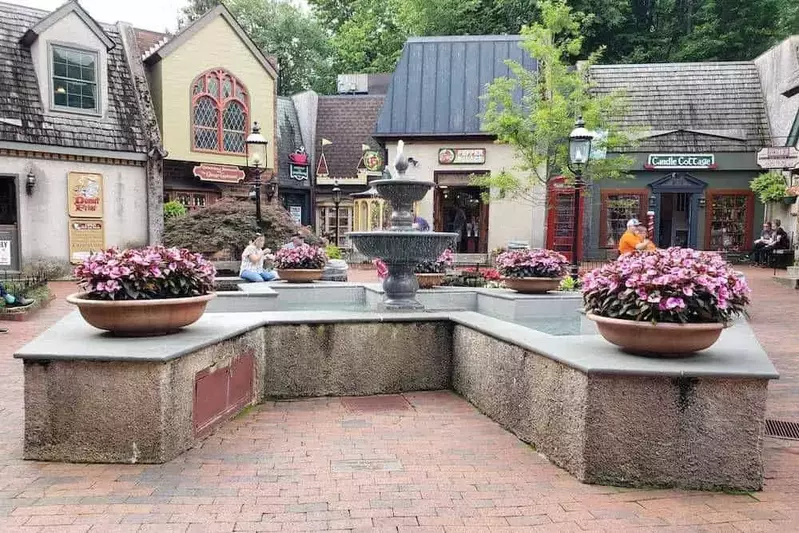
If you are looking for the perfect Smoky Mountain souvenir, Gatlinburg is the place for you! There are a ton of unique shops all along the Parkway that have everything you may be looking for, including apparel, toys, stuffed animals, home decor, and much more. In addition, there is a special shopping spot that is designed to resemble an old European town! Here is your guide to The Village in Gatlinburg TN:
A Shopper’s Paradise: Guide to the Village in Gatlinburg TN4 Ways Our 5 Bedroom Cabins in Gatlinburg Save You Money
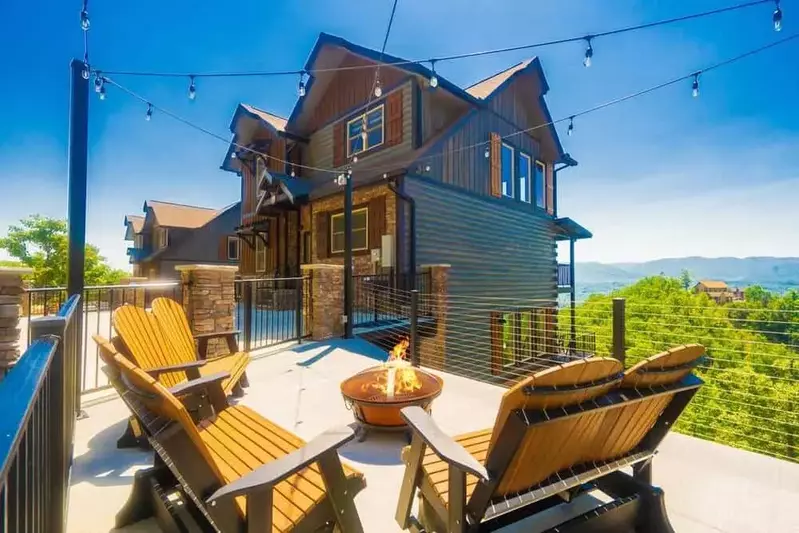
Are you planning a trip to the Smokies soon and are considering renting a cabin? Our cabins in the Smoky Mountains are not only luxurious but affordable! If you are looking for a large cabin for your family or group, our 5 bedroom cabins in Gatlinburg are a great choice! They not only can sleep up to 20 guests but have everything you need for entertainment as well! Interested in learning more about our cabins and how much you can save? Here are 4 ways our 5 bedroom cabins in Gatlinburg save you money:
4 Ways Our 5 Bedroom Cabins in Gatlinburg Save You MoneyGuide to the Best Local Restaurants in the Smoky Mountains
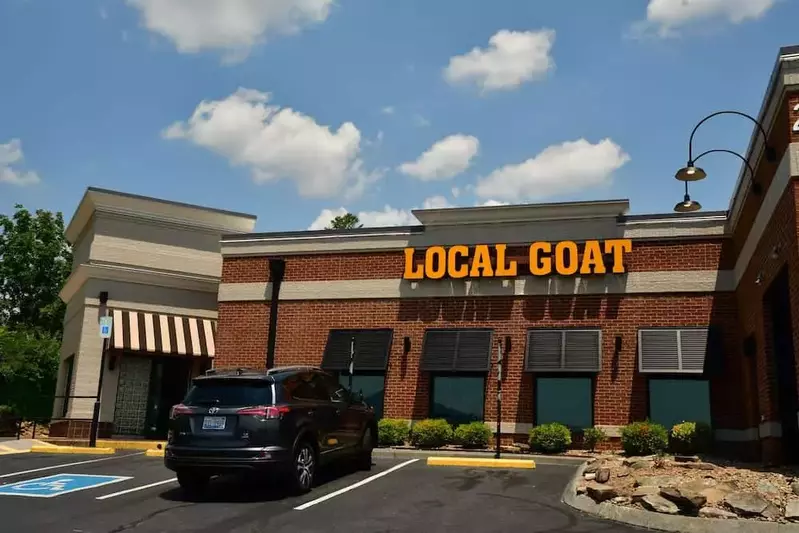
One of the best things about going on vacation is getting to sample some of the area’s local cuisine. While you are in the Smokies, you can enjoy all sorts of amazing food, including BBQ, country cooking, and even seafood! As you explore the numerous restaurants in the area, you will notice that there is plenty of family-owned places that have been serving the community for decades, and you’ll probably hear about some of the most <a href="/blog/famous-restaurants-in-gatlinburg-and-smoky-mountains/">famous restaurants in the Smokies</a> as well! Here is your guide to the best local restaurants in the Smoky Mountains:
Guide to the Best Local Restaurants in the Smoky Mountains3 Reasons to Go Snow Tubing in Gatlinburg and the Smoky Mountains

If you’ve been dreaming about having fun in the snow, then we’ve got the perfect activity for you! Head to the Smoky Mountains for a fun afternoon of snow tubing in and near Gatlinburg. Snow tubing is an exciting adventure for everyone from kids to adults. Here are 3 reasons to go snow tubing in Gatlinburg and the Smoky Mountains:
3 Reasons to Go Snow Tubing in Gatlinburg and the Smoky Mountains4 New Things to Do in the Smoky Mountains in 2023
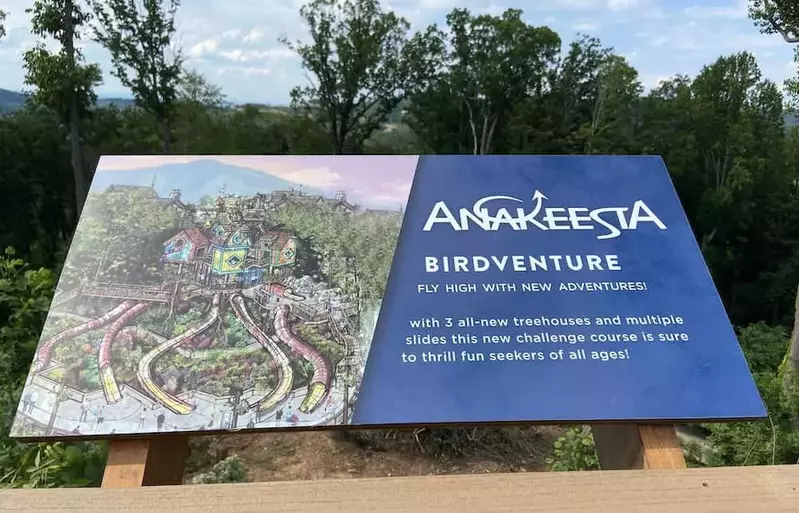
One of the best things about vacationing in the Smoky Mountains is that there are always new things to explore. Between new restaurants and attractions, each trip is a chance for you to experience once-in-a-lifetime fun and entertainment. As the calendar turns over to a new year, the area has announced this year’s exciting lineup of additions. Here are 4 new things to do in the Smoky Mountains in 2023:
4 New Things to Do in the Smoky Mountains in 20236 Unique Things to Do in Pigeon Forge TN and the Smoky Mountains
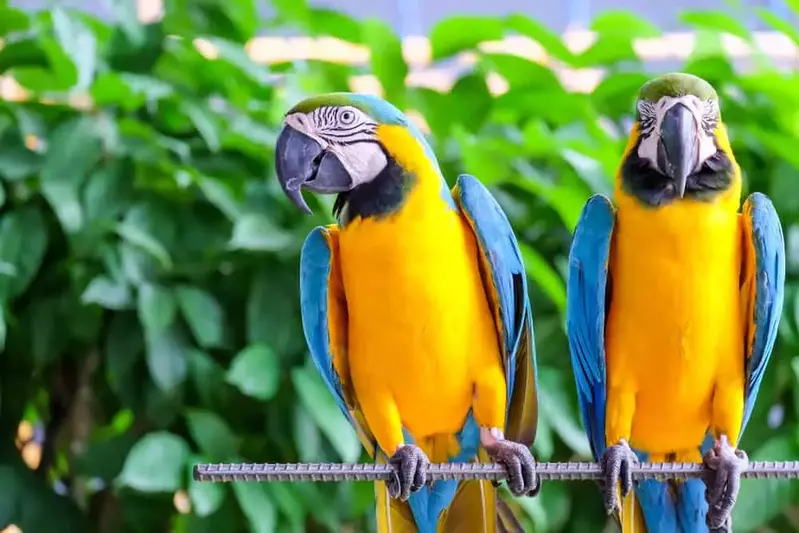
Each year, over 11 million people visit Pigeon Forge, TN and the Great Smoky Mountains! Offering breathtaking natural beauty and a host of wonderful family-friendly attractions, it’s easy to see why Pigeon Forge is one of the most popular vacation destinations in America. In addition to famous attractions like the Great Smoky Mountains National Park, the Dollywood theme park, and Ripley’s Aquarium of the Smokies, there are a number of lesser-known (but equally exciting) things to do in the area. To help you make the most of your next getaway, check out these 6 unique things to do in Pigeon Forge TN and the Smoky Mountains.
6 Unique Things to Do in Pigeon Forge TN and the Smoky Mountains5 Things You Didn’t Know About Our Luxury Cabins in Gatlinburg TN
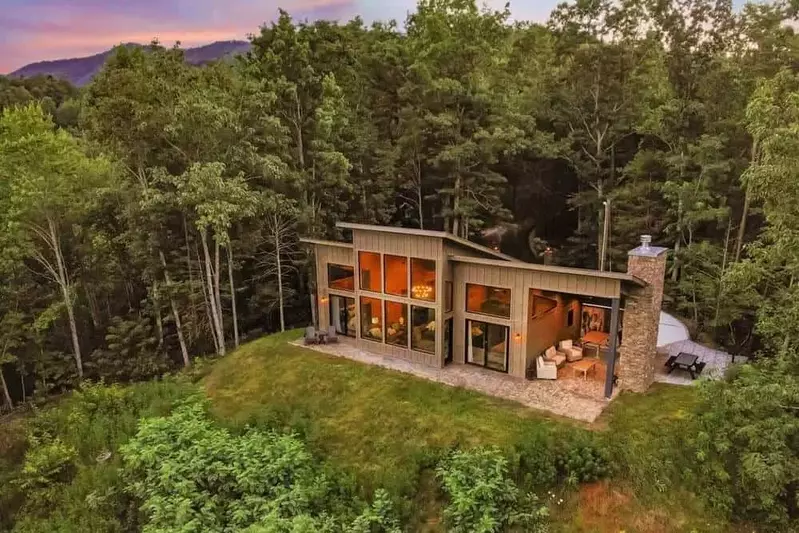
Staying at a cabin in the Smokies is an unforgettable experience! Our cabins are equipped with unique amenities that guests love! Are you planning a trip to the Smoky Mountains and want to learn about our cabins? Here are 5 things you didn’t know about our luxury cabins in Gatlinburg TN:
5 Things You Didn’t Know About Our Luxury Cabins in Gatlinburg TN4 Affordable Restaurants in Pigeon Forge You Don’t Want to Miss
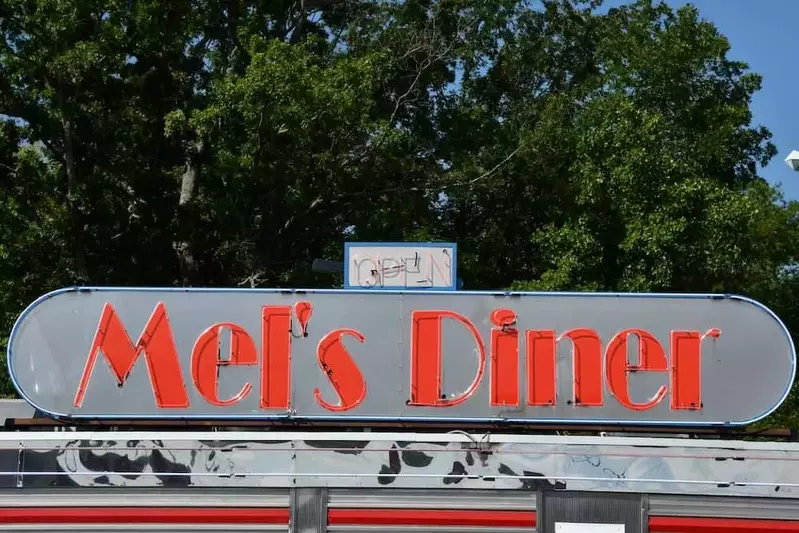
If you are looking to save money during your next trip to the Smoky Mountains, there are plenty of ways to accomplish your goal. While there is an abundance of high-end restaurants that offer incredible cuisine, there are also several places that are both delicious and easy on the budget. Here are 4 affordable restaurants in Pigeon Forge that you don’t want to miss:
4 Affordable Restaurants in Pigeon Forge You Don’t Want to Miss5 Reasons to Stay in Our 5 Bedroom Cabins in Gatlinburg
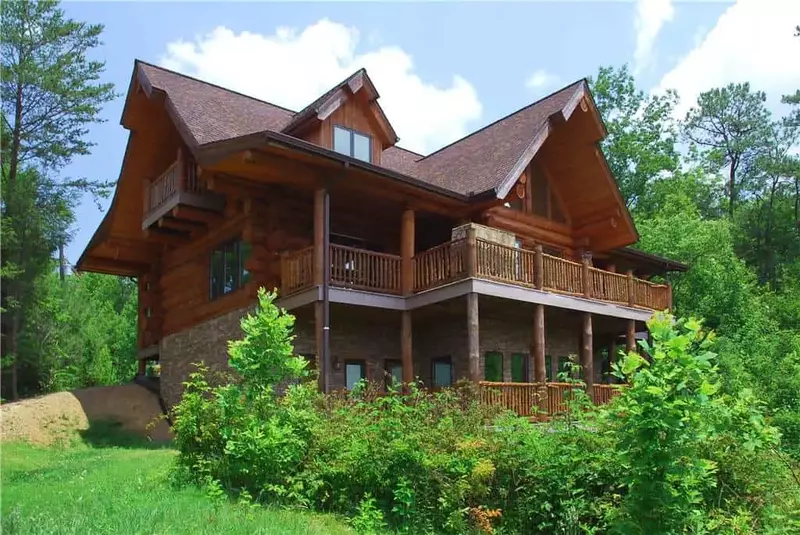
If you’re planning a large group trip to Gatlinburg, we’ve got you covered on the perfect place to stay! You’ll be able to have an amazing vacation in the heart of the Smoky Mountains surrounded by all your friends and family when you stay in our 5 bedroom cabins. Not only can these cabins sleep up to 20 guests at a time, but they are completely affordable! We’ll give you one reason why you should stay in our cabins for every bedroom that is in them! Here are 5 reasons to stay in our 5 bedroom cabins in Gatlinburg:
5 Reasons to Stay in Our 5 Bedroom Cabins in Gatlinburg4 Gatlinburg TN Attractions That Are Ideal for Large Groups

Whether you are in town for a family reunion or a trip with friends, there is something for everyone in the Smoky Mountains. As you explore the city of Gatlinburg, you will find a ton of attractions that are great for groups of all ages. From fascinating museums to one of the country’s most highly-rated aquariums, you will stay entertained for the duration of your trip. Here are 4 Gatlinburg TN attractions that are ideal for large groups:
4 Gatlinburg TN Attractions That Are Ideal for Large Groups4 Restaurants in the Smoky Mountains Located Off the Beaten Path
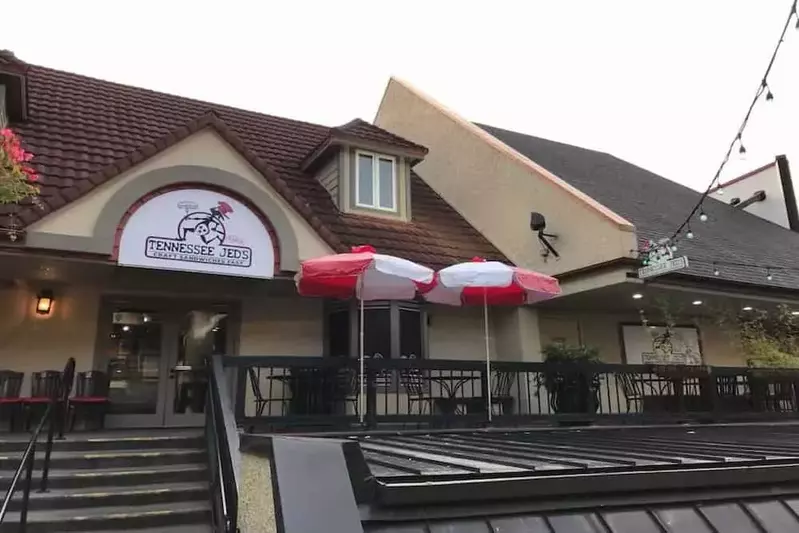
When you vacation in the Smoky Mountains, one thing you can be sure of is that you will find a ton of delicious places to eat. From country cooking to Italian cuisine, there is something for everyone in Pigeon Forge and Gatlinburg. While you will want to visit some of the most popular places or <a href="/blog/famous-restaurants-in-gatlinburg-and-smoky-mountains/">famous Smoky Mountain restaurants</a>, there are also a few hidden gems to try as well. Here are 4 restaurants in the Smoky Mountains that are located off the beaten path:
4 Restaurants in the Smoky Mountains Located Off the Beaten Path5 Perks of Staying in Gatlinburg Cabins With a Hot Tub
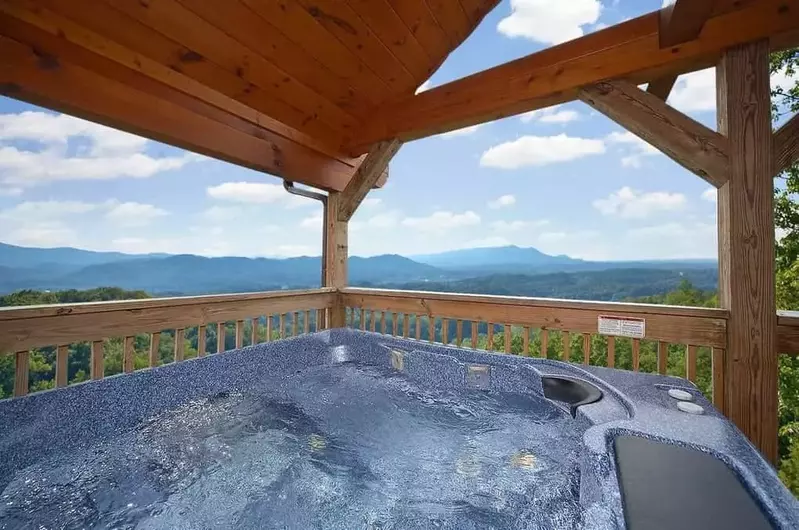
A vacation in a Gatlinburg cabin is always fun, and there are so many different cabins with amenities to choose from. However, Gatlinburg cabins with a hot tub are one of the best options you will find when looking for a place to reserve for your stay. Here are the top 5 perks of staying in one of our Gatlinburg cabins with a hot tub:
5 Perks of Staying in Gatlinburg Cabins With a Hot Tub4 Ways Our Signature Series Cabin Rentals in the Smoky Mountains Are Unique
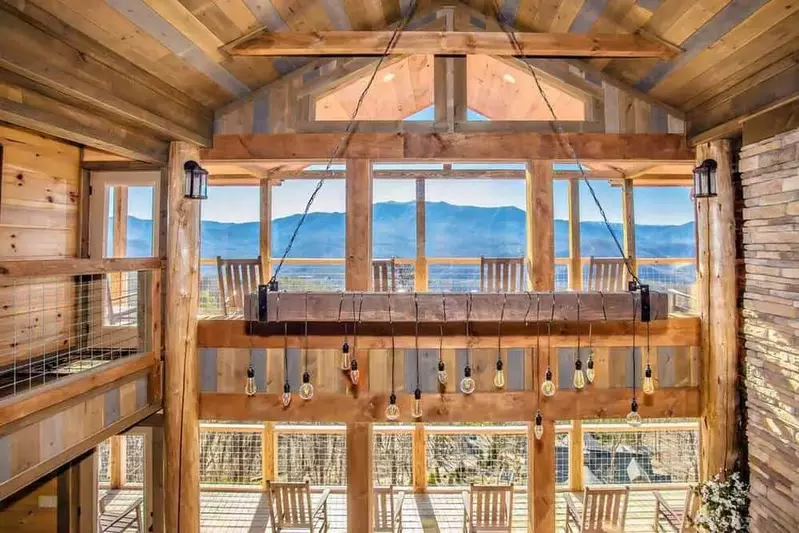
With so many different cabin options out there, it may become overwhelming trying to figure out what cabin would be best for you! Our Signature Series cabins are gorgeous and are loaded with amenities sure to keep your family and friends entertained all vacation long! Here are 4 ways our Signature Series cabin rentals in the Smoky Mountains are unique:
4 Ways Our Signature Series Cabin Rentals in the Smoky Mountains Are Unique5 Smoky Mountain Alpine Coasters Anyone in the Family Will Love
What can give you awesome thrills that the whole family will love? Alpine coasters in Pigeon Forge and Gatlinburg can! The area has a great selection of Smoky Mountain alpine coasters that you should definitely look into on your vacation. There are mountain coasters in Pigeon Forge and Gatlinburg that each offer an exciting experience. Check out 5 of the best below:
5 Smoky Mountain Alpine Coasters Anyone in the Family Will LoveTop 5 Hidden Gatlinburg Waterfalls You Need to See on Your Vacation
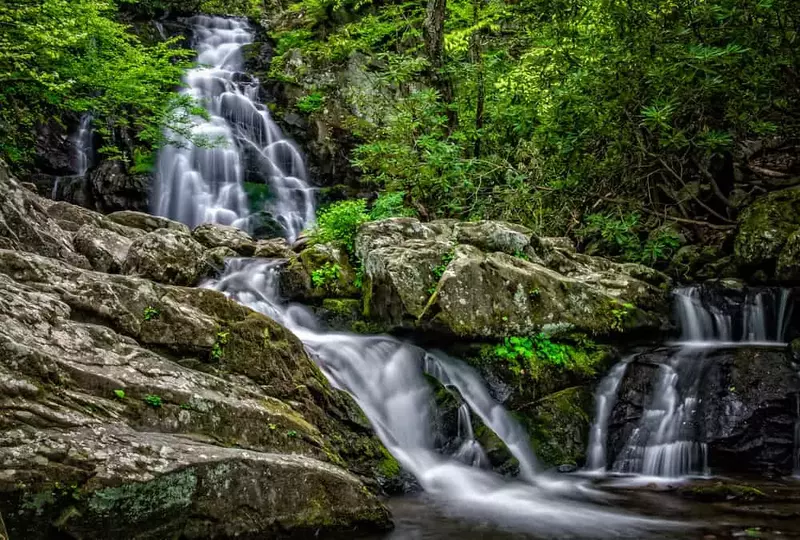
It can be overwhelming planning what to do on your vacation to the Smoky Mountains. With so many things to do and places to go, some tips would be helpful in trying to narrow down the best activities. Do you love being in nature and particularly hiking to waterfalls? If so, we have a guide ready just for you! Discover some of the best hidden waterfalls in the Smoky Mountains! Here are the top 5 hidden Gatlinburg waterfalls you need to see on your vacation:
Top 5 Hidden Gatlinburg Waterfalls You Need to See on Your VacationTop 5 Fun Things to Do for Christmas in the Smokies

Are you going to spend Christmas in the Smokies? If you are, you might be wondering what kind of fun festivities you should do! From seeing the Winterfest lights to watching a show, you have so many options! Here are the top 5 fun things to do for Christmas in the Smokies:
Top 5 Fun Things to Do for Christmas in the Smokies4 Health Benefits of Staying in One of Our Gatlinburg Cabins with Hot Tubs
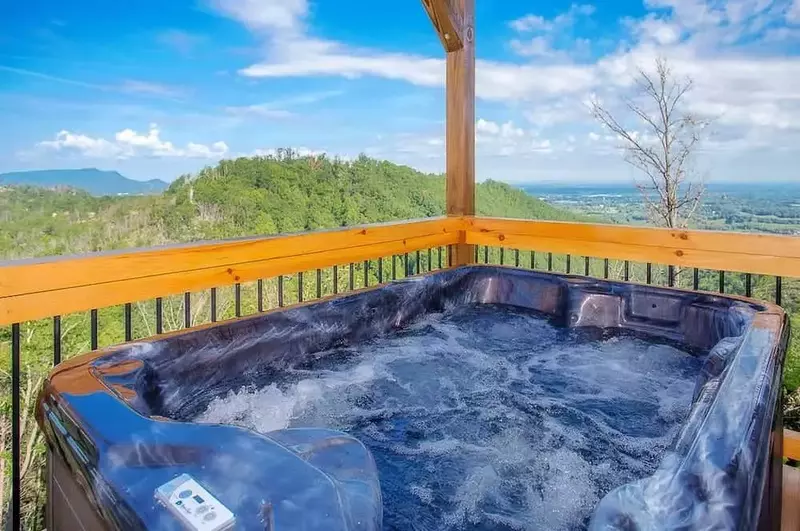
If you’re looking for a place where you can leave stress and worry behind, look no further than our Gatlinburg cabins with hot tubs! In addition to being a fun and relaxing amenity, there are also numerous health benefits associated with it. We’ve made a list of just a few great things that this special amenity can do for you. Learn more about the health benefits of staying in Gatlinburg cabins with a hot tub below:
4 Health Benefits of Staying in One of Our Gatlinburg Cabins with Hot TubsWinter Weather in the Smokies: Your Itinerary for the Best Gatlinburg Snow Day

It’s beginning to look a lot like winter in the Smokies! Snow is dusting the Smoky Mountains and winter activities have begun in Gatlinburg. There is great fun in store for you during your vacation! If you are looking for a guide on how to spend a day in the Smokies we have that ready for you! Here is your itinerary for the best Gatlinburg snow day:
Winter Weather in the Smokies: Your Itinerary for the Best Gatlinburg Snow Day4 Pigeon Forge Restaurants That Have the Best Burgers in Town
While there are without a doubt more unique foods found in the Smokies, you can never go wrong with a good ole burger and fries. If you find yourself in the mood for a thick, juicy burger while in town, there are plenty of amazing places to check out. Here are 4 Pigeon Forge restaurants that have the best burgers:
4 Pigeon Forge Restaurants That Have the Best Burgers in TownWhere Did Mount LeConte Get Its Name?
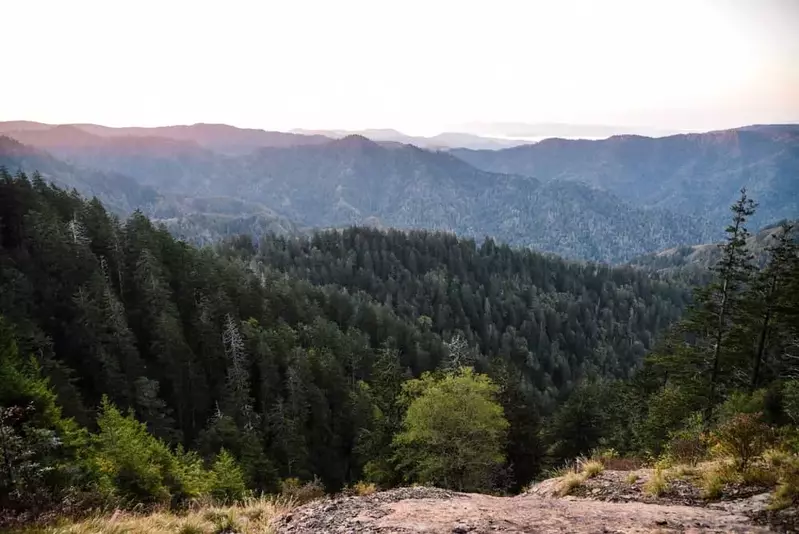
Located in the Great Smoky Mountains National Park, Mount LeConte is indeed an East Tennessee treasure. The third highest peak in the park, Mount LeConte features an elevation high enough, at nearly 6,600 feet, to attract experienced climbers and beginners who wish to go <a href="/blog/top-five-essentials-when-hiking-in-gatlinburg/">hiking in the Smokies</a>. Have you ever wondered how Mount LeConte got its name? We have the answer and more fun facts about Mount LeConte below:
Where Did Mount LeConte Get Its Name?Shadrack’s Christmas Wonderland: A Spectacular Christmas Lights Show

Celebrate the holidays this year by enjoying a spectacular Christmas lights show in the Smoky Mountains! <a href="https://www.shadrackchristmas.com/sevierville-tn" target="_blank"> Shadrack’s Christmas Wonderland in Sevierville </a> features millions of dazzling lights that are guaranteed to get you into the holiday spirit. Guests can enjoy this magnificent technicolor display from the comfort and warmth of their cars. Read on for everything you need to know about this can’t-miss attraction in East Tennessee.
Shadrack’s Christmas Wonderland: A Spectacular Christmas Lights Show4 Ways to Enjoy Our Cabins in Pigeon Forge TN with Fire Pit and Fireplace Amenities
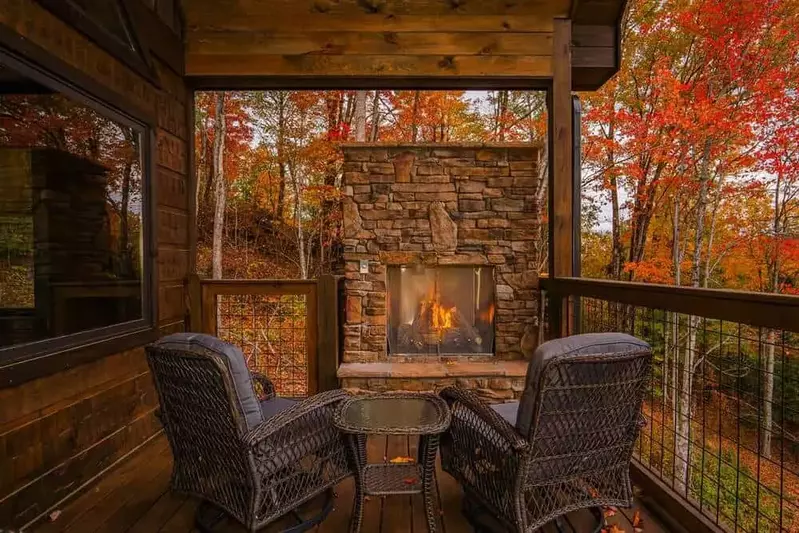
The cooler weather means it is time once again to cozy up by a nice warm fire and enjoy the beauty of the changing seasons! Spend your Smoky Mountain vacation in a cabin rental with a fire pit or fireplace. Enjoy all the benefits of having access to a warm and cozy fire when you book a cabin rental with us! Unwind and relax in the evenings with your special someone or your family and friends. Here are 4 ways to enjoy our cabins in Pigeon Forge TN with fire pit and fireplace amenities:
4 Ways to Enjoy Our Cabins in Pigeon Forge TN with Fire Pit and Fireplace Amenities4 Reasons Why Now is the Perfect Time to Stay in Smoky Mountain Cabins
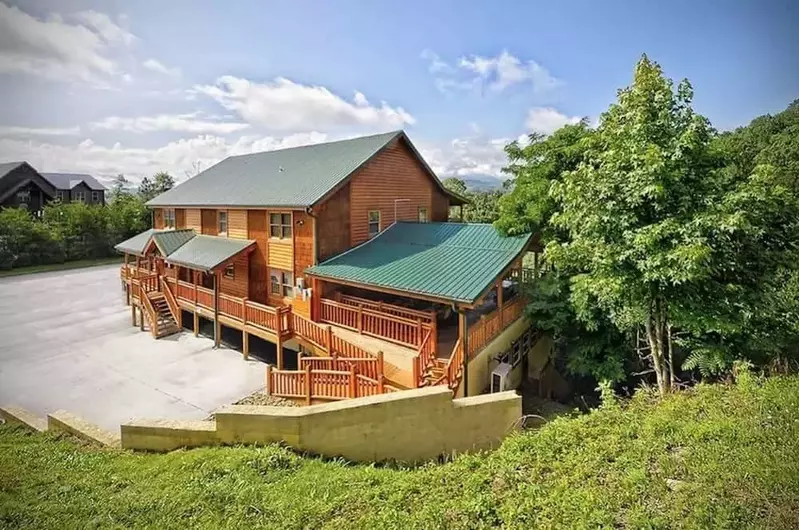
Are you thinking about taking a trip to get away from it all? We want to share with you some of the reasons why right now is the best time to stay in a Smoky Mountain Cabin. Not only will you be with your family, but you’ll also have plenty of privacy and be able to enjoy being outdoors, just to name a few. Here are the 4 reasons why now is the perfect time to stay in one of our Smoky Mountain cabins:
4 Reasons Why Now is the Perfect Time to Stay in Smoky Mountain CabinsThe 5 Best Things to Do in Pigeon Forge for Couples This Fall
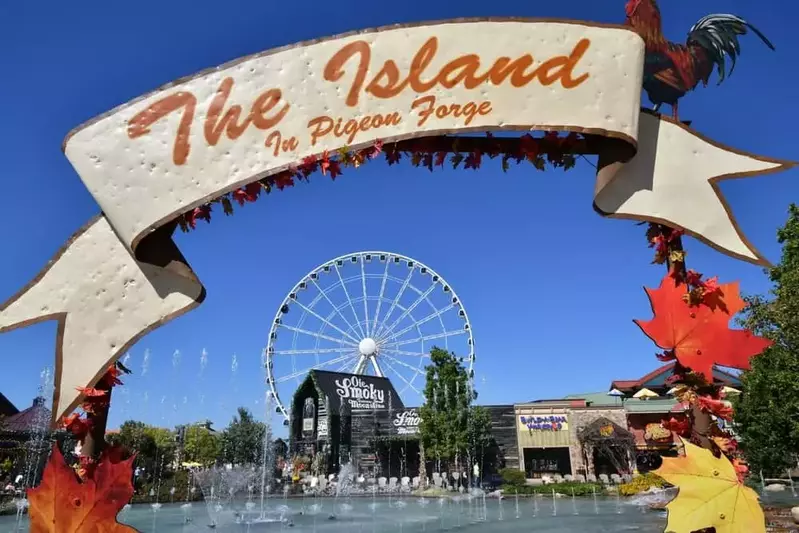
Fall is in the air in the Smokies! There are so many wonderful <a href="/blog/things-to-do-smoky-mountains-fall/">things to do and experience during the fall season in Pigeon Forge</a>. Have a great time with your special someone and experience fall in the Smokies! Here are the 5 best things to do in Pigeon Forge for couples this fall:
The 5 Best Things to Do in Pigeon Forge for Couples This FallWhy Our Cabin Rentals in the Smokies Are Budget-Friendly
Sometimes when you go on vacation, you do not want to break the bank and spend money on things you do not need or will not use. We understand that you want to be able to see the sights and attractions but also have somewhere to stay that is high quality and still affordable. That’s what we want to help you with! Here are some reasons why our cabin rentals in the Smokies are budget-friendly:
Why Our Cabin Rentals in the Smokies Are Budget-FriendlyHow to Fully Take Advantage of The Amenities at Your Cabin Rental in Pigeon Forge This Fall
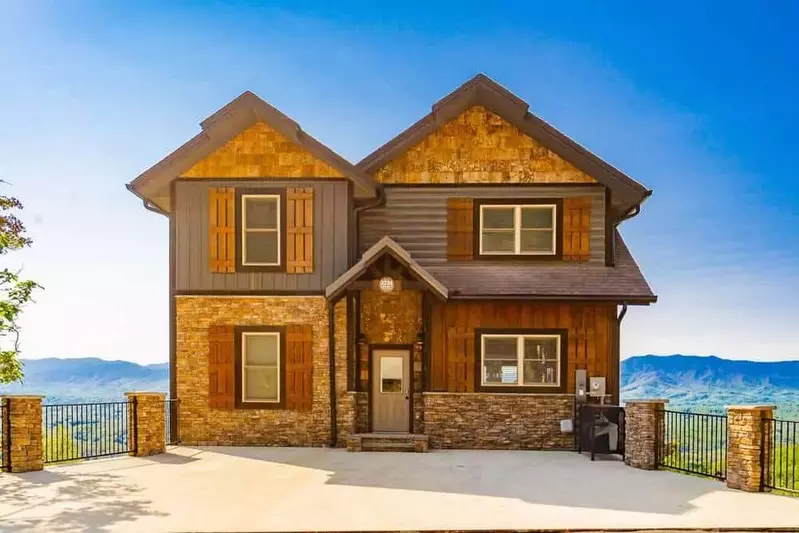
You know fun is in store when you stay in a Smoky Mountain cabin during the fall season! Our cabins are equipped with fantastic amenities for you to fully take advantage of during your vacation stay! Here is a guide on how to fully take advantage of the amenities at your cabin rental in Pigeon Forge this fall:
How to Fully Take Advantage of The Amenities at Your Cabin Rental in Pigeon Forge This FallWhat to Do in Sevierville TN For First Time Visitors

Sevierville isn’t quite as popular as the neighboring cities of Pigeon Forge and Gatlinburg, but that doesn’t mean you won’t find exciting things to do, unique places to visit, and interesting points you can’t miss! Find out more about what to do in Sevierville TN as a first time visitor.
What to Do in Sevierville TN For First Time Visitors5 of the Best Things to Do in the Smoky Mountains in the Fall
The Smoky Mountains are beautiful all year round, but it’s no secret that they become an even more spectacular sight in the fall. Each year, thousands of visitors come to the Smokies to catch a glimpse of the <a href="/blog/complete-guide-to-fall-foliage-in-the-smoky-mountains/">picture-perfect fall foliage</a>. To help guarantee you have a wonderful time while you’re here, we’ve put together a list of 5 of the best things to do in the Smoky Mountains in the fall.
5 of the Best Things to Do in the Smoky Mountains in the FallThe Best Dollywood Restaurants You Can’t Miss
Dollywood is known for thrilling rides, incredible shows, and delicious food, especially when it comes to <a href="/blog/best-food-at-dollywood/">snack shops</a>. When you’re planning a trip to the theme park, you’ve probably planned out all the rides you want to experience and where the kids want to go. But have you decided where you should stop for meal times? We want to share the best Dollywood restaurants you shouldn’t skip on your next trip.
The Best Dollywood Restaurants You Can’t MissTop 4 Things to Do in Pigeon Forge TN for Adults
Wondering what to do in Pigeon Forge with just adults? Pigeon Forge is home to hundreds of fun and exciting things to do! Whether you are young or old, there is always something new to discover when you vacation here. We know that sometimes the information about Pigeon Forge attractions is geared more toward families and children and might not be helpful for adults visiting the area. That is why we wanted to give you a brief breakdown of all of our favorite things to do in Pigeon Forge TN for adults.
Top 4 Things to Do in Pigeon Forge TN for Adults4 Best Sports Bars in Pigeon Forge to Catch the Big Game
Whether you are a fan of football, basketball, baseball, or something in between, you never have to worry about missing the action during your trip to the Smokies. Throughout the area, you will find amazing places where you can watch your favorite team in action while you enjoy incredible drinks and entrees. Here are 4 of the best sports bars in Pigeon Forge to catch the big game:
4 Best Sports Bars in Pigeon Forge to Catch the Big Game4 Amenities Kids Love at Our Gatlinburg Cabin Rentals
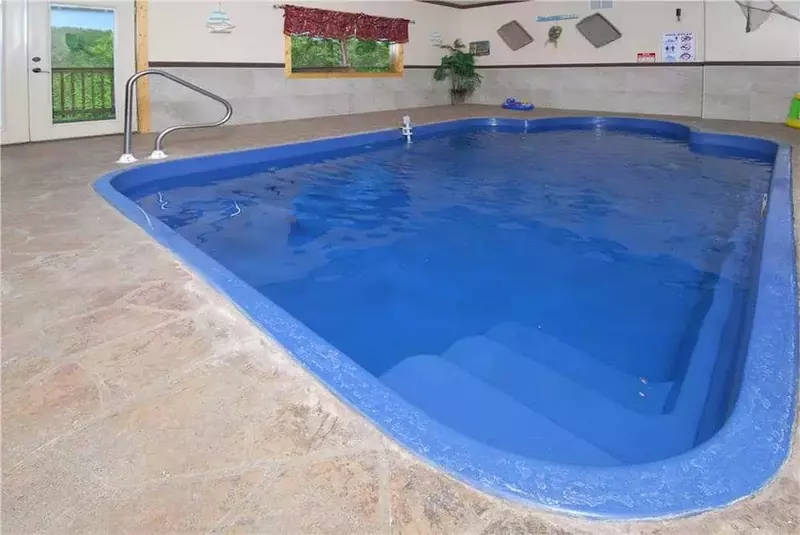
Our cabins in the Smokies have something for everyone in your family. While the adults will enjoy the spacious decks with gorgeous mountain views, the kids will be more excited about some of the other bonuses of staying with us. Our cabins are filled with a ton of entertainment for children of all ages, which will come in handy when the adults want some alone time or the rain has spoiled your sightseeing plans. Here are 4 amenities kids love at our Gatlinburg cabin rentals:
4 Amenities Kids Love at Our Gatlinburg Cabin Rentals4 Fun Ways to Explore the Natural Beauty of the Smoky Mountains
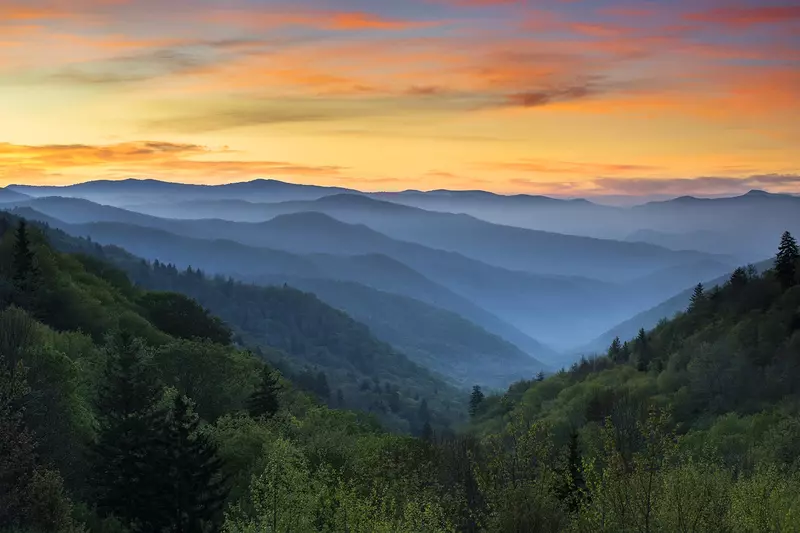
One of the many reasons people decide to vacation in the Smokies is because of the spectacular scenery. While you can soak up the view from the private deck of your cabin, some guests want to get out and explore the different sights and sounds of nature. Here are 4 fun ways to explore the natural beauty of the Smoky Mountains during your trip:
4 Fun Ways to Explore the Natural Beauty of the Smoky Mountains4 Places to Go Souvenir Shopping in the Smoky Mountains
After your exciting adventures in the Smokies, you are sure to want some souvenirs to take back home to remember your trip. Luckily, there are plenty of places throughout Pigeon Forge and Gatlinburg where you can find the perfect memento! These shops are also a great place to find special gifts for all your friends and family back home. Here are 4 places to go souvenir shopping in the Smoky Mountains:
4 Places to Go Souvenir Shopping in the Smoky Mountains4 Things to Do at Our Secluded Cabins in the Smoky Mountains
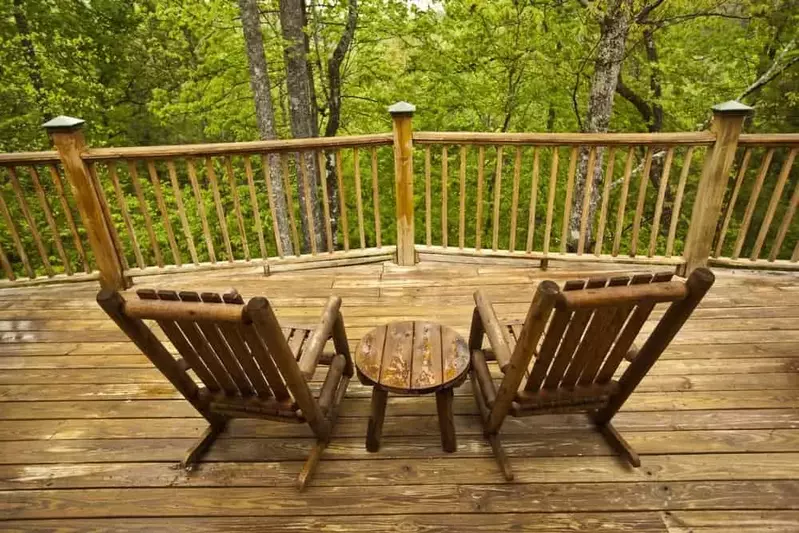
There are many benefits of staying in one of our secluded Smoky Mountain cabins. These rentals are tucked away in the mountains, meaning you won’t have to worry about hearing noisy cars traveling down the Parkway. In addition, you will have an unbelievable view of the mountains from your cabin! From the deck, you can capture some amazing photographs and listen to the sounds of nature all around you. These cabin rentals also come with plenty of fun entertainment for your family and friends! Here are 4 things to do at our secluded cabins in the Smoky Mountains:
4 Things to Do at Our Secluded Cabins in the Smoky Mountains4 Fascinating Things to Do in Cades Cove
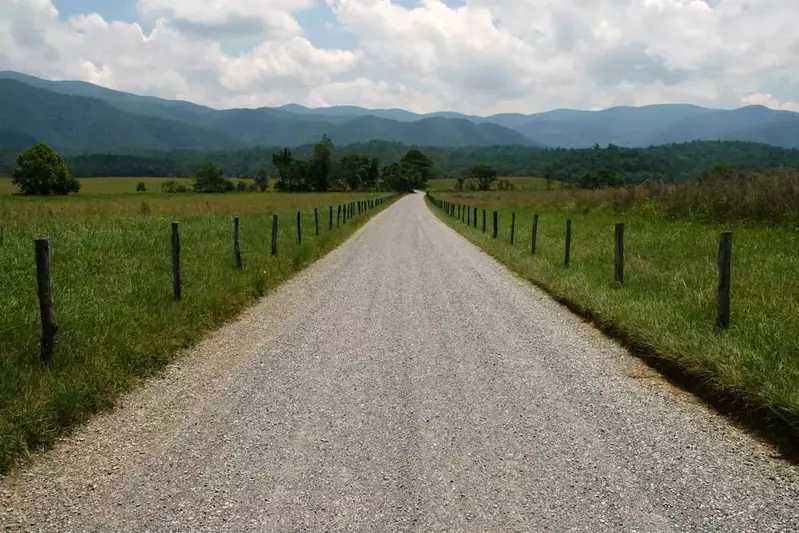
<a href="https://experiencecadescove.com/" target="_blank"> Cades Cove </a> is one of the most popular destinations in the Great Smoky Mountains National Park! One of the reasons is because there is a ton to see and do, including some amazing hiking trails and a scenic loop road. While you probably have this area on your itinerary, there are some things you need to know before you go. Here are 4 fascinating things to do in Cades Cove:
4 Fascinating Things to Do in Cades Cove4 Ways to Save at Our Pet Friendly Cabins in Gatlinburg

There are many benefits of staying in one of our pet friendly cabins in the Smokies! You will have a greater peace of mind knowing that your furry friend is safe, plus there are a ton of dog friendly restaurants and attractions around town! However, the biggest perk may be that our cabins provide many different ways for your family to save some cash. Here are 4 ways to save at our pet friendly cabins in Gatlinburg:
4 Ways to Save at Our Pet Friendly Cabins in Gatlinburg4 Sevierville Attractions Your Kids Will Love
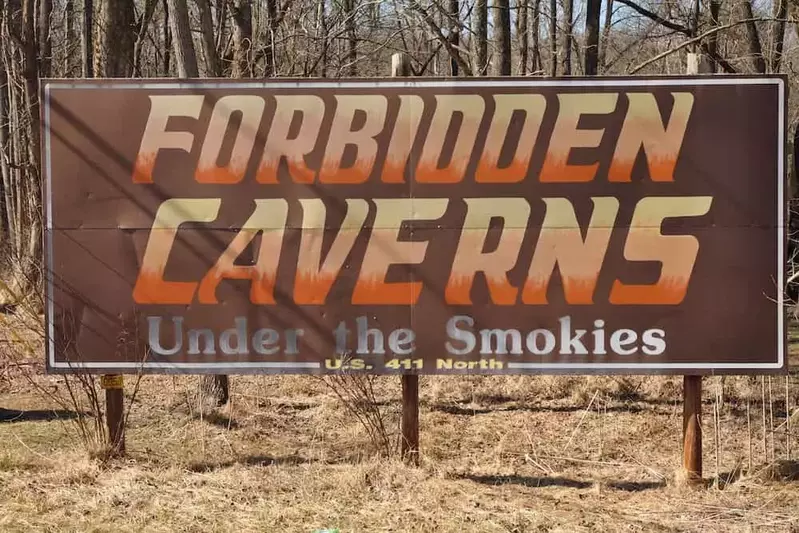
When most people think of things to do in the Smoky Mountains, they automatically name attractions that are in Pigeon Forge and Gatlinburg. While these areas are amazing destinations, just next door there is a town that is filled with a ton of <a href="/blog/fun-things-to-do-in-sevierville-tn-on-vacation/">wonderful family activities</a>. Here are 4 Sevierville attractions your kids will love:
4 Sevierville Attractions Your Kids Will LoveUltimate Guide to a Family Trip to Dollywood
<a href="https://www.dollywood.com/themepark/" target="_blank"> Dollywood </a> is one of the most popular theme parks not just in the Smokies, but in the entire United States. Once you step foot through the turnstile, you will quickly understand why. Before you head to the park, it is good to have a knowledge of some of the most exciting things to see and do while you are there. Here is the ultimate guide to a family trip to Dollywood:
Ultimate Guide to a Family Trip to Dollywood4 Things Families Love about Our Gatlinburg Cabins on the River
There is nothing more relaxing than a cabin that sits on the river! Not only does it present an amazing view for your vacation, but the sound of the water is sure to put your mind at ease. When you are traveling to the Smokies with your family, everyone is sure to love having the added amenity of the river within walking distance of your cabin! Here are 4 things families love about our Gatlinburg cabins on the river:
4 Things Families Love about Our Gatlinburg Cabins on the River4 Pigeon Forge Restaurants That Offer Live Music

As you probably know, the Smoky Mountains are widely known for music. Whether it be old style bluegrass or classic country hits, this area has a rich history in the music industry. While you are in town, you will have all types of opportunities to catch the up and coming music stars. There are plenty of shows that you can see around town, but did you know there are also some places where you can listen to tunes while you eat? Here are 4 Pigeon Forge restaurants that offer live music:
4 Pigeon Forge Restaurants That Offer Live Music4 Smoky Mountain Attractions for Animal Lovers
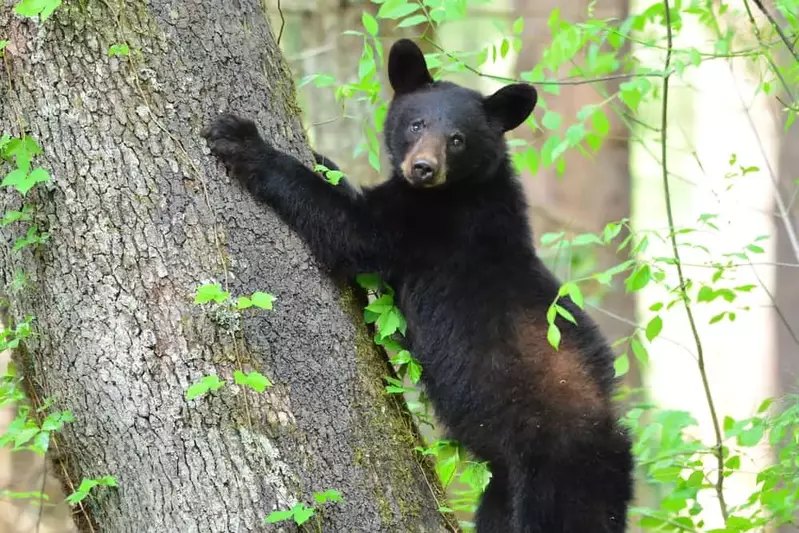
Do you love learning about all the different creatures on Earth? If so, a Smoky Mountain vacation is perfect for you! Whether you want to take a scenic drive in the mountains or visit one of the thrilling attractions in the Smokies, you are bound to come across all sorts of different critters. Here are 4 Smoky Mountain attractions for animal lovers:
4 Smoky Mountain Attractions for Animal Lovers4 Reasons Our Secluded Cabins in Gatlinburg Are Perfect for a Spring Vacation
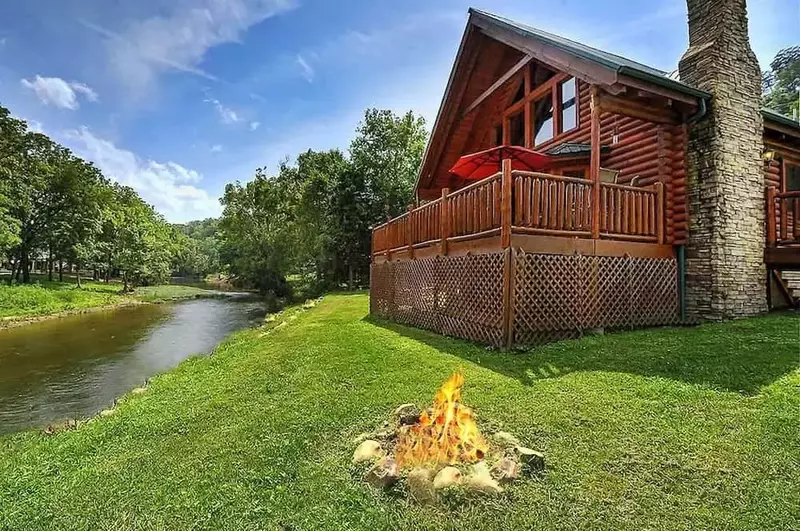
Spring is a wonderful time of year to visit the Smoky Mountains! Between all the special events, gorgeous scenery, and ideal weather, you don’t want to miss a trip to the mountains during spring! As you begin to plan your vacation, don’t miss out on a chance to stay in one of our secluded cabins! These rentals are the perfect place to spend a romantic getaway, time with family, or a group trip. Here are 4 reasons our secluded cabins in Gatlinburg are perfect for a spring vacation:
4 Reasons Our Secluded Cabins in Gatlinburg Are Perfect for a Spring Vacation4 Smoky Mountain Attractions to Visit if You Love Solving Puzzles

Do you enjoy mind puzzling activities? Whether it’s sitting at home doing a jigsaw puzzle or the morning crossword, there are an endless amount of different types of puzzles. If these are the type of things you enjoy, there are a few unique activities in Pigeon Forge that will put your skills to the test. Here are 4 Smoky Mountain attractions to visit if you love solving puzzles:
4 Smoky Mountain Attractions to Visit if You Love Solving Puzzles4 Outdoor Activities in Pigeon Forge You Need to Try

One of the main reasons people decide to vacation in the Smoky Mountains is so they can get outdoors and enjoy the gorgeous scenery. Luckily, there are plenty of exciting attractions that allow your family to have fun while still being outdoors. Whether you want to play miniature golf, ride go karts, zipline, or something in between, you can visit the biggest attractions while still being surrounded by the spectacular mountain views. Here are 4 outdoor activities in Pigeon Forge you need to try:
4 Outdoor Activities in Pigeon Forge You Need to Try4 Things Couples Love about Our Secluded Cabins in Pigeon Forge
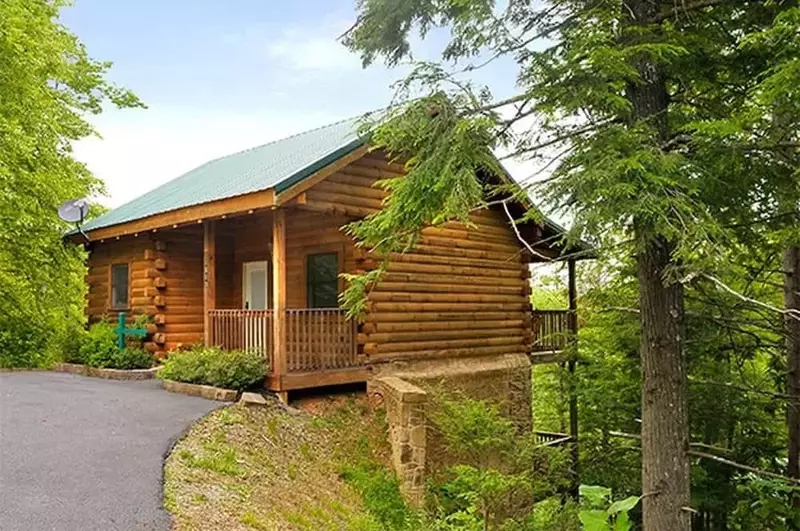
Are you trying to plan a romantic getaway to the Smoky Mountains? The area is perfect for couples because of all the exciting things to do and gorgeous scenery. The first decision you need to make to begin planning your dream vacation is where to stay. Our cabins provide the perfect lodging for couples looking to escape the busyness of life, and provide some unbelievable benefits. Here are 4 things couples love about our secluded cabins in Pigeon Forge:
4 Things Couples Love about Our Secluded Cabins in Pigeon Forge6 Ways to Save When You Stay at a Two Bedroom Cabin in Gatlinburg
It’s easy to have an affordable vacation in the Smokies when you stay at a two bedroom cabin in Gatlinburg! Between the amazing amenities and cabin specials we offer, it is no wonder why people consider our cabins as the best deal in the Smokies! Here are six tips for saving money during your stay with us:
6 Ways to Save When You Stay at a Two Bedroom Cabin in Gatlinburg4 Pigeon Forge Attractions That Will Blow Your Mind

When you travel to the Smoky Mountains, there are plenty of things to do for everyone. From comedy shows to arcades galore, every member of your family is bound to have an amazing vacation. However, you can take the adventure one step further with some activities that will cause you to begin to question reality. Here are 4 Pigeon Forge attractions that will blow your mind:
4 Pigeon Forge Attractions That Will Blow Your Mind4 Things Families Love about Our Gatlinburg Cabins with Home Theaters
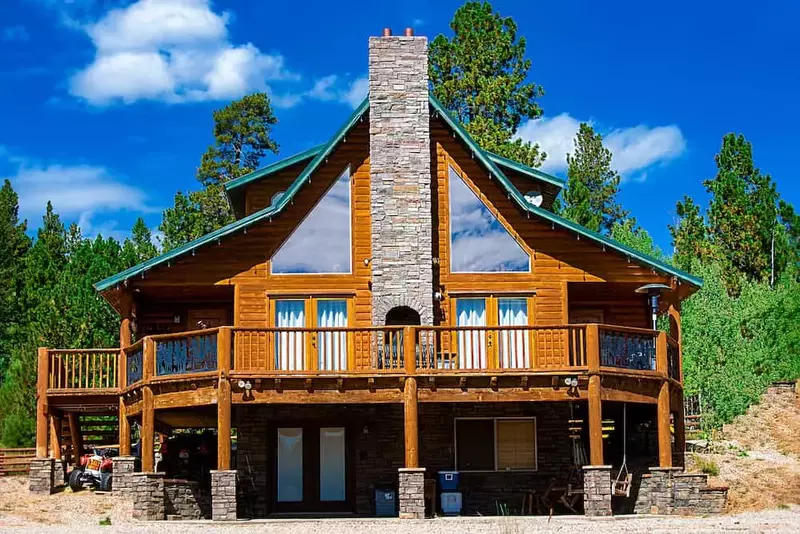
When you stay in one of our cabins, you are guaranteed to have dozens of amazing amenities. Whether you want a magnificent view of the Smokies or a bubbling hot tub, we have the perfect cabin waiting for you! If you are planning a family vacation with the kids, you will want to make sure your rental has plenty of things to keep them entertained. How does a private home theater sound? Here are 4 things families love about our Gatlinburg cabins with home theaters:
4 Things Families Love about Our Gatlinburg Cabins with Home TheatersSweet Treats: 4 Best Places to Get Dessert in Pigeon Forge
While you are probably familiar with all the amazing restaurants in Pigeon Forge, we decided to talk a little bit about everyone’s favorite thing, dessert! From a young age, our bodies are attracted to all things sugary. Luckily, when you visit the Smoky Mountains, there are a ton of amazing places that can help you satisfy your sweet tooth. Here are 4 of the best places to get dessert in Pigeon Forge:
Sweet Treats: 4 Best Places to Get Dessert in Pigeon Forge3 Smoky Mountain Attractions for Video Game Lovers
If you love video games, the Smoky Mountains are the place for you! All throughout town, there are plenty of places where you can escape reality and test out your skills. Whether you are looking for an arcade or a virtual reality experience, there is an activity for everyone! Here are 3 Smoky Mountain attractions for video game lovers:
3 Smoky Mountain Attractions for Video Game Lovers4 Reasons to Start the New Year Off With a Stay in Our Smoky Mountain Cabins
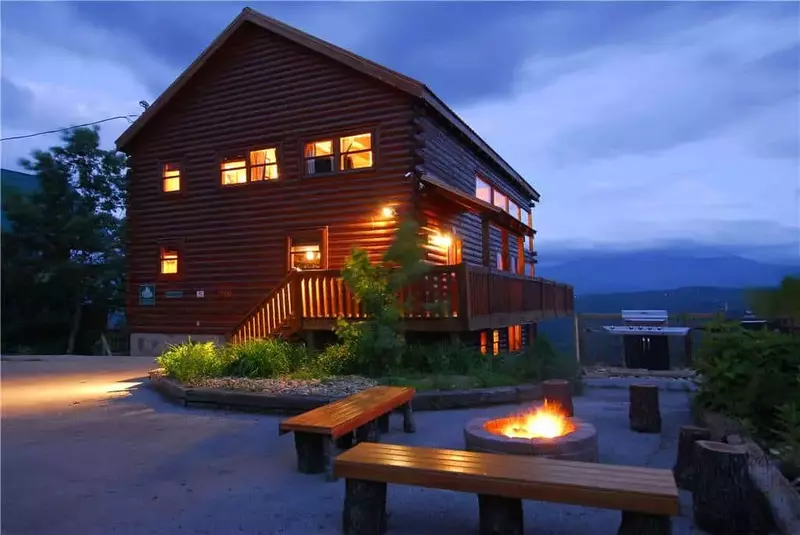
It is never easy to come through on whatever New Year’s resolution you decide to set for yourself. However, why not make this year’s goal to take a trip to the Smoky Mountains? Not only will it be easier to hold yourself to it, but it is also way more fun than going to the gym every day or eating healthy! Here are 4 reasons to start the new year off with a stay in our Smoky Mountain cabins:
4 Reasons to Start the New Year Off With a Stay in Our Smoky Mountain CabinsYour Ultimate Packing List for a Cabin in Pigeon Forge

Packing for vacation in Pigeon Forge doesn’t have to be stressful! While figuring out what you need to bring, and how to make everything fit in your trunk, can seem challenging, it’s really not that difficult when you have a little direction. To help make the packing process as smooth as possible, Timber Tops has put together this cheat sheet for a getaway at our log cabins in Pigeon Forge. Check out this ultimate packing list for a cabin in Pigeon Forge:
Your Ultimate Packing List for a Cabin in Pigeon Forge4 Reasons Why You Should Visit The Old Mill in Pigeon Forge
For decades, The Old Mill has been one of the premier destinations in Pigeon Forge for both locals and tourists. There is so much to see and do in the square, including getting your hands on some delicious food! Whether you want to eat, shop, or just browse around, there is something for everyone. Here are 4 reasons why you should visit <a href="https://www.old-mill.com/" target="_blank"> The Old Mill </a> in Pigeon Forge:
4 Reasons Why You Should Visit The Old Mill in Pigeon ForgeTop 4 BBQ Restaurants in Pigeon Forge
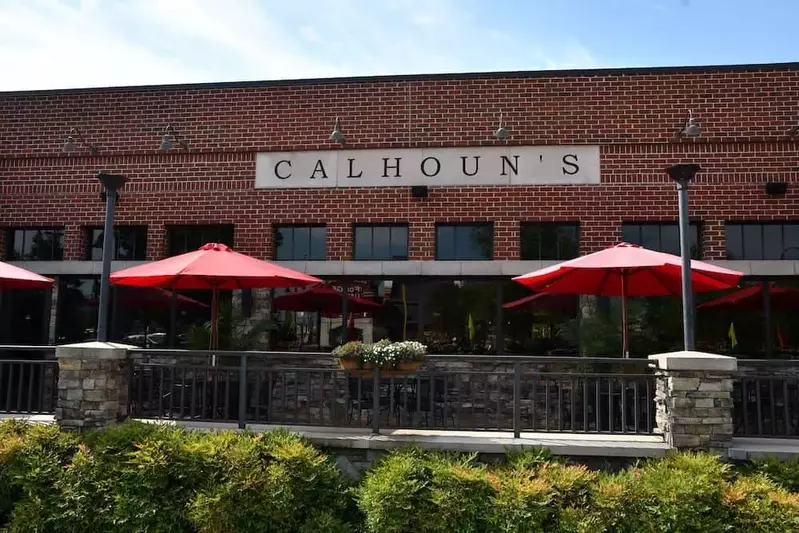
When you think of true Smoky Mountain foods, BBQ is probably one of the first things that comes to mind. There is something special about the sweet taste of barbecue sauce mixed with the smoky flavor of the meat. Luckily, there are a ton of amazing places to pick up a pulled pork sandwich or a rack of ribs while you are in town. Here are 4 of the best BBQ restaurants in Pigeon Forge:
Top 4 BBQ Restaurants in Pigeon Forge4 Reasons Our Smoky Mountain Cabins Are Perfect for a Christmas Vacation
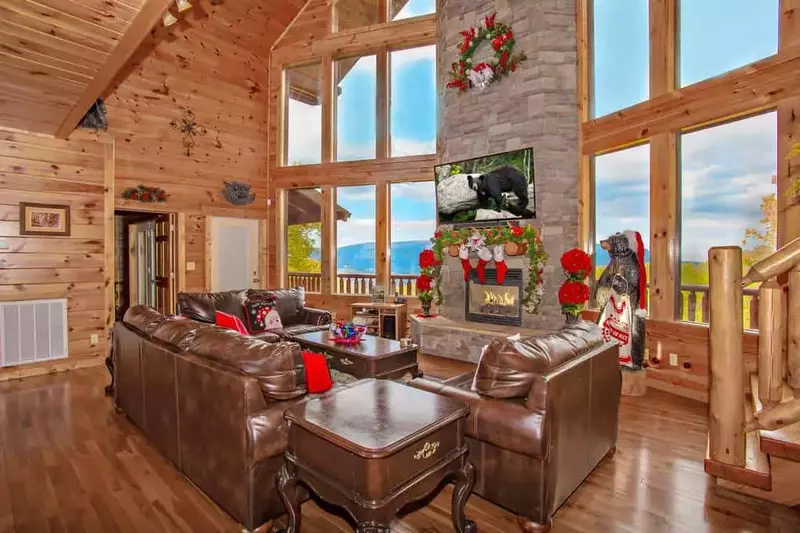
Christmas is a magical time in the Smoky Mountains. The streets are aligned with sparkling lights and the sounds of holiday music ring through the towns. Plus, there is a possibility you may see that white Christmas you have always dreamed of. As you are looking for a place to stay, there is no better place than a cozy cabin tucked into the mountain. Here are 4 reasons our Smoky Mountain cabins are perfect for a Christmas vacation:
4 Reasons Our Smoky Mountain Cabins Are Perfect for a Christmas Vacation5 Attractions in Gatlinburg and Pigeon Forge for History Lovers
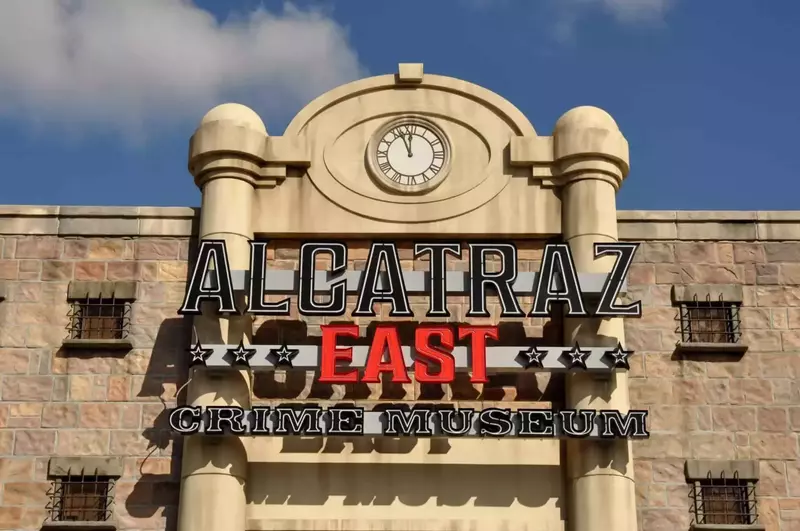
The Smokies are filled with interesting history! Whether you love Appalachian relics, true crime stories or unique vintage finds, there is something for everyone here. History buffs from all over come to the mountains every year to explore these unique spots. Here are 5 attractions in Gatlinburg and Pigeon Forge for history lovers:
5 Attractions in Gatlinburg and Pigeon Forge for History Lovers5 Reasons to Stay in our Pigeon Forge Cabins with an Indoor Pool and Home Theater
There is no need to settle for an ordinary vacation to Pigeon Forge when you can stay in our incredible cabins that feature their own indoor pool and home theater! These exclusive amenities are designed for the ultimate family getaway, so don’t be surprised if you want to spend your entire vacation without leaving the cabin! Here are 5 reasons to stay in our Pigeon Forge cabins with an indoor pool and home theater:
5 Reasons to Stay in our Pigeon Forge Cabins with an Indoor Pool and Home TheaterTop 5 New Things to Do in Gatlinburg and Pigeon Forge

One of the awesome things about vacationing in the Smoky Mountains is that there is always something new to do in the area! It is no wonder why so many folks return to the Smokies every year to discover all of the latest exciting attractions and activities! Here are the top 5 new things to do in Gatlinburg and Pigeon Forge:
Top 5 New Things to Do in Gatlinburg and Pigeon ForgeBest 5 Restaurants at The Island in Pigeon Forge You Will Love

If you’re looking for affordable family fun and a delicious bite to eat, The Island in Pigeon Forge should be at the top of your list! Their shopping and entertainment complex features more than 60 retail and specialty shops as well as dancing fountains, live music, and more! It’s easy to work up an appetite when you’re having this much fun. Luckily, there are a variety of restaurants at The Island in Pigeon Forge. To help you decide where to go first, here is a list of the best ones.
Best 5 Restaurants at The Island in Pigeon Forge You Will LoveHandcrafted Gifts Made Right Before Your Eyes at the Gatlinburg Craftsmen’s Fair

If you want the most unique holiday decorations for your home and fabulous gifts awaiting your family members under the Christmas tree, then you should definitely plan to attend the Fall Gatlinburg Craftsmen’s Fair. This yearly fall event in Gatlinburg attracts some of the best artisans and craftspeople from across America, and it is always extremely well-attended. Read on for everything you need to know:
Handcrafted Gifts Made Right Before Your Eyes at the Gatlinburg Craftsmen’s Fair4 Spooktacular Ways to Celebrate Halloween in Gatlinburg and Pigeon Forge
There is no better place to celebrate the spirit of the Halloween season than the Smoky Mountains! There are tons of frightfully fun activities near our cabin rentals, so don’t miss the opportunity to experience this special time of year in the Smokies! Here are 4 spooktacular ways to celebrate Halloween in Gatlinburg and Pigeon Forge:
4 Spooktacular Ways to Celebrate Halloween in Gatlinburg and Pigeon ForgeTop 4 Grocery Stores in Sevierville TN You Can Visit

When you book a cabin in Sevierville, you probably want to pick up some supplies before you check in! Whether you plan on cooking most of your meals or you want to stock up on some supplies you might need, there are plenty of grocery stores for you to choose from! Here are the top 4 grocery stores in Sevierville TN:
Top 4 Grocery Stores in Sevierville TN You Can Visit5 Reasons Why You Should Use Our Cabins for Your Smoky Mountain Wedding
The combination of <a href="/cabin-rentals/spectacular-views/">breathtaking views</a> and calm serenity makes the Smoky Mountains a popular wedding destination. On top of that, the use of cabins as wedding venues have been on the rise for the last several years. It allows for couples to have a smaller ceremony with just their close friends and family in attendance. With these things in mind, here are 5 reasons why you should use our cabins for your Smoky Mountain wedding:
5 Reasons Why You Should Use Our Cabins for Your Smoky Mountain Wedding4 Common Questions You’re Dying to Ask About Our Cabins in Pigeon Forge and Gatlinburg
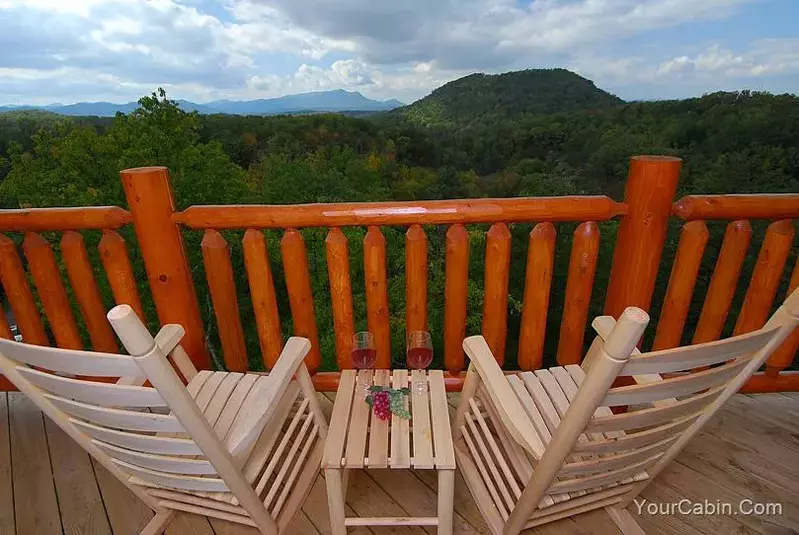
As you start researching your next getaway in the Smokies, you’re bound to think of a few questions that need answering. To help make your vacation planning as easy as possible, we’ve put together some quick responses to four of the most common questions we’re asked about our cabins in Pigeon Forge and Gatlinburg:
4 Common Questions You’re Dying to Ask About Our Cabins in Pigeon Forge and GatlinburgTop 5 Things to Do at Dollywood if You Don’t Like Rides

<a href="https://www.pigeonforgetnguide.com/coupons/dollywood-coupons/" target="_blank"> Dollywood </a> is home to some of the fastest and most thrilling roller coasters and <a href="/blog/dollywood-rides-for-families/"> rides </a> in the world, which is great if you’re an adrenaline junkie. However, not everyone who visits the south’s favorite theme park is looking to scream their lungs out on the Wild Eagle coaster or feel their stomach flip on the Drop Line freefall tower. Fortunately, there are other fun things to do in Dollywood that will keep your feet firmly planted on the ground! To help you make the most of your next vacation, check out these top 5 things to do at Dollywood if you don’t like rides.
Top 5 Things to Do at Dollywood if You Don’t Like RidesHow to Save Money on Smoky Mountain Attractions with Our Luxury Pass
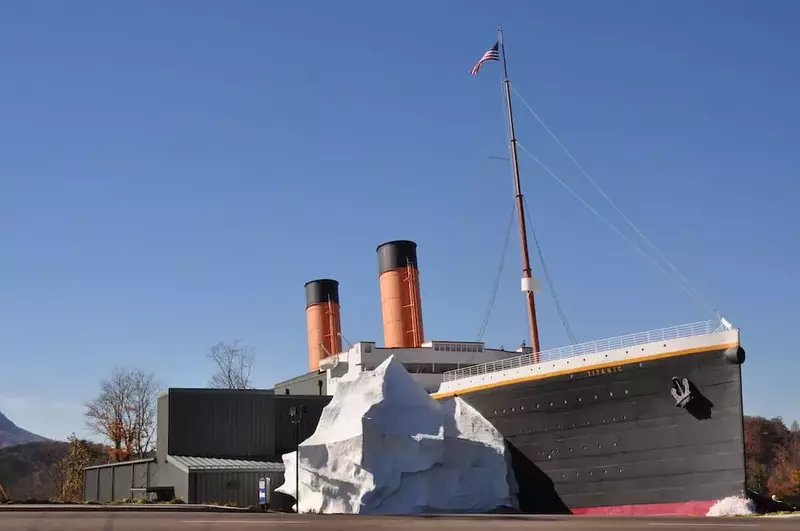
We know it can be hard to stick to the budget you created for your family when you go on vacation. From lodging to food and entertainment, you can end up spending way more than you intended. Luckily for you, we offer a <a href="/luxury-pass/">Luxury Pass</a> that can help you save hundreds of dollars on your next Smokies vacation. Here is how to save money on Smoky Mountain attractions with our Luxury Pass:
How to Save Money on Smoky Mountain Attractions with Our Luxury Pass4 Interesting Facts about Cades Cove
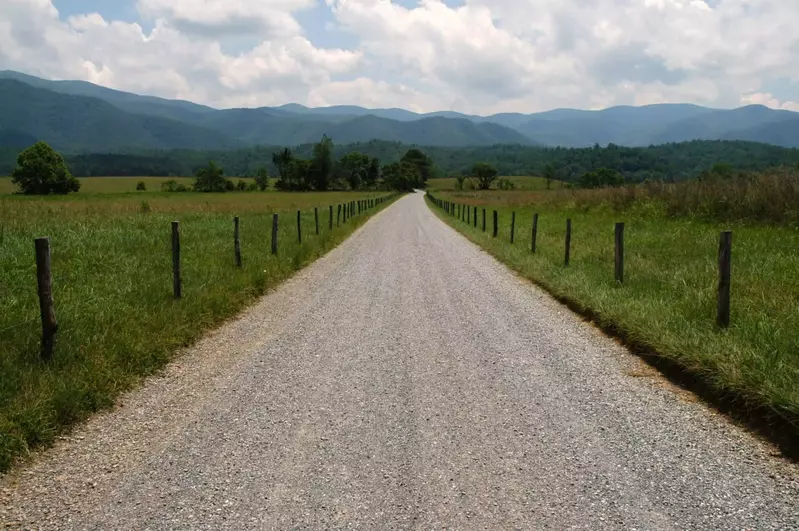
As the most visited part of the <a href="https://smokymountainnationalpark.com/" target="_blank"> Great Smoky Mountains National Park </a>, Cades Cove brings in an estimated number of over 2 million visitors a year. While it is most known for its historic buildings and being a habitat for black bears, the area has some amazing history. Here are 4 interesting facts about Cades Cove:
4 Interesting Facts about Cades Cove8 Huge Moments in Gatlinburg History and Pigeon Forge History
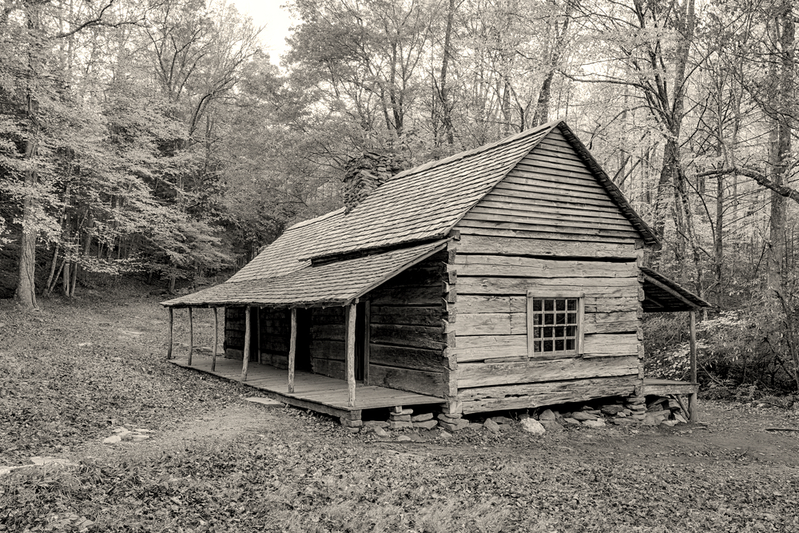
Gatlinburg and Pigeon Forge TN are two of the most popular vacation destinations in the United States today! However, our Smoky Mountain cities weren’t always major travel hubs. Both Gatlinburg and Pigeon Forge began as rural, pioneer communities filled with men and women who defied the odds to build a better future for their families. To help you prepare for your next vacation in the Smokies, we’ve put together some of the top historic events you should learn about before you come! Here are 8 huge moments in Gatlinburg history and Pigeon Forge history:
8 Huge Moments in Gatlinburg History and Pigeon Forge HistoryTop 4 Things Guests Love about Our Luxury Cabins in Gatlinburg TN
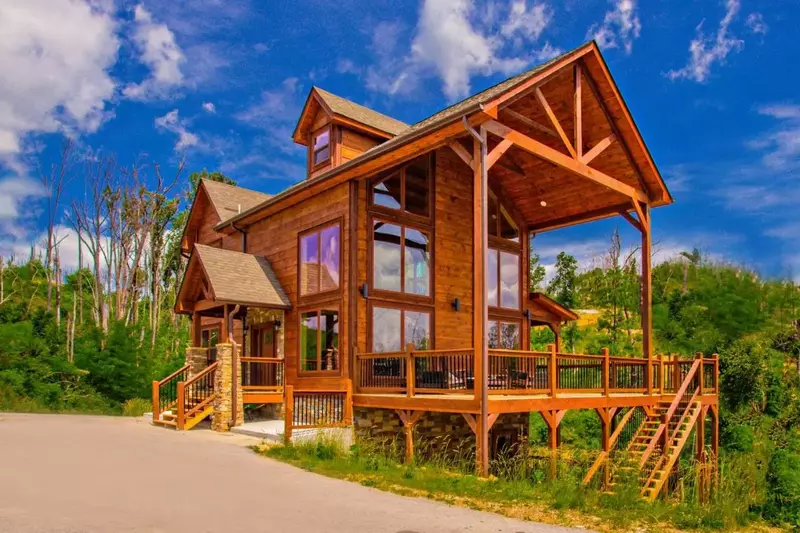
When you stay at our <a href="/gatlinburg-luxury-cabins/">luxury cabins in Gatlinburg TN</a>, you will be treated to state of the art rooms and amenities. Our goal is to make our cabins the best they can be to make your stay as enjoyable as possible. The perks you receive when staying at our cabins will make you want to come back on a regular basis. Here are 4 things guests love about our luxury cabins in Gatlinburg TN:
Top 4 Things Guests Love about Our Luxury Cabins in Gatlinburg TNThe Best Food at Dollywood: 4 Things You Need to Try
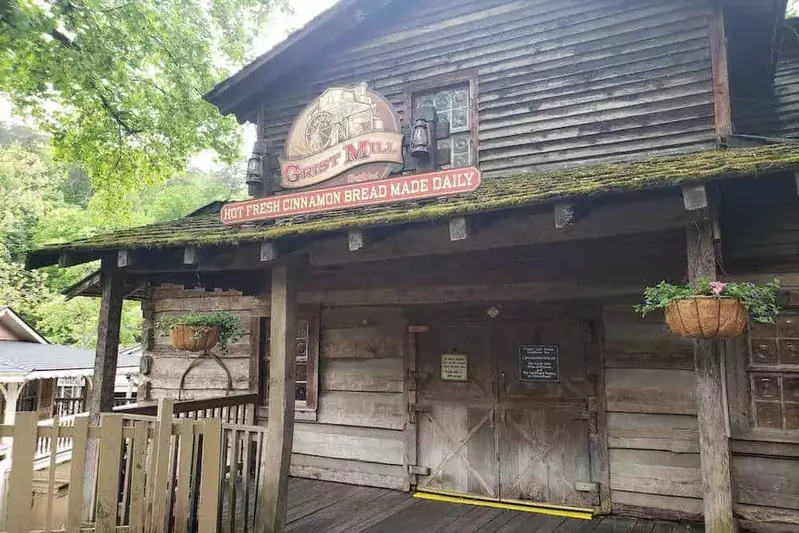
While most people come to <a href="https://www.dollywood.com/" target="_blank"> Dollywood </a> to ride its thrilling roller coasters and watch its world-class shows, some folks make a pilgrimage to the theme park to enjoy an entirely different activity: eating. There is no shame in visiting Dollywood restaurants because the park boasts some of the tastiest food you will find anywhere. Whether you’re in the mood for a meal or a snack, the food at Dollywood does not disappoint. In fact, the Golden Ticket Awards (which are like the Oscars for theme parks) has honored Dollywood with the prize for Best Food four times!
The Best Food at Dollywood: 4 Things You Need to Try3 Reasons to Go Hill Tubing at Ober Gatlinburg This Summer

If you’re trying to decide what you are going to do when you get to Gatlinburg, you should definitely visit <a href="https://obergatlinburg.com/" title="" target="_blank">Ober Gatlinburg</a>! From rock climbing walls to an alpine slide, there are so many activities you won’t want to miss. One of the best activities you will want to try is hill tubing! Check out these 3 reasons to go hill tubing at Ober Gatlinburg this summer:
3 Reasons to Go Hill Tubing at Ober Gatlinburg This Summer4 Places to Visit for the Best Old Time Photos in Pigeon Forge
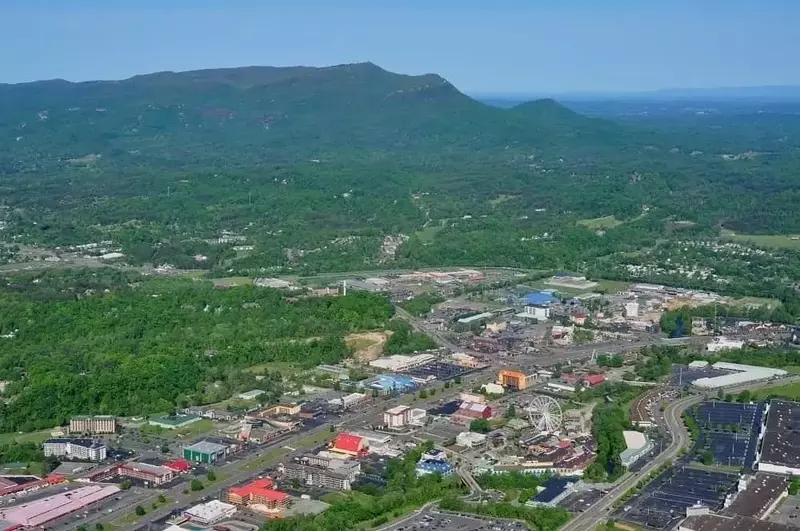
If you ever dreamed of dressing up like a gangster, cowboy or southern belle, you can now make that a reality at one of the Old Time Photo studios in Pigeon Forge! These fun studios offer the perfect opportunity to have a blast with your family and friends as you pose in a variety of outlandish costumes! The best part is that you can take a photo home as a souvenir to remember your vacation to the Smokies! Here are 4 places that you should visit for the best old time photos in Pigeon Forge:
4 Places to Visit for the Best Old Time Photos in Pigeon Forge4 Things Groups Love About Our Large Cabins in the Smoky Mountains
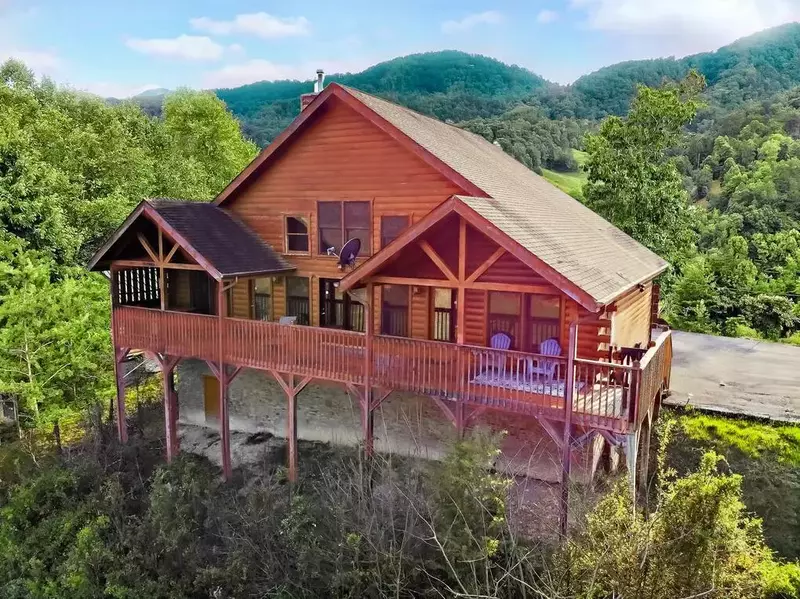
If you are trying to plan a vacation that can accommodate a large group of family and friends, sometimes hotels do not offer enough space for everyone to stay close enough to each other. Instead of trying to find a hotel with enough space for everyone on one floor, you should check out our cabins in the Smoky Mountains. There are many benefits to our cabins versus a hotel or a condo! Here are 4 of the things groups love our large cabins in the Smoky Mountains:
4 Things Groups Love About Our Large Cabins in the Smoky Mountains5 Perks of Staying in Our Gatlinburg Cabins With Pools
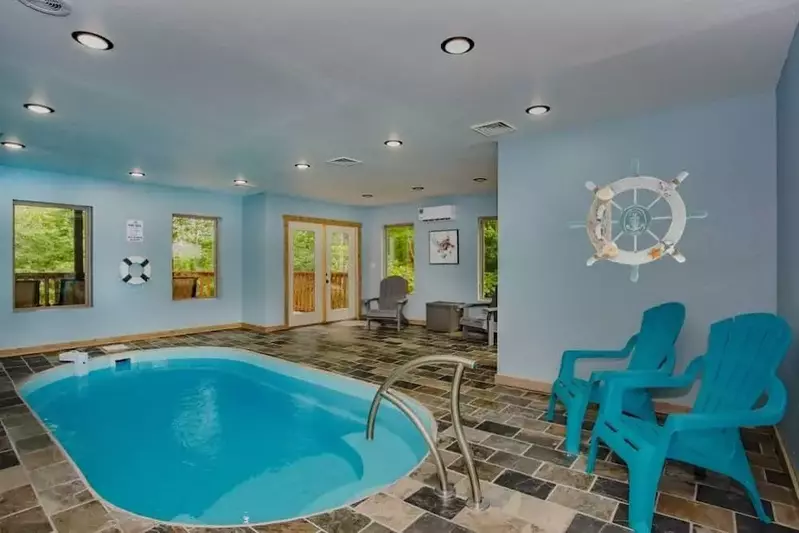
Have you been thinking about booking one of our <a href="/blog/gatlinburg-cabins-indoor-pools-home-theaters/">Gatlinburg cabins with pools</a> for your next vacation? There are so many benefits of staying in a cabin with an indoor pool or community pool access. You won’t have to spend as much money on entertainment, and you won’t have to go far from where you’re staying to have fun! Check out these 5 perks of staying in our Gatlinburg cabins with pools:
5 Perks of Staying in Our Gatlinburg Cabins With PoolsTop 7 Romantic Restaurants in Gatlinburg TN and the Smokies
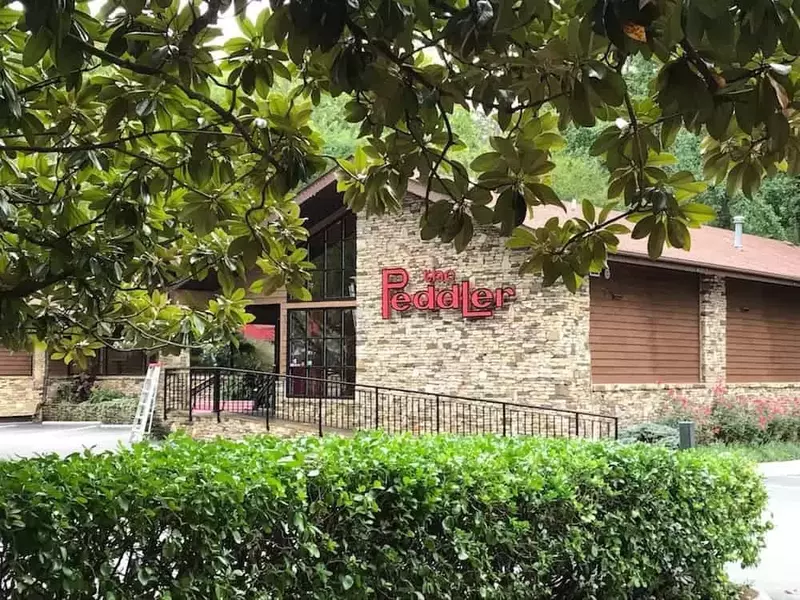
With its gorgeous scenery and unparalleled location at the doorstep of the Great Smoky Mountains National Park, it’s no wonder that Gatlinburg, Tennessee is a favorite destination for couples getaways! After a full day of soaking up the area’s natural beauty, you and your sweetheart will definitely want to visit one of the wonderful restaurants in town for a special dinner. To help you make the most of your next vacation, Timber Tops Cabin Rentals has put together a guide to seven of the most romantic restaurants in Gatlinburg TN and the Smoky Mountains.
Top 7 Romantic Restaurants in Gatlinburg TN and the SmokiesTop 5 Places to Play Mini Golf in Gatlinburg
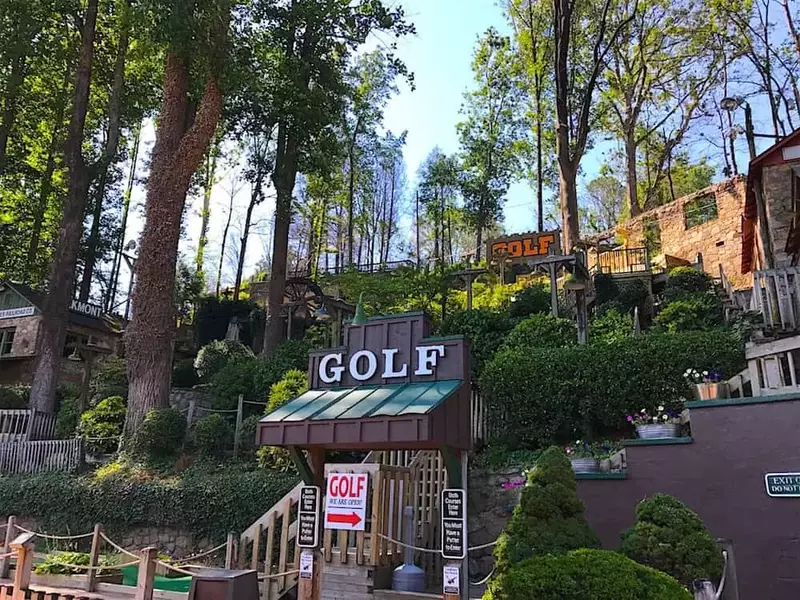
Mini golf is a fun activity the whole family or your entire group will love. There’s nothing more fun than taking an hour or two to play putt putt in Gatlinburg. There’s a wide variety of courses for visitors to play, and some of these mini golf courses in Gatlinburg allow you to play in the rain or shine! Check out these top 5 places to play mini golf in Gatlinburg:
Top 5 Places to Play Mini Golf in Gatlinburg5 Things to Do in the Great Smoky Mountains National Park for First Time Visitors
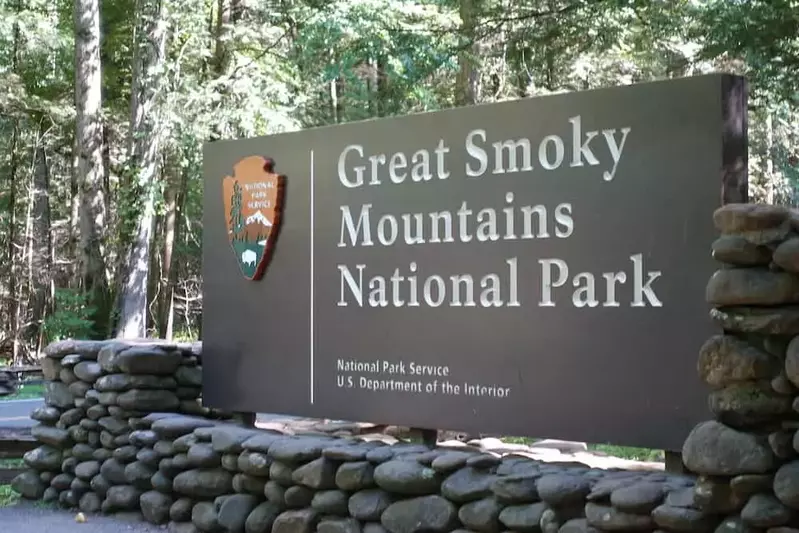
Have you never been to the <a href="https://smokymountainnationalpark.com/" target="_blank"> Great Smoky Mountains National Park </a> before? You may be wondering what you should do as a first time visitor to one of the most popular national parks in the country! You can go on a <a href="/blog/breathtakingly-scenic-drives-near-gatlinburg-tn/">scenic drive around the national park</a> and see the incredible sights or you can get out and explore along a trail. Here are 5 things to do in the Great Smoky Mountains National Park for first time visitors:
5 Things to Do in the Great Smoky Mountains National Park for First Time Visitors6 Fun Facts About Dolly Parton That You Might Not Know
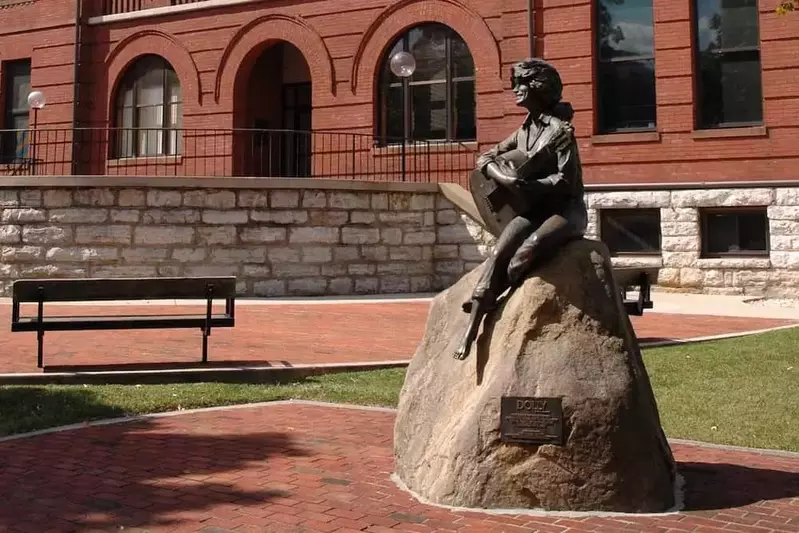
We all know that Dolly Parton is a woman of many talents. She’s a singer, a songwriter, an actress, a businesswoman, and so much more. But even though we know all these things about her, there are some things that only the biggest Dolly fans would know. Check out these 6 fun facts about Dolly Parton that you might not know:
6 Fun Facts About Dolly Parton That You Might Not KnowTop 4 Amusement Parks in Pigeon Forge To Visit After Dollywood

While nearly everyone is familiar with <a href="https://www.dollywood.com/" target="_blank"> Dollywood </a>, you will be delighted to know that Pigeon Forge is also home to several other fun amusement parks! You will find everything from gravity defying thrill rides to mild attractions just for toddlers, and they’re all just minutes away from our cabin rentals! Here are the top 4 amusement parks in Pigeon Forge to visit after Dollywood:
Top 4 Amusement Parks in Pigeon Forge To Visit After Dollywood3 Important Ways Pigeon Forge Cabin Resorts Enhance Your Vacation
Treat your family to true Smoky Mountain luxury during your next vacation by choosing to stay in one of our many Pigeon Forge cabin resorts. Not only do these communities offer guests a peaceful and relaxing atmosphere, but they also offer quite a few benefits that cannot be found with other vacation rentals. Here are a few examples:
3 Important Ways Pigeon Forge Cabin Resorts Enhance Your VacationWhere to Go for the Best Shopping in Pigeon Forge and Gatlinburg
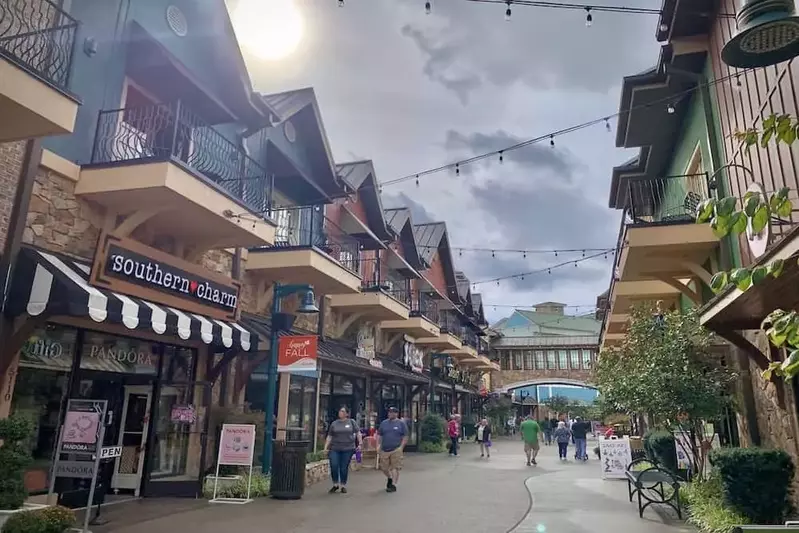
What better time to update your wardrobe than while vacationing in the Smoky Mountains? With so many shopping options in the area, you can dedicate a whole day to a shopping spree if you want! Whether your spending time on the Parkway in Pigeon Forge or on the downtown Gatlinburg strip, there will be tons of shops to choose from. Here is where to go for the best shopping in Pigeon Forge and Gatlinburg:
Where to Go for the Best Shopping in Pigeon Forge and Gatlinburg5 Reasons to Check Out the Gatlinburg Wine Trail
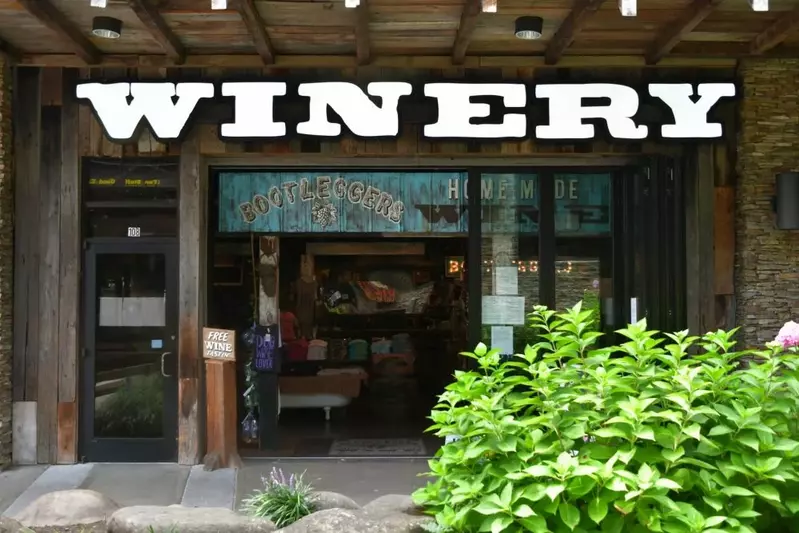
When you think of Gatlinburg, you might just think of moonshine tasting. But did you know there are several wineries where you can go wine tasting? One of the best ways to check out all the <a href="/blog/wineries-in-gatlinburg-and-the-smoky-mountains/">local wineries in the Smoky Mountains</a> is by going along the Gatlinburg Wine Trail. This is a fun activity to do with family and friends, and everyone will have fun doing it! Check out these top 5 reasons why you should experience the Gatlinburg Wine Trail:
5 Reasons to Check Out the Gatlinburg Wine Trail4 Animals You Wouldn’t Expect to Find in the Smoky Mountains
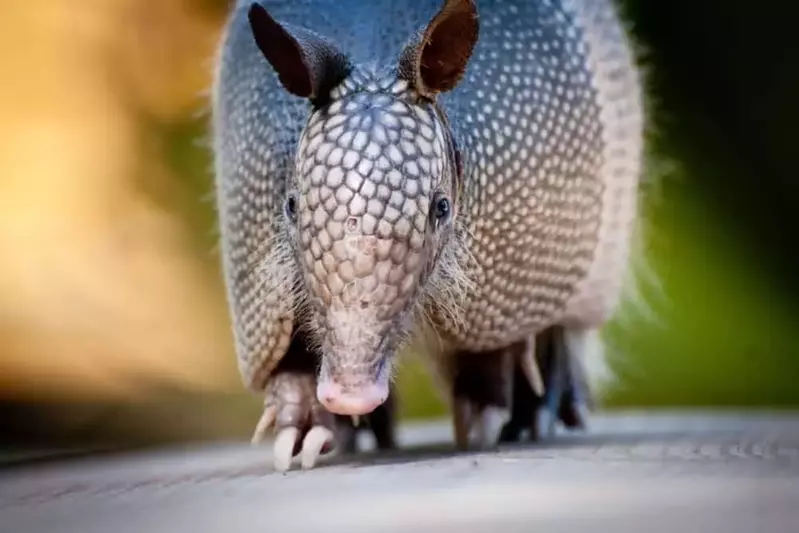
The Great Smoky Mountains are famous for their <a href="https://www.nps.gov/grsm/learn/nature/animals.htm" target="_blank"> wildlife </a>! From black bears to elk, there are plenty of iconic critters roaming around the mountains. In addition to these well-known animals, there are also a few animals in the Smoky Mountain that may come as a surprise to visitors. Find out more about these 4 animals you wouldn’t expect to see in the Smoky Mountains:
4 Animals You Wouldn’t Expect to Find in the Smoky MountainsTop 3 Ways to Make the Most of Your Stay at Smoky Mountain Cabins in the Spring
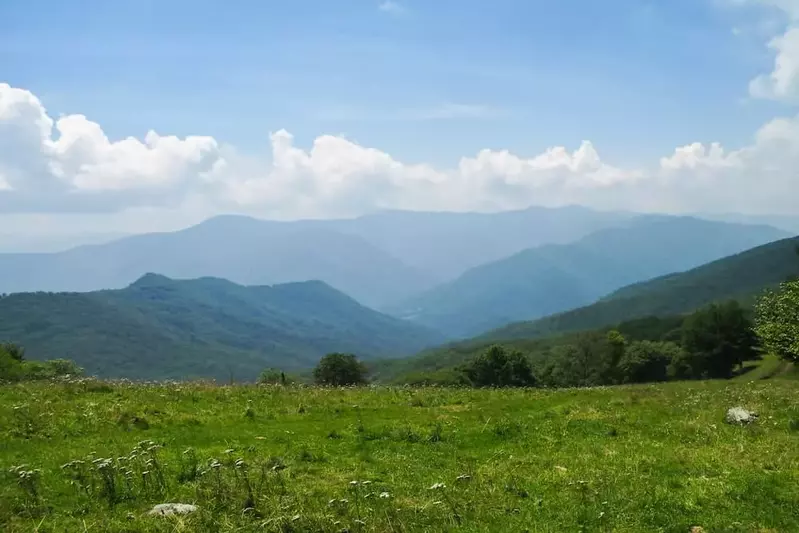
After a chilly winter, it’s time to welcome warm weather in the spring. What better way to welcome spring than to plan a trip to the Smoky Mountains? You’ll enjoy a vacation at our Smoky Mountain cabins since there’s so much to do during this time of year. Check out these top 3 ways to make the most of your stay at our Smoky Mountain cabins in the spring:
Top 3 Ways to Make the Most of Your Stay at Smoky Mountain Cabins in the Spring5 Fun Arcades in Pigeon Forge That You Need to Visit

If you love to play arcade games, just wait until you see some of the amazing arcades in the Smoky Mountains! Whether you love to play virtual reality and driving games, redemption games to win prizes or classic games like PacMan, Galaga and Space Invaders, you will have a blast spending hours in these awesome entertainment centers! Here are 5 fun arcades in Pigeon Forge that you need to visit:
5 Fun Arcades in Pigeon Forge That You Need to VisitTop 5 Ways Our Smoky Mountain Cabin Rentals Help to Reduce Your Stress
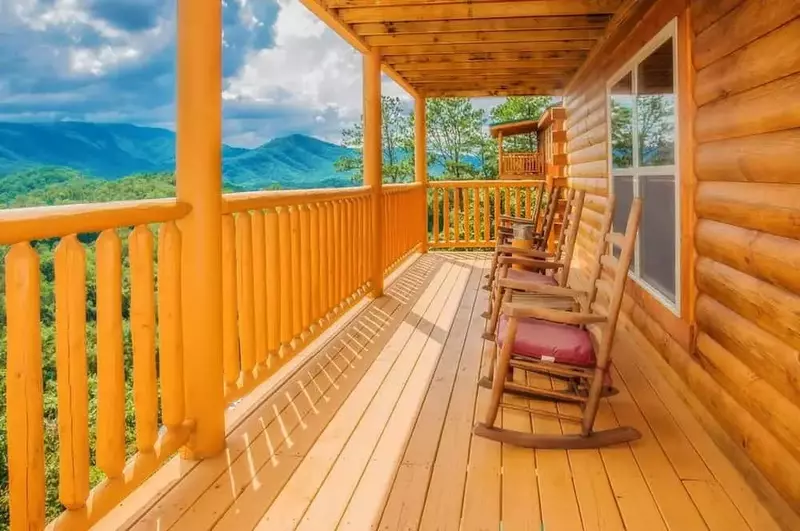
When you need a break from the stressful routine of daily life, set your sights on our cabins in the Smoky Mountains! Our beautiful cabins are in peaceful locations among the mountains and feature all the amenities you need to feel relaxed! Here are the top 5 ways our Smoky Mountain cabin rentals help to reduce your stress:
Top 5 Ways Our Smoky Mountain Cabin Rentals Help to Reduce Your StressTop 3 Places to Go on an ATV Ride in Pigeon Forge
Are you looking for a unique way to experience the scenic Smoky Mountains? You should go on some ATV rides in Pigeon Forge during your next visit! These tours take visitors through the rugged wilderness of the Great Smoky Mountains under the safe supervision of a trained guide. Here are the top 3 places for ATV rides in Pigeon Forge:
Top 3 Places to Go on an ATV Ride in Pigeon ForgeWhy an Overnight Rental Cabin in the Smoky Mountains is Better Than a Hotel
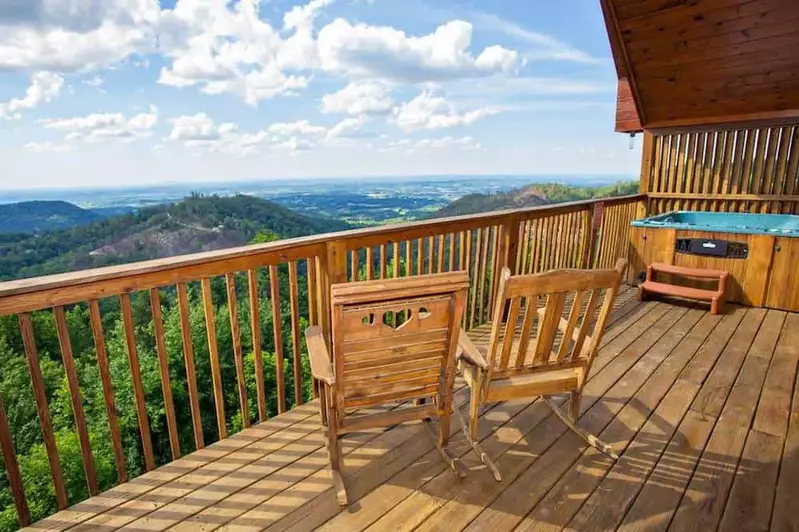
Imagine looking out of every window and seeing an open vista of indescribable beauty — trees and mountains in every direction. When you choose to stay in a cabin in the Smoky Mountains, you’ll be tucked away in the middle of all the gorgeous views. The deck of your cabin will provide mountain vistas as far as the eyes can see and privacy you won’t find at a busy hotel. Who wouldn’t rather stay in a cabin? For more convincing, we’ve listed the top 3 reasons why an overnight cabin in the Smoky Mountains is better than a hotel below:
Why an Overnight Rental Cabin in the Smoky Mountains is Better Than a HotelWhere to Find Art When You Stay in Our Luxurious Gatlinburg Cabins
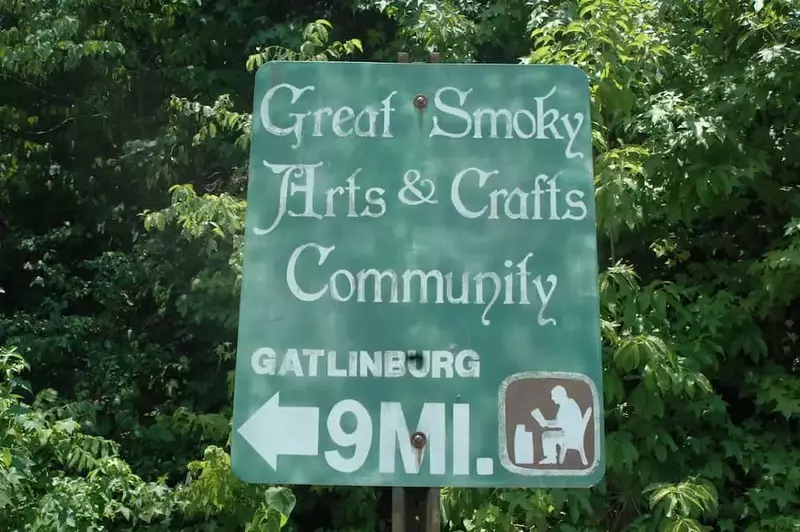
You don’t have to vacation in massive cities like NYC or Paris to find incredible artwork. There are tons of places to observe and even buy some fantastic pieces yourself in the Smoky Mountains. If you’re looking to take some some of your own Smoky Mountain art, you’ll have plenty of opportunities to. Here is where to find art when you stay in our luxurious Gatlinburg cabins:
Where to Find Art When You Stay in Our Luxurious Gatlinburg CabinsLearn About Planning a Business Trip in a Smoky Mountain Cabin
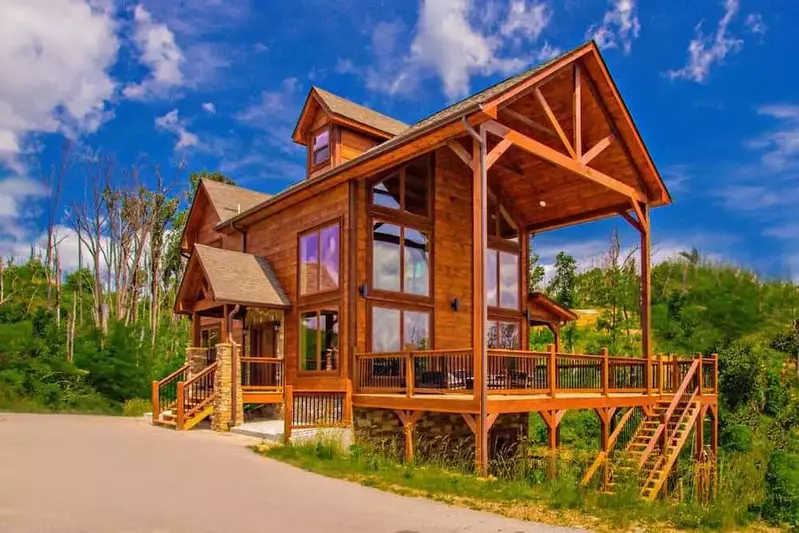
When companies begin planning a business trip, most envision staying in a standard hotel room with the same standard services offered. While this may be advantageous for an overnight stay, other options are available that can be beneficial to the business traveler. Extended stay hotels can be utilized for long business trips, but travelers should know they have other options available. Vacation rental homes can be a favorable alternative. Keep reading to learn about planning a business trip in a Smoky Mountain cabin:
Learn About Planning a Business Trip in a Smoky Mountain Cabin4 Things to Know Before You Go Hiking in the Smokies
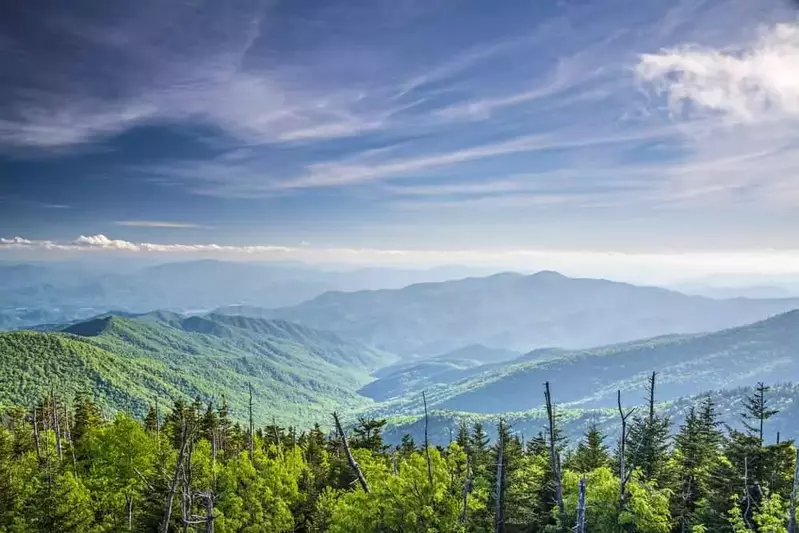
If you enjoy hiking, the <a href="/area-resources/history-great-smoky-mountains/">Smoky Mountains</a> are a great place to go hiking while you’re in town. Located on the border between North Carolina and Tennessee, the Smoky Mountains are home to some of the most beautiful hiking trails in the country. There are many different trails with different features and levels of difficulty. Some are known for their wildflowers, while others lead to waterfalls or extraordinary views of the landscape. Whether you are an experienced hiker or a newcomer to the field, there is definitely going to be a hiking trail you will enjoy in the Smoky Mountains. Before you head out on the trails, check out these 4 things you should know before you go hiking in the Smokies:
4 Things to Know Before You Go Hiking in the Smokies100 Year Old Great Smoky Mountains Church Earns National Recognition
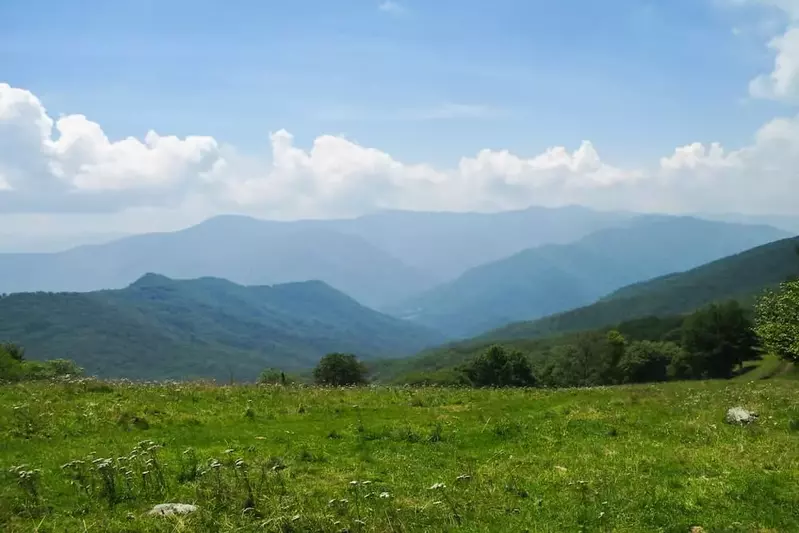
The Great Smoky Mountains are a place where history meets beauty. Throughout the area, visitors can explore historic structures and experience breathtaking views of the Great Smoky Mountains. All of this holds true for one Smoky Mountain church that earned national recognition this year.
100 Year Old Great Smoky Mountains Church Earns National RecognitionUltimate Bucket List of Attractions in Gatlinburg and Pigeon Forge
If you have never been to the Smokies, you’re probably wondering what you should do when you’re in the area. There are so many amazing attractions in Gatlinburg and Pigeon Forge, so you may have a hard time deciding what you should do. We want to share some of the top things to do with you! Here’s the ultimate bucket list of attractions in Gatlinburg and Pigeon Forge:
Ultimate Bucket List of Attractions in Gatlinburg and Pigeon Forge4 Benefits of Staying in Cabins for Rent in Pigeon Forge TN
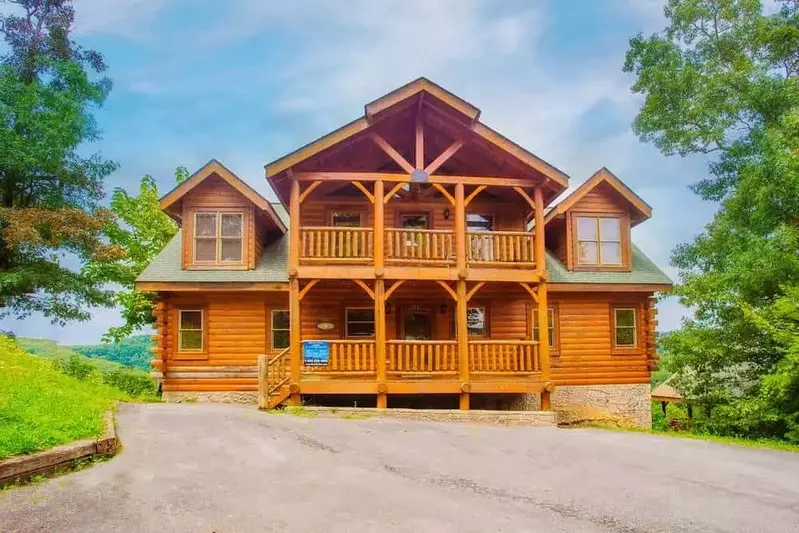
The best place to spend your vacation is at one of our cabins for rent in Pigeon Forge TN. Whether you visit many times a year or you’ve never visited before, there’s plenty of reasons to stay in one of these cabins. You can find any size, they aren’t far from fun activities, and there are several perks in the cabins. Here are the 4 benefits of staying in cabins for rent in Pigeon Forge TN:
4 Benefits of Staying in Cabins for Rent in Pigeon Forge TN4 Reasons a Gatlinburg Cabin Wedding Is Right for Your Big Day

If you’re looking for a simple, yet elegant wedding day, a Gatlinburg cabin wedding may be right for you. With a great location and views, plus all the amenities you could need, these cabins make for the perfect spot to tie the knot. Whether you want a big or small wedding, we can’t suggest these cabins enough. Here are 4 reasons a Gatlinburg cabin wedding is right for your big day:
4 Reasons a Gatlinburg Cabin Wedding Is Right for Your Big DayTop 3 Things to Know About the SkyTrail Coming to Gatlinburg SkyLift Park
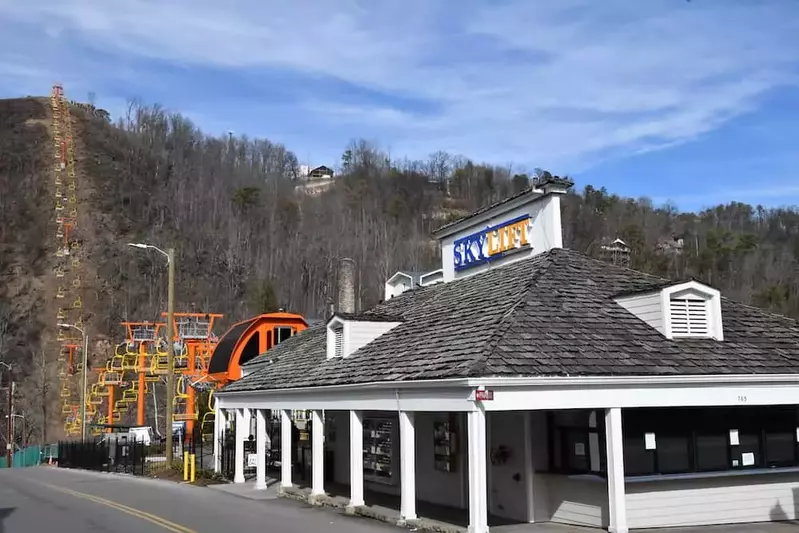
Gatlinburg SkyLift Park is already one of the most exciting destinations in the Smokies, and it’s about to get even better this spring with the addition of the <a href="https://www.gatlinburgskypark.com/skypark/skytrail" target="_blank"> Gatlinburg SkyTrail </a>! This scenic walkway will connect each end of the SkyBridge and provide the unique opportunity to enjoy a leisurely walk on top of the mountains! Here are the top 3 things you need to know about the SkyTrail coming to Gatlinburg SkyLift Park:
Top 3 Things to Know About the SkyTrail Coming to Gatlinburg SkyLift Park4 Ways to Save Money on Your Pigeon Forge Cabin Vacation
Our <a href="https://www.smokymountainvacation.com/" target="_blank"> Pigeon Forge cabins </a> are the perfect place to stay when you visit the Great Smoky Mountains. Not only will you enjoy spectacular mountain views and a large variety of activities and events close by, but you can also save money when you stay in one of our cabins. From checking out our specials to cooking your own meals, there are several ways you can keep your trip affordable. Here are 4 ways to save money on your Pigeon Forge cabin vacation:
4 Ways to Save Money on Your Pigeon Forge Cabin VacationTop 4 Reasons to Try One of the Pink Jeep Tours in Pigeon Forge
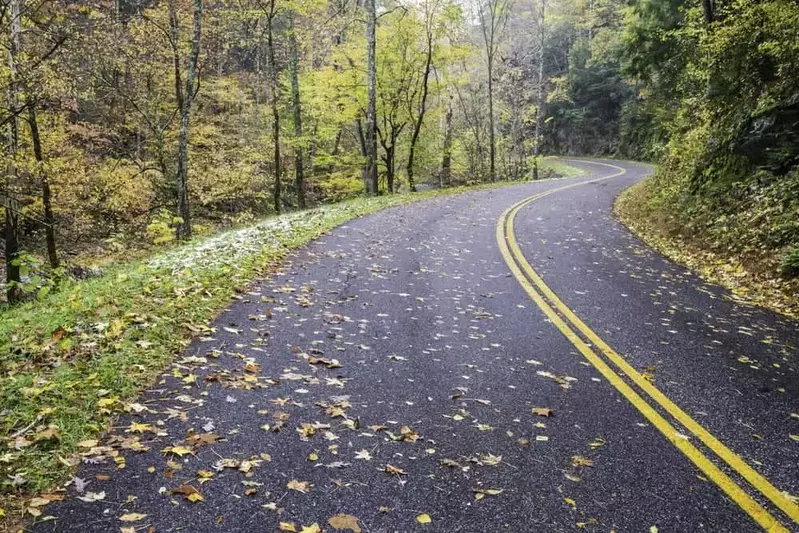
If you are looking for the best way to experience the Smoky Mountains, hop aboard one of the new <a href="https://www.pinkadventuretours.com/tours/smoky-mountain-tours" target="_blank"> Pink Jeep Tours in Pigeon Forge </a>! This professional tour operator is renowned for their jeep tours in Sedona, Las Vegas, and the Grand Canyon, so now you can see what all the hype is about in the Smokies! Here are the top 4 reasons why you should try one of the Pink Jeep Tours in Pigeon Forge:
Top 4 Reasons to Try One of the Pink Jeep Tours in Pigeon ForgeBrief History of the Great Smoky Mountains National Park
The <a href="https://smokymountainnationalpark.com/" target="_blank"> Great Smoky Mountains National Park </a> is a true American treasure. It is the most visited of all of the national parks, receiving more than 10 million visitors every year. Located on the border of western North Carolina and eastern Tennessee, the park was opened in 1940 by President Franklin D. Roosevelt. Its area is just over 800 square miles, and the nearest towns are Cherokee, North Carolina and Gatlinburg, Tennessee. Here is a brief history of the Great Smoky Mountains National Park:
Brief History of the Great Smoky Mountains National ParkTop 5 Family Friendly Sevierville Restaurants You Should Try
Want to get delicious food while you’re in town with your family? There are so many Sevierville restaurants you’ll want to try. You can find classic American food, barbeque, and southern food. Everyone in your family will find something they will want! Here are the top 5 family friendly Sevierville restaurants you should try:
Top 5 Family Friendly Sevierville Restaurants You Should TryGet Away From It All in One of Our Secluded Cabins in Gatlinburg
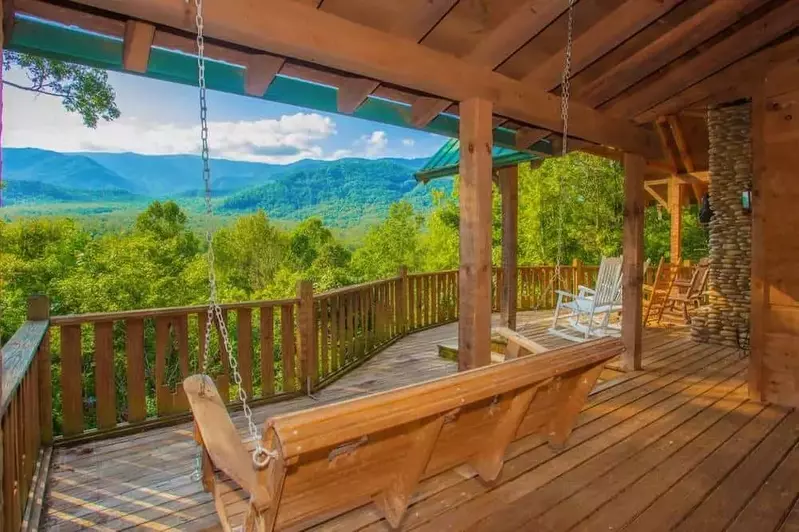
Nestled in the Great Smoky Mountains, Gatlinburg is the perfect destination to get away from it all! If you want to reconnect with your spouse, your family, or yourself, one of our <a href="/cabin-rentals/secluded-cabins/">secluded cabins in Gatlinburg</a> are just what you need. Our secluded cabins are tucked away from other cabins and the busy streets of downtown Gatlinburg. You’ll have no problems relaxing when you choose a secluded cabin for your vacation! Learn more about our secluded cabins in Gatlinburg below.
Get Away From It All in One of Our Secluded Cabins in GatlinburgTop 3 Family Friendly Christmas Shows in Pigeon Forge
![comedy-barn[1]](/media/657441f281528090f1e4e535/large.webp)
If you have a Grinch in your group this holiday, we have a solution to make even the smallest heart grow with Christmas spirit! Everyone in the Smokies is filled with holiday joy and transforming the area into a wonderland full of Christmas lights and caroling cheer. Since we’re all so holly and jolly, staying in one of our holiday decorated cabins followed by days of exciting Christmas shows in Pigeon Forge is the answer to turn your Grinch troubles into thoughts of sugar plums. Here are the top 3 family friendly Christmas shows in Pigeon Forge you will want to see while you’re in town:
Top 3 Family Friendly Christmas Shows in Pigeon Forge4 Reasons You Will Love Our Semi Secluded Cabins in Gatlinburg
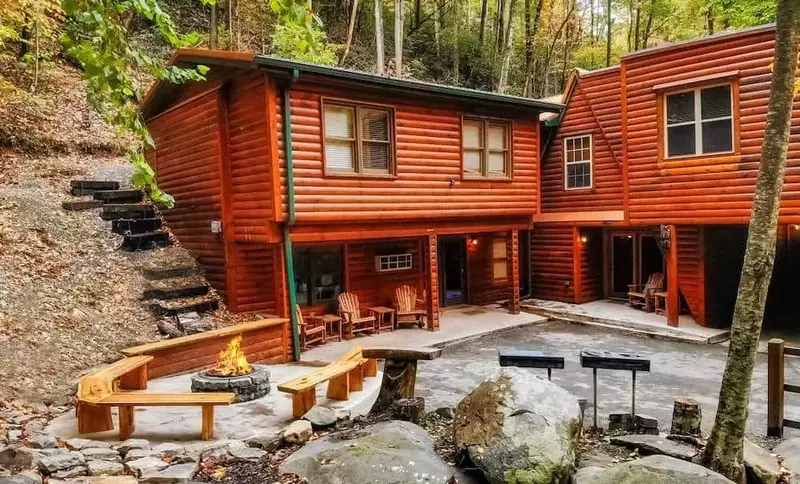
When you go on vacation, you probably want to get away from it all. You want to feel off the grid without actually being too far away from all the fun things you want to do. You need the perfect place to stay, and our semi secluded cabins in Gatlinburg are it! Here are 4 reasons why you will love our semi secluded cabins in Gatlinburg:
4 Reasons You Will Love Our Semi Secluded Cabins in Gatlinburg7 New Things to Do in Pigeon Forge and the Smoky Mountains
Who doesn’t love new things to do in Pigeon Forge and the Smoky Mountains? We want to share some of the cool shops, attractions, and eateries you’ll want to check out the next time you’re in town. Here are 7 new things to do in Pigeon Forge and the Smoky Mountains:
7 New Things to Do in Pigeon Forge and the Smoky MountainsThe Top 4 Christmas Shows in Pigeon Forge You Don’t Want to Miss
Pigeon Forge is known for all kinds of <a href="/blog/dinner-shows-pigeon-forge-tn/">entertaining shows</a>, from musical entertainment to comedy. When you visit the Smoky Mountains during the holiday season, we recommend attending one of the area’s fantastic Christmas shows. Filled with sing-along music and plenty of good cheer, these performances are the perfect way to get in the holiday spirit. To help you learn more about them, we’ve put together a guide to the top 4 Christmas shows in Pigeon Forge:
The Top 4 Christmas Shows in Pigeon Forge You Don’t Want to Miss4 of the Best Ice Cream Shops in Pigeon Forge to Try on Your Vacation
It’s never a bad time for ice cream! Whether it’s a hot summer day or you’re just craving something sweet, you’ll love all the opportunities to enjoy a frozen treat in Pigeon Forge. To help you decide where you want to stop during your vacation, we’ve put together a list of 4 of the best ice cream shops in Pigeon Forge!
4 of the Best Ice Cream Shops in Pigeon Forge to Try on Your Vacation5 Smoky Mountain Restaurants You Really Don’t Want to Miss
One of the best things about going on vacation is you don’t have to cook. You get to go out and try new food or eat at restaurants you don’t have back home. You can find local gems or try a chain restaurant you haven’t been to before. Check out these 5 Smoky Mountain restaurants you really don’t want to miss:
5 Smoky Mountain Restaurants You Really Don’t Want to Miss4 Inexpensive Things To Do In Pigeon Forge
If you and your family or group are looking to enjoy a fun and memorable vacation but don’t want to exceed your budget, we guarantee you will love exploring all of our favorite inexpensive things to do in Pigeon Forge. From planning a picnic to enjoying a thrilling dinner show, you are sure to love all of these amazing travel ideas. Here are 4 inexpensive things to do in Pigeon Forge:
4 Inexpensive Things To Do In Pigeon Forge5 Packing Tips for Staying at Smoky Mountain Cabin Rentals in the Fall

Fall is one of the most beautiful seasons in the Smoky Mountains. Getting away to Gatlinburg or Pigeon Forge in the fall gives you some time to recharge in between summer and the holiday season. We have many Smoky Mountain cabin rentals that are perfect for any fall season vacation. The following are five helpful packing tips in case you decide to pay us a visit as the leaves start changing color.
5 Packing Tips for Staying at Smoky Mountain Cabin Rentals in the FallTop 4 Hole-in-the-Wall Places to Eat in Sevierville TN
Are you looking for unique things to do while you’re in the Smokies? You’ll find all kinds of fun activities, but there are also a ton of hole-in-the-wall places to eat in Sevierville you should check out. With a variety of different cuisines, you’ll find something for everyone! Here are the top 4 hole-in-the-wall places to eat in Sevierville TN:
Top 4 Hole-in-the-Wall Places to Eat in Sevierville TNTop 3 Things to Know About Fall Colors in the Smokies
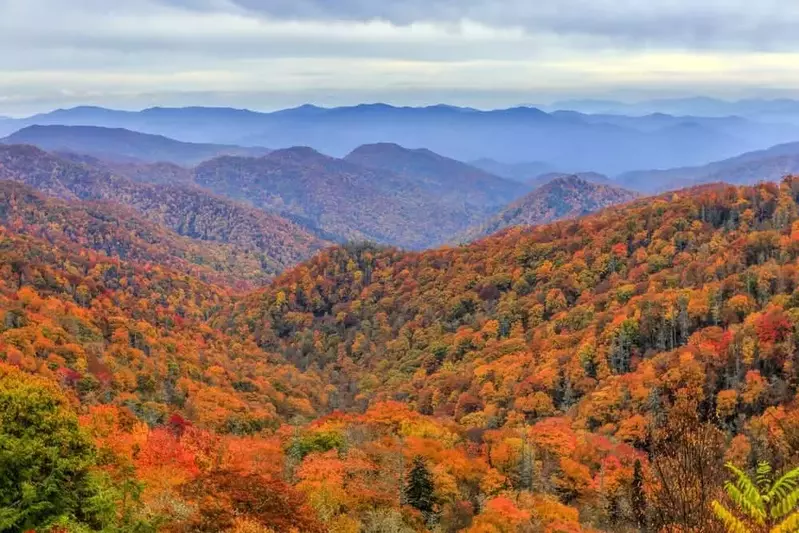
Enjoy the majestic fall colors in the Smokies when you rent a cabin in Gatlinburg. If there has been a lot of rain, the colors are usually bolder compared to a year when there hasn’t been as much rain. When you plan your trip to the Smokies, be sure to include some time at the festivals in the area that celebrate the autumn colors.
Top 3 Things to Know About Fall Colors in the SmokiesTop 8 Foods You Have to Try in the Smoky Mountains in the Fall

Though most people come to the Smoky Mountains during the fall to <a href="/blog/complete-guide-to-fall-foliage-in-the-smoky-mountains/">admire the breathtaking fall foliage</a>, it’s also a paradise for food lovers! Everything from warm apple cider to pumpkin-flavored favorites can be found here. During fall, locally grown apples, pumpkins, corn and more are brought into town to create some of the most delicious treats. Here are the top 8 foods you have to try in the Smoky Mountains in the fall:
Top 8 Foods You Have to Try in the Smoky Mountains in the FallTop 4 Reasons to Eat at the MonsterMash Restaurant in Sevierville TN
If you’re looking for a place to go for incredible food and a great theme, you should eat at MonsterMash Burgers. This monster-themed hamburger and hot dog restaurant in Sevierville TN is inspired by the love of classic monster movies, books, and legends, making it one of the most unique places to eat in the Smokies! Here are the top 4 reasons why you need to dine at the MonsterMash restaurant in Sevierville TN:
Top 4 Reasons to Eat at the MonsterMash Restaurant in Sevierville TNAll About Lumberjack Feud in Pigeon Forge
Have you been to <a href="https://www.pigeonforgetnguide.com/coupons/lumberjack-feud/" target="_blank"> Lumberjack Feud in Pigeon Forge </a> yet? If you haven’t, you definitely need to go the next time you’re in town! There are several things you’ll love about the show, and your whole family will want to check out the Adventure Park. Keep reading to learn more about Lumberjack Feud in Pigeon Forge:
All About Lumberjack Feud in Pigeon ForgePlan Your Fall Vacation: 4 Tips for Visiting the Smoky Mountains in the Fall
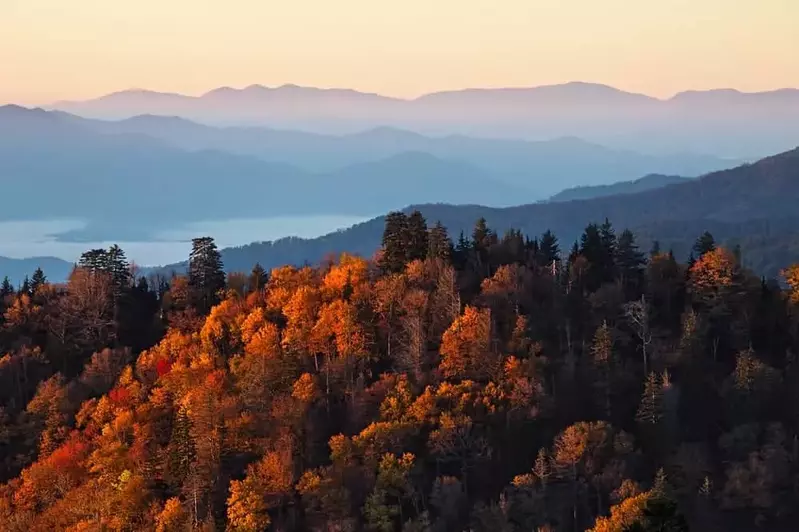
The Smoky Mountains are beautiful all year long, but there is something special about the way they come alive during the fall. You don’t want to miss your chance to visit during this beautiful season, so start planning your fall vacation today! From festivals and events to <a href="/blog/fall-colors-in-the-smokies/">breathtaking fall foliage</a>, there are so many things to experience in the Smokies! To help guarantee you have the best vacation, we’ve put together 4 tips for visiting the Smoky Mountains in the fall:
Plan Your Fall Vacation: 4 Tips for Visiting the Smoky Mountains in the Fall3 of the Best Guided Tours of the Smoky Mountains
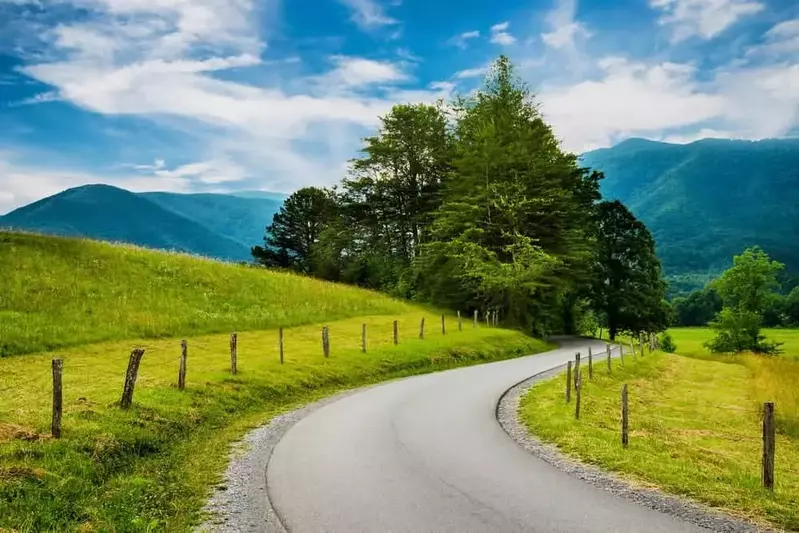
One of the best ways to experience the beauty of the Smokies is with a professional guided tour! After all, it is hard to admire all the incredible scenery while trying to focus on the road! Leave the driving to someone else as you sit back, relax and learn all kinds of great information about the region! As a bonus, you will get to visit plenty of unique locations that you might not have otherwise seen on your trip! Here are 3 of the best guided tours of the Smoky Mountains:
3 of the Best Guided Tours of the Smoky Mountains6 Advantages of Vacationing at Our Secluded Pigeon Forge Cabins
With clean mountain air, incredible natural beauty, friendly locals, and some of the very best restaurants and entertainment in the Southeast, Pigeon Forge is the perfect location for a getaway. We know how important it is to have privacy and feel like you’re far away from it all. Here are 6 advantages of spending your vacation at one of our secluded Pigeon Forge cabins:
6 Advantages of Vacationing at Our Secluded Pigeon Forge CabinsTop 4 Things to Do in the Great Smoky Mountains in Summer
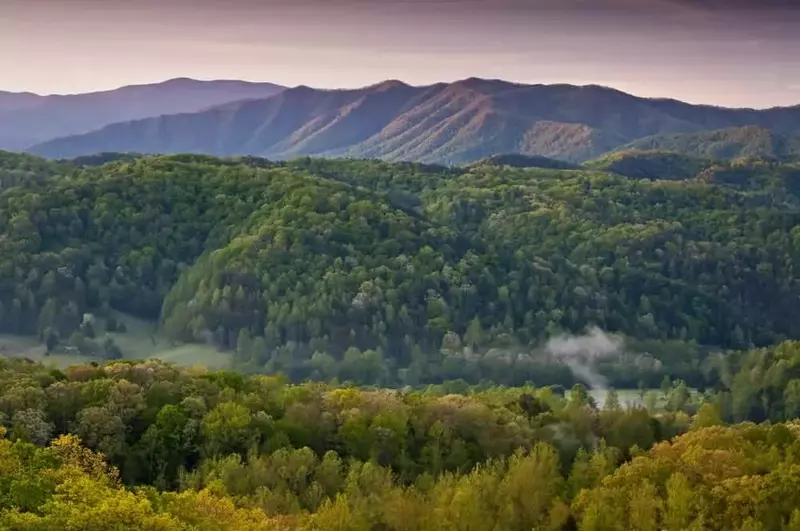
Are you planning a trip to the Great Smoky Mountains in the summer but you aren’t sure what you should do while you’re visiting? There are a ton of fun things to do in the national park! You can spend some time outside when you go on a hike or enjoy the beauty of the area from the comfort of your car. Check out these top 4 things to do in the Great Smoky Mountains in summer:
Top 4 Things to Do in the Great Smoky Mountains in SummerTop 5 Activities in Gatlinburg for Adults to Do on Vacation
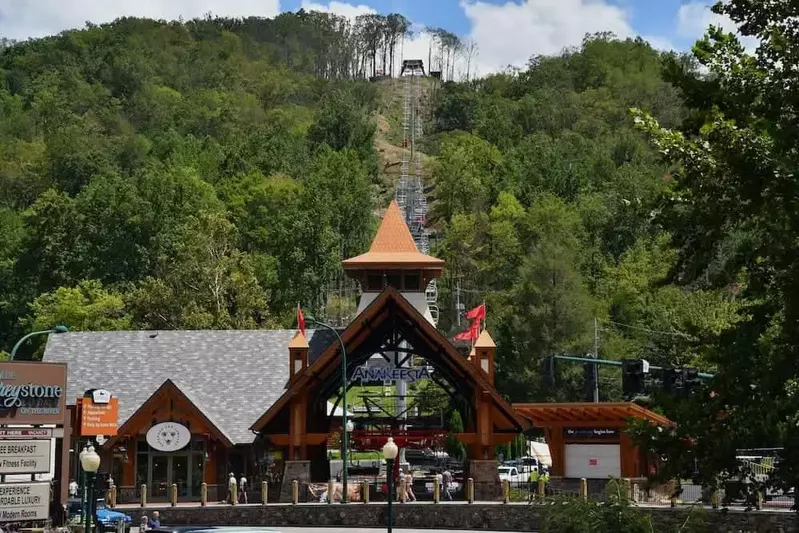
Are you planning a trip with your friends to the Smoky Mountains? There are plenty of activities in Gatlinburg for adults to enjoy! From wine tasting to adventurous activities, you and your friends will have a blast visiting the Smokies! Here are the top 5 activities in Gatlinburg for adults to do on vacation:
Top 5 Activities in Gatlinburg for Adults to Do on VacationTop 5 Fun Things to Do in Gatlinburg with Your Kids
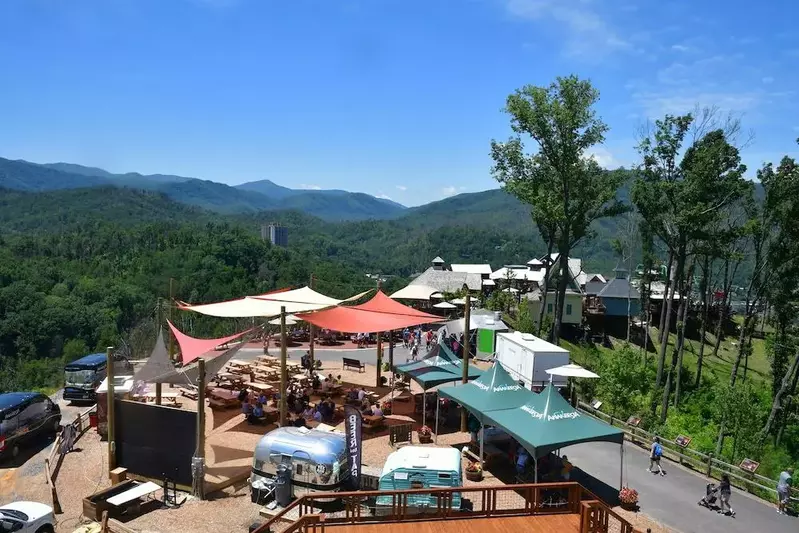
We know how important it is to you to have a plan for what you will do when you’re in town. You want to know where you are going and make sure the whole family will have fun. There’s so much you can do as a family! Here are the top 5 fun things to do in Gatlinburg with your kids:
Top 5 Fun Things to Do in Gatlinburg with Your Kids6 Facts You Should Know About the Great Smoky Mountains
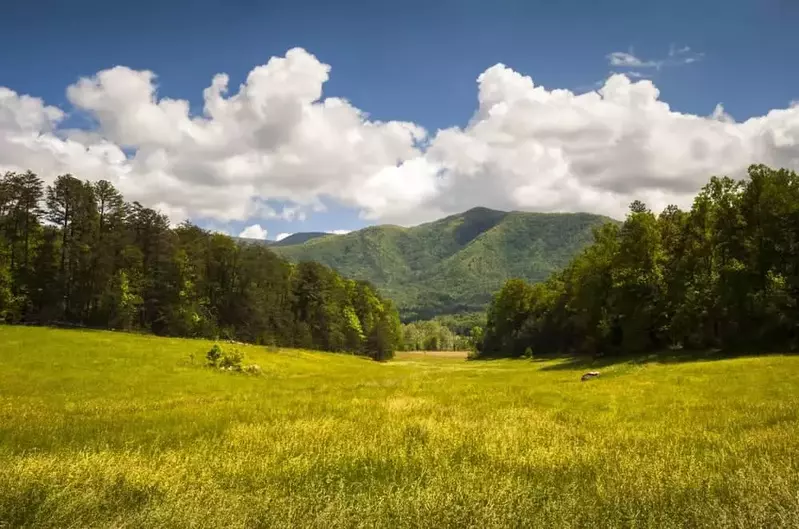
If you’ve ever stayed with us before, you have probably visited the Great Smoky Mountains. As one of the most popular national parks in the country, we thought you should know more about this beautiful area, especially since we are right next door! Here are 6 facts you should know about the Great Smoky Mountains:
6 Facts You Should Know About the Great Smoky Mountains3 New Axe Throwing Attractions in Pigeon Forge TN to Experience This Spring

One of the newest attraction trends in the country right now is axe throwing, a fun target sport similar to darts where you earn points determined by where your axe lands! Several of these attractions have opened in Pigeon Forge and provide you with the unique opportunity to step out of your comfort zone, bring out your inner lumberjack and learn how to throw an axe! Here are the 3 new axe throwing attractions in Pigeon Forge TN you can look forward to this spring:
3 New Axe Throwing Attractions in Pigeon Forge TN to Experience This SpringTop 5 Ways to Prepare for a Fun-Filled Day at Dollywood

Spring is just around the corner, which means Dollywood will soon be opening their gates for another season of fun and thrills! This means that you can be one of the first guests of the year to ride the Lightning Rod roller coaster or to see one of the world-class shows! If you are planning a first-time visit to the popular Tennessee theme park, we have several awesome tips that can help make the most of your day! Here are the top 5 ways to prepare for a fun-filled day at Dollywood:
Top 5 Ways to Prepare for a Fun-Filled Day at DollywoodTips for Getting Ready for Your Gatlinburg Vacation
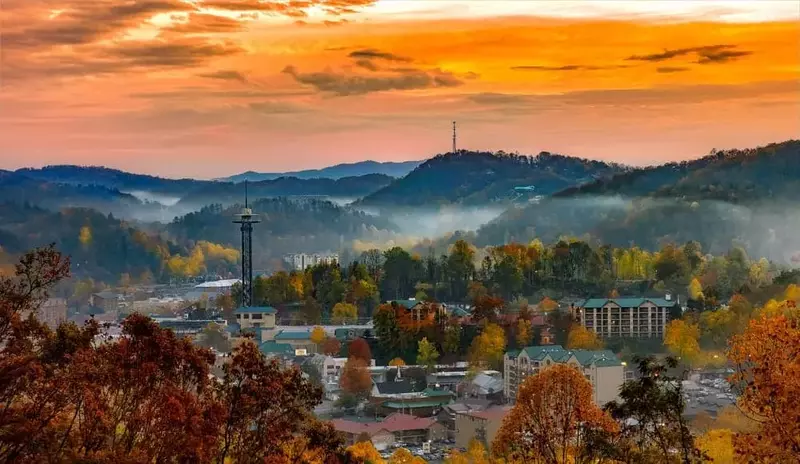
Getting ready for your vacation is always a great experience. The preparation phase helps you get into vacation mood and help you start enjoying your vacation right from the moment you hit the roads. Here are a few tips for planning your Gatlinburg vacation:
Tips for Getting Ready for Your Gatlinburg Vacation6 New Smoky Mountain Attractions Opening in 2020 You Can’t Miss
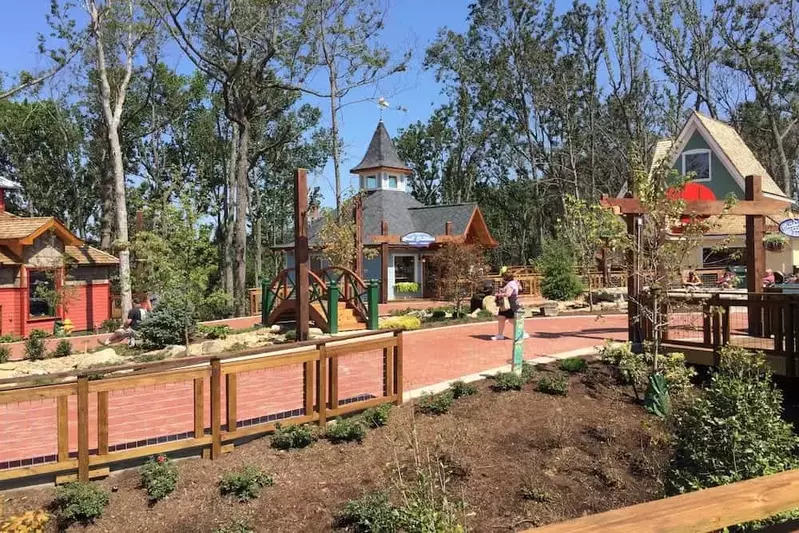
Everyone loves when something new comes to the Smokies! We want to share some of the newest Smoky Mountain attractions with you! From new restaurants to exciting things to do, there’s a little something for everyone coming this year. Look at these 6 new Smoky Mountain attractions opening in 2020 you can’t miss:
6 New Smoky Mountain Attractions Opening in 2020 You Can’t Miss3 Amazing Places to Eat While Visiting The Old Mill in Pigeon Forge
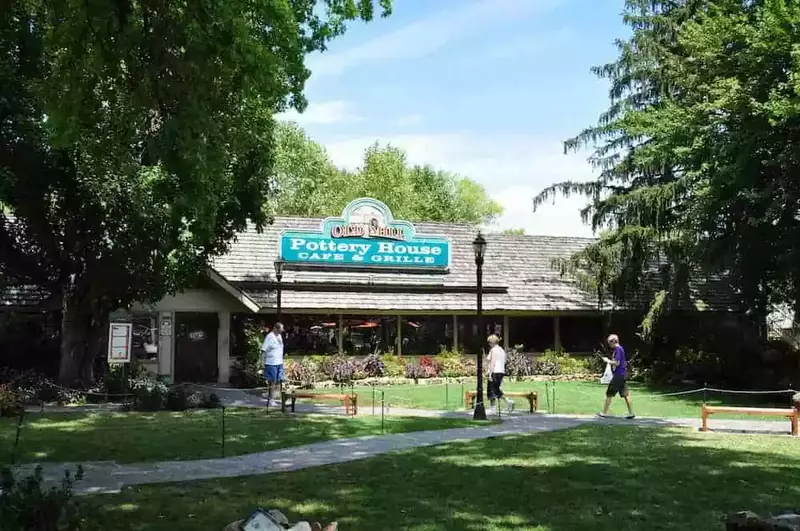
The Old Mill in Pigeon Forge is a historic dining and shopping complex that is one of the most popular destinations in the Smoky Mountains! The Old Mill itself is one of the oldest continually operating grist mills in the country and is on the National Register of Historic Places for its unique place in American history. While stopping to see this iconic structure, don’t miss the opportunity to dine at one of the tempting restaurants on site! Here are 3 amazing places to eat while visiting the Old Mill in Pigeon Forge:
3 Amazing Places to Eat While Visiting The Old Mill in Pigeon Forge5 Things You Didn’t Know About the Hatfield and McCoy Show in Pigeon Forge
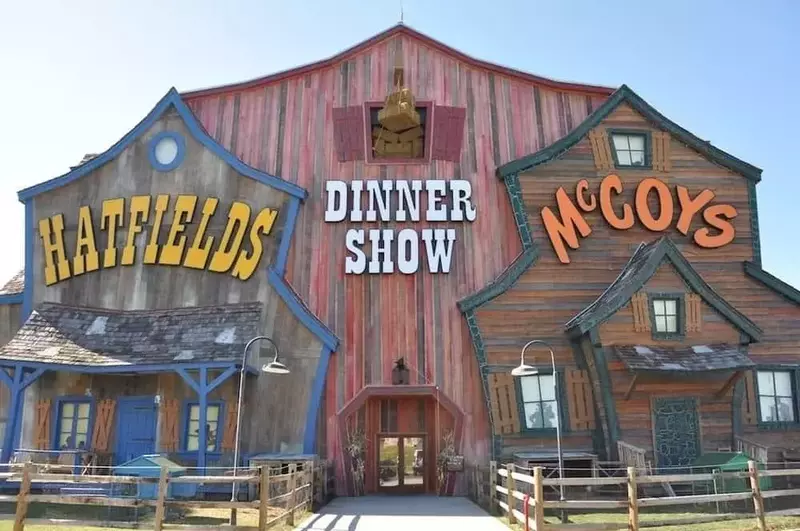
If you’re looking for an unforgettable night out in Pigeon Forge, TN, it’s hard to beat the <a href="https://www.pigeonforgetnguide.com/coupons/hatfield-mccoy-dinner-show/" target="_blank"> Hatfield & McCoy Dinner Feud </a>! This one-of-a-kind show puts the spotlight on the world’s longest feuding families, the Hatfields and McCoys in Pigeon Forge, as they attempt to settle their differences once and for all. Featuring laugh out loud comedy, incredible stunts, and a mouthwatering all-you-can-eat Southern feast, this amazing show truly has something for everyone. To help you make the most of your next vacation, Timber Tops Cabin Rentals has put together five fun facts that you probably didn’t know about the Hatfield and McCoy show in Pigeon Forge.
5 Things You Didn’t Know About the Hatfield and McCoy Show in Pigeon ForgeEverything You Need to Know About Ober Gatlinburg Snow Tubing

One of the most popular winter activities in the Smokies is open for the season! <a href="/blog/reasons-snow-tubing-smoky-mountains/">Ober Gatlinburg snow tubing</a> for the season has begun. To help you learn more about this fun thing to do in the Smoky Mountains, we’ve put together a guide of everything you need to know about snow tubing at Ober Gatlinburg. Read on to learn more about this Smoky Mountain tradition.
Everything You Need to Know About Ober Gatlinburg Snow TubingTop 4 Places to Eat in Pigeon Forge if You Want Southern Food
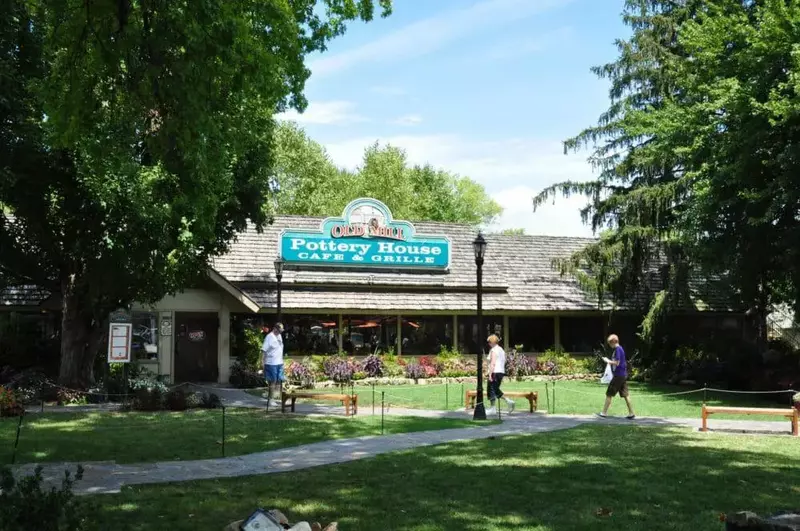
When you’re in East Tennessee, you probably want to eat southern food! There are plenty of places to eat in Pigeon Forge that serve southern food. Here are the top 4 places to eat in Pigeon Forge if you want southern food:
Top 4 Places to Eat in Pigeon Forge if You Want Southern FoodTimber Tops Named Best Cabin Rental Company in Pigeon Forge
We have exciting news! We’ve been named the best cabin rental company in Pigeon Forge! PigeonForge.com released their winners for the Best of Pigeon Forge 2019, and Timber Tops came in first place for Best Cabin Rentals and Best Pet Friendly Lodging. We are honored to be given these awards and love providing Smoky Mountain visitors with the perfect home away from home. Here’s what makes us the best cabin rental company in Pigeon Forge:
Timber Tops Named Best Cabin Rental Company in Pigeon Forge4 Fun Mirror Maze Attractions in Pigeon Forge and Gatlinburg
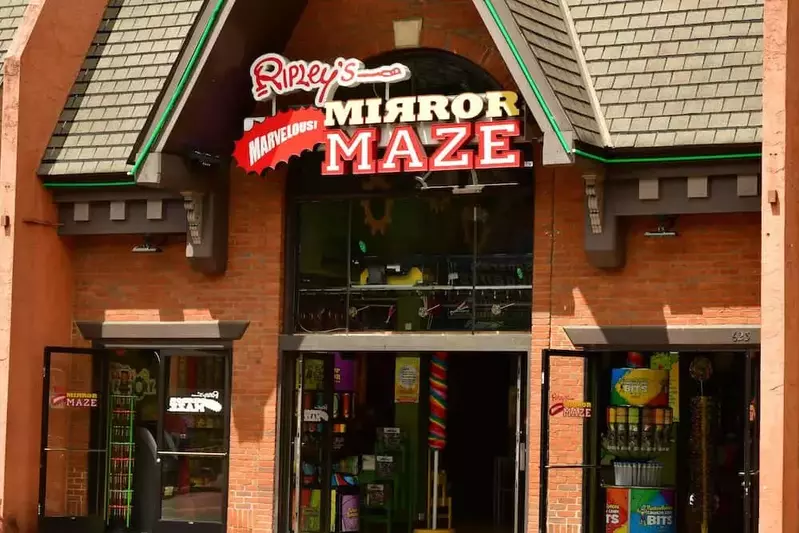
See if you have what it takes to navigate through a labyrinth of mirrors in one of the fun mirror maze attractions in the Smokies! These awesome mirror mazes take the traditional funhouse attraction to the next level with incredible special effects, lighting, and other exciting elements! Here are 4 fun mirror maze attractions in Pigeon Forge and Gatlinburg you need to experience during your Smoky Mountain vacation:
4 Fun Mirror Maze Attractions in Pigeon Forge and GatlinburgThanksgiving in Gatlinburg and Pigeon Forge: Top 5 Activities for Your Holiday Getaway

If you’re looking for something different this Thanksgiving, we recommend celebrating the holiday in the Great Smoky Mountains! The breathtaking scenery of East Tennessee provides the perfect backdrop for a few days spent enjoying food and fun with the people you love the most. When you stay at one of our cabins in the foothills of the mountains, you will have the perfect home away from home for your getaway. To help you make the most of your Thanksgiving in Gatlinburg and Pigeon Forge, Timber Tops Cabin Rentals has put together a guide to all of the wonderful holiday activities going on in the Smokies.
Thanksgiving in Gatlinburg and Pigeon Forge: Top 5 Activities for Your Holiday Getaway5 New Restaurants in Pigeon Forge and the Smoky Mountains You Have to Try
The Smoky Mountains are home to so many delicious places to eat, and more and more are opening each year. If you want to try something new on your next vacation in the Smokies, you’re in luck — you’ll have plenty of options! Whether you’re in the mood for barbeque, seafood, or breakfast, you can find it in the Smoky Mountains. To help you decide where to dine, we’ve made a list of 5 new restaurants in Pigeon Forge and the Smoky Mountains you have to try.
5 New Restaurants in Pigeon Forge and the Smoky Mountains You Have to TryThe Top 6 Gatlinburg Museums and Pigeon Forge Museums

Whether you’re looking to beat the heat in an air-conditioned building or avoid some rainy weather, visiting a museum is a great way to spend an afternoon indoors during your vacation! Tennessee’s Smoky Mountains are home to a wonderful variety of museums that display everything from famous cars to artifacts from the Titanic. To help you make the most of your next getaway, Timber Tops has put together a guide to the top six Gatlinburg museums and Pigeon Forge museums.
The Top 6 Gatlinburg Museums and Pigeon Forge MuseumsTop 5 Snack Restaurants in Pigeon Forge You Should Try

While you’re out having fun, you might get hungry and wonder where you should go for a snack. You have plenty of snack restaurants in Pigeon Forge where you can get a pick-me-up and head back to all the fun things you want to do! Here are the top 5 snack restaurants in Pigeon Forge you should try:
Top 5 Snack Restaurants in Pigeon Forge You Should TryTop 6 Ways to See Fall Colors in the Great Smoky Mountains
A trip to the Great Smoky Mountains provides some of the best opportunities to take in the beauty of the fall season. Gatlinburg and Pigeon Forge are popular destinations all throughout the year, but the <a href="/blog/complete-guide-to-fall-foliage-in-the-smoky-mountains/">fall colors in the Great Smoky Mountains</a> attract millions of visitors each year. If you’re planning a visit the the Smoky Mountains this fall in hopes of seeing some of the gorgeous fall foliage, we can help! Here are the top six ways you can see fall colors in the Smoky Mountains:
Top 6 Ways to See Fall Colors in the Great Smoky MountainsTips On Preparing To Stay In Our Pet Friendly Smoky Mountain Cabins

We know how hard it is to leave your furry friend at home when you go on vacation. But you don’t have to leave them anymore when you stay in one of our pet friendly cabins in the Smoky Mountains! To get ready for your trip with your pet, we’ve put together tips to help you. Check out these tips on preparing to stay in our pet friendly cabins in the Smoky Mountains:
Tips On Preparing To Stay In Our Pet Friendly Smoky Mountain CabinsTop 5 Reasons You Don’t Want to Miss the Dollywood Harvest Festival

Each year, Dollywood kicks off the fall season with the biggest event in the Smoky Mountains: the <a href="https://www.dollywood.com/themepark/Festivals/Harvest-Festival" target="_blank"> Dollywood Harvest Festival </a>. The festival starts in September and runs until October or November. This event features fall decorations, live music, festive foods, and more. There is no better way to get in the fall spirit than by attending this annual festival. Here are the top 5 reasons you don’t want to miss the Dollywood Harvest Festival:
Top 5 Reasons You Don’t Want to Miss the Dollywood Harvest Festival3 Fun Smoky Mountain Attractions Where You Can Experience a Taste of Hollywood

If you are a film or television fan planning a trip to the Smoky Mountains, you are in for a special treat! The Smokies are home to several unique attractions where you can relive some Hollywood history, view authentic movie props, and even mingle with the stars! Here are 3 fun Smoky Mountain attractions where you can experience a taste of Hollywood:
3 Fun Smoky Mountain Attractions Where You Can Experience a Taste of Hollywood6 Gatlinburg Cabin Rentals Close to Your Favorite Attractions
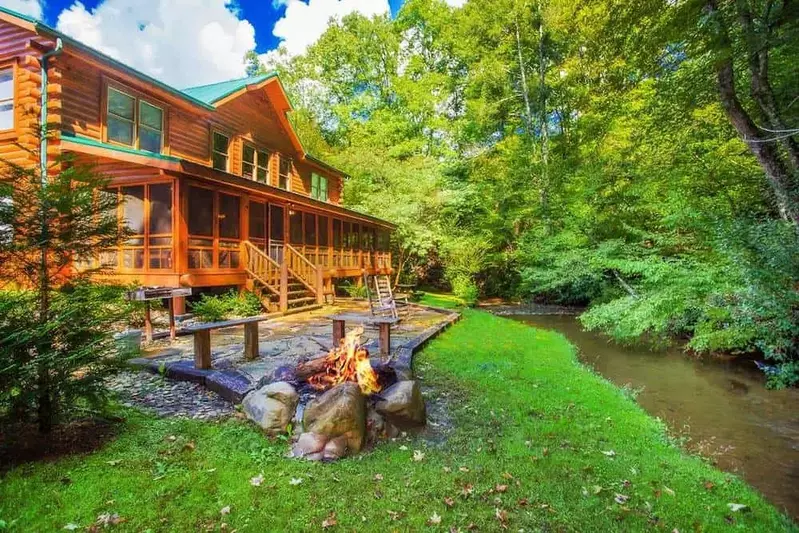
Staying close to all the fun things you want to do is important, that way you don’t spend a lot of your time traveling! You’ll want to pick one of our Gatlinburg cabin rentals that accommodates all the people you’re bringing, your preferences, and how close to all the attractions you want to do you’ll be. Here are 6 Gatlinburg cabin rentals close to your favorite attractions:
6 Gatlinburg Cabin Rentals Close to Your Favorite Attractions4 Things to Know About Our Pet Friendly Cabins in Gatlinburg
Nothing makes a vacation better than bringing your pet along! No one likes leaving their dog at a kennel or asking someone to dog sit. Skip the stress and worry leaving your pet brings, and book a pet friendly cabin in Gatlinburg! To get you started, here are the 4 things you should know about our pet friendly cabins in Gatlinburg:
4 Things to Know About Our Pet Friendly Cabins in Gatlinburg7 Things to Bring When You Go Hiking in the Smoky Mountains
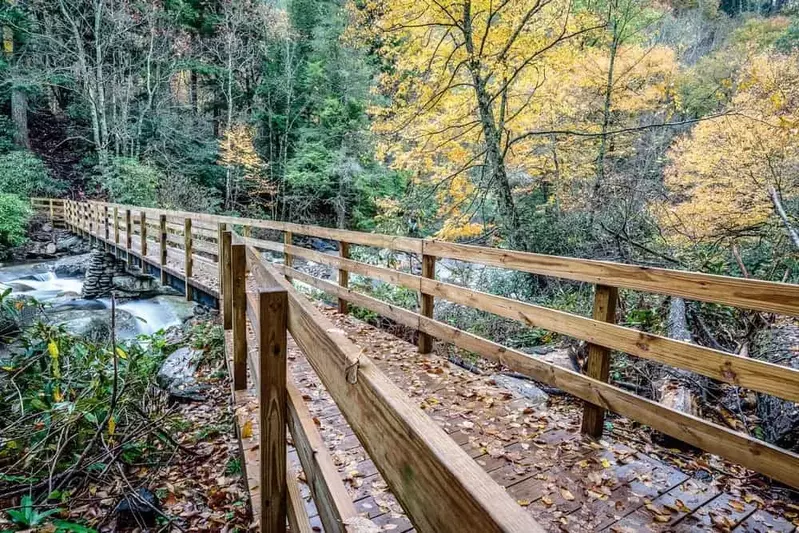
Whether you’re just getting started with your hiking hobby or you’ve done it many times, there are essential items you should take with you on a hike. You don’t want to leave any of these things, even if you’re going on a short hike because you never know if you’ll need them! Find out what 7 things you should bring when you go hiking in the Smoky Mountains:
7 Things to Bring When You Go Hiking in the Smoky MountainsTop 4 Reasons You Should Visit Forbidden Caverns in Sevierville TN
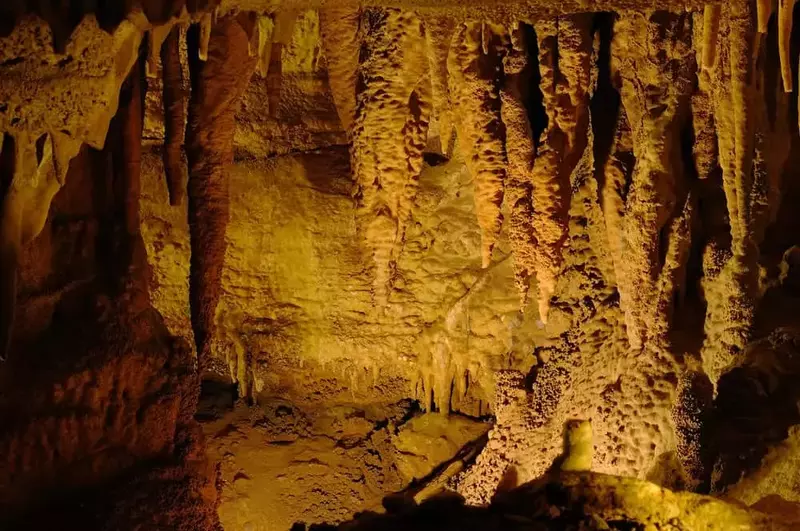
If you are looking for a unique attraction to experience during your Smoky Mountain vacation, you should go to Forbidden Caverns in Sevierville TN! This is one of the most spectacular show caves in the nation where guides take you on 55 minute tours! These incredible caverns are just a short drive away from us! Here are the top 4 reasons why you should visit Forbidden Caverns in Sevierville TN:
Top 4 Reasons You Should Visit Forbidden Caverns in Sevierville TN6 Cool Shops You Should Visit at The Island in Pigeon Forge TN

The Island in Pigeon Forge TN is a popular destination for just about anyone! There’s restaurants, lots of attractions, and places to shop. Whether you like to window shop or you want to buy a ton of souvenirs, The Island is the perfect place to go! Look at these 6 cool shops you should visit at The Island in Pigeon Forge TN:
6 Cool Shops You Should Visit at The Island in Pigeon Forge TN4 Pigeon Forge Restaurants that Serve Breakfast, Lunch, and Dinner

When you find a restaurant you love, you’ll probably want to eat there all the time! You’ll find plenty of Pigeon Forge restaurants that are open all day for all 3 meals of the day. You may go back to the same building, but you won’t have the same meal with all of the options at these eateries. Check out these 4 Pigeon Forge restaurants that serve breakfast, lunch, and dinner:
4 Pigeon Forge Restaurants that Serve Breakfast, Lunch, and Dinner5 Things to Do in the Smoky Mountains in Summer to Cool Off
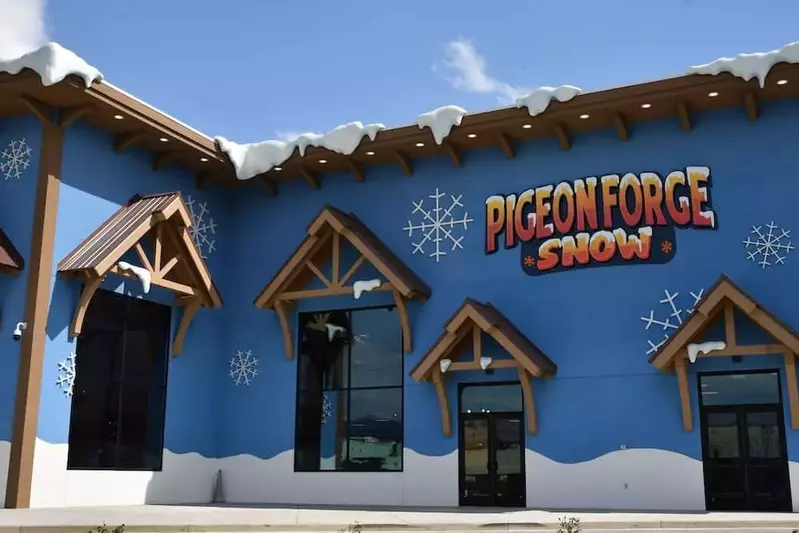
When you want a break from the heat during the summer months in the Smoky Mountains, there are plenty of easy ways to cool off while staying in a cabin with us! Our affordable cabins are just minutes away from several fun and refreshing options to beat the heat on a warm summer afternoon! Here are 5 things to do in the Smoky Mountains in summer to cool off:
5 Things to Do in the Smoky Mountains in Summer to Cool Off5 Attractions in Pigeon Forge and Gatlinburg to Enjoy for Free When You Stay with Us

Did you know that you get free attraction tickets just for staying with us? That’s right — when you stay with Timber Tops Cabin Rentals, you will get a special luxury pass! This pass is your golden ticket into some of the best attractions around. For every paid night stay, we give you 1 free ticket to a variety of shows and adventures. Check out these 5 attractions in Pigeon Forge and Gatlinburg that you can enjoy for free:
5 Attractions in Pigeon Forge and Gatlinburg to Enjoy for Free When You Stay with UsTop 3 Attractions That Your Toddlers Will Enjoy at Dollywood’s Splash Country

One of the exciting things about the summer season in Pigeon Forge is the opportunity to visit Dollywood’s Splash Country! This awesome water park features all types of thrilling slides that are sure to take your breath away! You will also be pleasantly surprised to know that there are plenty of fun things to do just for the toddlers in your family! Here are the top 3 attractions that your toddlers will enjoy at Dollywood’s Splash Country:
Top 3 Attractions That Your Toddlers Will Enjoy at Dollywood’s Splash CountryTop 3 Smoky Mountain Scenic Drives Off the Beaten Path
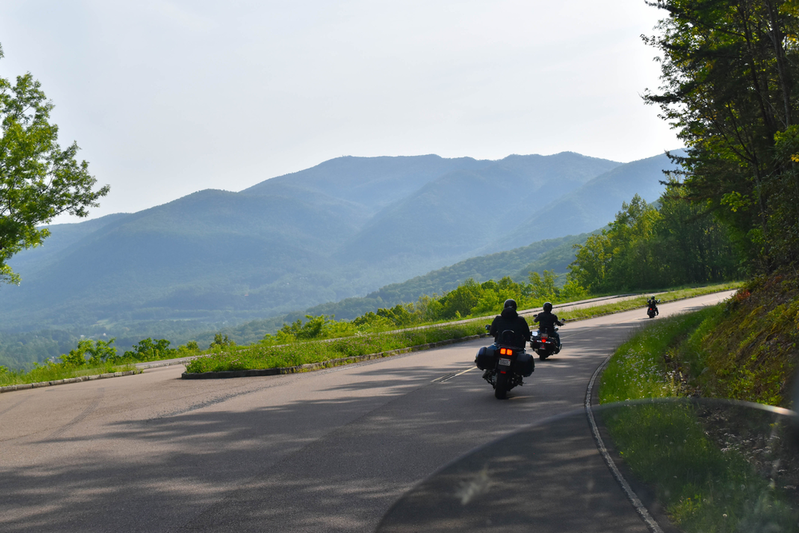
You can enjoy the beauty of the Smokies from a comfortable seat in your vehicle as you drive along the scenic roads in the national park! At certain times of the year, there can be quite a bit of traffic on some of the more popular roads, but don’t worry! There are plenty of roads for you to explore with some incredible views off the beaten path and away from the congestion. To help you make the most of your trip, here are 3 of the top Smoky Mountain scenic drives to beat the crowds.
Top 3 Smoky Mountain Scenic Drives Off the Beaten Path5 Pigeon Forge Shows Your Whole Family Will Love
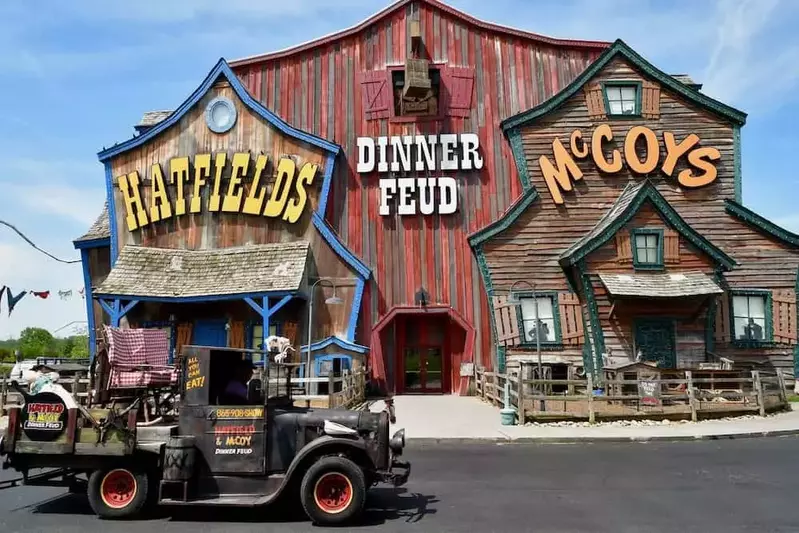
Pigeon Forge shows are a great way to find something to do while you’re on vacation! Some shows are entertaining to watch, and others you get to participate in. You can also choose to go to a <a href="/blog/dinner-shows-pigeon-forge-tn/">show that serves dinner</a>, if you want! Check out these 5 Pigeon Forge shows your whole family will love:
5 Pigeon Forge Shows Your Whole Family Will LoveTop 4 Reasons Our Secluded Cabins in Pigeon Forge Are Perfect for a Solo Vacation
If you are looking for the ideal place to spend a solo vacation with some peace and quiet, there is no better destination than Timber Tops Cabin Rentals! We have a fabulous selection of secluded Pigeon Forge cabins where you can enjoy nature at its finest! Whether you choose to drive into Pigeon Forge to check out the attractions or simply relax among the gorgeous surroundings of our cabins, you will love every minute of your getaway! Here are the top 4 reasons why our secluded cabins in Pigeon Forge are perfect for a solo vacation:
Top 4 Reasons Our Secluded Cabins in Pigeon Forge Are Perfect for a Solo Vacation5 of Our Best 5 Bedroom Cabins in Gatlinburg Your Group Will Love
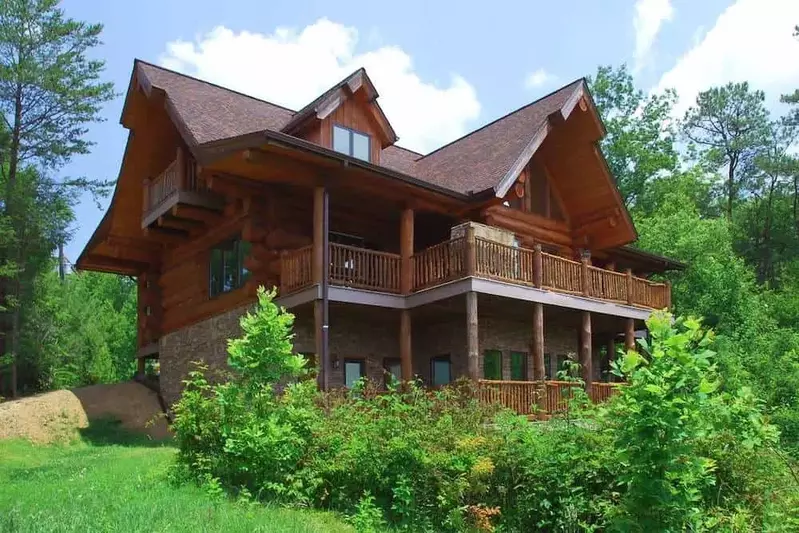
If you’re looking for the perfect place to stay for your group getaway, look no further than our 5 bedroom cabins in Gatlinburg! With all the best amenities and scenic locations near all the action in the Smokies, they offer everything you’ll need to have a fantastic time! To help you choose the accommodations that fit your group’s needs, here are 5 of our best 5 bedroom rentals.
5 of Our Best 5 Bedroom Cabins in Gatlinburg Your Group Will Love5 Reasons Our 1 Bedroom Cabins are Perfect for Romantic Getaways in the Smoky Mountains
Whether you are on your honeymoon or celebrating an anniversary, you will love the romantic ambiance of the 1 bedroom cabins at Timber Tops Cabin Rentals! These beautiful cabins are nestled among scenic locations in the Smoky Mountains where you can enjoy plenty of peace and quiet with your sweetheart! Here are the top 5 reasons why our <a href="/blog/1-bedroom-cabins-in-the-smokies-romantic/">1 bedroom cabins</a> are perfect for romantic getaways in the Smoky Mountains:
5 Reasons Our 1 Bedroom Cabins are Perfect for Romantic Getaways in the Smoky MountainsBest 5 Annual Pigeon Forge Events and Festivals You Don’t Want to Miss
Pigeon Forge is home to a ton of different events that are entertaining for people of all ages and interests. To help you plan for your trip, here are 5 of the best annual Pigeon Forge events and festivals that you don’t want to miss out on!
Best 5 Annual Pigeon Forge Events and Festivals You Don’t Want to Miss5 Things You’ll Love About Our Pigeon Forge Luxury Cabins
If you’re looking for the best of the best in accommodations, look no further than our <a href="https://www.topluxurycabinrentals.com/cabins/pigeon-forge-luxury-cabins/" target="_blank"> Pigeon Forge luxury cabins </a>! From spacious and comfortable rooms to top of the line amenities, they’re just what you’ve been searching for! Here are 5 things you’re sure to love about these amazing rentals.
5 Things You’ll Love About Our Pigeon Forge Luxury Cabins4 of the Best Places to See Smoky Mountain Wildlife
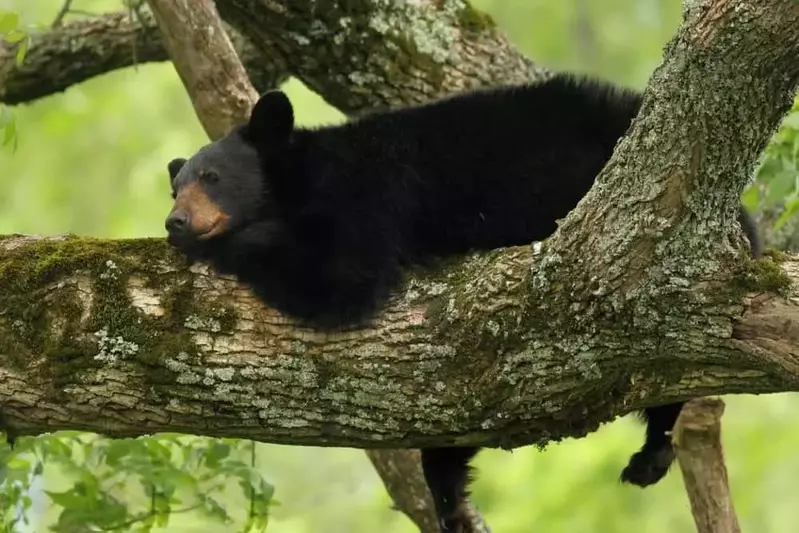
The Smokies are home to a wide variety of wildlife, and you can see them all for yourself when you visit! From popular attractions in town to scenic destinations in the national park, there are so many spots where you can enjoy the different native species. To help you plan for your trip, here are 4 of the best places to see Smoky Mountain wildlife.
4 of the Best Places to See Smoky Mountain WildlifeTop 5 Perks of Staying in One of Our Cabins in Gatlinburg TN
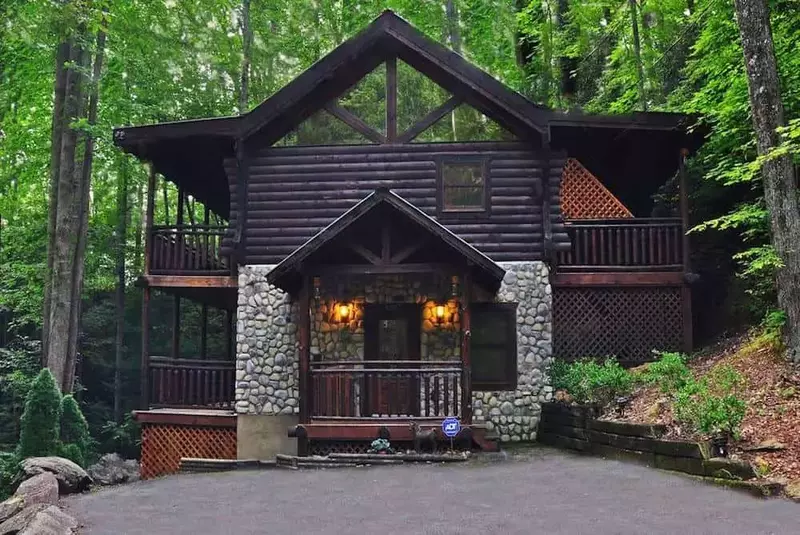
Gatlinburg is one of the most beautiful and exciting places to visit in the country, so it’s easy to have an unforgettable vacation! Of course, you’ll want to find the very best place for you and your family to stay while you’re here, and our cabins in Gatlinburg TN are just what you need! To help you see why, here are 5 perks that come with staying in one of these fantastic rentals.
Top 5 Perks of Staying in One of Our Cabins in Gatlinburg TNTop 5 Ways to Enjoy a Budget Friendly Vacation at Our Smoky Mountain Cabin Rentals
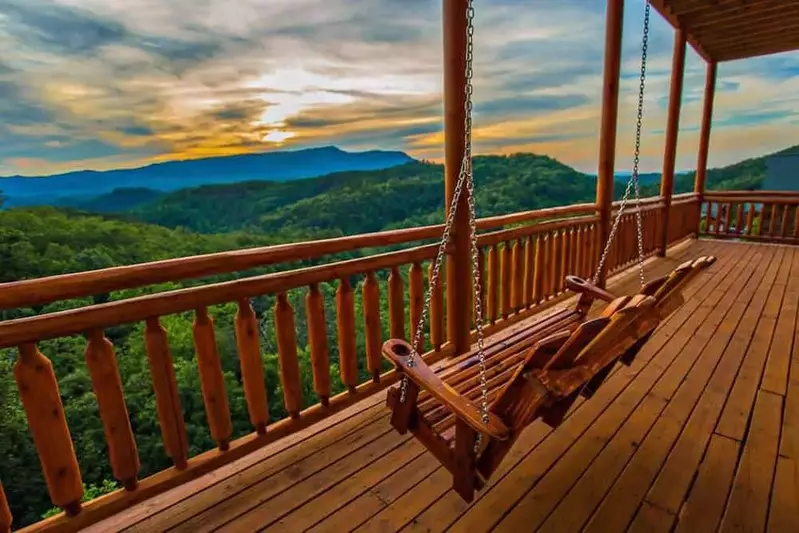
One of the awesome things about Timber Tops Cabin Rentals is that you don’t have to spend a fortune to enjoy a fabulous vacation! Whether you are on a budget or just love to save a few bucks, our cabins offer a tremendous value for those seeking an affordable getaway to the Great Smoky Mountains! Here are the top 5 ways to enjoy a budget friendly vacation at our Smoky Mountain cabin rentals:
Top 5 Ways to Enjoy a Budget Friendly Vacation at Our Smoky Mountain Cabin RentalsTop 4 Arcades in Pigeon Forge Where You Can Play Redemption Games

Pigeon Forge is home to some of the top arcades in the country! Here you can play the latest video game releases, arcade classics and redemption games! Redemption games are fun games of chance where you can collect points to win awesome prizes ranging from candy and stuffed animals to the hottest electronic gadgets on the market! Here are the top 4 arcades in Pigeon Forge where you can play redemption games:
Top 4 Arcades in Pigeon Forge Where You Can Play Redemption Games5 Fun Things to do near the Gatlinburg Space Needle
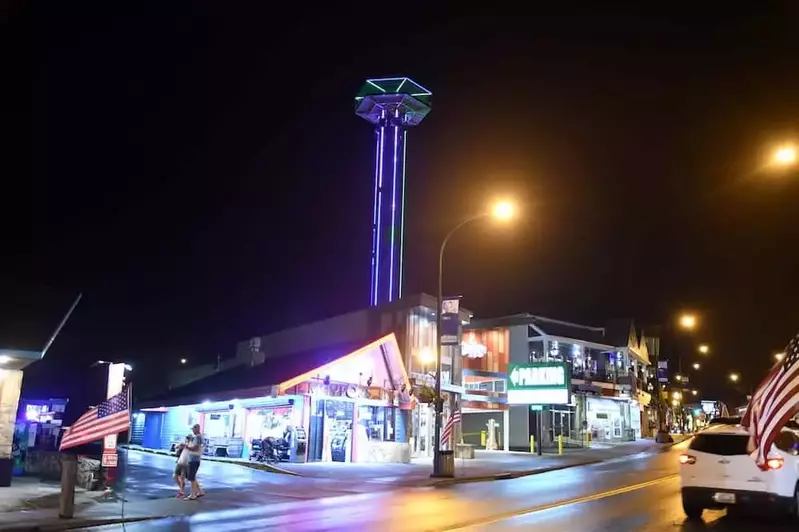
If you’re looking for a fun and action-packed attraction that the whole family will love, look no further than the Gatlinburg Space Needle! This 407-foot attraction is home to not only scenic views but some of the best entertainment for miles around! To help you make the most of your time here, check out these 5 fun things to do near the Gatlinburg Space Needle.
5 Fun Things to do near the Gatlinburg Space NeedleTop 5 Romantic Things to Do in the Smokies with Your Sweetheart
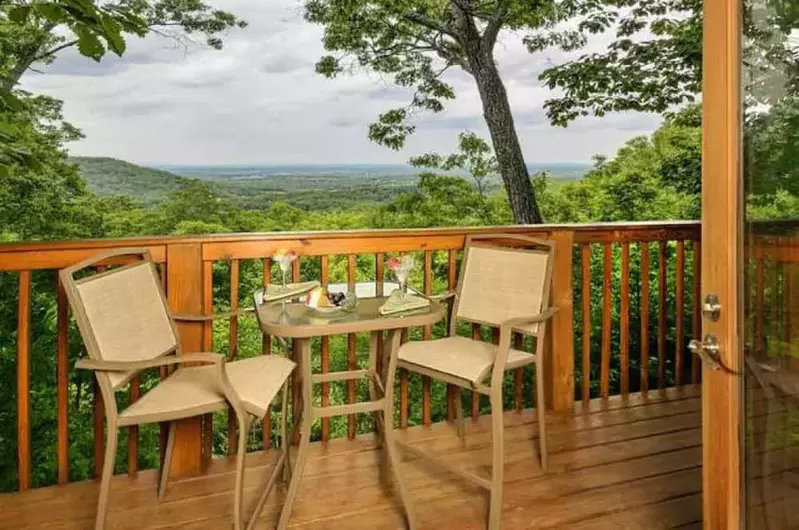
Whether you’re on your honeymoon or a spur of the moment romantic getaway, the Smoky Mountains are the perfect place to visit with your sweetheart! From scenic views to award-winning restaurants and attractions, there are so many things to experience while you enjoy each other’s company. To help you plan for your trip, here are 5 romantic things to do in the Smokies.
Top 5 Romantic Things to Do in the Smokies with Your SweetheartTop 5 Gatlinburg Restaurants with a View That You Have to Visit
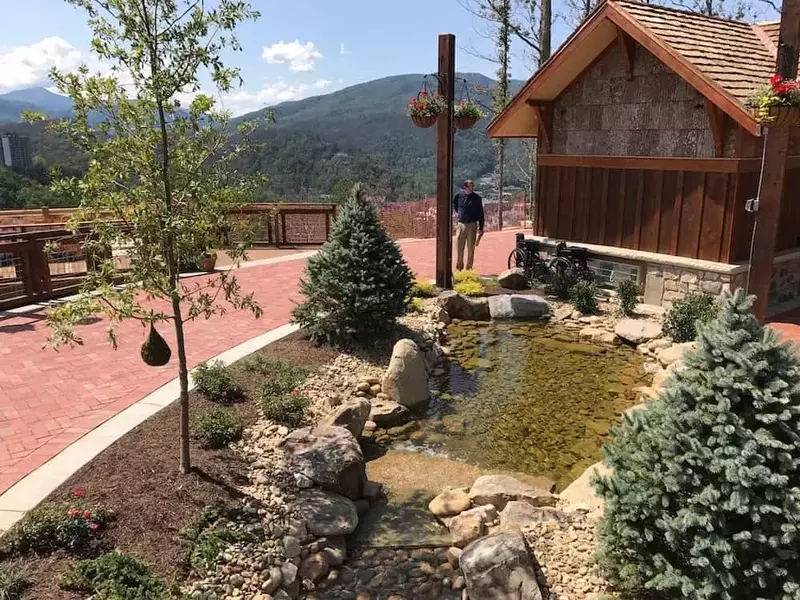
Nestled right next to the Great Smoky Mountains, Gatlinburg is home to some of the most mind-blowing scenery in the country! There are so many ways to enjoy the views, but dining at a scenic restaurant is one of the best methods. For a truly memorable experience to the Smokies, try one of these top 5 Gatlinburg restaurants with a view.
Top 5 Gatlinburg Restaurants with a View That You Have to Visit4 Things Families Love About Our Great Smoky Mountains Cabins
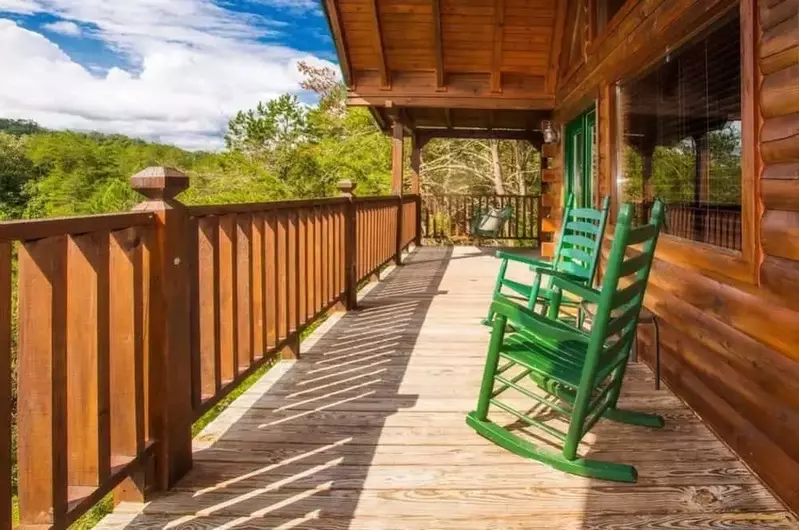
When you’re planning a family vacation, the most important decision you have to make is where you want to stay. At Timber Tops Cabin Rentals, we make that decision easy. We offer a variety of cabins in the Smoky Mountains that are perfect for your family. Read on to find out 4 things that families love about our Great Smoky Mountains cabins:
4 Things Families Love About Our Great Smoky Mountains CabinsEverything You Need to Know About Skiing at Ober Gatlinburg
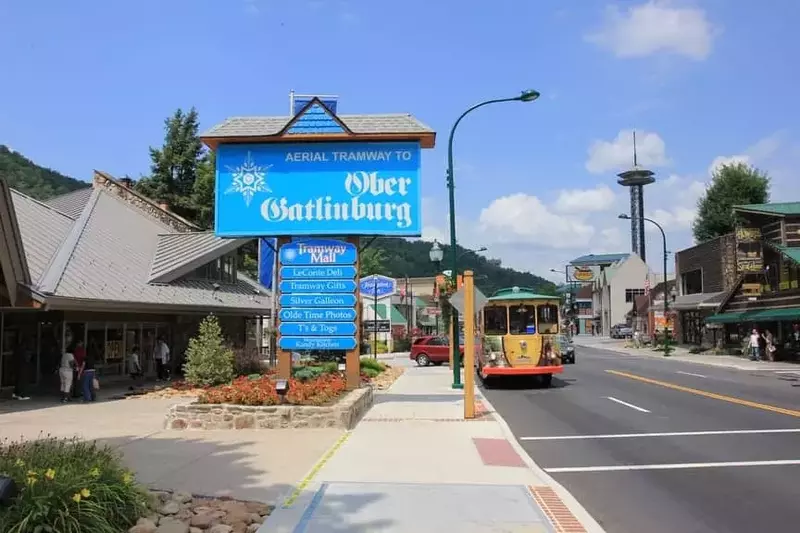
One of the best things about a winter vacation to the Smoky Mountains is the opportunity to go skiing at Ober Gatlinburg! This popular mountaintop destination offers 10 fun ski slopes to appeal to all skill levels, as well as ski equipment rentals and lessons! Whether you are stepping into skis for the first time or consider yourself an expert, you are sure to have a blast during your visit! Here is everything you need to know about skiing at Ober Gatlinburg:
Everything You Need to Know About Skiing at Ober Gatlinburg6 Signs You Should Stay in Our Mountain View Cabins in the Smokies
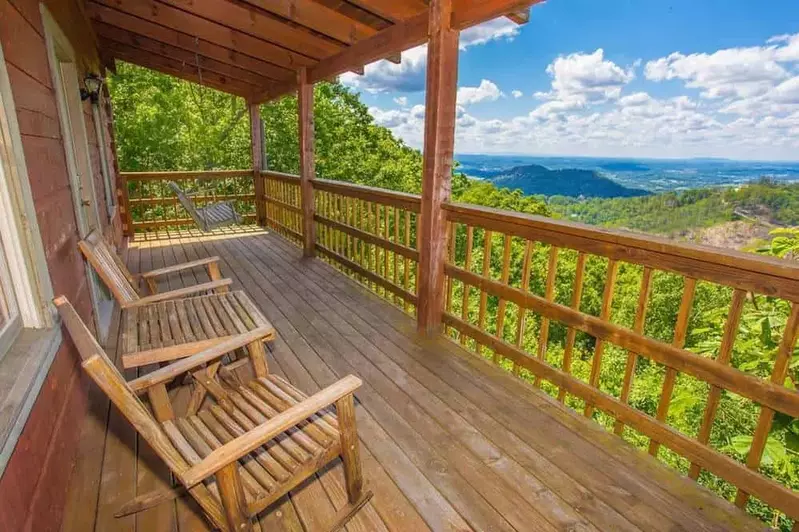
Sometimes all you need to relax is to be surrounded by the peace and quiet of the Smoky Mountains with gorgeous views all around you. Our mountain view cabins provide the perfect sweet escape. If you’ve been wanting to plan a trip away but haven’t found the right time to do it, we can help! Here are 6 signs you should stay in our mountain view cabins in the Smokies:
6 Signs You Should Stay in Our Mountain View Cabins in the Smokies5 Things You’ll Love About Our Sevierville TN Cabin Rentals
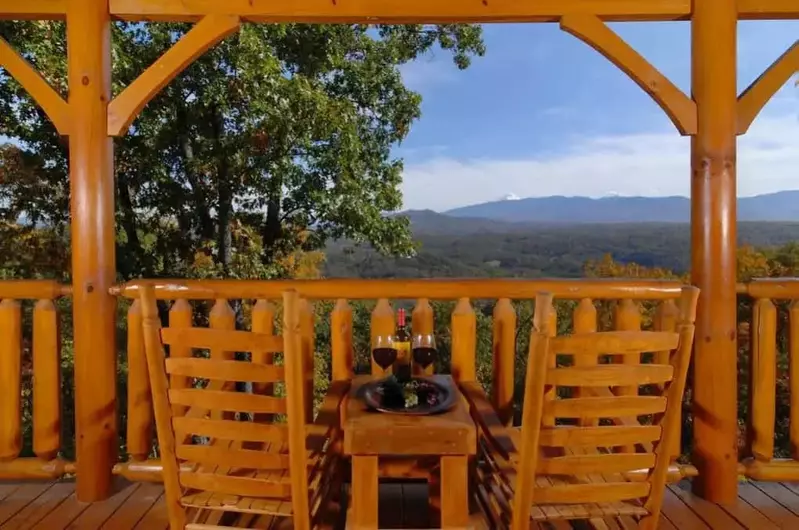
For the best Smoky Mountain vacation, stay in one of our Sevierville cabins! These cabins have everything you need and more to feel right at home. If you need more convincing, check out these 5 things you’ll love about our Sevierville TN cabin rentals:
5 Things You’ll Love About Our Sevierville TN Cabin Rentals5 Benefits of Staying in a Smoky Mountain Cabin with a Theater Room
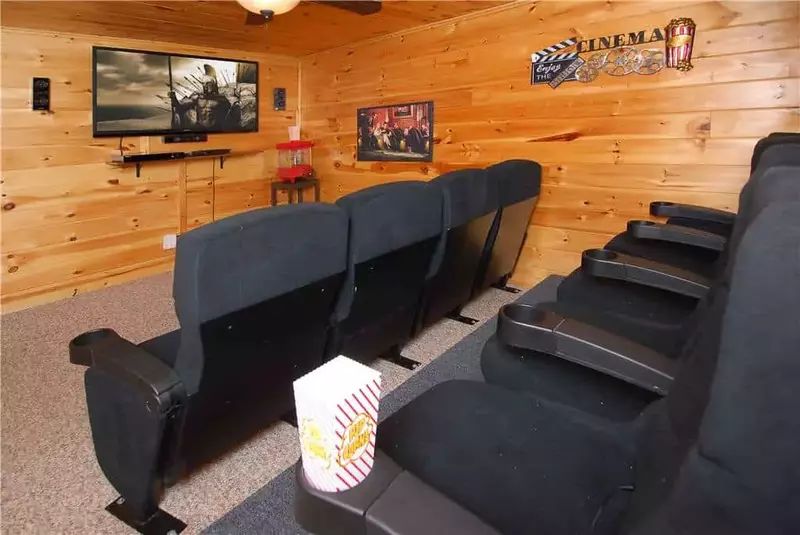
Get the full movie theater experience from the comfort of your own cabin! Instead of paying a fortune on tickets and snacks when you and your family go out to see a movie, save some money with your own <a href="/blog/gatlinburg-cabins-indoor-pools-home-theaters/">private theater room</a>! To help you see why this amenity is so great, here are 5 benefits that come with staying in a Smoky Mountain cabin with this special amenity.
5 Benefits of Staying in a Smoky Mountain Cabin with a Theater Room5 Benefits of Staying in Our Pigeon Forge Cabins with Pools
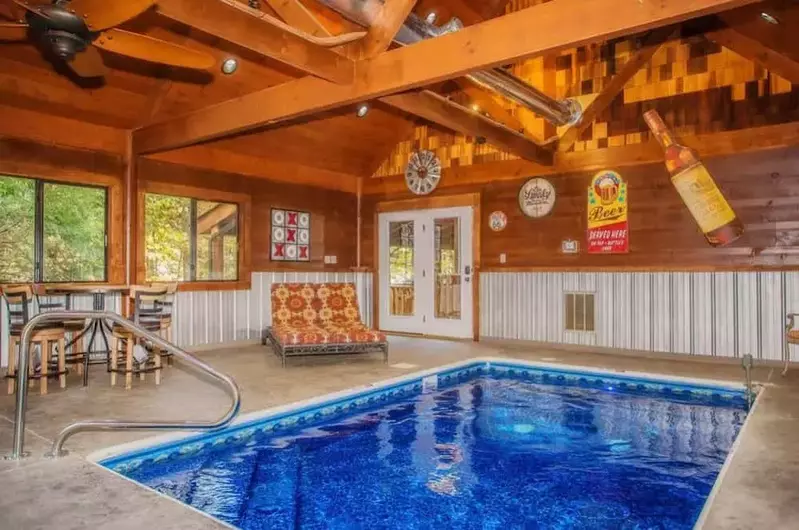
When you plan your vacation to the Smoky Mountains, there is no better place to stay than one of our beautiful cabins. What if we told you you could stay in a cabin with its very own private pool? Our Pigeon Forge cabins with pools have everything you need and more for an unforgettable stay. Here are 5 benefits of staying in these cabins:
5 Benefits of Staying in Our Pigeon Forge Cabins with PoolsBest 5 Pet Friendly Smoky Mountain Attractions
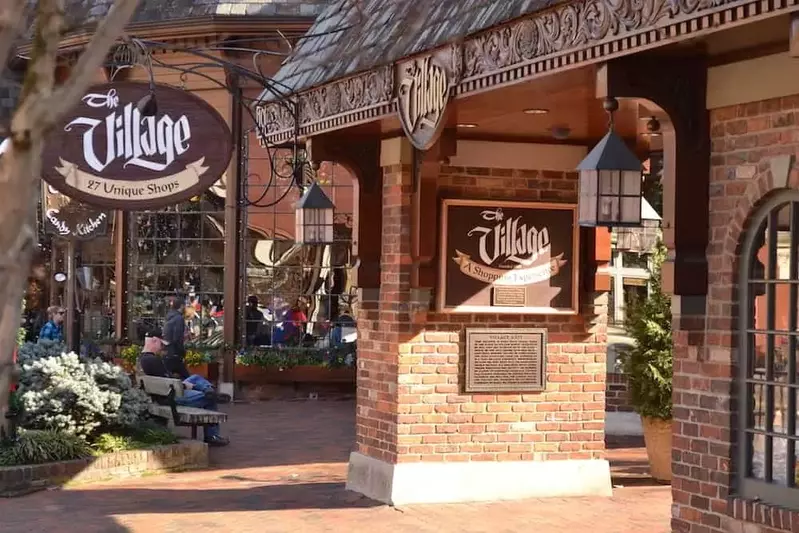
Bring all your family members on vacation, and include your pets! This way, you won’t have to worry about hiring a dog kennel or sitter to watch your four-legged friend while you are away. Taking your pet along not only saves you money, but it also creates new possibilities for fun activities! Here are 5 of the best pet friendly Smoky Mountain attractions for you and your pet to explore together.
Best 5 Pet Friendly Smoky Mountain AttractionsWhat to Know About the Weather in Pigeon Forge During Each Season
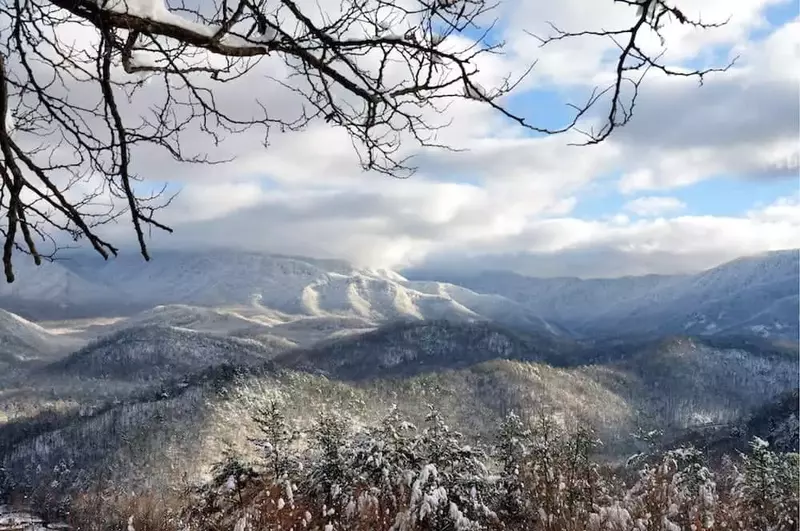
No matter what time of the year you visit, Pigeon Forge is always beautiful. With the changing seasons and weather comes new and exciting ways to experience this action-packed town and the gorgeous mountains that surround it! Depending on the type of vacation you’re looking for, you may want to consider taking a trip here at a certain time of the year. To help you decide when you’d most like to visit, here’s what you should know about the weather in Pigeon Forge during each season.
What to Know About the Weather in Pigeon Forge During Each Season5 of the Best Breakfast Restaurants in the Smoky Mountains
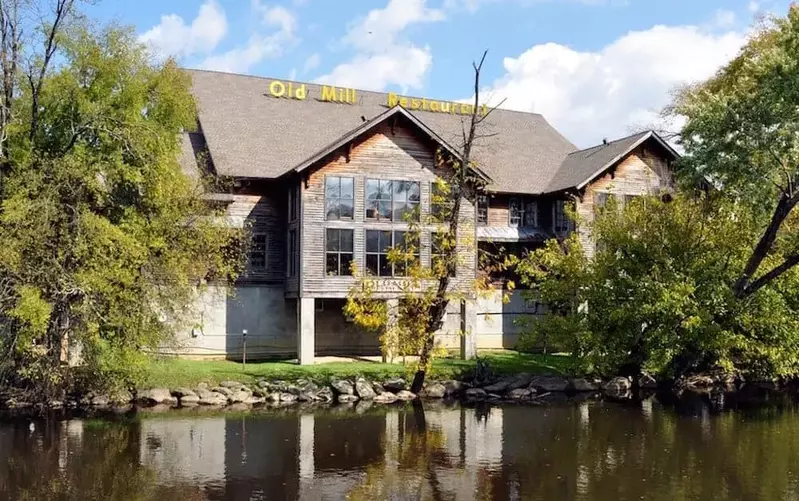
When you visit the Smoky Mountains, the best way to start your days is with a delicious breakfast. Luckily, there are so many <a href="/blog/best-breakfast-places-in-gatlinburg/">breakfast restaurants in the Smoky Mountains</a> for you to choose from. To help you decide where to enjoy your first meal of the day, we’ve made a list of some of the best breakfast restaurants in the Smoky Mountains:
5 of the Best Breakfast Restaurants in the Smoky Mountains5 Reasons to Visit Sevier Air on Your Next Trip to the Smokies

Add the Smokies’ newest family adventure park to your vacation bucket list! Whether you’re planning a birthday party, family reunion, or team building activity, Sevier Air is the place to go. With a variety of trampoline areas, a two-level ninja warrior course and more, there’s something for everyone. Here are 5 reasons to visit Sevier Air on your next trip to the Smokies.
5 Reasons to Visit Sevier Air on Your Next Trip to the SmokiesNew Mountain Coaster in Pigeon Forge Now Open

Pigeon Forge is home to a brand new mountain coaster! The Rocky Top Mountain Coaster provides an experience that’s fun for the whole family. We’ve got all the info on the new mountain coaster in Pigeon Forge and other alpine coasters in the Smoky Mountains.
New Mountain Coaster in Pigeon Forge Now Open4 Fun Ways to Get into the Christmas Spirit at Our Smoky Mountain Cabin Rentals
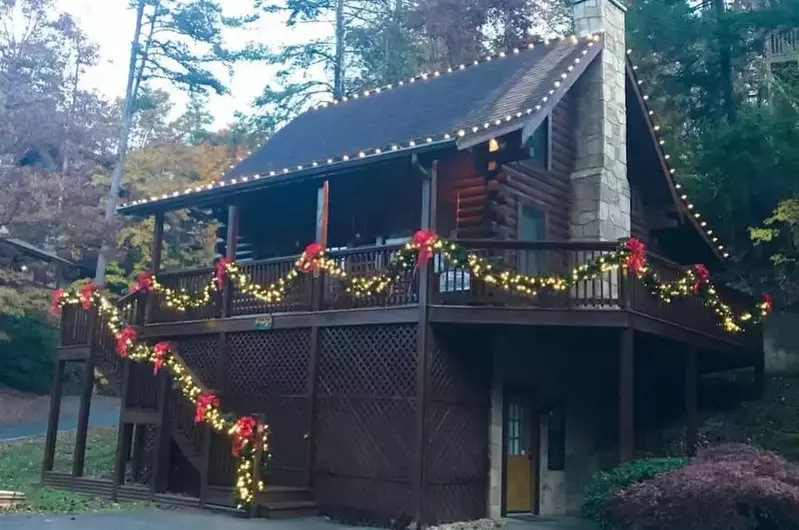
If you are planning a vacation to Gatlinburg or Pigeon Forge during the holiday season, there is no better place to stay than Timber Tops Cabin Rentals! Our cabins are just minutes from all of the exciting Christmas festivities throughout the Smokies and offer plenty of great ways to get you into the spirit of the season! Here are 4 fun ways to get into the Christmas spirit while staying at our Smoky Mountain cabin rentals:
4 Fun Ways to Get into the Christmas Spirit at Our Smoky Mountain Cabin RentalsTop 4 Go-Kart Tracks in Pigeon Forge You Have to Try

If you have a need for speed, then a thrilling ride on one of the many go-kart tracks in Pigeon Forge sounds like just the thing you need! Lucky for you, there are tons of tracks to choose from. To help you make the most of your trip, here are 4 of the best ones.
Top 4 Go-Kart Tracks in Pigeon Forge You Have to TryTop 5 Family-Friendly Things to Do at Ober Mountain in Gatlinburg
If you’re planning on a trip to the Smokies, Ober Mountain is a must-visit! From ice skating to wildlife encounters and so much in between, this is the perfect place to go with your family! To help you make the most of your trip, here are 5 family-friendly things to do at Ober Mountain in Gatlinburg.
Top 5 Family-Friendly Things to Do at Ober Mountain in GatlinburgDollywood’s Smoky Mountain Christmas Introduces Largest Expansion Ever

We hope you’re ready to get into the holiday spirit, because this year’s Smoky Mountain Christmas at Dollywood is bigger and better than ever before. Experience more lights and more holiday entertainment than you ever thought possible with the addition of Glacier Ridge! We’ve got all the details on Smoky Mountain Christmas’ largest expansion ever.
Dollywood’s Smoky Mountain Christmas Introduces Largest Expansion Ever5 Tips for a Fun Smoky Mountain Vacation with Teenagers
It can sometimes be hard to plan for a trip that everyone will enjoy, especially if you have teens. However, there are tons of restaurants, attractions and more in the Smokies, so you can all compromise on a truly memorable experience. To help you plan for your trip, here are 5 tips for a fun Smoky Mountain vacation with teenagers.
5 Tips for a Fun Smoky Mountain Vacation with Teenagers4 New Smoky Mountain Attractions for 2018 You Have to Visit

Year after year, the Smoky Mountains continue to be a top destination for vacationers from around the country, and it’s no wonder! There are new and exciting restaurants and attractions popping up all the time. Be the first ones on the scene and experience all the fun these new places have to offer. To help you make the most of your trip, here are 4 new Smoky Mountain attractions that arrived in 2018.
4 New Smoky Mountain Attractions for 2018 You Have to VisitBest 4 Smoky Mountain Trails the Whole Family Will Love
The Great Smoky Mountains National Park is one of the most visited and biodiverse in the country! One of the best ways to experience its beauty is to hike right through it. There are over 850 miles of hiking trails in the Smoky Mountains, so you’ll never run out of options! To help you choose which ones to visit first, here are 4 of the best Smoky Mountain trails that the whole family will love.
Best 4 Smoky Mountain Trails the Whole Family Will Love4 Tips for a Fun Vacation in Our Pet Friendly Cabins in Pigeon Forge
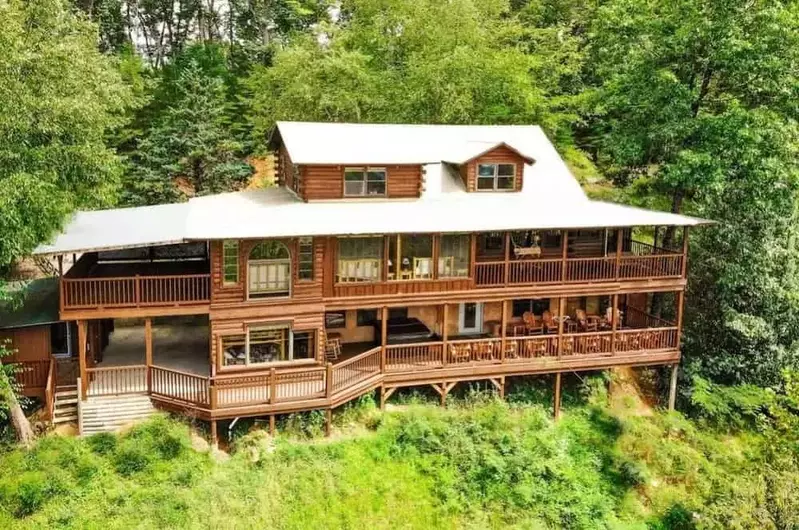
Bring the whole family on vacation when you stay in one of our pet-friendly cabins in Pigeon Forge. Bringing your pet along will allow you to skip the trouble of finding and paying for a sitter. Instead, you and your family can make new and exciting memories with your pet right by your side! To help you plan for your trip, here are 4 tips for a fun vacation in our pet friendly cabins in Pigeon Forge.
4 Tips for a Fun Vacation in Our Pet Friendly Cabins in Pigeon Forge5 Reasons to Have Thanksgiving at Our 4 Bedroom Cabins in Gatlinburg
It is never too early to make your Thanksgiving plans with your family, so make this one truly special with a stay at Timber Tops Cabin Rentals! Our beautiful Gatlinburg cabins have everything your family needs to enjoy a wonderful time together among the scenic backdrop of the Great Smoky Mountains! Here are the top 5 reasons to have Thanksgiving at our 4 bedroom cabins in Gatlinburg:
5 Reasons to Have Thanksgiving at Our 4 Bedroom Cabins in GatlinburgThe Voice’s Chris Blue to Star in Smoky Mountain Opry Christmas Show
The holiday season will be here before you know it, and this year, the Smoky Mountain Opry has something special in store for visitors to Pigeon Forge, TN. Beginning in November 2018, the Smoky Mountain Opry will start running a spectacular Christmas show with superstar headliner Chris Blue! Best known for winning season 12 of<i> The Voice </i>, Blue is a phenomenal singer whose music blends R&B, soul, gospel, and pop. Read on to learn everything you need to know about Chris Blue and the award-winning Smoky Mountain Opry Christmas Show.
The Voice’s Chris Blue to Star in Smoky Mountain Opry Christmas Show4 Things You’ll Love About Our 4 Bedroom Cabins in the Smokies
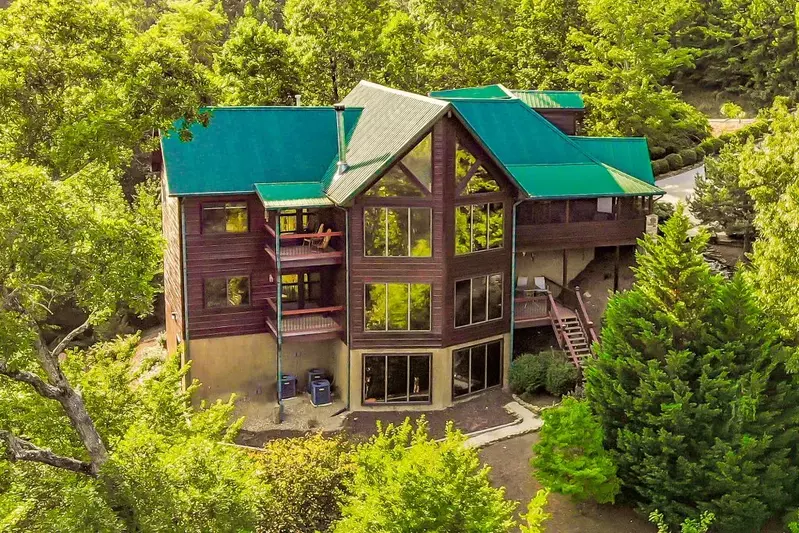
The Smoky Mountains are the perfect destination for any occasion! Make the most of your trip when you book with us at Timber Tops Cabin Rentals! All of our cabins are wonderful and come with fabulous amenities and views. However, like so many others, you might just find that our 4 bedroom option is the right fit for you! Here are 4 things you’ll love about our 4 bedroom cabins in the Smokies.
4 Things You’ll Love About Our 4 Bedroom Cabins in the SmokiesAugust Moon Drive-In Theater Coming to Pigeon Forge

If you’re nostalgic for the days of drive-in movies, you will love the new attraction coming to Pigeon Forge, TN! Our Smoky Mountain city will be the home of the very first <a href="https://augustmoondrivein.com/" target="_blank"> August Moon Drive-In </a>, a state-of-the-art indoor “drive-in” movie theater. Featuring the largest non-IMAX movie screen in North America and a variety of classic cars for guests to sit in, this awesome theater is already generating a ton of buzz. Timber Tops Cabin Rentals has put together a handy guide to everything we know about the August Moon Drive-In theater.
August Moon Drive-In Theater Coming to Pigeon Forge5 Things You’ll Love About Our Smoky Mountain Cabins with Indoor Pools
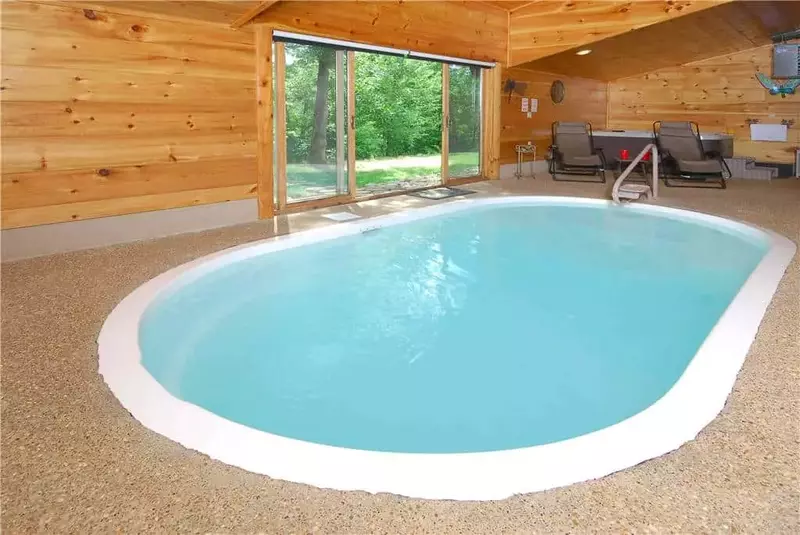
Make a splash on your next trip to the Smokies by staying in a <a href="/blog/gatlinburg-cabins-indoor-pools-home-theaters/">Gatlinburg cabin with an indoor pool</a>! Nothing says vacation like going for a swim, and you can do it all year round when you book with Timber Tops Cabin Rentals. Here are 5 things you’ll love about our Smoky Mountain cabins with indoor pools.
5 Things You’ll Love About Our Smoky Mountain Cabins with Indoor PoolsThe Top 6 Places to Have Lunch in Gatlinburg

Going out for lunch is one of our favorite parts of being on vacation! When you visit Gatlinburg, TN, you will find a wide variety of wonderful restaurants that serve everything from BBQ to Italian fare. To help you make the most of your next getaway, Timber Tops Cabin Rentals has put together a guide to the top six places to have lunch in Gatlinburg.
The Top 6 Places to Have Lunch in GatlinburgTop 3 Challenging Escape Games in Gatlinburg That Will Test Your Wits
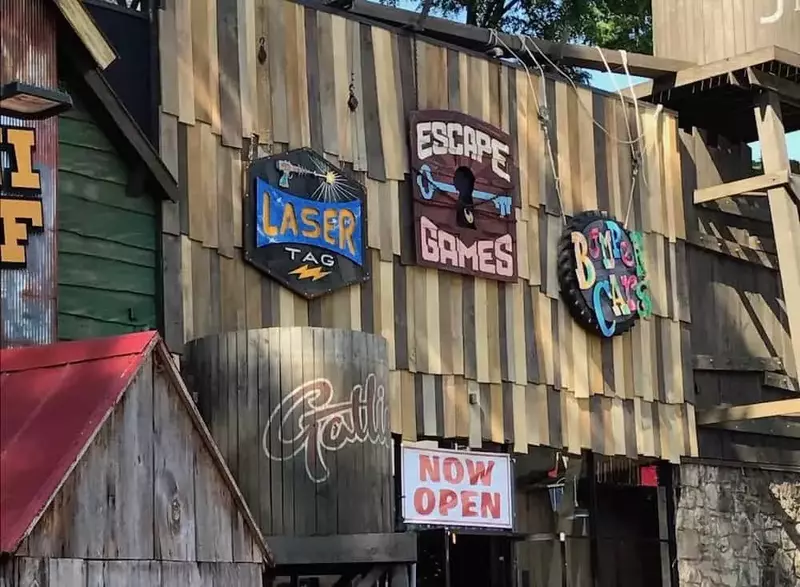
If you are looking for a unique attraction to enjoy during your stay in Gatlinburg, check out one of the awesome local escape games! These fun interactive games require you and your group to solve a variety of puzzles to “escape” the room within 60 minutes! Here are 3 challenging escape games in Gatlinburg that are sure to test your wits:
Top 3 Challenging Escape Games in Gatlinburg That Will Test Your Wits4 Things to Do in the Smoky Mountains with Your Large Group This Fall
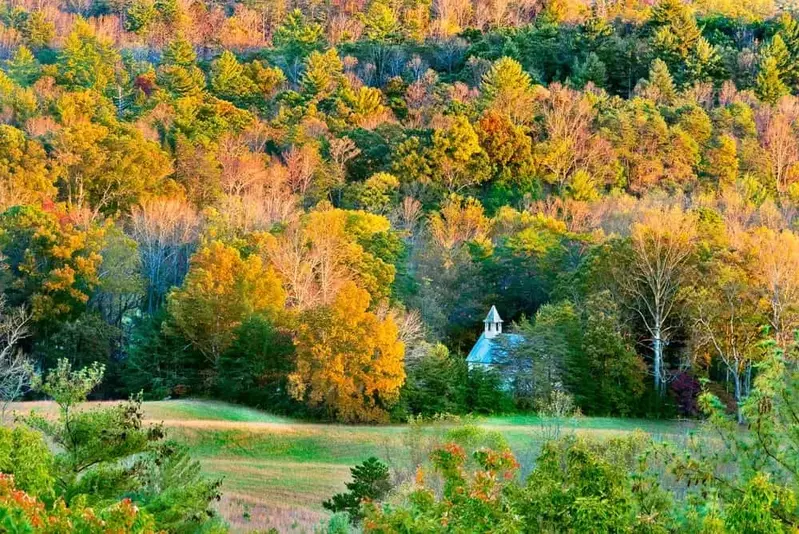
When the leaves change from various shades of green to vibrant oranges, golds, and reds, you know it’s a great time to visit the Smoky Mountains! Not only will there be gorgeous scenery everywhere you look, but it’s the perfect weather to spend time outside enjoying everything the area has to offer. Whether you’re planning a family reunion, <a href="/blog/planning-a-business-trip-in-a-cabin/">corporate retreat</a>, or just a vacation with your friends, fall is the best time to bring your group to the mountains! Here are the top things to do in the Smoky Mountains with your group this fall:
4 Things to Do in the Smoky Mountains with Your Large Group This FallDolly Parton’s Pirates Voyage Dinner Show Coming to Pigeon Forge

A brand new dinner show will soon be sailing to Pigeon Forge, TN! It was recently announced that Dolly Parton has plans to open a second <a href="https://www.pigeonforgetnguide.com/coupons/pirates-voyage/" target="_blank"> Pirates Voyage </a> location in the Great Smoky Mountains. Themed around adventures on the high seas, Pirates Voyage has been a hugely popular attraction in Myrtle Beach, South Carolina for almost a decade. The new theater in Pigeon Forge will join two other Parton-owned dinner shows in the Smokies, along with the famous Dollywood theme park. Read on to learn everything we know about Dolly Parton’s Pirates Voyage Dinner Show in Pigeon Forge.
Dolly Parton’s Pirates Voyage Dinner Show Coming to Pigeon Forge6 Things You Will Love About Our 3 Bedroom Cabins in Gatlinburg
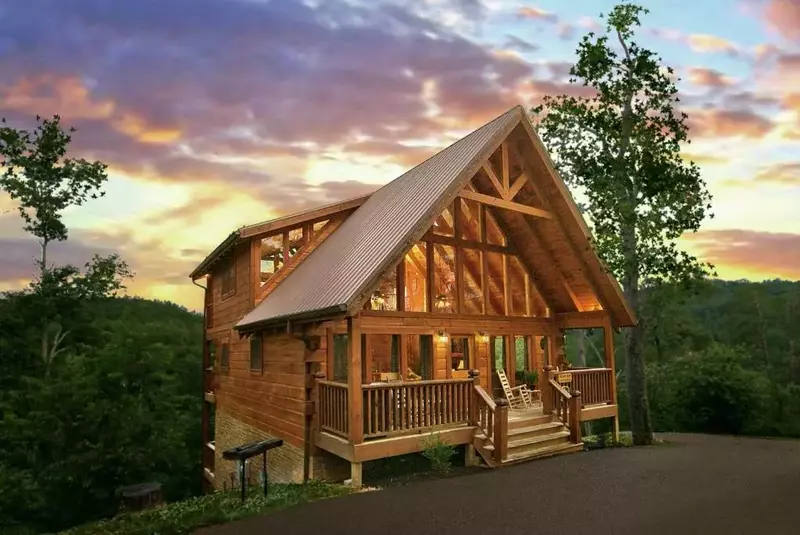
When planning a trip to the Smoky Mountains with your family or group of friends, there is no better place to stay than our 3 bedroom cabins! Not only do they have all the necessities for a wonderful stay, but they are the perfect size. Here are 6 things you will love about our 3 bedroom cabins in Gatlinburg:
6 Things You Will Love About Our 3 Bedroom Cabins in GatlinburgAnakeesta in Gatlinburg Recognized as the State Attraction of the Year

From a zipline adventure to dinner with a view, Anakeesta in Gatlinburg has it all. This magical outdoor experience has been entertaining visitors for more than a year, and is now being recognized as a top attraction. The Tennessee Hospitality and Tourism Association named it the “State Attraction of the Year.” We’ve got all the details on Anakeesta’s recognition and what you can expect when you visit.
Anakeesta in Gatlinburg Recognized as the State Attraction of the Year6 of the Most Beautiful Waterfall Hikes in the Smoky Mountains
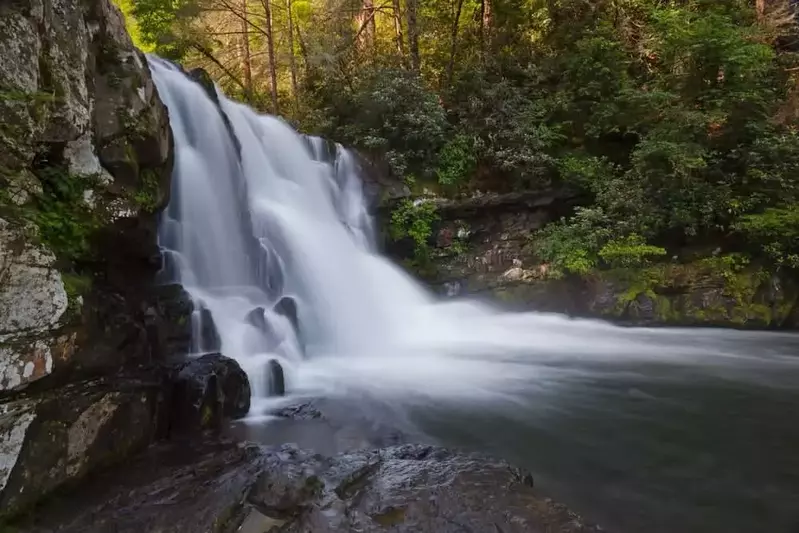
One of the best ways to experience the natural beauty of the Smoky Mountains is by going for a hike. Through the 800+ miles of hiking trails in the Great Smoky Mountains National Park, you will find plenty of gorgeous sights — including waterfalls. Some of the most popular trails in the park feature picture-perfect waterfalls. At Timber Tops Cabin Rentals, we’ve put together a list of 6 of the most beautiful waterfall hikes in the Smoky Mountains for you to try when you visit:
6 of the Most Beautiful Waterfall Hikes in the Smoky Mountains6 Facts About Our Cabins in the Smokies That’ll Make You Fall in Love
There is no doubt that our cabins are the perfect place to stay when you visit the Smoky Mountains. Combine quality, comfort, and beauty, and you have your dream vacation rental. At Timber Tops Cabin Rentals, our cabins have all that and more. To help you learn more about where you will be staying, we’ve come up with 6 facts about our cabins in the Smokies that will make you fall in love.
6 Facts About Our Cabins in the Smokies That’ll Make You Fall in Love6 of the Best Smoky Mountain Trails for an Easy Hike
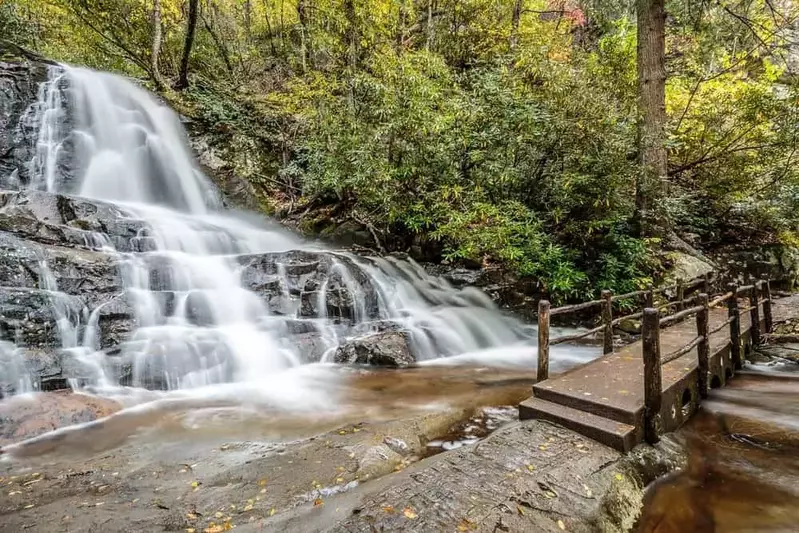
One of the best ways to experience the true beauty of the Smoky Mountains is by going for a hike. Luckily, you don’t have to be an avid hiker to enjoy <a href="https://hikinginthesmokymountains.com" target="_blank"> hiking in the Smokies </a>. With more than 850 miles of trails, the Great Smoky Mountains National Park has something for every skill level. Whether you’re hiking with kids or just want a leisurely stroll, we’ve put together 6 of the best Smoky Mountain trails for an easy hike:
6 of the Best Smoky Mountain Trails for an Easy Hike4 New Restaurants in the Smoky Mountains You Have to Visit

One of the best parts about vacation is trying all of the local cuisine, and the Smoky Mountains are home to hundreds of delicious options! Recently, more dining options have opened for visitors to fall in love with. To help you decide what you should try, we’ve made a list of 4 of the best new restaurants in the Smoky Mountains that you have to visit!
4 New Restaurants in the Smoky Mountains You Have to Visit6 Reasons to Stay in Our Tennessee Cabin Rentals for Your Smoky Mountain Vacation
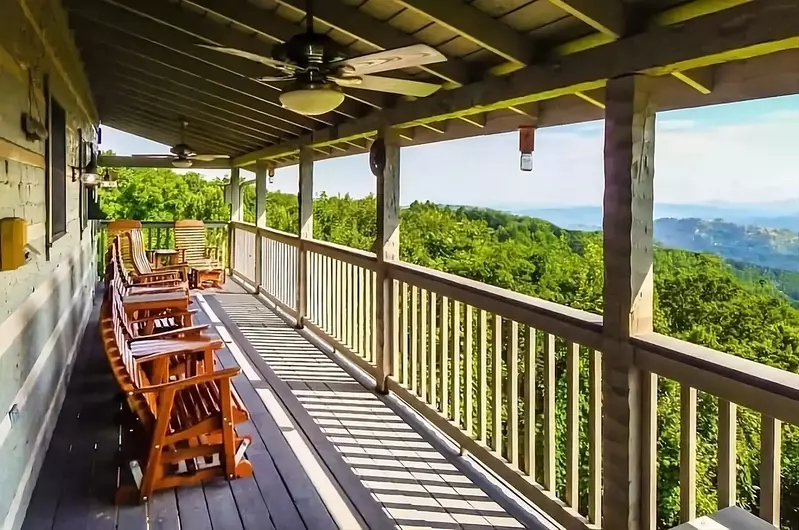
When you’re planning a trip to the Smoky Mountains, one of the most important decisions you have to make is where you are going to stay. At Timber Tops Cabin Rentals, we make it easy for you to decide! Our Smoky Mountain cabins cannot be beat. Here are 6 reasons to stay in our Tennessee cabin rentals for your Smoky Mountain vacation:
6 Reasons to Stay in Our Tennessee Cabin Rentals for Your Smoky Mountain Vacation5 Amenities Groups Love at Our Cabins in the Smokies
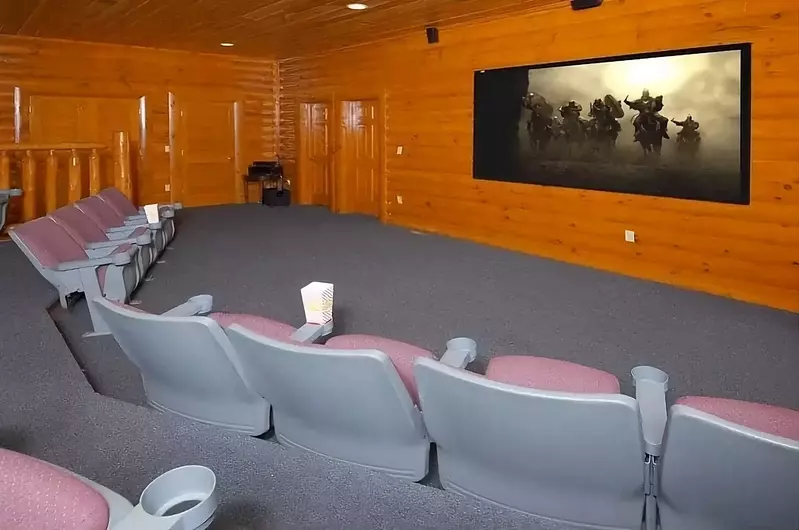
When you go on a group vacation, whether it’s with friends or family members, the main thing you’re looking for is entertainment. At Timber Tops Cabin Rentals, we not only provide you with a comfortable place to sleep that can accommodate everyone in your group, but we also provide you with endless entertainment right inside your cabin. You don’t even have to leave to have a great time when you stay with us! Here are the top 5 amenities groups love at our cabins in the Smokies:
5 Amenities Groups Love at Our Cabins in the SmokiesExperience the Thrill of a Lifetime on These 5 Smoky Mountain Coasters
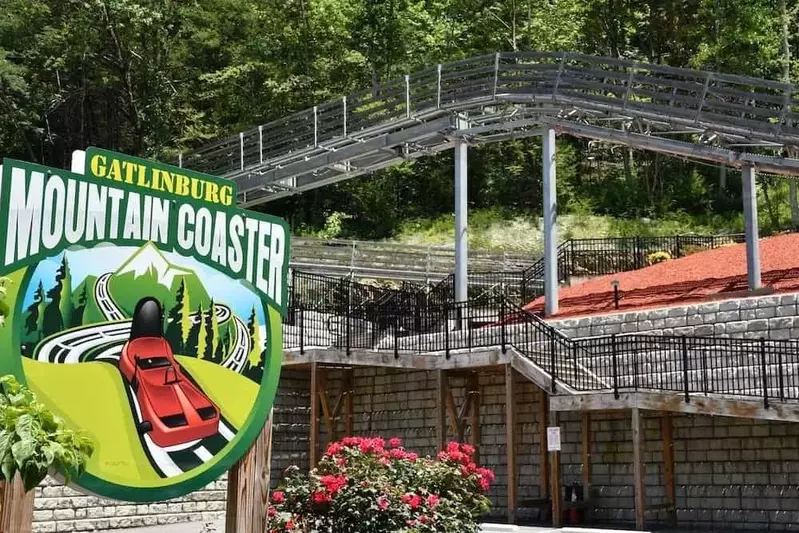
The Smoky Mountains has quickly become the mountain coaster capital of the world! These unique coaster-style rides feature sleds attached to a steel track where YOU control the speed of your sled down the mountain! The best part is that these action-packed attractions are just minutes from the cabins at Timber Tops Cabin Rentals! Here are 5 awesome Smoky Mountain coasters where you can experience the thrill of a lifetime:
Experience the Thrill of a Lifetime on These 5 Smoky Mountain CoastersNow Open: Teaffle Serves Dessert Waffles and Bubble Tea in Pigeon Forge

Anyone with a sweet tooth will definitely want to add a visit to Teaffle to their vacation itinerary! Located right on the Parkway, this brand new shop is the only place where you can find dessert waffles and bubble tea in Pigeon Forge, two sweet treats that were invented in Asia. To help you make the most of your next getaway, Timber Tops Cabin Rentals has put together a handy guide to all of the delicious desserts at Teaffle.
Now Open: Teaffle Serves Dessert Waffles and Bubble Tea in Pigeon ForgeHow Did Gatlinburg Get Its Name?
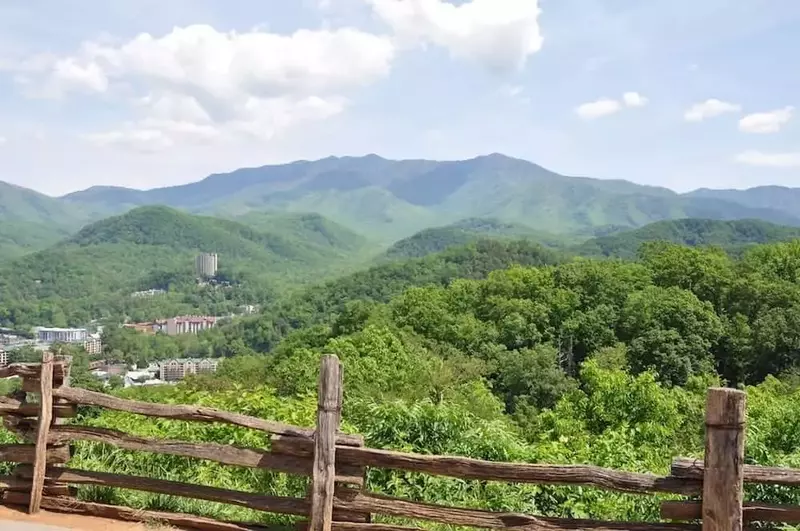
Located at the doorstep of the Great Smoky Mountains National Park, Gatlinburg, TN is one of the most popular vacation destinations in America! While millions of people around the country have visited Gatlinburg, many vacationers have never heard the story behind our Smoky Mountain city’s distinctive name. To help you prepare for your next getaway, Timber Tops Cabin Rentals is answering one of our most frequently asked questions: how did Gatlinburg get its name?
How Did Gatlinburg Get Its Name?Now Playing: Jessica Jane’s Magic, Comedy & Variety Show in Gatlinburg
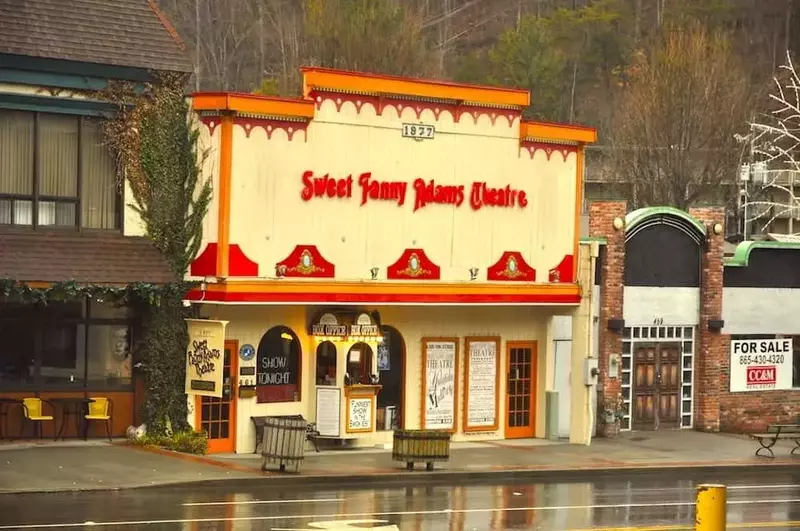
One of Gatlinburg’s most gifted entertainers now has her very own variety show in the Smoky Mountains! Longtime vacationers to the Smokies may recognize Jessica Jane Peterson from her memorable performances at the Sweet Fanny Adams Theatre and Terry Evanswood’s Wonders of Magic. After years as a supporting player, Peterson is ready to take center stage in Jessica Jane’s Magic, Comedy & Variety Show in Gatlinburg. To help you make the most of your next vacation, Timber Tops Cabin Rentals has put together a guide to Jessica Jane’s thrilling new show.
Now Playing: Jessica Jane’s Magic, Comedy & Variety Show in Gatlinburg4 Reasons to Stay in Our 2 Bedroom Cabins in the Smokies
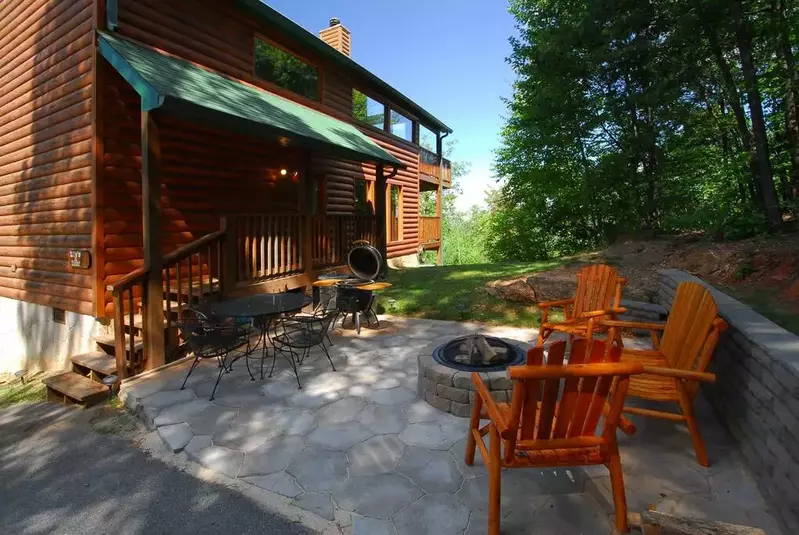
If you’re traveling to the Smoky Mountains with your family or small group of friends, there is no better place to stay than in a 2 bedroom cabin. At Timber Tops Cabin Rentals, we have cabins with 2 bedrooms that provide you with everything you need and more for a comfortable and fun-filled stay. Here are 4 reasons to stay in our 2 bedroom cabins in the Smoky Mountains:
4 Reasons to Stay in Our 2 Bedroom Cabins in the Smokies5 of the Best Pigeon Forge Shows You Don’t Want to Miss
Having a fun night out in Pigeon Forge is easy with all the incredible live entertainment the city is home to! Whether you want to listen to live music or laugh the night away, you can do it all in Pigeon Forge. When you stay with Timber Tops Cabin Rentals, you won’t have far to go to experience all the amazing performances! Here are 5 of the best Pigeon Forge shows you don’t want to miss.
5 of the Best Pigeon Forge Shows You Don’t Want to MissWhat to Expect When You Visit Ripley’s Believe It or Not! in Gatlinburg
Ripley’s Believe It or Not! is back and better than ever in Gatlinburg! When you visit, you can expect to step inside a world of strange like nothing you’ve ever experienced. The odditorium reopened in July and, since then, has been wowing visitors like never before. Timber Tops Cabin Rentals has put together a guide of what to expect when you visit Ripley’s Believe It or Not! in Gatlinburg.
What to Expect When You Visit Ripley’s Believe It or Not! in Gatlinburg6 Benefits of Staying in Our Mountain View Cabins in the Smokies
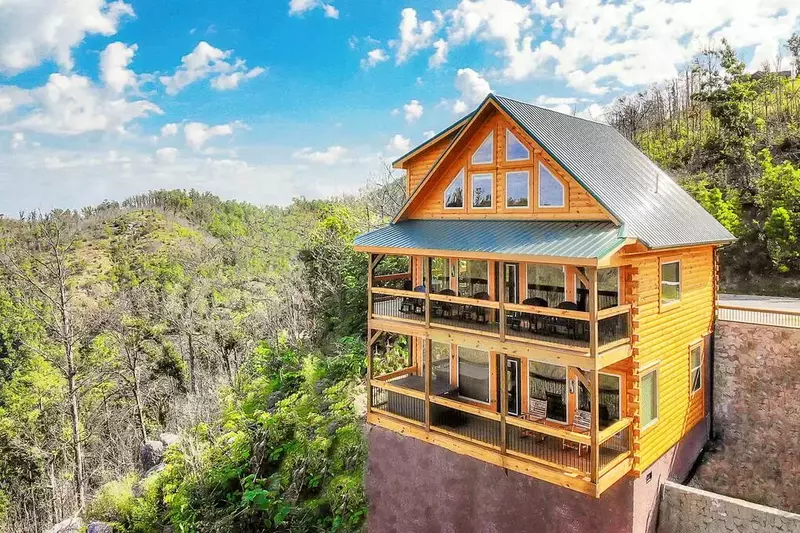
The best part about staying in the Smoky Mountains is the gorgeous views that await you around every corner. At Timber Tops Cabin Rentals, we have cabins that put you right in the middle of all of the amazing scenery. Here are 6 benefits of staying in our mountain view cabins in the Smokies:
6 Benefits of Staying in Our Mountain View Cabins in the Smokies4 Steps to Having the Ultimate Relaxing Vacation in the Smoky Mountains
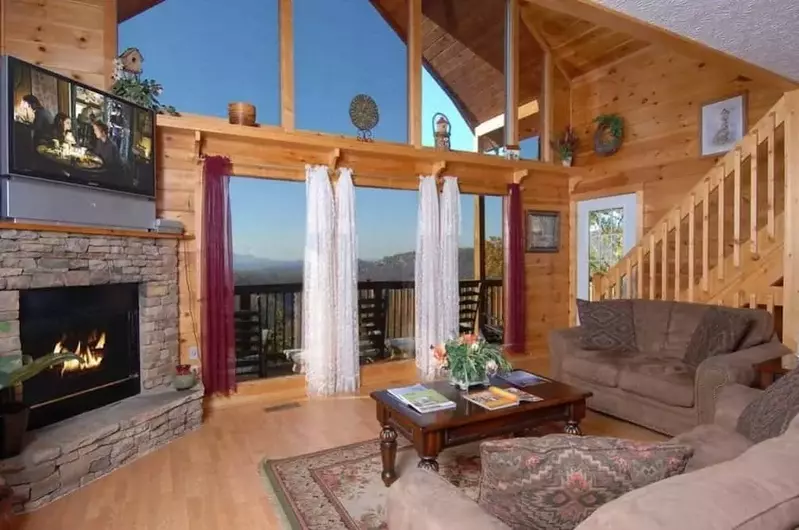
When you’re in need of a getaway to leave all your stress and worries behind, there is no better place to visit than the Smoky Mountains. Whether you’re soaking in a bubbling hot tub or taking in the gorgeous mountain views, there are endless opportunities to relax in the Smokies. To help guarantee you have the peaceful trip you’re looking for, follow these 4 steps to having the ultimate relaxing vacation in the Smoky Mountains:
4 Steps to Having the Ultimate Relaxing Vacation in the Smoky MountainsGatlinburg Named Tennessee’s Prettiest Town
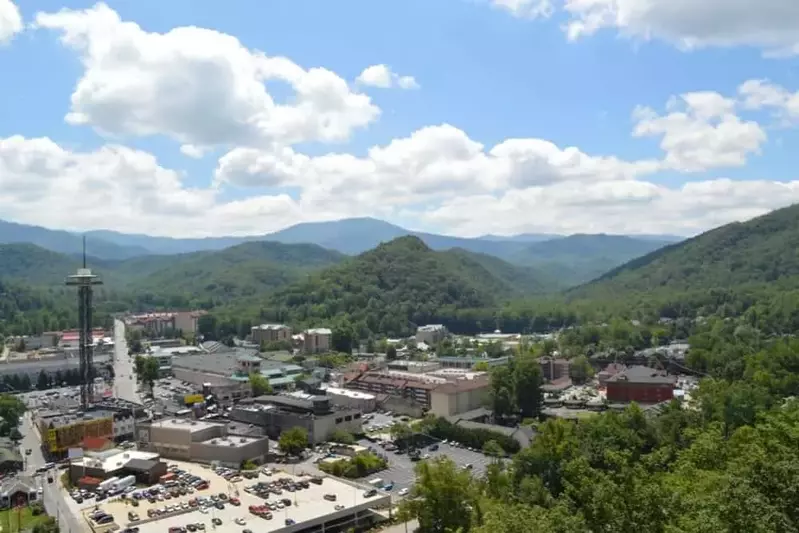
<i>Architectural Digest</i> has taken notice of something we’ve known for a long time: Gatlinburg is one of the most scenic spots in America! The magazine recently compiled a guide to “<a href="https://www.architecturaldigest.com/gallery/prettiest-town-every-us-state" title="" target="_blank">The Prettiest Town in Every U.S. State</a>,” and we’re excited to report that Gatlinburg was their pick for Tennessee. In their profile of our charming town, <i>Architectural Digest</i> praised Gatlinburg for its “smoky sky and lush green hills” which they deemed “eye candy for nature explorers.” To help you make the most of your next getaway in the Smokies, Timber Tops Cabin Rentals has put together a guide to some of our favorite spots to take in Gatlinburg’s magnificent scenery
Gatlinburg Named Tennessee’s Prettiest Town5 Fun Facts About Our 5 Bedroom Cabins in the Smoky Mountains
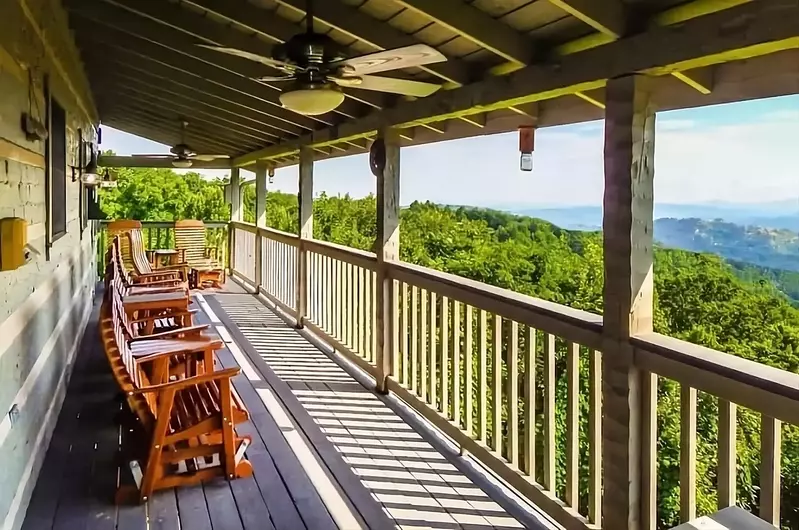
Great location, plenty of space, fantastic amenities — you name it, our 5 bedroom cabins have it. When you stay in the 5 bedroom cabins at Timber Tops Cabin Rentals, you’re guaranteed to have an unforgettable vacation. To help you learn what makes our cabins so special, we’ve put together 5 fun facts about our 5 bedroom cabins in the Smoky Mountains:
5 Fun Facts About Our 5 Bedroom Cabins in the Smoky MountainsIntroducing Wildwood Grove: All the Details About the 2019 Dollywood Expansion
In 2019, a world of discovery and adventure is opening in Dollywood! On Aug. 3, 2018, Dollywood announced the details of its biggest expansion ever — Wildwood Grove. The new addition to the theme park takes imagination to a whole new level with 11 different themed experiences. Timber Tops Cabin Rentals has all the details you need to know about Wildwood Grove.
Introducing Wildwood Grove: All the Details About the 2019 Dollywood Expansion5 Things You Don’t Know About Our 1 Bedroom Cabins in the Smokies
For your next visit to the Smoky Mountains, we’ve got the perfect place for you to stay — one of our 1 bedroom cabins! These <a href="/blog/1-bedroom-cabins-in-the-smokies-romantic/">1 bedroom cabins can accommodate both couples</a> and families for a vacation you won’t forget. The cabins at Timber Tops are so much more than just your average 1 bedroom cabins. Find out 5 things you don’t know about our 1 bedroom cabins in the Smokies:
5 Things You Don’t Know About Our 1 Bedroom Cabins in the SmokiesThe Island in Pigeon Forge Named 6th Best Amusement Park in the U.S.
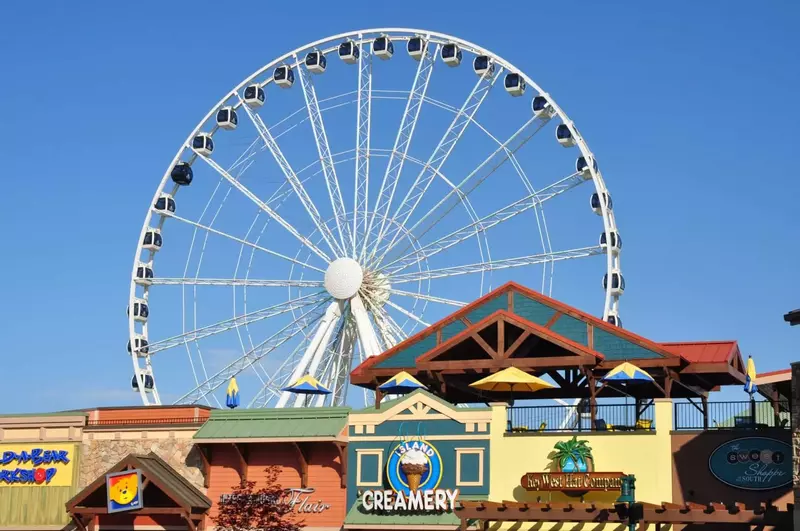
We’ve got great news! The Island in Pigeon Forge was recently given the honor of being the 6th best amusement park in the country. It even made the top 10 for best amusement parks in the world, coming in at No. 9! Learn more about the awards and all the incredible things to do at The Island:
The Island in Pigeon Forge Named 6th Best Amusement Park in the U.S.Parade Magazine Names the Smoky Mountains a Must-See National Park
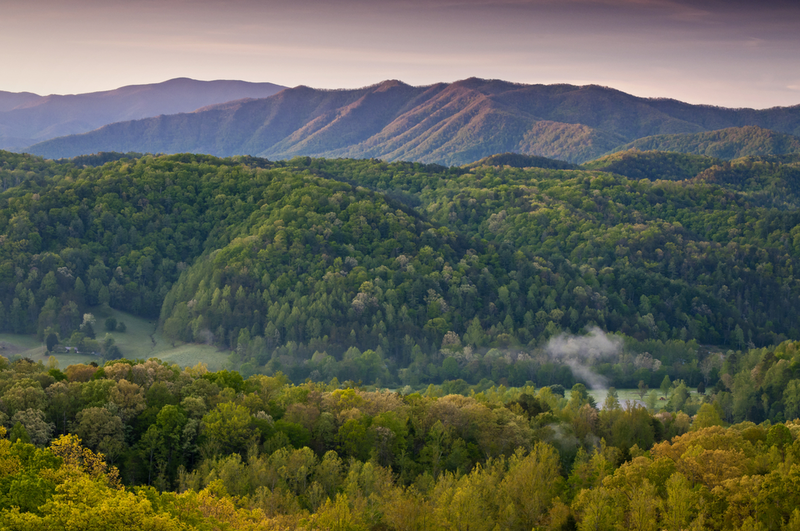
Here at Timber Tops Cabin Rentals, we believe that <i>everyone</i> should visit Tennessee’s Smoky Mountains…and apparently, we’re not alone! In a recent article in <i>Parade</i> magazine titled “<a href="https://parade.com/678791/kmccleary/an-insiders-guide-to-americas-best-national-parks/" target="_blank"> An Insider’s Guide to America’s National Parks </a>,” author Kathleen McCleary sings the praises of our very own Great Smoky Mountains National Park. In fact, <i>Parade</i> named the Smokies one of the national parks “every American should see.”
Parade Magazine Names the Smoky Mountains a Must-See National ParkTop 4 Reasons to Book Our Affordable Cabins in the Smokies
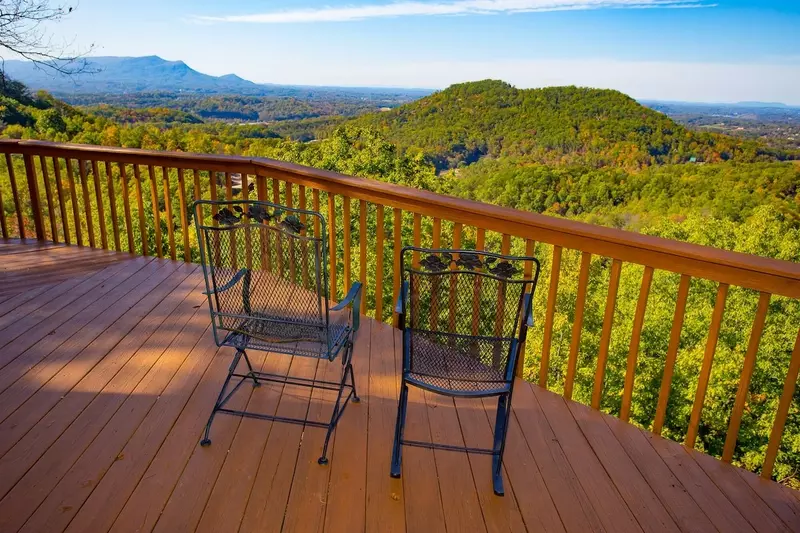
When you stay in our affordable cabins in the Smoky Mountains, you guarantee yourself a fantastic vacation. Not only do our cabins help you have a budget-friendly trip, but they provide hours of entertainment, a comfortable place to sleep and so much more. Here are the top 4 reasons to book our affordable cabins in the Smokies:
Top 4 Reasons to Book Our Affordable Cabins in the Smokies6 Tips on How to Have the Best Family Vacation in the Smoky Mountains
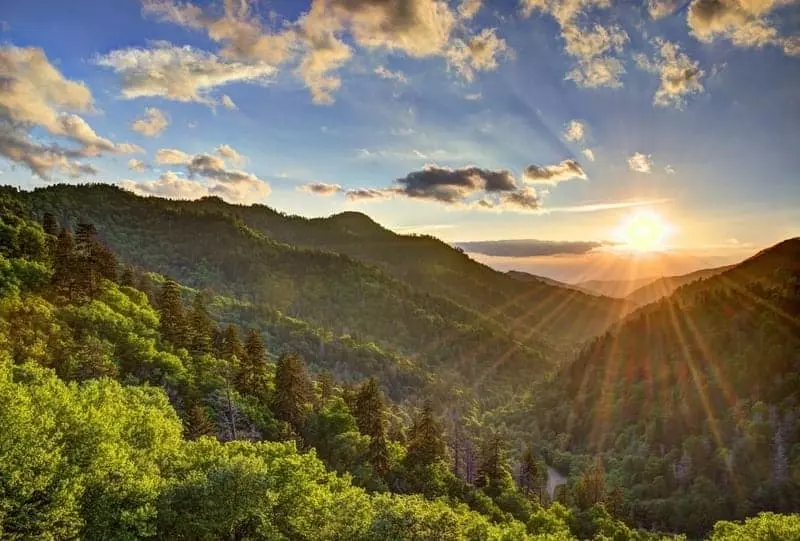
Family vacations are all about having the opportunity to spend quality time with the ones you love in a place you love. That’s why the Smoky Mountains is the perfect destination. There are plenty of memories to be made and adventures to be had. To guarantee you have a great time with your family, follow these 6 tips on how to have the best family vacation in the Smoky Mountains:
6 Tips on How to Have the Best Family Vacation in the Smoky MountainsTop 6 Must See Places in Gatlinburg TN and the Smoky Mountains
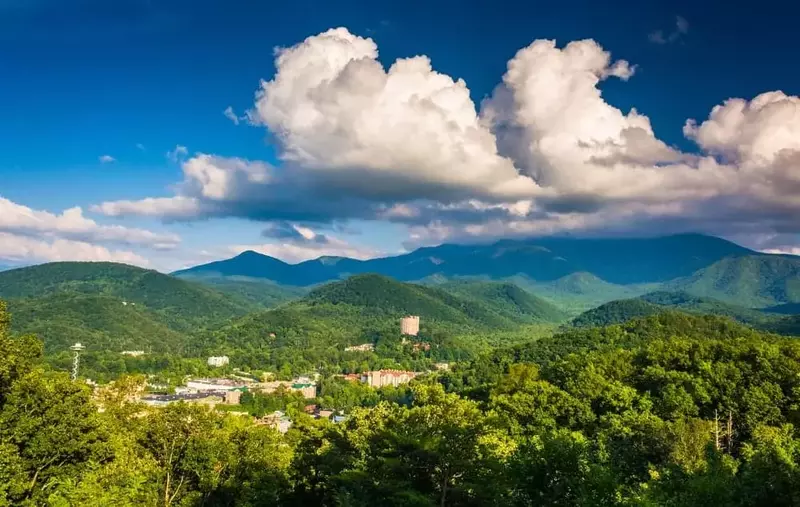
Gatlinburg, Tennessee is unlike anywhere else in the world! Located on the border of the Great Smoky Mountains National Park, our charming city boasts a unique mix of gorgeous natural scenery and some of the nation’s top family-friendly attractions. To help you make the most of your next vacation, Timber Tops Cabin Rentals has put together a guide to six must see places in Gatlinburg TN and the Smokies.
Top 6 Must See Places in Gatlinburg TN and the Smoky MountainsTop 5 Things to Do in the Smoky Mountains with Your Dog
There is no reason to leave your furry friend behind the next time you visit the Smoky Mountains! At Timber Tops Cabin Rentals, we provide you with the perfect place to stay, and the area has so many fun things you can do together. Here are the top 5 things to do in the Smoky Mountains with your dog:
Top 5 Things to Do in the Smoky Mountains with Your DogNew Restaurant Opens at Anakeesta in Gatlinburg: Cliff Top Grill & Bar
Anakeesta has a new place to dine! At Cliff Top Grill & Bar, not only can you enjoy a delicious meal after exploring the magical theme park, but you can grab an ice cold drink from the bar! Timber Tops Cabin Rentals has the inside scoop on the new restaurant at Anakeesta in Gatlinburg.
New Restaurant Opens at Anakeesta in Gatlinburg: Cliff Top Grill & BarTop 4 Rainy Day Activities in Gatlinburg TN

While we all keep our fingers crossed for sunny skies during our vacation, sometimes Mother Nature has other plans. If the weather forecast is looking less than ideal for your trip to Gatlinburg, Tennessee, there is no need to panic! Our Smoky Mountain city is home to a number of excellent indoor attractions that are fun for the whole family. To help you make the most of your next getaway, Timber Tops Cabin Rentals has put together a guide to four of the best rainy day activities in Gatlinburg TN.
Top 4 Rainy Day Activities in Gatlinburg TNCelebrate Art, Crafts and Music This Summer at the Gatlinburg Craftsmen’s Fair

One of the most popular seasonal events returns to Gatlinburg this summer with the Gatlinburg Craftsmen’s Fair! This celebration of arts, crafts and music features over 150 booths from the nation’s finest craftspeople as well as live country and bluegrass music! Here is everything you need to know about attending the Gatlinburg Craftsmen’s Fair:
Celebrate Art, Crafts and Music This Summer at the Gatlinburg Craftsmen’s Fair3 Reasons to Spend Your Honeymoon in Gatlinburg TN
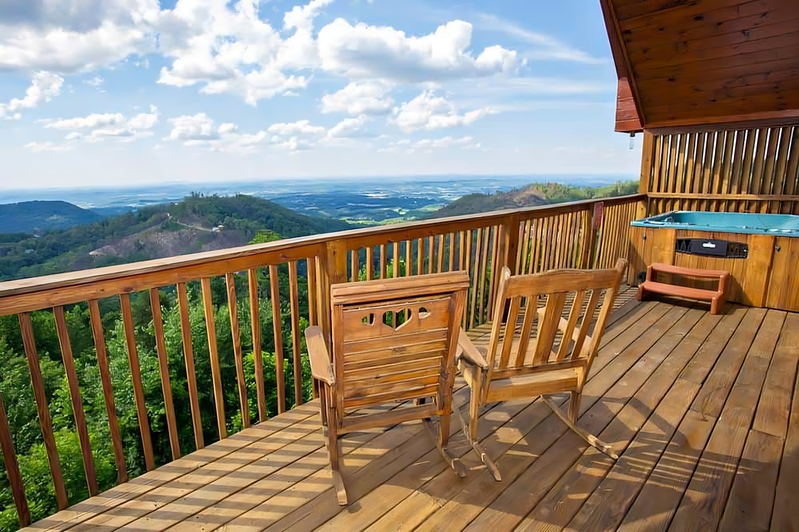
From romantic places to stay, to attractions that are great for couples, Gatlinburg is the perfect destination for your honeymoon. Start the first chapter of your lives together surrounded by the beauty of the Smoky Mountains! Here are three reasons to spend your honeymoon in Gatlinburg TN:
3 Reasons to Spend Your Honeymoon in Gatlinburg TNThe Arts and Crafts Community in Gatlinburg TN: Top 6 Places to Shop and Dine
No trip to Gatlinburg, Tennessee is complete without a visit to the Great Smoky Arts and Crafts Community! Situated off of the East Parkway, this 8-mile loop road is lined with studios, shops, and galleries where visitors will find a treasure trove of handmade gifts. The products sold in the Arts and Crafts Community are produced by the largest group of independent artisans in the entire nation.
The Arts and Crafts Community in Gatlinburg TN: Top 6 Places to Shop and DineNew This Summer: Ice Bumper Cars at Ober Gatlinburg
Although it is most famous for being Tennessee’s only ski resort, <a href="https://obergatlinburg.com/" target="_blank"> Ober Gatlinburg </a> offers plenty of fun all year long. This summer, visitors to Ober will have a brand new way to beat the heat. It was recently announced that the Smoky Mountain amusement park is adding a special bumper car section to its ice rink! Read on to learn everything we know about the thrilling ice bumper cars at Ober Gatlinburg.
New This Summer: Ice Bumper Cars at Ober GatlinburgTop 5 Things to Do in Gatlinburg and Pigeon Forge TN to Keep Cool This Summer
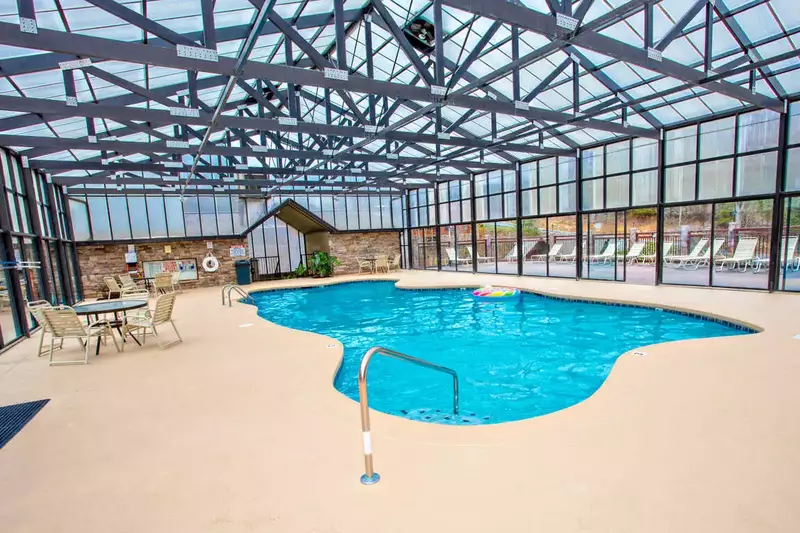
There is no better place to spend your summer days than in the Smoky Mountains! There are so many ways to soak up the sweet sunshine and enjoy the beautiful weather. If you get too hot, you can easily find things to do that help you beat the summer heat! Here are the top things to do in Gatlinburg and Pigeon Forge TN to keep cool this summer:
Top 5 Things to Do in Gatlinburg and Pigeon Forge TN to Keep Cool This Summer5 Reasons to Stay in Our Large Cabins in Gatlinburg for Your Group’s Summer Vacation
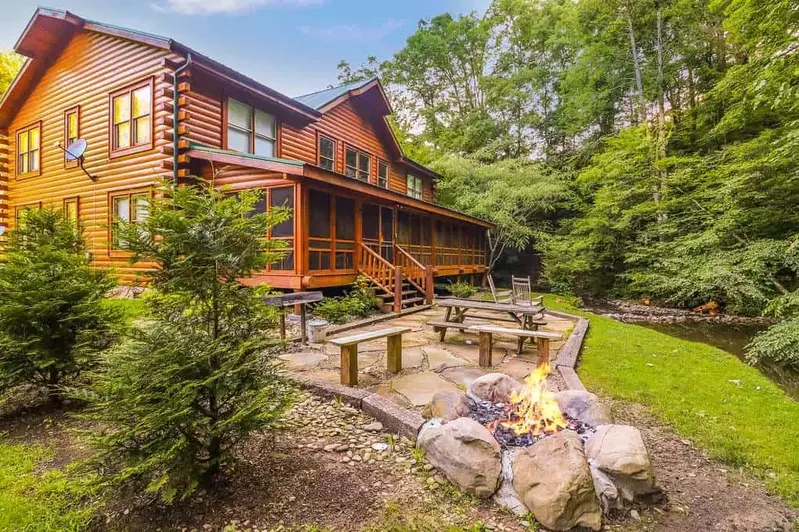
When you visit the Smoky Mountains during the summer, there is no better place to stay than in a large cabin in Gatlinburg! From an amazing location to in-cabin amenities, you’ll fall in love with our cabins. No matter what the occasion is, you’ll be able to find a place to stay that best accommodates your group. Here are 5 reasons to stay in our large cabins in Gatlinburg for your group’s summer vacation.
5 Reasons to Stay in Our Large Cabins in Gatlinburg for Your Group’s Summer Vacation6 of the Best Shops in Gatlinburg That Will Satisfy Your Sweet Tooth
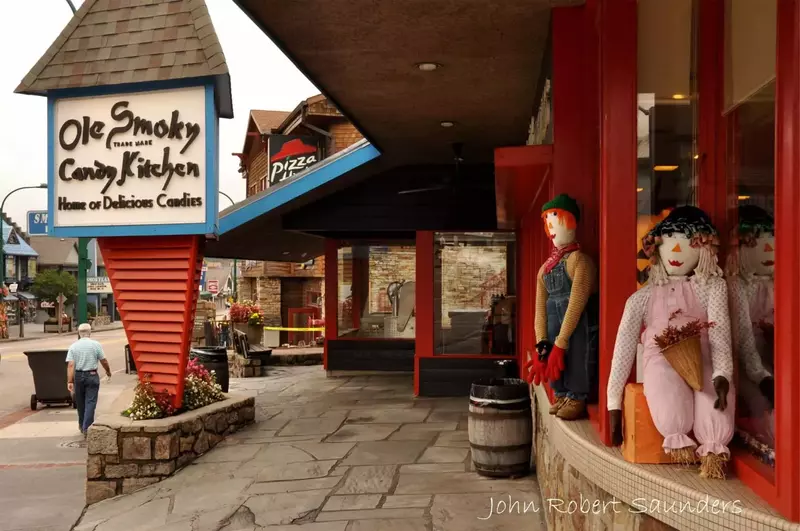
Gatlinburg is known for having delicious restaurants, but it’s also full of delicious sweets! If you’ve been craving something sugary while you’re in Gatlinburg, then you’re in the right place. Here are the 6 best shops in Gatlinburg that will satisfy your sweet tooth:
6 of the Best Shops in Gatlinburg That Will Satisfy Your Sweet Tooth4 Reasons to Stay in Our Gatlinburg Cabins with Arcade Games
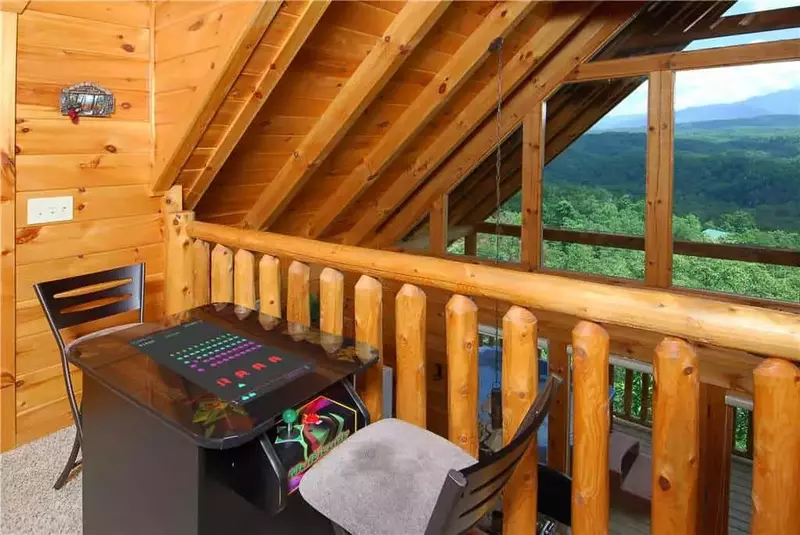
Do you want to stay somewhere with endless entertainment, where you don’t even have to leave to have hours of fun? Of course you do! When you stay in our Gatlinburg cabins with arcade games, that’s exactly what you’ll get. Not only will you have plenty of exciting games to play, but you’ll have a number of other fantastic amenities that will make your stay even better. Here are 4 reasons to stay in our Gatlinburg cabins with arcade games:
4 Reasons to Stay in Our Gatlinburg Cabins with Arcade GamesYee-Haw Brewing Company Opening New Location in Pigeon Forge
While Pigeon Forge, TN may be most famous for its excellent <a href="/blog/distilleries-in-pigeon-forge-and-smoky-mountains/"> moonshine distilleries </a>, our Smoky Mountain city is no slouch when it comes to beer either. The Smokies are home to a few great breweries and numerous bars with extensive beer selections. This summer, beer lovers will have yet another reason to visit Pigeon Forge: Yee-Haw Brewing Company is coming to town!
Yee-Haw Brewing Company Opening New Location in Pigeon Forge5 Reasons to Stay in Our Smoky Mountain Cabin Rentals with Spectacular Views
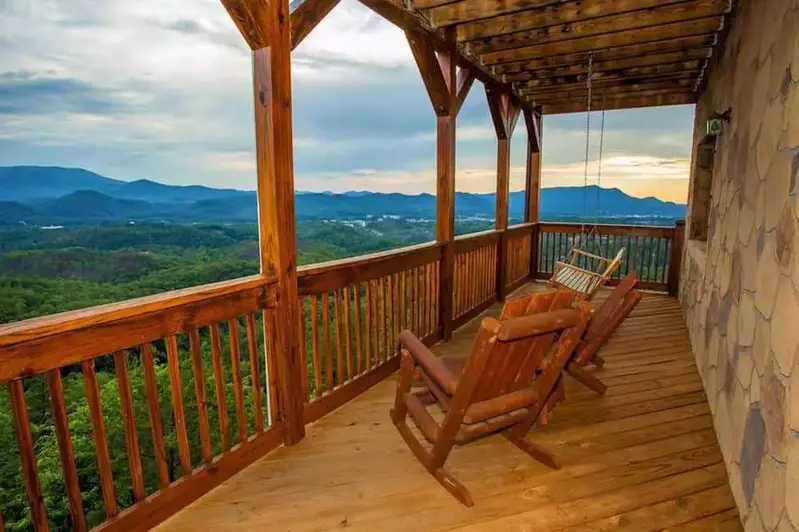
One of the best parts about vacationing in the Smoky Mountains is the breathtaking views that surround you. When you stay with Timber Tops Cabin Rentals, you’ll have plenty of opportunities to enjoy the natural beauty of the mountains. We have cabins available that offer gorgeous mountain views. Here are 5 reasons to stay in our Smoky Mountain cabin rentals with spectacular views:
5 Reasons to Stay in Our Smoky Mountain Cabin Rentals with Spectacular ViewsVirtual Reality Arcade Opens in Sevierville: Virtual Villains

One of the most eagerly anticipated new attractions in the Smoky Mountains is now open! Virtual Villains is Sevierville’s very first virtual reality arcade. Guests can strap on a VR headset to enjoy an immersive video game adventure unlike anything you have ever experienced before. Perfect for kids or adults, Virtual Villains offers everything from Fruit Ninja to first-person shooter games. To help you make the most of your next vacation, Timber Tops Cabin Rentals has put together a guide to everything you need to know about Virtual Villains in Sevierville.
Virtual Reality Arcade Opens in Sevierville: Virtual Villains6 Can’t-Miss Things to Do in Gatlinburg and Pigeon Forge for First-Time Visitors
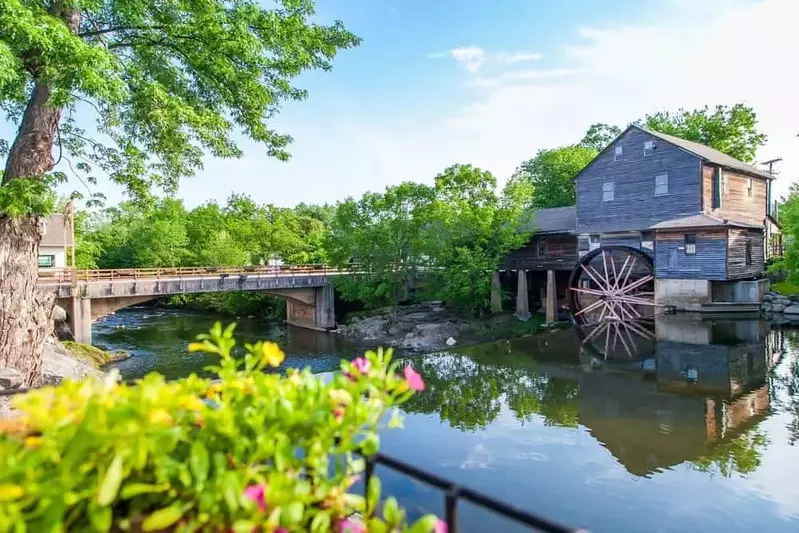
From world-class theme parks, to breathtaking views, the Smoky Mountains have everything you need for a dream vacation. There are so many incredible things to do in the area that it can be hard fitting it all into one trip. If it’s your first time visiting the Smoky Mountains, there are a few things you have to try. To guarantee you have an amazing first trip, check out these 6 can’t-miss things to do in Gatlinburg and Pigeon Forge for first-time visitors.
6 Can’t-Miss Things to Do in Gatlinburg and Pigeon Forge for First-Time VisitorsWhat’s New at Dollywood’s Splash Country?
No summer vacation in Pigeon Forge, TN is complete without a visit to <a href="https://www.dollywood.com/waterpark" target="_blank"> Dollywood’s Splash Country </a>! Located adjacent to the world-famous Dollywood theme park, Splash Country is one of the very best water parks in the United States. Inspired by Dolly Parton’s childhood adventures swimming in the rivers of the Great Smoky Mountains, Splash Country is loaded with thrilling slides, rides, and attractions.
What’s New at Dollywood’s Splash Country?8 of the Best Dollywood Rides for Families You Have to Try
Dollywood is one of the most popular family attractions in the Smoky Mountains! There is everything from shops, to restaurants, to shows, and of course, rides. Dollywood has a number of exciting rides for those looking for a thrill, but there are also plenty of family-friendly rides you can all enjoy together! Check out 8 of the best Dollywood rides for families:
8 of the Best Dollywood Rides for Families You Have to TryTop 6 Gatlinburg and Pigeon Forge Attractions for Seniors
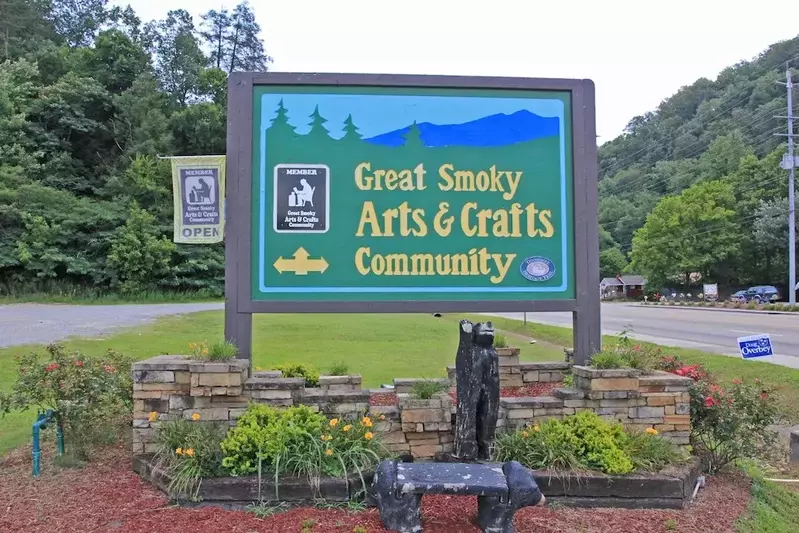
Whether you’re 2 years old or 102 years old, there is plenty of fun to be had in Tennessee’s Great Smoky Mountains! The cities of Gatlinburg and Pigeon Forge are especially popular with senior citizens, who will find a variety of wonderful entertainment and shopping destinations in town. To help you make the most of your next vacation, Timber Tops Cabin Rentals has put together a guide to the top six Gatlinburg and Pigeon Forge attractions for seniors.
Top 6 Gatlinburg and Pigeon Forge Attractions for SeniorsYour Guide to the Perfect Vacation in Our Pet Friendly Cabins in the Smoky Mountains

Planning a vacation but don’t want to leave your furry friend behind? Bring them along with you! At Timber Tops Cabin Rentals, we know pets are part of the family too, which is why we have a number of beautiful pet friendly cabins available. To help you plan your trip, follow our guide to the perfect vacation in our pet friendly cabins in the Smoky Mountains:
Your Guide to the Perfect Vacation in Our Pet Friendly Cabins in the Smoky Mountains8 Ways to See Breathtaking Views When You Stay in Our Smoky Mountain Cabin Rentals
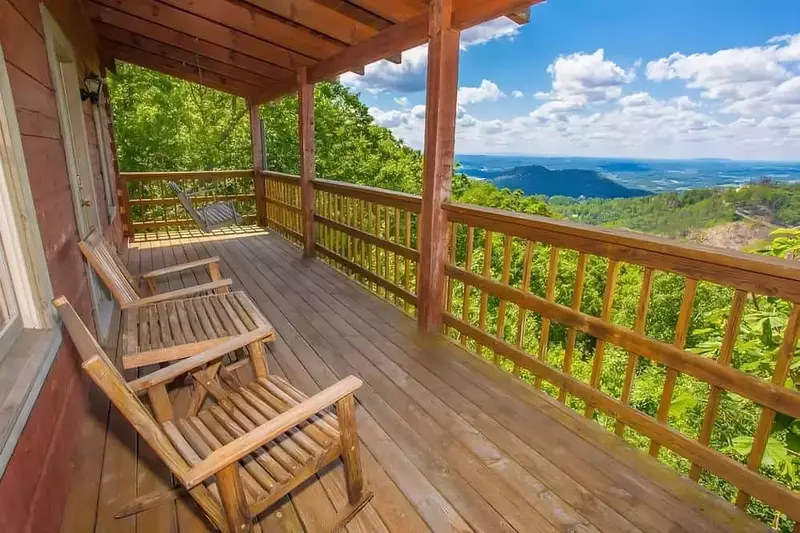
One of the best parts about taking a vacation to the Smoky Mountains is the gorgeous views that are waiting for you around every corner. When you stay in our cabins, you’ll have so many opportunities to take in the scenery. Here are 8 ways to see breathtaking views when you stay in our Smoky Mountain cabin rentals:
8 Ways to See Breathtaking Views When You Stay in Our Smoky Mountain Cabin Rentals5 Influential People and the Peaks in the Smoky Mountains Dedicated to Them
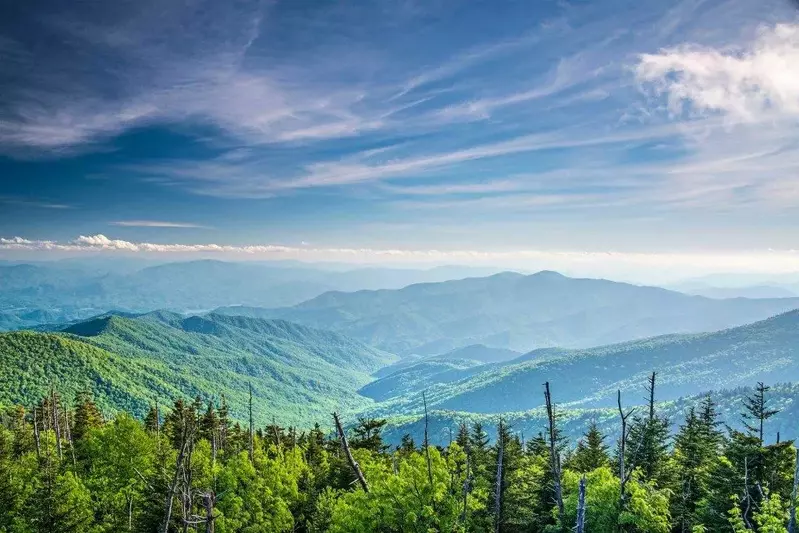
The Smoky Mountains have numerous peaks that are named after many people who had a great deal of influence on the creation of the Great Smoky Mountains National Park. These people were very different but all shared a similar vision of how the future of this great landscape should be treated. Here are 5 influential people and the peaks in the Smoky Mountains that are dedicated to them:
5 Influential People and the Peaks in the Smoky Mountains Dedicated to Them5 Reasons You Should Stay in a 6 Bedroom Cabin in Gatlinburg
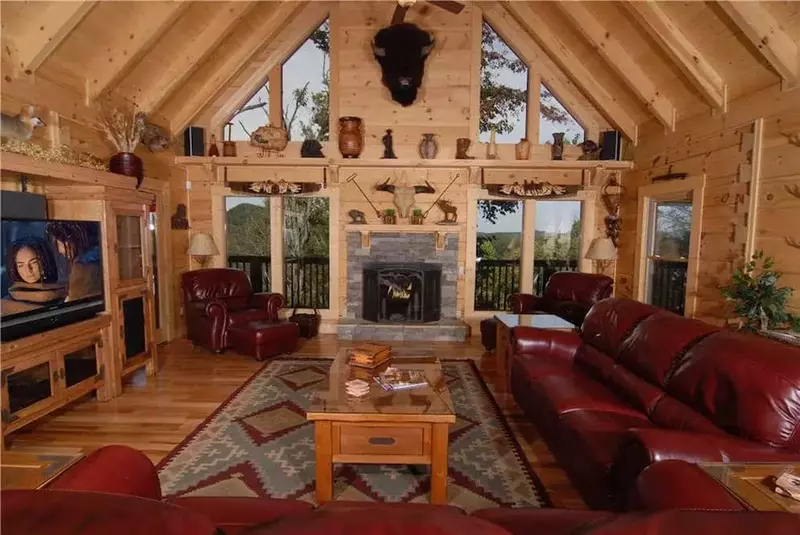
When planning a large group vacation to Gatlinburg, the most important thing to do is find a comfortable place to stay where you can all be together. Look no further than Timber Tops Cabin Rentals! We have gorgeous 6 bedroom cabins in Gatlinburg that don’t just provide a comfortable place to sleep, but hours of entertainment as well! From stunning views, to home theaters, you’ll have it all when you stay in our 6 bedroom cabins. Here are 5 reasons you should stay in a 6 bedroom cabin in Gatlinburg:
5 Reasons You Should Stay in a 6 Bedroom Cabin in GatlinburgTop 5 Benefits of Staying in a Large Cabin in the Smoky Mountains
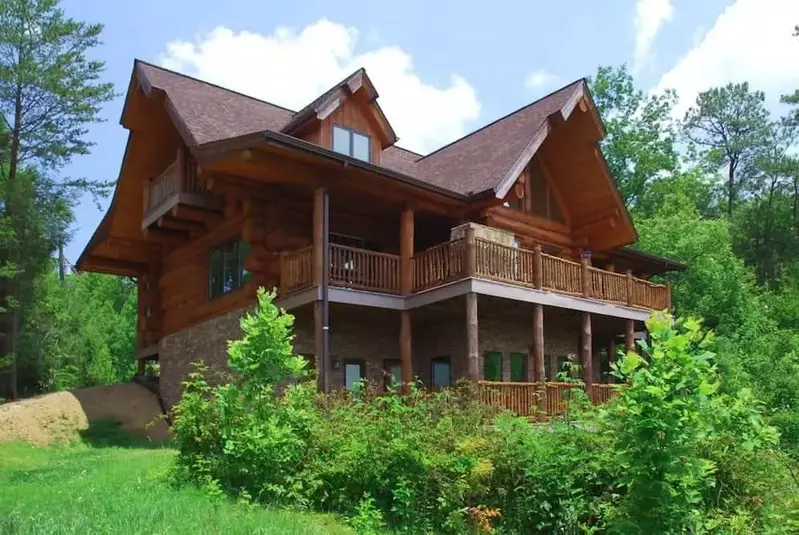
Visiting the Smoky Mountains is even more special when you share it with the people close to you. When you stay in one of our large cabins, you’ll be able to spend your vacation under the same roof as everyone in your group. At Timber Tops Cabin Rentals, we have cabins big enough to accommodate up to 54 people! No one will feel left behind when you stay in our large cabins. Here are the top 5 benefits of staying in a large cabin in the Smoky Mountains:
Top 5 Benefits of Staying in a Large Cabin in the Smoky MountainsTop 5 Outdoor Attractions in the Smoky Mountains You Can’t Afford to Miss
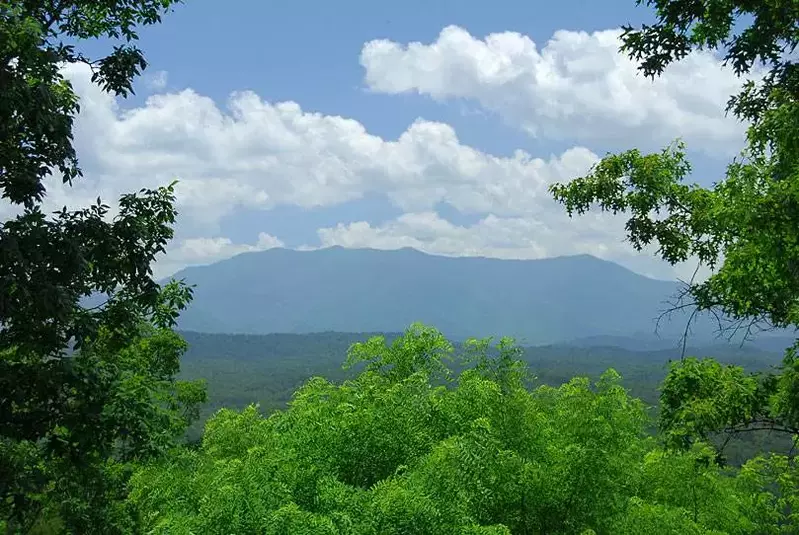
When the sun is shining and the birds are chirping, there is nothing better than being outdoors. When you stay in our Smoky Mountain cabins, you’ll be able to breathe in the fresh mountain air and explore everything the area has to offer. Make the most of your time in the sweet sunshine trying new things and having new adventures! Here are the top 5 outdoor attractions in the Smoky Mountains you can’t afford to miss:
Top 5 Outdoor Attractions in the Smoky Mountains You Can’t Afford to MissNew Rides at Dollywood: Theme Park Plans 5-Acre Expansion

The largest attraction in Pigeon Forge, TN is getting even bigger! A number of local news outlets have reported that Dollywood is developing a 5-acre expansion that could open as early as 2019. The new area is set to include eight attractions and a restaurant. Read on to find out everything we know about the brand new rides at Dollywood.
New Rides at Dollywood: Theme Park Plans 5-Acre Expansion6 Brand New Pigeon Forge Attractions and Events

Things never stand still in Pigeon Forge, TN! Our Smoky Mountain city is getting a number of new businesses and events that are sure to be a hit with vacationers. To help you make the most of your next getaway, Timber Tops Cabin Rentals has put together a guide to all of the new Pigeon Forge attractions and festivities.
6 Brand New Pigeon Forge Attractions and EventsTop 7 Family Activities in Gatlinburg TN
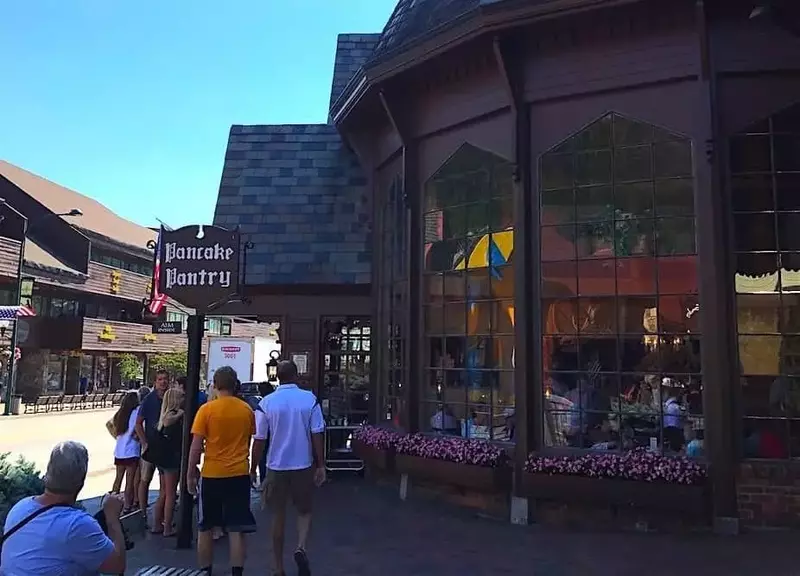
Gatlinburg, Tennessee is the ultimate family vacation destination! Our Smoky Mountain city is overflowing with awesome attractions that are fun for adults and children of all ages. With so many incredible things to see and do in town, narrowing down the itinerary for your getaway can be a little overwhelming. To help you make the most of your trip, Timber Tops Cabin Rentals has put together a guide to the top seven family activities in Gatlinburg TN.
Top 7 Family Activities in Gatlinburg TN6 Amazing Festivals at Dollywood That You Don’t Want to Miss
While Dollywood doesn’t begin its season until mid-March, we are already brimming with anticipation for all of the fun the theme park has in store for guests this year! Throughout the spring, summer, fall, and winter, Dollywood hosts a number of incredible festivals that bring world-class entertainment to Pigeon Forge. To help you plan your next vacation, Timber Tops Cabin Rentals has put together a convenient guide to all of the amazing festivals at Dollywood.
6 Amazing Festivals at Dollywood That You Don’t Want to MissWorth a Visit: Top 3 Smoky Mountain Historical Sites
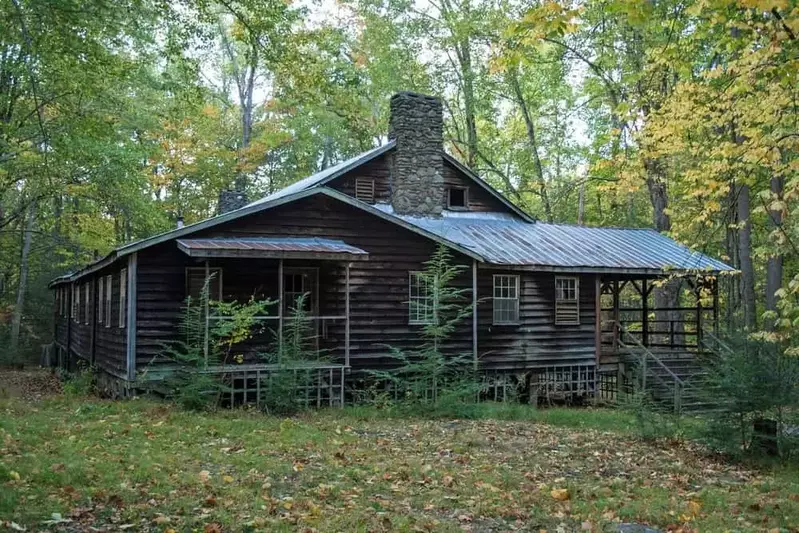
Tennessee’s Smoky Mountains are filled with history! From the heart of Pigeon Forge to the national park, visitors will find a variety of well-preserved historic buildings from the 19th and 20th centuries. Even if your family members aren’t big history buffs, they will love exploring these authentic Appalachian homesteads from years gone by. To help you make the most of your next vacation, Timber Tops Cabin Rentals has put together a guide to the top three Smoky Mountain historical sites.
Worth a Visit: Top 3 Smoky Mountain Historical SitesBest Kept Secrets of Gatlinburg: Top 5 Hidden Gems
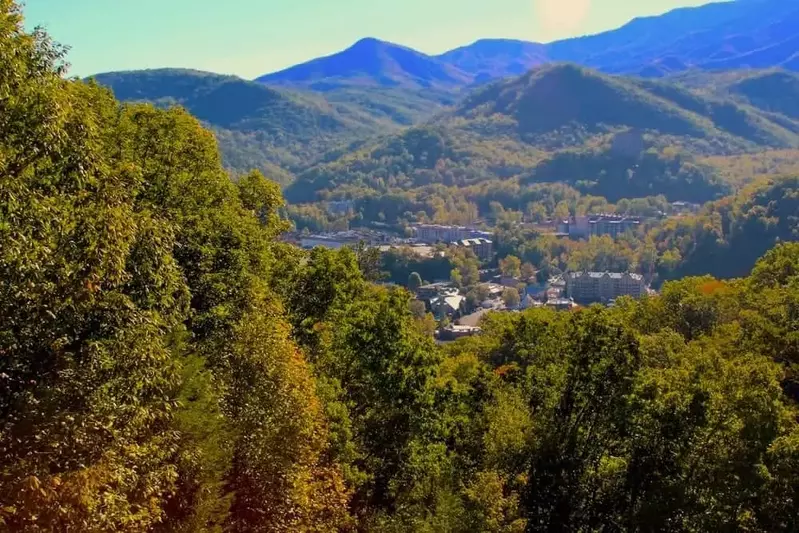
Frequented by over 11 million visitors each year, Gatlinburg, TN is one of the most popular vacation destinations in America! Our Smoky Mountain city is home to a number of famous attractions, including Ripley’s Aquarium of the Smokies, the Ole Smoky Moonshine Distillery, and the nearby Dollywood theme park. In addition to these well-known tourist spots, Gatlinburg also boasts a number of smaller attractions that are definitely worth a visit. To help you make the most of your next vacation, Timber Tops Cabin Rentals has put together a guide to six of the best kept secrets of Gatlinburg.
Best Kept Secrets of Gatlinburg: Top 5 Hidden GemsTop 6 Indoor Attractions in Pigeon Forge TN
There is no need to panic if the weather forecast for your trip to Pigeon Forge, Tennessee isn’t what you expected! Whether it’s raining, snowing, or a bit too chilly to spend time outside, it’s still easy to have an awesome vacation in the Smokies. Our charming city is home to a number of amazing indoor activities that your whole family is sure to love. To help you make the most of your next getaway, Timber Tops Cabin Rentals has put together a handy guide to six of our favorite indoor attractions in Pigeon Forge TN.
Top 6 Indoor Attractions in Pigeon Forge TN5 New Things to Do in Pigeon Forge and Gatlinburg
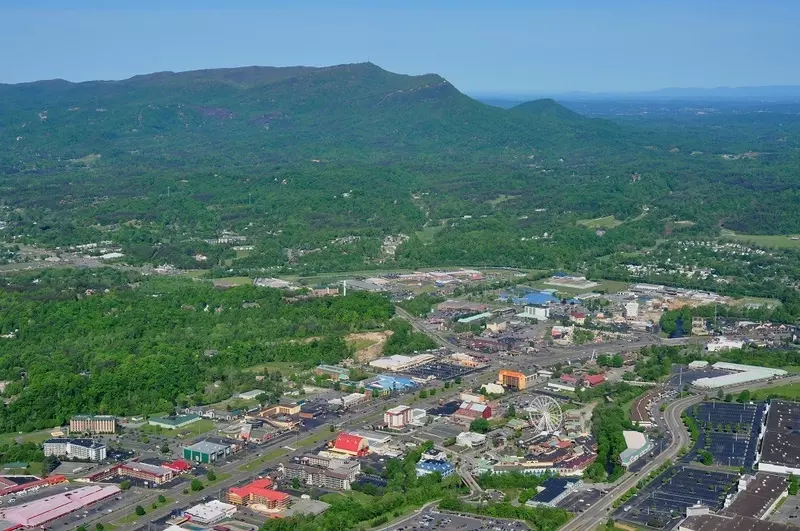
Millions of people return to the Smoky Mountains year after year because there is always something new to experience! In the past few months, a number of amazing attractions have opened in Pigeon Forge and Gatlinburg, TN. Many of these attractions have been in the works for years. To help you make the most of your next vacation, Timber Tops Cabin Rentals has put together a convenient guide to five new things to do in Pigeon Forge and Gatlinburg.
5 New Things to Do in Pigeon Forge and Gatlinburg5 Amazing Fall Festivals in Pigeon Forge TN and the Smoky Mountains
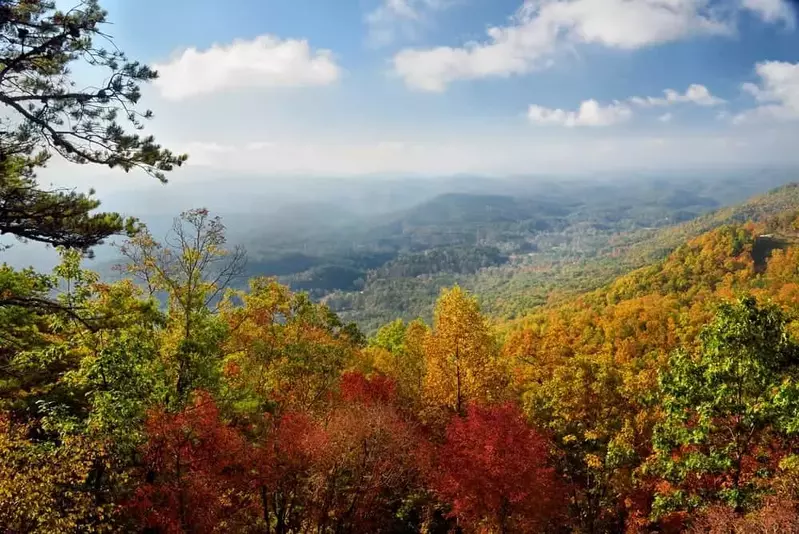
Fall is one of the very best times to visit Pigeon Forge, Tennessee! Millions of vacationers come to the Smokies to see the breathtaking red, yellow, and orange leaves that make up the <a href="/blog/complete-guide-to-fall-foliage-in-the-smoky-mountains/">Smoky Mountain fall foliage</a>. In addition to the spectacular leaves, the fall months also bring a number of special seasonal events to the area. To help you make the most of your next getaway, Timber Tops Cabin Rentals has put together a guide to five amazing fall festivals in Pigeon Forge TN and the Smoky Mountains.
5 Amazing Fall Festivals in Pigeon Forge TN and the Smoky MountainsWe Know You Will Love These 5 Amenities at Our Cabins in Pigeon Forge
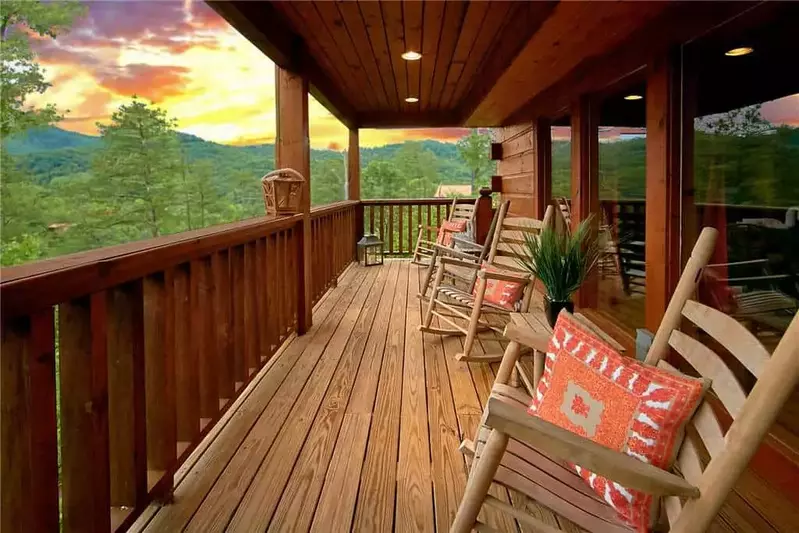
When you plan where to stay on your vacation, we know there are certain amenities you are looking for. When you stay with us in our cabins in Pigeon Forge, we can help you find the best cabin with all of the amenities you want. Here’s a few of the most popular things you’ll find in some of our cabins in Pigeon Forge.
We Know You Will Love These 5 Amenities at Our Cabins in Pigeon ForgeWhat You Need to Know about Bringing Your Pet to Our Pet Friendly Cabins in Pigeon Forge

When you decide to stay in one of our pet friendly cabins in Pigeon Forge, you are preparing not just for a fun vacation for you but also for your pet, too. We’ve got plenty of <a href="/cabin-rentals/pet-friendly-cabins/">pet friendly cabins in Pigeon Forge</a> for you to choose from, but we also have a few great things for you to know about bringing your pet with you on vacation as well!
What You Need to Know about Bringing Your Pet to Our Pet Friendly Cabins in Pigeon ForgeHere’s How You Can Get Free Pigeon Forge and Gatlinburg Attraction Tickets!

Do you want free Pigeon Forge and Gatlinburg attraction tickets? We’d like to give you free tickets to some of the best attractions in Pigeon Forge and Gatlinburg when you book with us! These tickets do not cost you anything extra, and will save you money when you visit all of these places with your family!
Here’s How You Can Get Free Pigeon Forge and Gatlinburg Attraction Tickets!The Gatlinburg Sky Lift Reopens Just in Time for Summer
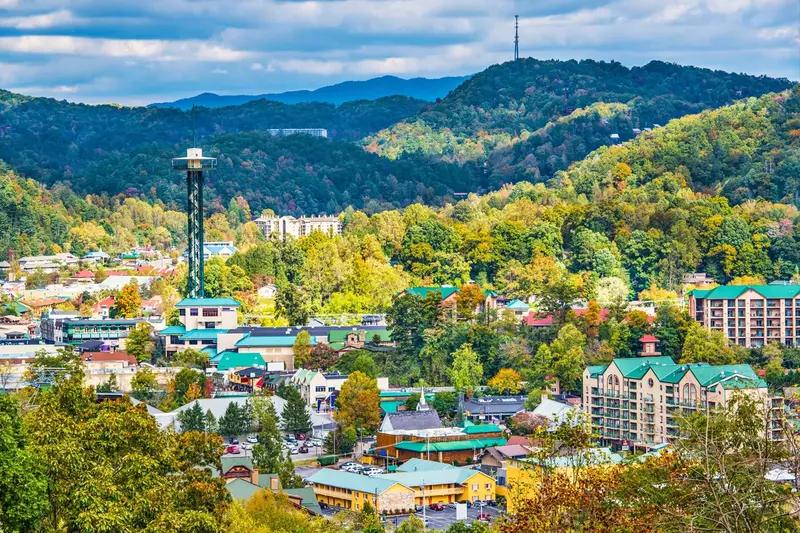
The summer months are quickly approaching and the Gatlinburg Sky Lift has reopened for visitors just in time for the summer season! The Gatlinburg Sky Lift opened for Memorial Day weekend and we’re expecting the ride to be better than ever!
The Gatlinburg Sky Lift Reopens Just in Time for Summer4 Reasons Timber Tops Has the Best Cabin Rentals in Pigeon Forge TN
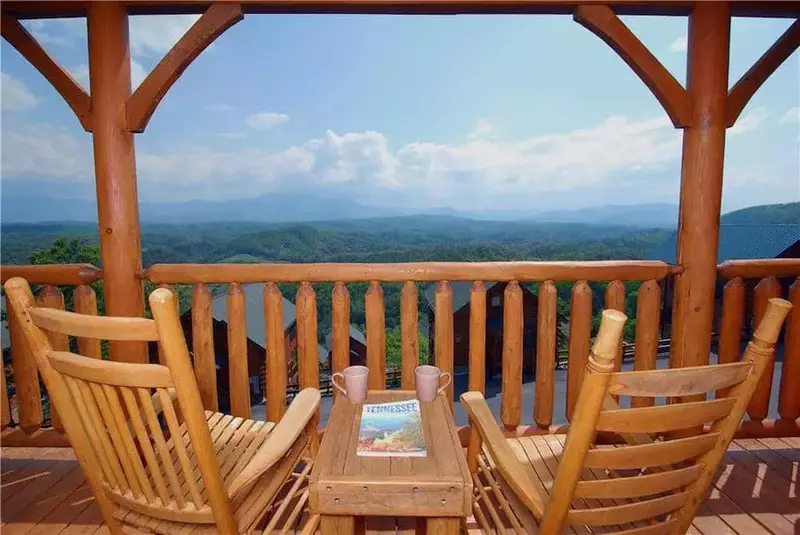
If you’re planning a trip to Pigeon Forge, Tennessee, the only way to get the full Smoky Mountain experience is by staying at a cabin rental. Tucked away in the foothills of the Smokies, a cabin immerses guests in natural beauty while providing luxurious amenities that you won’t find anywhere else. There are hundreds of cabin rental companies in the area, but Timber Tops is head and shoulders above the rest. Here are just four reasons we have the best cabin rentals in Pigeon Forge TN.
4 Reasons Timber Tops Has the Best Cabin Rentals in Pigeon Forge TNThe Great Smoky Mountains Will Pay You to Visit Them in 2017

Tennessee’s Great Smoky Mountains are launching a bold new tourism strategy: paying people to visit! Sevier County includes the popular vacation destinations of Gatlinburg, Pigeon Forge and Sevierville, TN.
The Great Smoky Mountains Will Pay You to Visit Them in 20174 Things that Make Our Cabins in the Smokies for Rent the Best Place for Your Mountain Vacation
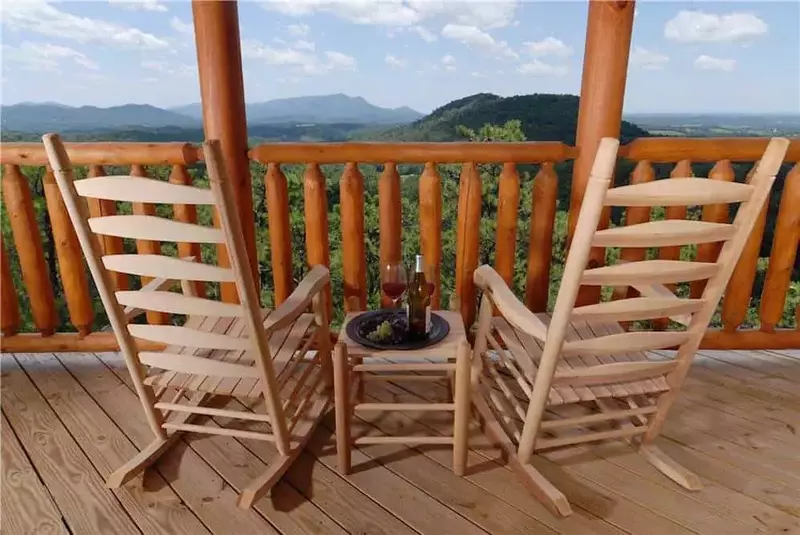
When you’re ready for a break from the stress of daily life and you find yourself daydreaming about a weekend in the mountains, our <a href="/cabin-rentals/">cabins in the Smokies for rent</a> are the best place for a few days of rest and relaxation! Conveniently located and affordable for any budget, there’s no better place in the Smokies to enjoy the scenery and all the fun of the mountains.
4 Things that Make Our Cabins in the Smokies for Rent the Best Place for Your Mountain Vacation4 Reasons Why Our Great Smoky Mountain Cabin Rentals are Better Than a Hotel
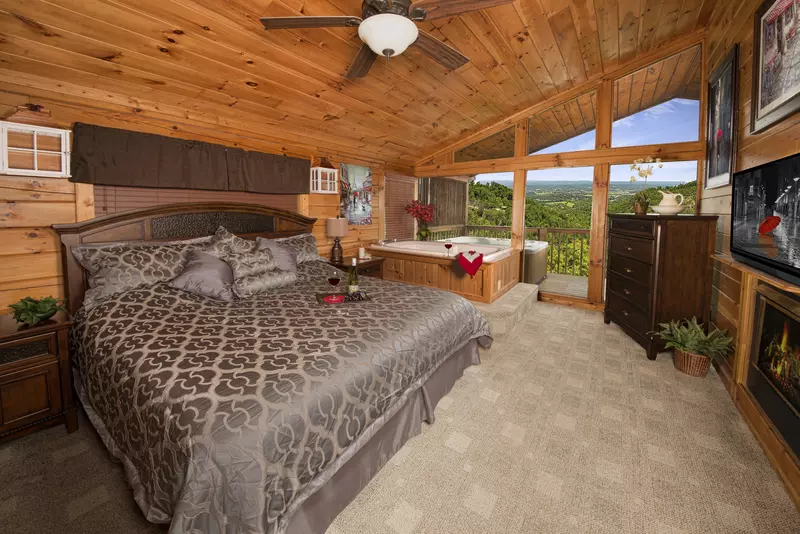
Summer is in full swing, which means it’s time to get serious about planning your family vacation! The Smoky Mountains are a popular destination because of their breathtaking scenery and fun attractions, and we want you to have the best vacation ever. The only way to do this is by avoiding overcrowded hotels and instead staying in our <a href="/cabin-rentals/">Great Smoky Mountain cabin rentals</a>! Keep reading to find out why our cabins are so much better than a hotel.
4 Reasons Why Our Great Smoky Mountain Cabin Rentals are Better Than a HotelThe Great Smoky Mountains National Park Hit Record Number of Visitors in 2016
Did you visit the Great Smoky Mountains National Park in 2016? If you did, you were part of helping us hit our record-breaking number this year!
The Great Smoky Mountains National Park Hit Record Number of Visitors in 20164 Easy Steps to Plan a Romantic Vacation in a Pigeon Forge Cabin

Valentine’s Day is just around the corner and it’s time to start preparing the perfect, romantic getaway weekend. With the holidays behind us and our regular schedules falling back into routine, why not take a break and enjoy a romantic vacation to a Pigeon Forge cabin this year?
4 Easy Steps to Plan a Romantic Vacation in a Pigeon Forge Cabin4 of Our Favorite Things to Do in Pigeon Forge
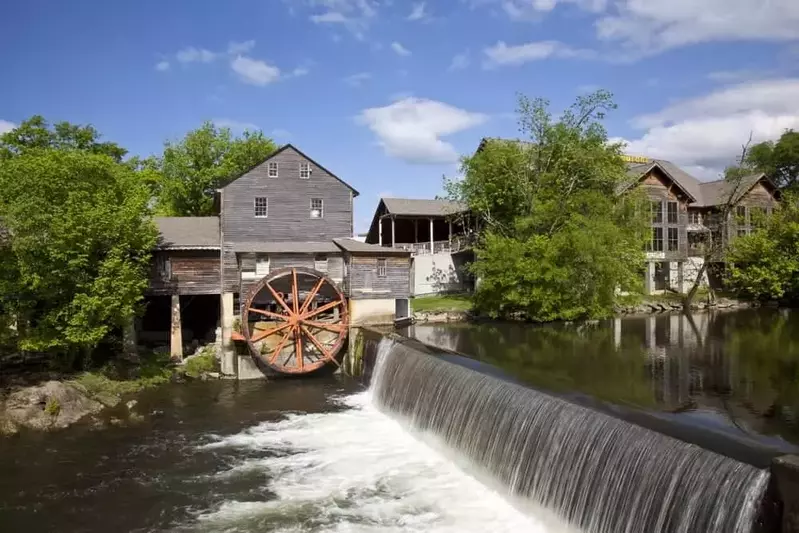
With so many fun things to do in Pigeon Forge, we’ve decided to help you narrow down your decisions. Here’s a few of our favorite things to do that you don’t want to miss while you’re on vacation.
4 of Our Favorite Things to Do in Pigeon ForgeWhy a Luxury Gatlinburg Cabin is the Best Place for a Mountain Retreat
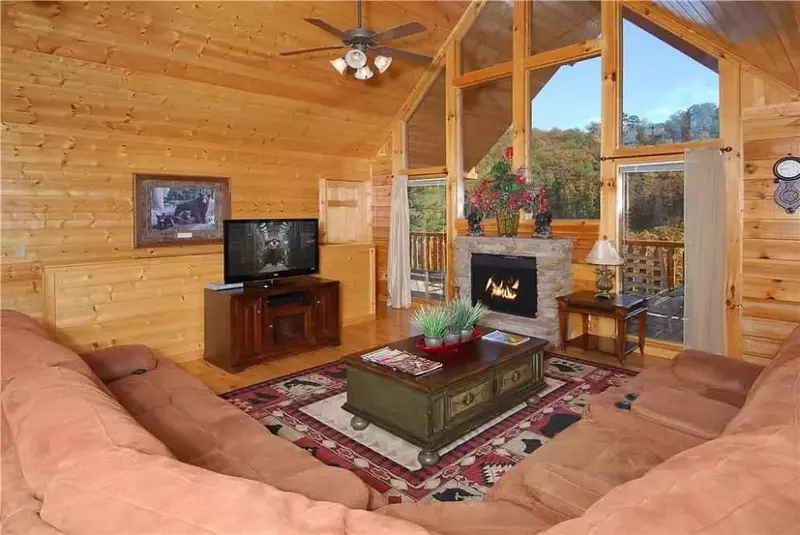
Every year, people flock from all over the country and even the world for a few days in the beautiful Smoky Mountains. There are plenty of great places to stay during your mountain retreat, but nowhere has as much to offer as a <a href="/gatlinburg-luxury-cabins/">luxury Gatlinburg cabin</a>. To help convince you that our cabins are the best choice for your next vacation, we’ve put together a list of all the best reasons why staying with us will help you have the weekend in the mountains that you’ve been dreaming of!
Why a Luxury Gatlinburg Cabin is the Best Place for a Mountain RetreatHow to Celebrate a Romantic Weekend in the Smoky Mountains

With the first day of winter right around the corner, it’s the perfect time to start planning a romantic weekend in the Smoky Mountains. The area is filled with ways to create a romantic vacation to the Smokies, so we’ve put together a few steps to creating a stress-free vacation.
How to Celebrate a Romantic Weekend in the Smoky Mountains4 Pigeon Forge Family Attractions You are Sure to Love
It’s no secret there are a lot of fun and memorable Pigeon Forge family activities in the area. From roller coasters and go-karts to exciting horse shows, there is something for everyone in your family to enjoy. However, there are a few Pigeon Forge family attractions that stand out among the rest that we think you and your loved ones will really enjoy during your vacation to Pigeon Forge.
4 Pigeon Forge Family Attractions You are Sure to Love6 Tips for a Weekend Getaway at Our Vacation Rentals in Gatlinburg TN
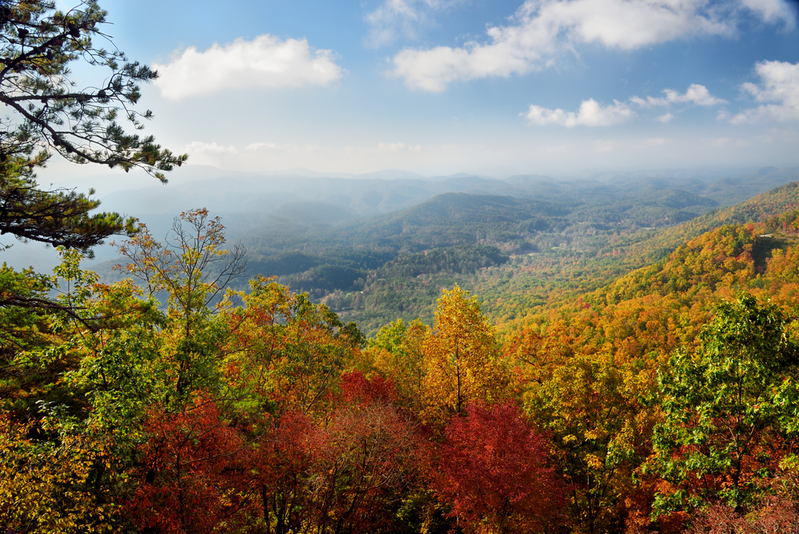
Sometimes, getting away for a weekend is all you need to feel refreshed and ready to face the responsibilities of everyday life. The Smoky Mountains provide the perfect backdrop for this type of relaxing getaway. We have the best <a href="/cabin-rentals/gatlinburg-cabins/">vacation rentals in Gatlinburg TN</a> that have everything you need for a rejuvenating weekend in the mountains. The following 6 tips will help you make the most out of your time in the Smokies:
6 Tips for a Weekend Getaway at Our Vacation Rentals in Gatlinburg TN4 Reasons You Need to Vacation in Our Romantic 1 Bedroom Cabins in Gatlinburg TN

If you’ve been wishing for a weekend away with your significant other, our <a href="/cabin-rentals/1-bedroom-cabins/">romantic 1 bedroom cabins in Gatlinburg TN</a> are exactly what you’ve been dreaming of. From private hot tubs and beautiful fireplaces to their convenient location and affordability, our cabins have everything you need to have the romantic getaway you’ve been needing. If you still need a little convincing, read on to hear the 4 reasons why you need to book a sweetheart’s retreat now!
4 Reasons You Need to Vacation in Our Romantic 1 Bedroom Cabins in Gatlinburg TNWhat is the Best Time of Year to Visit Gatlinburg TN?
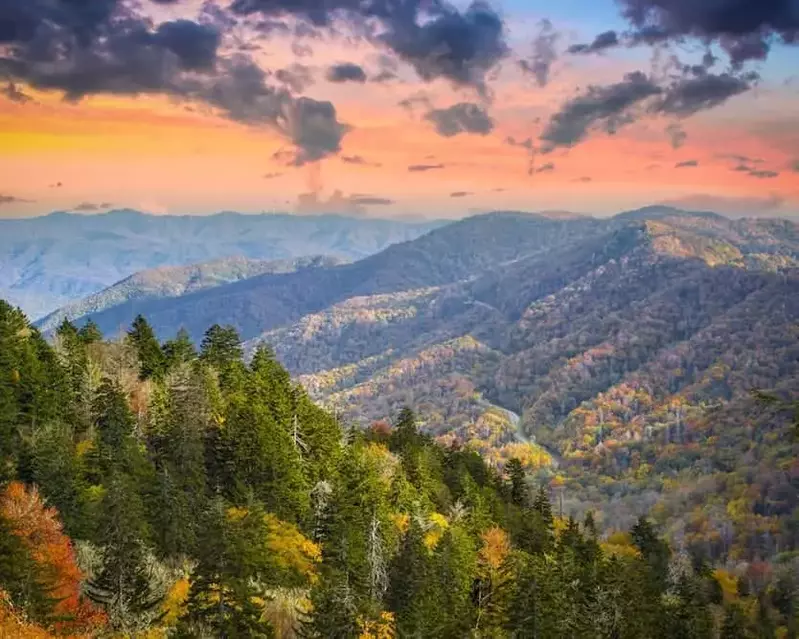
While some cities are primarily summer vacation destinations or winter resort towns, Gatlinburg doesn’t fit neatly into any of these categories. In fact, Gatlinburg gets millions of visitors all year round! There isn’t just one best time of year to visit Gatlinburg TN, as each season offers something special to see and do. To help you decide when to schedule your next getaway, we have put together the following guide to vacationing in Gatlinburg throughout the year.
What is the Best Time of Year to Visit Gatlinburg TN?4 Easy Hikes in the Smoky Mountains That Are Great for Kids

The Great Smoky Mountains National Park is home to over 800 miles of beautifully maintained hiking trails. While some of the trails are best left to the pros, there are also a number of short trails that are ideal for families. To help you make the most of your vacation, Timber Tops Luxury Cabin Rentals has put together a guide to four easy hikes in the Smoky Mountains that your kids are sure to love:
4 Easy Hikes in the Smoky Mountains That Are Great for Kids3 Tips for Viewing Wildlife in the Smoky Mountains
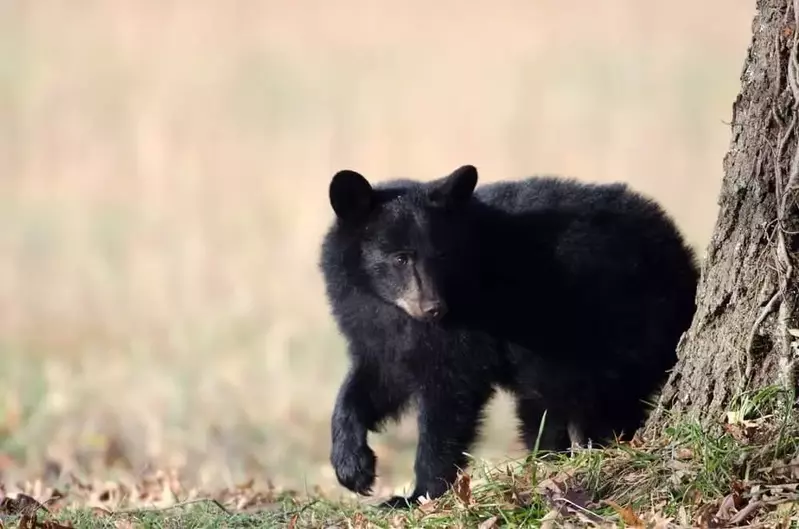
The Great Smoky Mountains National Park is home to some of the best wildlife viewing in the nation! Visitors to the Smokies will have the chance to see more than 200 types of birds, 67 varieties of fish, 65 species of mammals, and over 80 types of reptiles and amphibians. To help you make the most of your time in the national park, Timber Tops Luxury Cabin Rentals has put together three tips for viewing wildlife in the Smoky Mountains:
3 Tips for Viewing Wildlife in the Smoky Mountains5 Ways to Enjoy Fall at Our Pigeon Forge and Gatlinburg Cabin Rentals
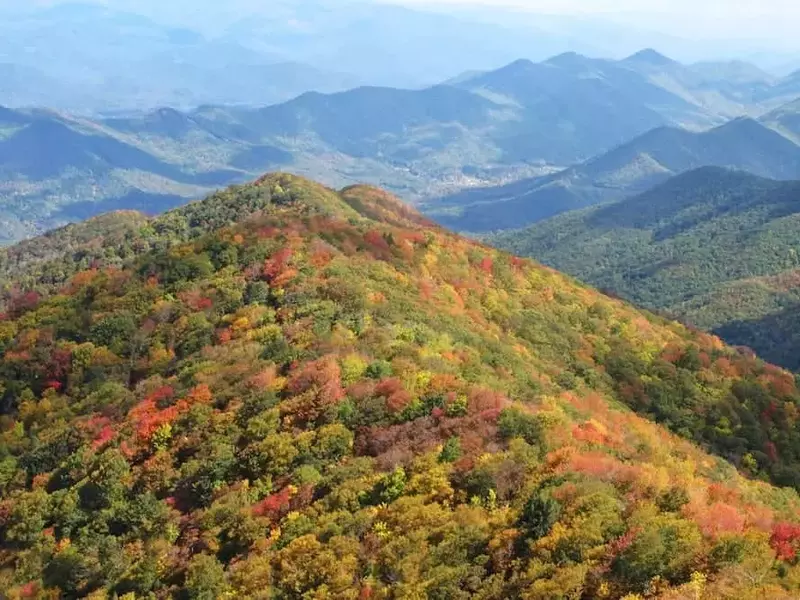
Fall is an incredible time to visit the Great Smoky Mountain area! Offering breathtaking foliage, cooler weather, and a variety of fun events, autumn in Pigeon Forge and Gatlinburg is just about perfect. Vacationing at a cabin in the mountains will put you right in the middle of all the beautiful scenery. Here are five ways to make the most of your getaway when you stay at our Pigeon Forge and Gatlinburg cabin rentals this fall:
5 Ways to Enjoy Fall at Our Pigeon Forge and Gatlinburg Cabin Rentals4 Great Vacations to Host at Our 5 Bedroom Cabins for Rent in Gatlinburg TN
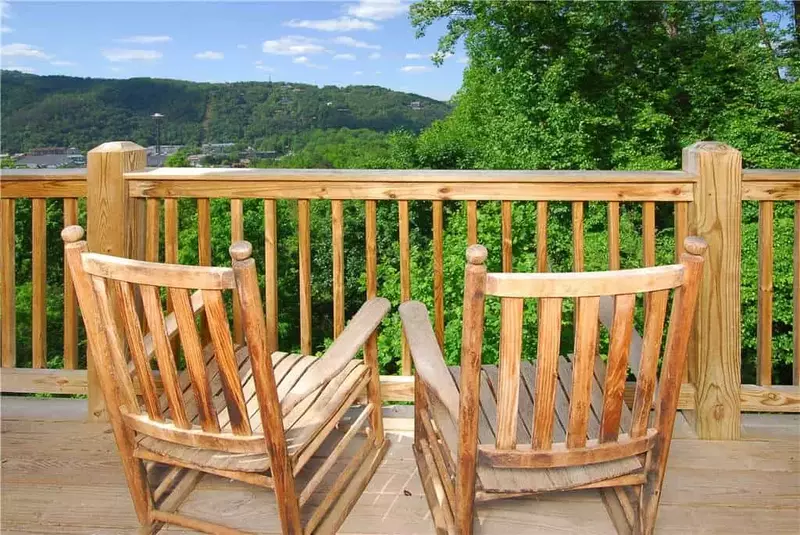
There are so many wonderful types of vacations to enjoy in the Great Smoky Mountains, and summer is here, which means it is time to start planning! When you stay in our <a href="/cabin-rentals/5-bedroom-cabins/">5 bedroom cabins for rent in Gatlinburg TN</a>, the options are endless! Keep reading to learn 4 creative ways to enjoy our beautiful cabins.
4 Great Vacations to Host at Our 5 Bedroom Cabins for Rent in Gatlinburg TN4 Reasons to Stay in Our Cabin Rentals Near Gatlinburg TN for Your 4th of July Vacation

School is out and vacation season is in full swing here in the Smokies! With Independence Day quickly approaching, many families will be heading to the Smoky Mountain area, and our cabins are the perfect place to stay to ensure you can take advantage of all of the great events that will be happening around the 4th of July. Our <a href="/cabin-rentals/">cabin rentals near Gatlinburg TN</a> are the premier lodging option for visitors, and here are 4 reasons why we think you’ll be thrilled with your choice to stay at Timber Tops:
4 Reasons to Stay in Our Cabin Rentals Near Gatlinburg TN for Your 4th of July Vacation3 Advantages to Renting Cabins with Fire Pits in Gatlinburg TN
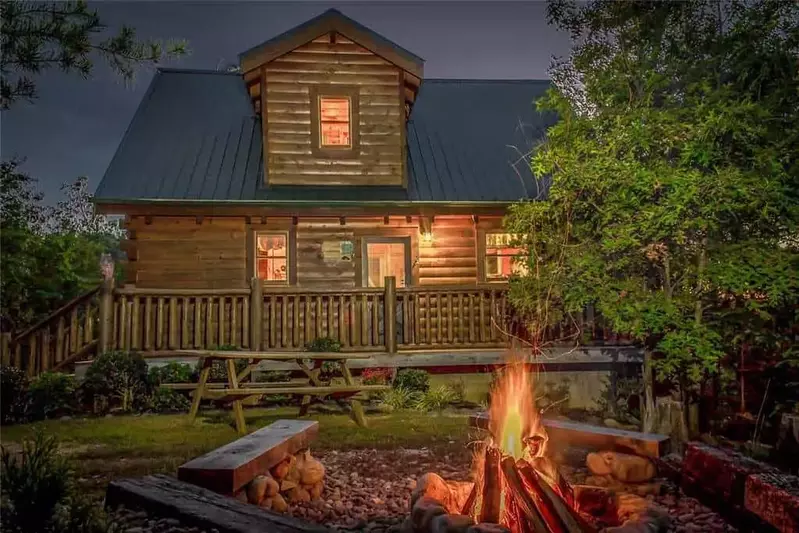
In most aspects of life, the small things and the little details are what matter the most, and we think the same is true for our cabin rentals! We want every moment of your family vacation to be extra special, and our <a href="/cabin-rentals/firepit/">cabins with fire pits in Gatlinburg TN</a> are the perfect place to enjoy mountain living at it’s finest!
3 Advantages to Renting Cabins with Fire Pits in Gatlinburg TN4 Ways to Enjoy Vacation in a 2 Bedroom Cabin in Gatlinburg
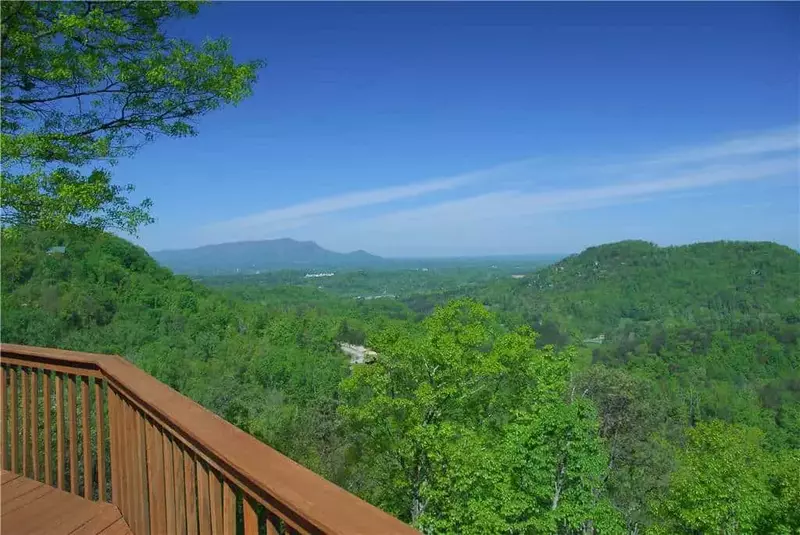
You’ve decided that the Smoky Mountains are your vacation destination this year, and now it’s time to start planning your trip! When you choose to stay in a <a href="/cabin-rentals/2-bedroom-cabins/">2 bedroom cabin in Gatlinburg</a>, you’ll be faced with so many fun attractions and leisure activities to choose from that you’ll feel like extending your trip just to experience everything the city has to offer!
4 Ways to Enjoy Vacation in a 2 Bedroom Cabin in Gatlinburg4 Excellent Cabins Near Ripley’s Aquarium Gatlinburg

<a href="/blog/dive-in-ripleys-aquarium/">Ripley’s Aquarium of the Smokies</a> is one of the very best attractions in Gatlinburg! Ranked among the top five aquariums in the entire country by the users of TripAdvisor, Ripley’s is home to over 10,000 fascinating sea creatures. Featuring a Shark Lagoon with some of the ocean’s most fearsome predators, and a Penguin Playhouse filled with adorable waddling birds, Ripley’s Aquarium has something for guests of all ages. If you want to stay close to this award winning attraction, check out these four cabins near Ripley’s Aquarium Gatlinburg:
4 Excellent Cabins Near Ripley’s Aquarium Gatlinburg4 Reasons to Choose Our Affordable Cabins in Gatlinburg TN
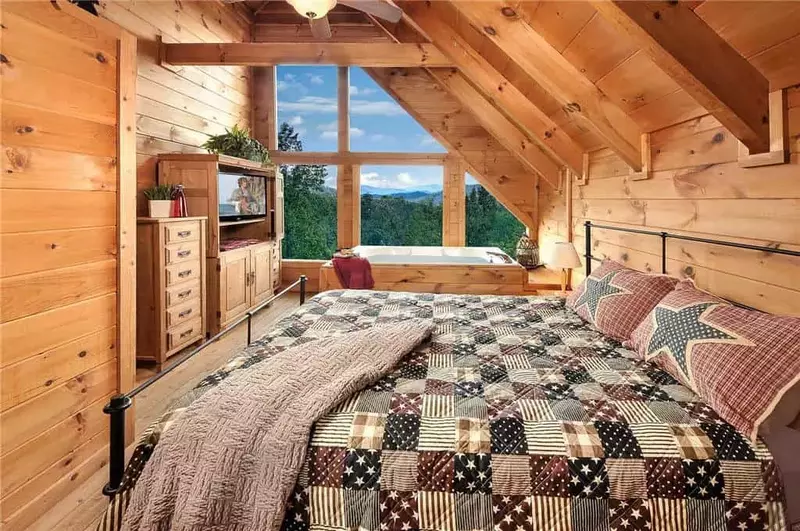
We know saving money on your Gatlinburg cabin is important to you and choosing one of our <a href="/cabin-rentals/cheap-cabin-rentals/">affordable cabins in Gatlinburg TN</a> is the first step to helping you save. Here’s a few great things about staying in our affordable cabins and what makes them the best choice for your vacation to Gatlinburg.
4 Reasons to Choose Our Affordable Cabins in Gatlinburg TN4 Reasons to Stay in Secluded Smoky Mountain Cabins for Your Vacation
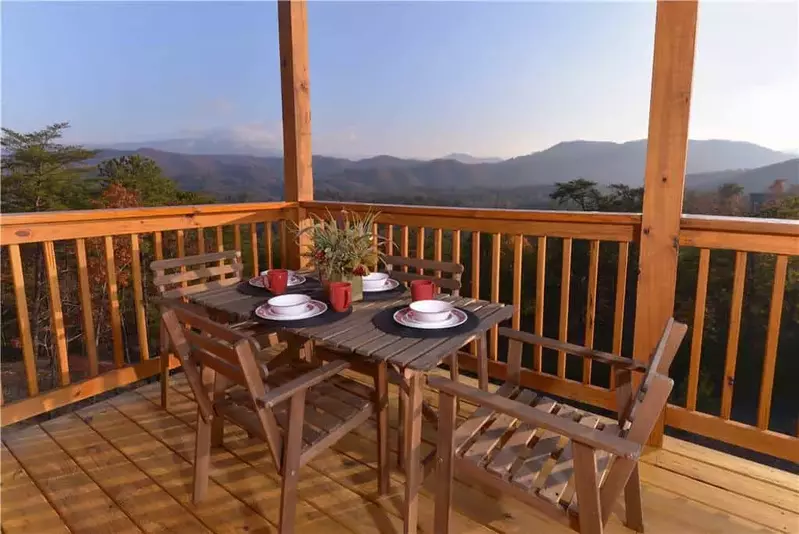
Are you looking to get away to the Smoky Mountains, but you want a cabin that’s more secluded than some of the others you may have looked at? At Timber Tops Cabin Rentals, we have the best selection of <a href="/cabin-rentals/secluded-cabins/">secluded Smoky Mountain cabins</a> to choose from.
4 Reasons to Stay in Secluded Smoky Mountain Cabins for Your Vacation4 Fun Things To Do With Your Family in Gatlinburg Rental Cabins
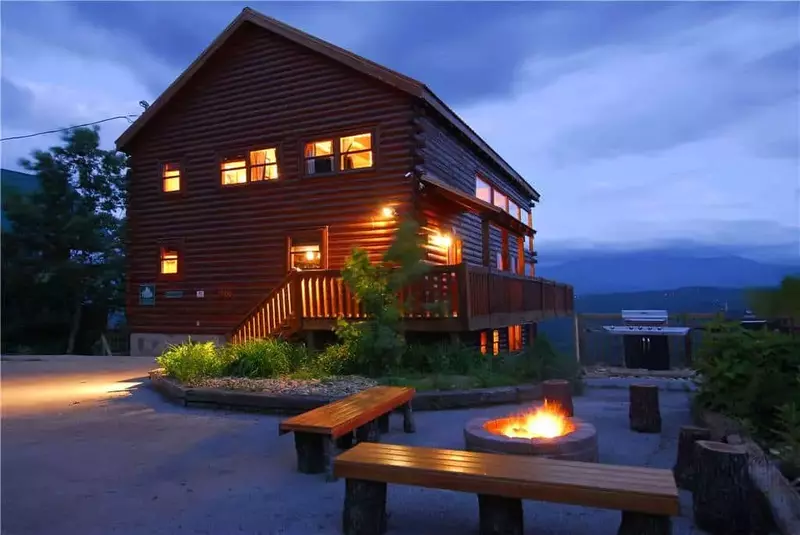
Taking vacations away from home is one of the most exciting things you get to do with your family. There are many great places throughout the country that are amazing places to visit with your family, however, there is something extra special about the <a href="https://www.visitmysmokies.com/area-information/gatlinburg/" target="_blank"> Gatlinburg area </a>. Gatlinburg offers families many great things to do and see throughout the area, and will provide your family with an unforgettable experience. To go along with all the great things to do, Gatlinburg offers some of the best places to stay, particularly <a href="/cabin-rentals/">Gatlinburg rental cabins</a>. Gatlinburg cabins are close to all of the great attractions in the area and will provide you and your family with many great things to do even inside your rental cabin.
4 Fun Things To Do With Your Family in Gatlinburg Rental CabinsHow to Plan a Family Reunion at Our Vacation Cabin Rentals in Gatlinburg Tennessee

If it’s a rare occurrence for parents, grandparents, and grandchildren to all spend time together in your family, maybe it’s time for a multigenerational vacation in Gatlinburg! Getting away with three generations is a special opportunity for grandparents to bond with grandchildren, and for parents to enjoy some time off duty. To help you plan the perfect trip, Timber Tops has put together a handful of tips for a family reunion at our vacation cabin rentals in Gatlinburg Tennessee:
How to Plan a Family Reunion at Our Vacation Cabin Rentals in Gatlinburg Tennessee4 Reasons You and Your Pet Will Love Our Pet Friendly Cabins Near Sevierville TN

Taking a vacation is much more fun when you have your <i>entire</i> family with you – including your pet! We encourage you to choose one of our <a href="/cabin-rentals/pet-friendly-cabins/">pet friendly cabins near Sevierville TN</a> and here’s why:
4 Reasons You and Your Pet Will Love Our Pet Friendly Cabins Near Sevierville TN4 Reasons Romantic Smoky Mountain Cabins are Perfect For Your Valentine’s Day Getaway

Valentine’s Day is just around the corner and you are trying to find the perfect romantic thing to do with your significant other. There are many great romantic things for you to do together, however, none of them can compare to a romantic Smoky Mountain getaway. The Smoky Mountains will provide you with the perfect backdrop for a romantic getaway. What also makes the Smoky Mountains so special is that there are many amazing romantic Smoky Mountain cabins that will make your trip even more special. If that hasn’t already sold you, here are more reasons why <a href="/cabin-rentals/1-bedroom-cabins/">romantic Smoky Mountain cabins</a> are perfect for your Valentine’s Day getaway.
4 Reasons Romantic Smoky Mountain Cabins are Perfect For Your Valentine’s Day Getaway3 Advantages of Staying in One of Our Cabins Near the Smoky Mountains
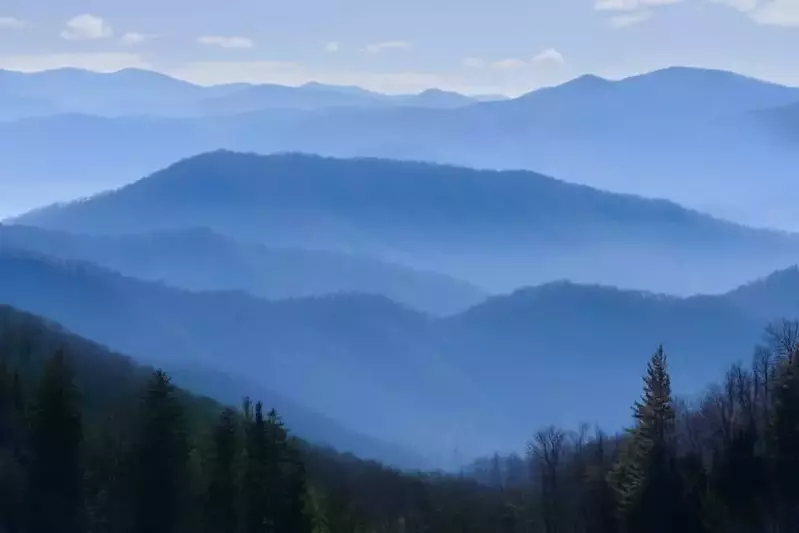
The Great Smoky Mountains National Park is the busiest national park in the entire country, and for good reason. The Smoky Mountains provide visitors with once in a lifetime experience that you will definitely want to experience. The Smoky Mountains are full of amazing adventures that will provide you with a spectacular trip. To make sure you get to enjoy every aspect of the Smoky Mountains you may want to consider staying in one of our cabins near the Smoky Mountains. By staying in a cabin near the Smoky Mountains, you will get to experience all that this beautiful national park has to offer its visitors. Here are advantages of staying in one of our <a href="/cabin-rentals/">cabins near the Smoky Mountains</a>.
3 Advantages of Staying in One of Our Cabins Near the Smoky Mountains6 Advantages of Vacationing at Pigeon Forge Cabins with Indoor Pools

If you’re looking for a special amenity that will take your vacation to the next level, you just can’t beat an <a href="/blog/gatlinburg-cabins-indoor-pools-home-theaters/">in-cabin pool</a>! Timber Tops has put together six advantages of getting away at one of our Pigeon Forge cabins with indoor pools:
6 Advantages of Vacationing at Pigeon Forge Cabins with Indoor Pools5 Reasons to Choose Pigeon Forge Cabins Near Dollywood for Your Vacation
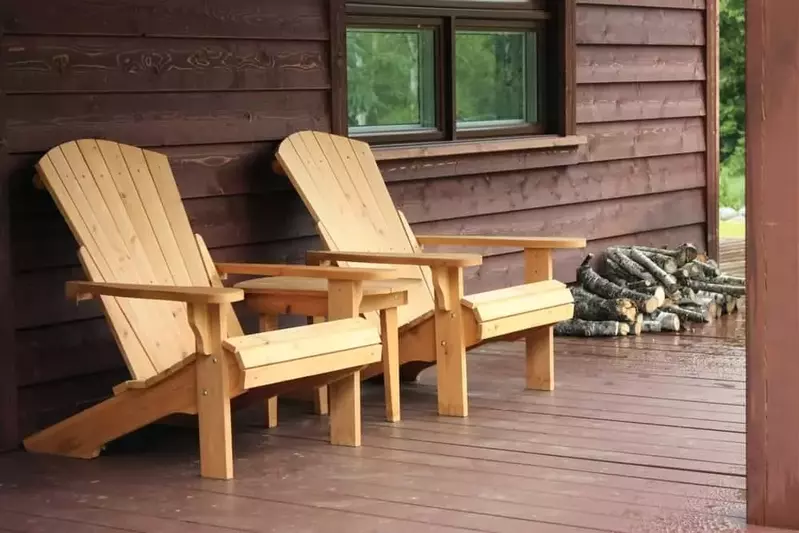
Chances are, you’re planning to visit Dollywood during your vacation, right? So what’s better than staying at one of our <a href="/cabin-rentals/pigeon-forge-cabins/">Pigeon Forge cabins near Dollywood</a>? Here’s a few ways our cabins will make your vacation even better:
5 Reasons to Choose Pigeon Forge Cabins Near Dollywood for Your Vacation3 Ways to Enjoy Cades Cove in Winter
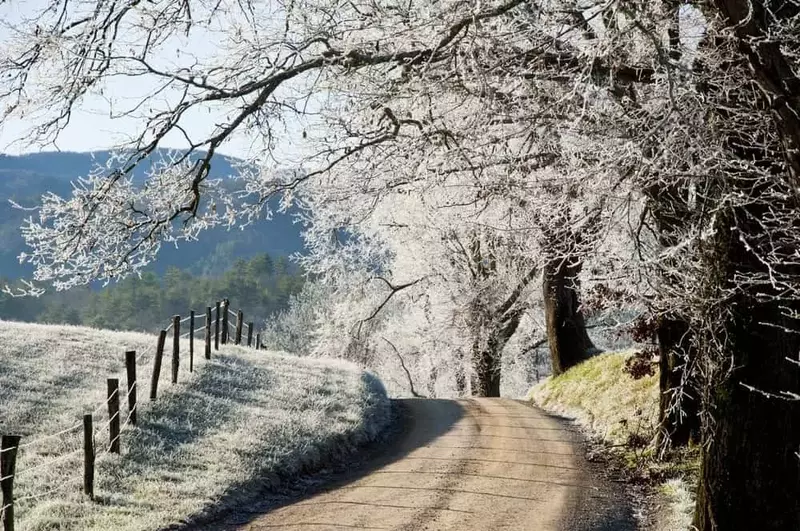
Cades Cove is one of the most popular destinations in the Great Smoky Mountains National Park. Cades Cove is a broad, verdant valley surrounded by mountains, creating amazing views that you won’t want to miss. This 11-mile, one-way loop road circles the cove, offering motorists the opportunity to sightsee at a leisurely pace. You need to allow at least 2 to 4 hours to tour Cades Cove, longer if you wish to walk some of the area’s trails. However, what many people don’t realize is the beautiful hidden wonders of Cades Cove in winter. Here ways to enjoy <a href="/blog/cades-cove-information/">Cades Cove in winter</a>.
3 Ways to Enjoy Cades Cove in Winter3 Reasons Why You Should Spend New Year’s Eve in Gatlinburg TN
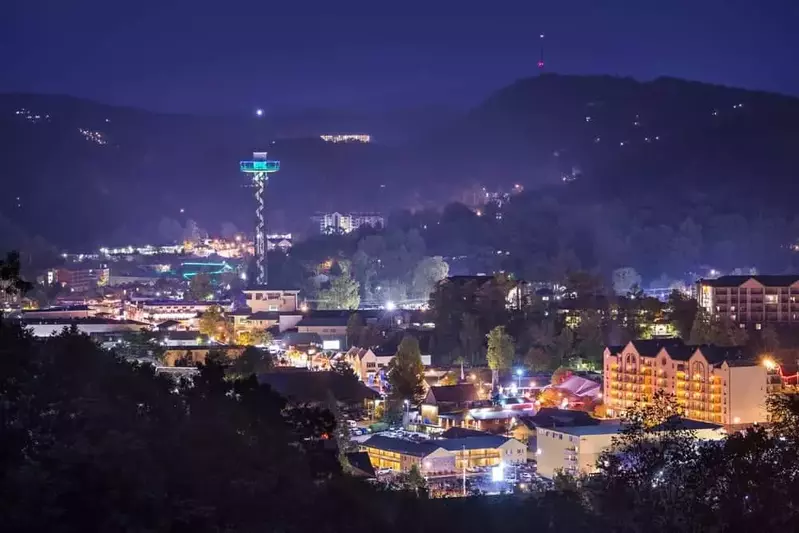
This year is about to come to an end, and you are ready to celebrate the beginning of another great year. This year, you decided you want to do something very special to celebrate the new year. You can do just that by spending your New Year’s Eve in Gatlinburg TN. Gatlinburg is one of the best places to celebrate the upcoming New Year. Gatlinburg and the surrounding area will provide you with great New Year’s Eve celebration. Here are a few reasons why you should spend New Year’s Eve in Gatlinburg TN.
3 Reasons Why You Should Spend New Year’s Eve in Gatlinburg TN4 Amazing Winter Activities in Pigeon Forge
Snow covered mountains, twinkly lights and plenty amazing holidays, you guessed it; we are talking about winter. No matter where you are in the United States, winter provides you with the season of enchantment. However, nowhere else in the country can compare to the Pigeon Forge area during the winter. Not only is this amazing city beautiful during the winter time, there are also many amazing winter activities in Pigeon Forge that you and your family are definitely going to want to check out during your visit this winter.
4 Amazing Winter Activities in Pigeon Forge3 Reasons to Go Hiking in the Smoky Mountains During the Winter

Hiking in the Smoky Mountains is one of the many must-do activities during any trip to the area. However, what people don’t think about is that hiking in the Smoky Mountains is a great activity that you can enjoy throughout the year. Each season in the Smoky Mountains offers visitors a special reward that they may not discover during different months of the year. Here are a few reasons to go hiking in the Smoky Mountains during the winter:
3 Reasons to Go Hiking in the Smoky Mountains During the WinterTop 4 Reasons to Visit Cades Cove in the Smoky Mountains in the Fall Season
Making a visit to Cades Cove in the Smoky Mountains is one of the top things to do in the area. Whether you’ve been to Cades Cove once or twice, or you’ve visited dozens of times, it’s always a wonderful addition to a vacation getaway. But have you ever visited Cades Cove in the fall? Here’s why we think visiting Cades Cove in the fall needs to be at the top of your to do list.
Top 4 Reasons to Visit Cades Cove in the Smoky Mountains in the Fall Season7 Tips for Celebrating Thanksgiving in Pigeon Forge TN

The holiday season is a wonderful time of the year for families and friends to come together for a grand celebration. Give your loved ones a truly special surprise this Turkey Day by planning to celebrate Thanksgiving in Pigeon Forge TN. The Great Smoky Mountains provide the perfect backdrop for a fun holiday experience that everyone will be thankful for. Here are seven tips for a great Thanksgiving getaway:
7 Tips for Celebrating Thanksgiving in Pigeon Forge TN4 Spooky Events to Celebrate Halloween in Gatlinburg and Pigeon Forge

Halloween is just around the corner and soon the ghosts and ghouls will be out to play. On Halloween, there are always great events and parties for you to attend and take part in, and Gatlinburg and Pigeon Forge hold true to this tradition. Halloween in Gatlinburg and Pigeon Forge is guaranteed to knock your socks off at one of these amazing events.
4 Spooky Events to Celebrate Halloween in Gatlinburg and Pigeon Forge6 Ways to Make Your Vacation at Our Luxury Cabin Rentals in Gatlinburg More Memorable

Those planning a vacation in Tennessee’s Great Smoky Mountains are in for a very special treat! When you’re visiting the Smokies, every moment is worth savoring, so we’ve put together six tips for making your memories at our luxury cabin rentals in Gatlinburg last a lifetime:
6 Ways to Make Your Vacation at Our Luxury Cabin Rentals in Gatlinburg More Memorable5 Tips for a Short Stay at Our Smoky Mountain Vacation Cabins
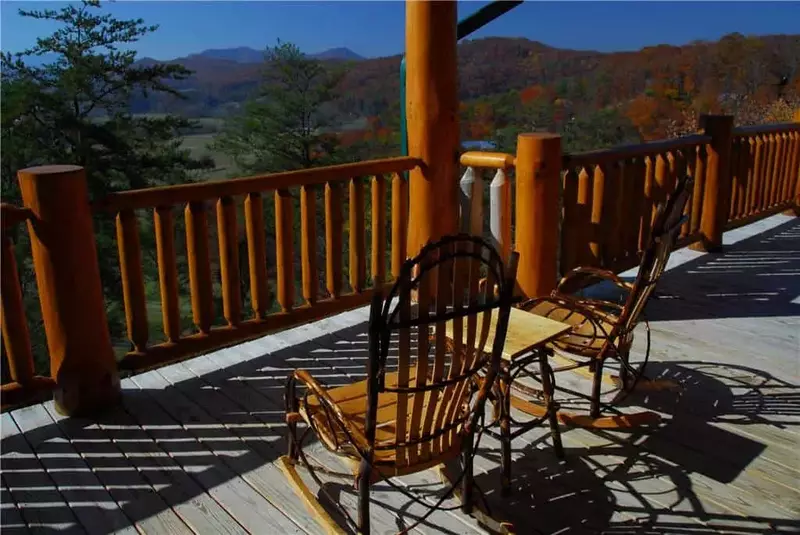
There’s so much to see and do during every season in Tennessee’s Great Smoky Mountains that visiting just once a year isn’t enough. Many couples and families get around vacation time limitations by stealing a weekend away to come and enjoy everything the region has to offer. As you plan your getaway, take advantage of the following tips to enhance your short stay at our Smoky Mountain vacation cabins:
5 Tips for a Short Stay at Our Smoky Mountain Vacation Cabins4 Ways to Celebrate Halloween in Pigeon Forge TN

Halloween in Pigeon Forge TN is one of our favorite holidays. Not only does this season invite you and your loved ones to partake in a series of fun and exciting activities that you don’t get to experience every day, it also comes with several opportunities to create long-lasting memories. Whether you prefer to spend your time catching up on scary movies or navigating around a haunted corn maze, we promise you will not be disappointed in the celebration options found during your trip to Pigeon Forge this year.
4 Ways to Celebrate Halloween in Pigeon Forge TNTop 5 Reasons to Go Hiking in the Fall in the Smoky Mountains
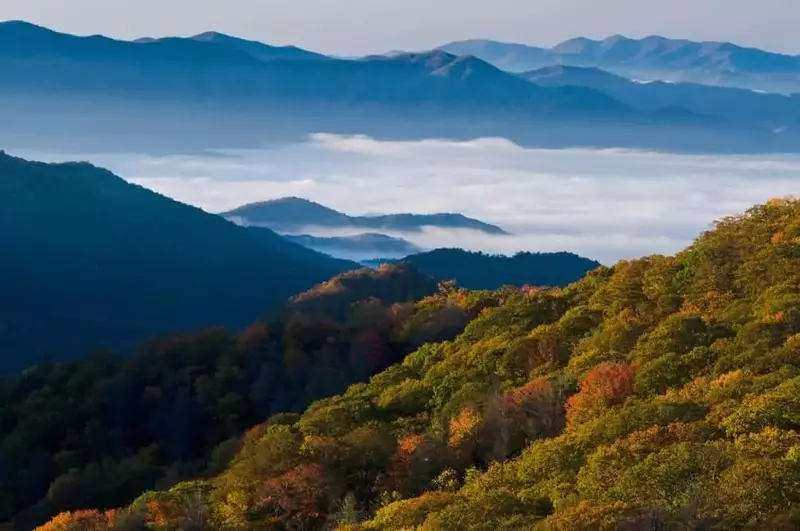
There is no greater experience than the joys of getting right in the heart of the Smoky Mountains. Most people enjoy this experience by getting their gear together and setting out on one of the many hiking trails. Plus, when you get outside this time of year, you get to enjoy the incredible <a href="/blog/complete-guide-to-fall-foliage-in-the-smoky-mountains/">fall foliage in the Smoky Mountains</a>. Here’s why we think hiking in the Smoky Mountains in the fall season is something you just can’t miss out on.
Top 5 Reasons to Go Hiking in the Fall in the Smoky Mountains7 Ways to Enjoy Autumn at Our Great Smoky Mountain Vacation Rentals
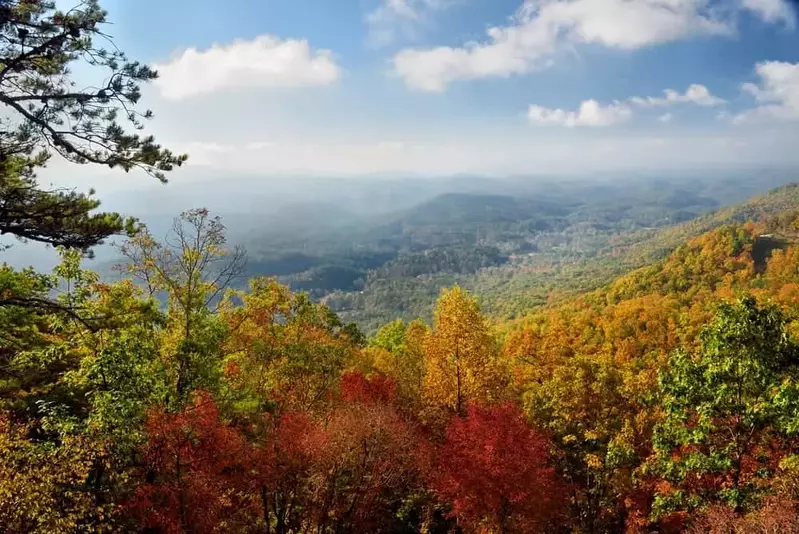
Fall is a beautiful time to come to the Smoky Mountains. With the changing leaves and a variety of special events, it is no wonder that autumn draws millions of visitors to East Tennessee each year. At Timber Tops Luxury Cabins, you can choose among many <a href="/cabin-rentals/">Great Smoky Mountain vacation rentals</a> that are ideal for a fall getaway. Whether you will be here for a weekend, a full week, or even longer, here are seven tips for enjoying the Smokies in autumn:
7 Ways to Enjoy Autumn at Our Great Smoky Mountain Vacation Rentals4 Reasons You Should Choose A Cabin to Celebrate Thanksgiving in Gatlinburg

The holidays are meant to be a special time of year where you can spend time reconnecting with your friends and family you may not see every day. This can include your distant cousins, your out of town relatives from across the country or your old college roommates you haven’t spoken to since graduation.
4 Reasons You Should Choose A Cabin to Celebrate Thanksgiving in Gatlinburg6 Tips for Having an Awesome Cookout at Our Gatlinburg TN Cabins for Rent

At Timber Tops Luxury Cabin Rentals, we provide you with all of the amenities you need to enjoy the best of the Smoky Mountains. One of the benefits of staying at one of our cabins is that you can cook your own meals whenever you want. In addition to fully equipped kitchens, many of our Gatlinburg TN cabins for rent come with outdoor grills. The following six tips will help you plan a fun, delicious, and hassle-free cookout at your cabin:
6 Tips for Having an Awesome Cookout at Our Gatlinburg TN Cabins for RentA Gatlinburg Winery Guide: Our Top 3 Picks

Nothing pairs better with one of our luxury Gatlinburg cabin rentals than a nice glass of wine from a <a href="/blog/reasons-to-check-out-the-gatlinburg-wine-trail/">Gatlinburg winery</a>. After you have one sip of wine out of a bottle from any of these Gatlinburg wineries, you will fall in love with the taste and quality that each provides. They all specialize in making the best wine products this side of the Smoky Mountains, as well as making you and all of their guests feel luxurious and upscale, just like us at Timber Tops Cabin Rentals. You will find that any of our picks for the best wineries in Gatlinburg can provide you with excellent pleasure and satisfaction when searching for the finest wine for any occasion.
A Gatlinburg Winery Guide: Our Top 3 Picks4 Steps for Choosing the Best Honeymoon Cabins in Pigeon Forge

With stunning natural beauty and a never-ending selection of things to do, Pigeon Forge, Tennessee is one of the most popular honeymoon destinations in the country! Staying at a luxurious cabin rental in the mountains is the perfect way for couples to experience everything this amazing area has to offer. Timber Tops has put together four steps for choosing the best honeymoon cabins in Pigeon Forge:
4 Steps for Choosing the Best Honeymoon Cabins in Pigeon Forge8 Things To Do in Our Romantic Gatlinburg Cabin Rentals

Getting away from home and spending some time with your significant other can be one of the most fun and rewarding vacations to take. There really isn’t a better way to spend a vacation in the mountains than with your favorite person, especially in one of our romantic <a href="/blog/1-bedroom-cabins-in-the-smokies-romantic/">1 bedroom Gatlinburg cabin rentals</a>. The best part about it is that you can do so many unique things in your cabin together you might not have the luxury to do at home. Because we want you to have the time of your life together during your stay, we have made this list of things you and your loved one can do to be a little more intimate while staying in our romantic Gatlinburg cabin rentals.
8 Things To Do in Our Romantic Gatlinburg Cabin Rentals5 Reasons Cabins Make The Best Smoky Mountain Vacation Spots
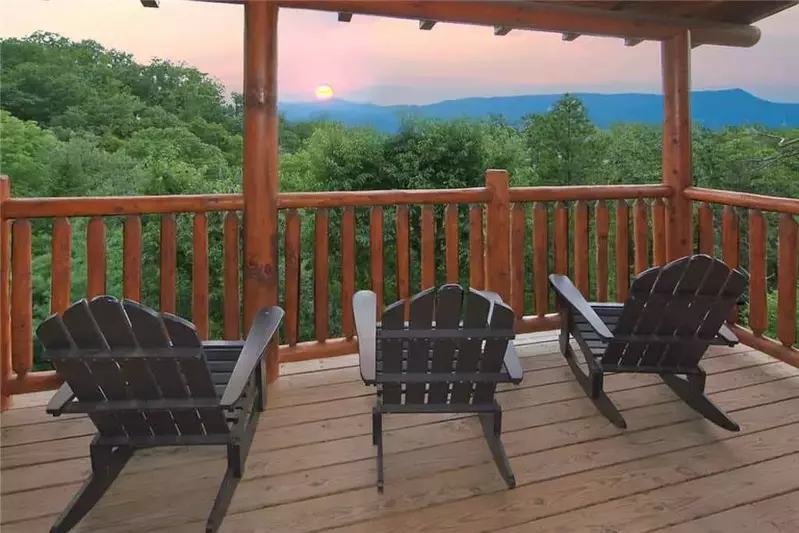
Don’t settle for just your typical vacation rental during your next trip to the mountains. You and your family or group deserve to stay in the best Smoky Mountain vacation spots that the area has to offer. That is why we suggest you pick one of our relaxing cabins for our next getaway.
5 Reasons Cabins Make The Best Smoky Mountain Vacation SpotsHow to Make Your Vacation More Relaxing at Our 4 Bedroom Cabins for Rent in Gatlinburg TN

It’s hard to feel stressed out when you’re on vacation in the Great Smoky Mountains! However, there are a few things you can do to make your trip to the Smokies even more relaxing. Timber Tops has put together a few tips for really unwinding at our <a href="/cabin-rentals/4-bedroom-cabins/">4 bedroom cabins for rent in Gatlinburg TN</a>.
How to Make Your Vacation More Relaxing at Our 4 Bedroom Cabins for Rent in Gatlinburg TN5 Reasons You Deserve A Solo Trip To Our 1 Bedroom Gatlinburg Cabins

If you haven’t yet considered taking a solo vacation to one of our <a href="/blog/tips-summer-vacation-3-bedroom-cabin-rentals-in-pigeon-forge-tn/">1 bedroom Gatlinburg cabins</a>, you are really missing out. Not only are these trips incredible for helping you feel relaxed and at home, they offer a ton of other benefits that you cannot get anywhere else.
5 Reasons You Deserve A Solo Trip To Our 1 Bedroom Gatlinburg Cabins6 Advantages of Staying at Our Secluded Cabins in Sevierville TN
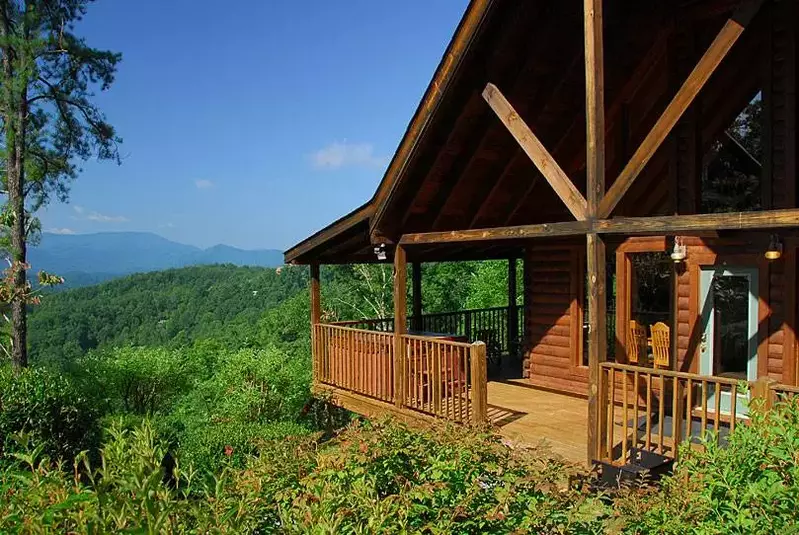
If you just want to get away from it all for a while, there is nothing better than a relaxing vacation in the Smoky Mountains! When you stay at one of our <a href="/cabin-rentals/secluded-cabins/">secluded cabins in Sevierville TN</a> you will enjoy the following six advantages:
6 Advantages of Staying at Our Secluded Cabins in Sevierville TN5 Tips for an Amazing Summer Vacation at Our 3 Bedroom Cabin Rentals in Pigeon Forge TN

Pigeon Forge is one of the best places to spend a family getaway this summer. When you choose one of our 3 bedroom cabin rentals in Pigeon Forge TN you know you’re going to enjoy a unique experience. The lifestyle is pretty laid back around here, so you won’t have any problem fitting in! Just in case, here are five tips that will guarantee that you’ll have the best vacation ever:
5 Tips for an Amazing Summer Vacation at Our 3 Bedroom Cabin Rentals in Pigeon Forge TN4 Of the Best Places For Live Music in Pigeon Forge TN

Pigeon Forge has great options for live music entertainment. You can sit down at a dinner show, and watch one of our Pigeon Forge shows while served a large portioned home cooked meal, or you can also visit one of our Pigeon Forge restaurants with local artist entertainment. If you are looking for somewhere to get your hands clapping, or get that dancing vibe going, you can sit down at any of these 9 places for <b>live music in Pigeon Forge TN</b>.
4 Of the Best Places For Live Music in Pigeon Forge TNTop 4 Benefits of Vacationing at Our Gatlinburg Cabins on the River
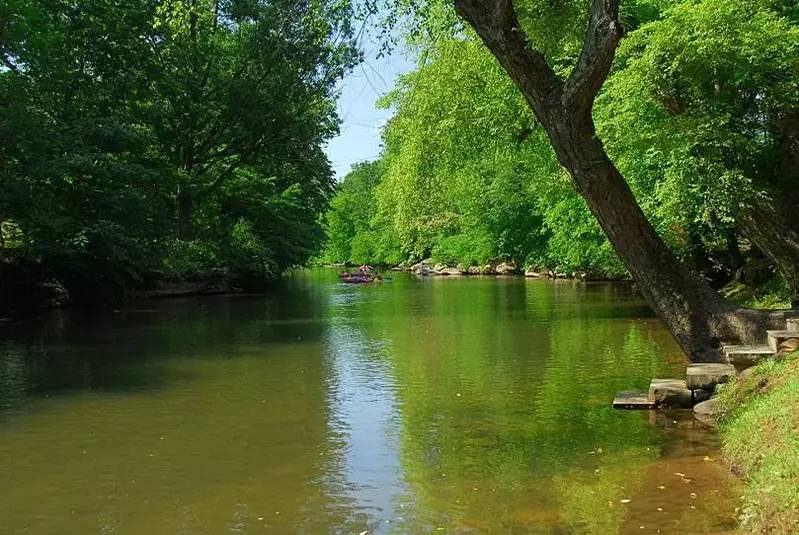
When people go on vacation the thing that they want most of all is relaxation. It’s an opportunity to escape the pressures of “real life” in favor of spending a few days in splendid seclusion while enjoying the company of family or friends. Renting one of our <a href="/cabin-rentals/gatlinburg-cabins/">Gatlinburg cabins</a> on the river is a great way to experience a genuinely relaxing vacation. Here are four reasons why you should choose a luxurious river cabin for your summer getaway:
Top 4 Benefits of Vacationing at Our Gatlinburg Cabins on the RiverWhy Should You Stay in a Gatlinburg Cabin with Indoor Pool and Theater?

Are you looking for ways to add to the amount of fun you experience while on vacation in Gatlinburg? After visiting many of the awesome attractions available in Gatlinburg, you may be wondering what else there is to explore. Next time you book one of our cabins, you should take a look into booking a <b><a href="/blog/gatlinburg-cabins-indoor-pools-home-theaters/">Gatlinburg cabin with indoor pool and theater</a></b>, and here is why:
Why Should You Stay in a Gatlinburg Cabin with Indoor Pool and Theater?4 Reasons Why Gatlinburg TN Vacation Rentals Make the Best Vacations
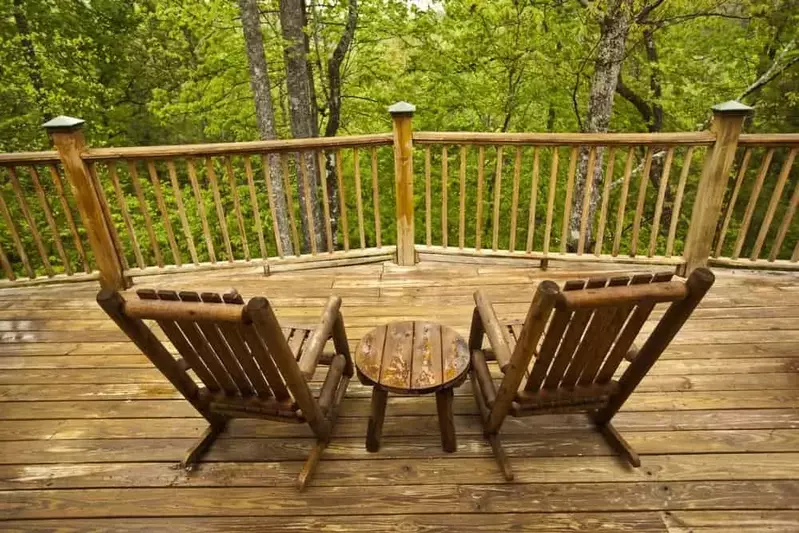
A vacation means a lot of different things to different people. Whether you are looking for a relaxing getaway from the daily grind or just an adventure into East Tennessee, we know you all are looking to experience something new. Regardless of where you fall on the spectrum, <a href="/cabin-rentals/gatlinburg-cabins/">Gatlinburg TN vacation rentals</a> have exactly what you’re looking for. Want to know how a cabin in Gatlinburg can pull that off? Here’s how:
4 Reasons Why Gatlinburg TN Vacation Rentals Make the Best Vacations6 Ways to Prepare For A Stress-Free Gatlinburg Family Vacation

At first, planning a stress-free <strong>Gatlinburg family vacation</strong> may seem impossible because it is hard to imagine yourself truly away from all of the worry and chaos of life back home. However, it is possible, and you deserve a chance to experience it. Allow yourself this opportunity by reading through our tips on how to prepare for a stress-free trip below.
6 Ways to Prepare For A Stress-Free Gatlinburg Family Vacation5 Romantic Things To Do In Pigeon Forge TN To Help You Fall In Love

There is no better place to fall in love than Pigeon Forge TN. Not only is this where you can find some of the most incredible views of the Great Smoky Mountains, but you can also find a ton of fun and romantic things to do here that will make your vacation one to remember.
5 Romantic Things To Do In Pigeon Forge TN To Help You Fall In Love3 Things You Only Get When Renting Cabins In Pigeon Forge With Pool Access

With the warm weather in the Smokies here to stay, it means it is time to shed your heavy coats for bathing suits and your shoes and socks for a comfy pair flip flops. You can also say goodbye to your dull and dreary daily routine and say hello to a fun and relaxing summer vacation by booking one of our <strong>Pigeon Forge cabins with pool access</strong>.
3 Things You Only Get When Renting Cabins In Pigeon Forge With Pool Access5 Fun Things to Do in Pigeon Forge With Kids You Can’t Afford to Miss

The Smokies are the perfect place for a family vacation, and with so many fun things to do in Pigeon Forge with kids, we thought we’d help you out by choosing a few of our favorites to get your planning started!
5 Fun Things to Do in Pigeon Forge With Kids You Can’t Afford to Miss3 Unbeatable Benefits of Booking A Romantic Cabin Rental in Gatlinburg For Couples
Thinking about planning a special trip to the Smoky Mountains for you and your spouse? Start by discovering all of the unbeatable perks that come with staying in a <b>romantic cabin rental in Gatlinburg</b>!
3 Unbeatable Benefits of Booking A Romantic Cabin Rental in Gatlinburg For Couples6 Surefire Tips for a Great Kid-Friendly Pigeon Forge Cabin Vacation

Attracting over 11 million visitors each year, Pigeon Forge, Tennessee is one of the top family vacation spots in the country. With incredible natural beauty and dozens of world class attractions, the Smoky Mountain area is always a hit with children. If you’re bringing your little ones to the Smokies, check out these six tips for a fantastic kid-friendly Pigeon Forge cabin vacation at Timber Tops.
6 Surefire Tips for a Great Kid-Friendly Pigeon Forge Cabin VacationThe 5 Most Popular Group Vacations People Take at Our 8 Bedroom Gatlinburg Cabins

Unlike hotels or condos, a large cabin in the Great Smoky Mountains lets you get away with a big group of friends, family members, or coworkers under one roof. At Timber Tops Luxury Cabins, we have a wonderful selection of <a href="/cabin-rentals/8-bedroom-cabins/">8 bedroom Gatlinburg cabins</a> that are perfect for this purpose. To help give you some ideas, we have put together a guide to the five most popular group vacations people enjoy at our large cabins.
The 5 Most Popular Group Vacations People Take at Our 8 Bedroom Gatlinburg Cabins4 Steps to Planning a Cheap Gatlinburg Weekend Getaway
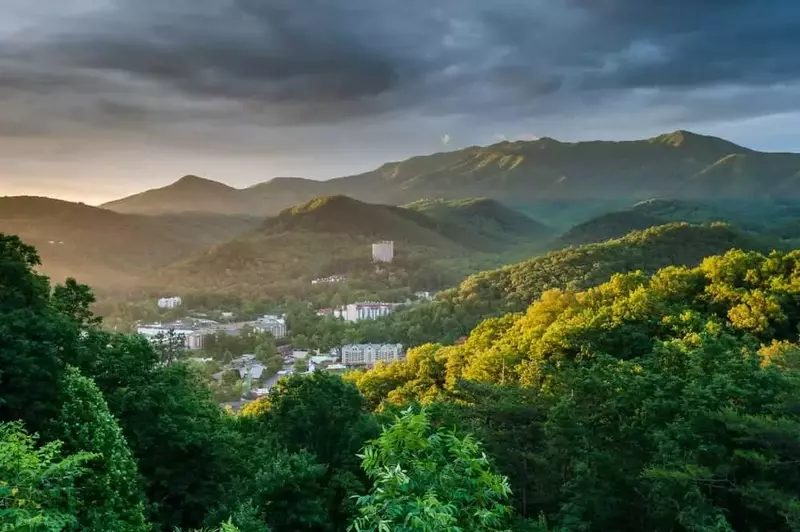
Itching to get out of town for a couple of days but you don’t quite have the budget for a large vacation? Why not consider treating yourself to a <b>cheap Gatlinburg weekend</b> getaway. Not only are these trips affordable, but they are also a great way to get away to relax and refresh your mind.
4 Steps to Planning a Cheap Gatlinburg Weekend Getaway5 Things That Make Our Gatlinburg Luxury Cabins Stand Out
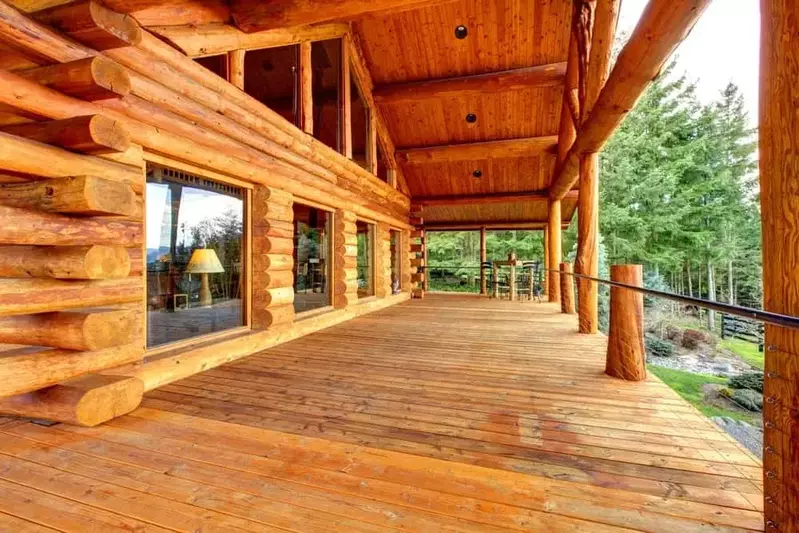
There are a ton of reasons why we love our <b>Gatlinburg luxury cabins</b>, whether it be the scenic views they offer or their affordable price. However, there are a few benefits that these cabins offer that really make them stand out among all of the other lodging options in the Smokies.
5 Things That Make Our Gatlinburg Luxury Cabins Stand Out5 Reasons Your Family Will Love Our Gatlinburg Cabins with Arcade Games
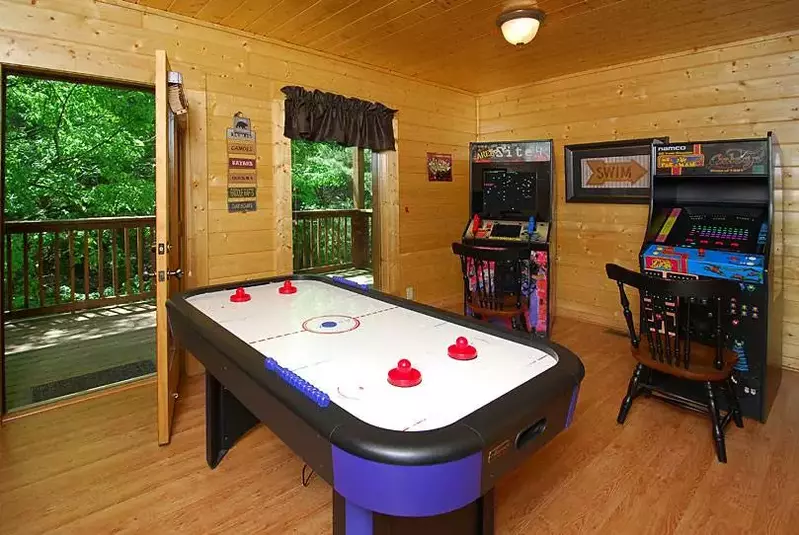
When you stay at Timber Tops Luxury Cabins in the Great Smoky Mountains, you’ll discover plenty of perks and benefits – amazing views, access to outdoor activities, whitewater rafting, horseback riding and more. But what about those rainy days or when you just want to spend the day relaxing at your cabin? We have you covered. Our <a href="" title="Gatlinburg cabins with arcade games">Gatlinburg cabins with arcade games</a> are perfect for those who are looking for exactly that. These rentals offer hours of enjoyment and the convenience of having an arcade right at home. Here are five reasons you will enjoy one of our cabins with arcade games:
5 Reasons Your Family Will Love Our Gatlinburg Cabins with Arcade Games4 Benefits of Staying at a Pet Friendly Cabin in Gatlinburg
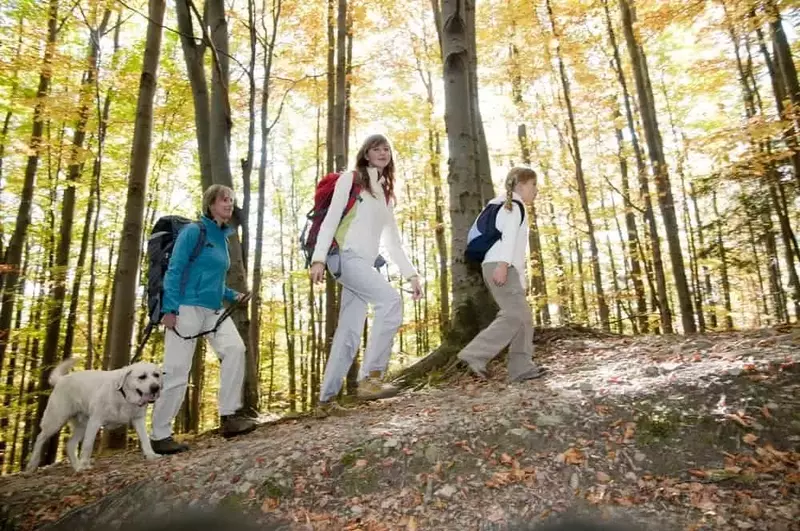
At Timber Top Luxury Cabin Rentals, we are proud to offer cabins of every size with an assortment of amenities and options to ensure comfort and relaxation during your stay. One of the many options we offer is <a href="/cabin-rentals/pet-friendly-cabins/">pet friendly cabins in Gatlinburg</a>. In addition to these rentals allowing your pet to join you on your Smoky Mountain getaway, they also provide many benefits that vacationers who have leave pets behind can’t enjoy.
4 Benefits of Staying at a Pet Friendly Cabin in GatlinburgTest Your Tennessee Knowledge With 8 Surprising Facts About the Smoky Mountains
The Smoky Mountains are the Southeast’s premier tourist destination. Scattered along the Tennessee-North Carolina border, the Smokies offer some of the most scenic vistas and picturesque panoramas in the world, as well as hundreds of miles of hiking trails and plentiful tourist attractions. But despite what you think you know about the Smoky Mountains, they are a seemingly bottomless trove of fascination and spectacle. Here are some facts about the Smoky Mountains you might not already know:
Test Your Tennessee Knowledge With 8 Surprising Facts About the Smoky MountainsThe Truth About Renting a Secluded Gatlinburg Cabin
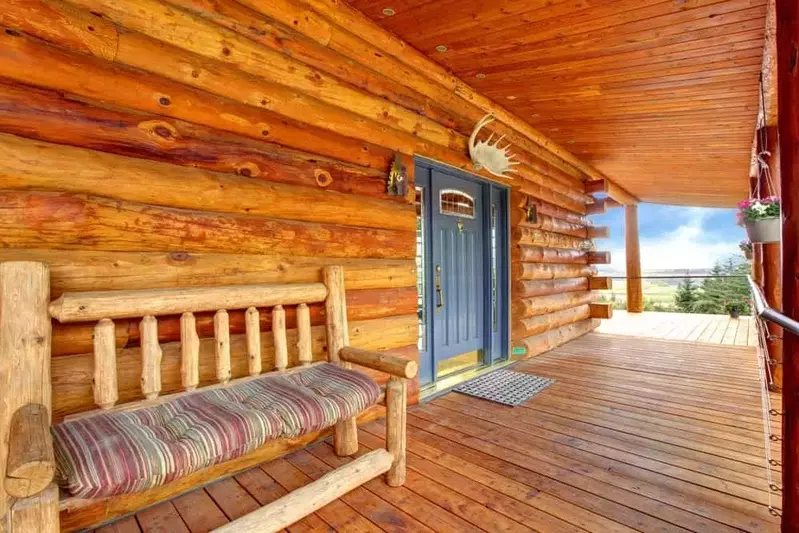
If you and your family are yet to experience renting a <b>secluded Gatlinburg cabin</b> during your vacation, you are really missing out! Not only do these rentals come with all of the luxurious amenities that guests have come to expect from a Gatlinburg cabin, including outdoor hot tubs and scenic views, but they also offer a variety of other benefits that guests cannot find anywhere else.
The Truth About Renting a Secluded Gatlinburg Cabin4 Perks of Taking a Multi-Family Vacation in a Five Bedroom Pigeon Forge Cabin

A multi-family vacation is one of the most fun and affordable ways to visit the Great Smoky Mountains! Timber Tops has put together a list of the top four advantages of staying in a <a href="/cabin-rentals/5-bedroom-cabins/">five bedroom Pigeon Forge cabin</a> with your extended family or friends:
4 Perks of Taking a Multi-Family Vacation in a Five Bedroom Pigeon Forge CabinWhat’s So Great About Spring in the Smoky Mountains?
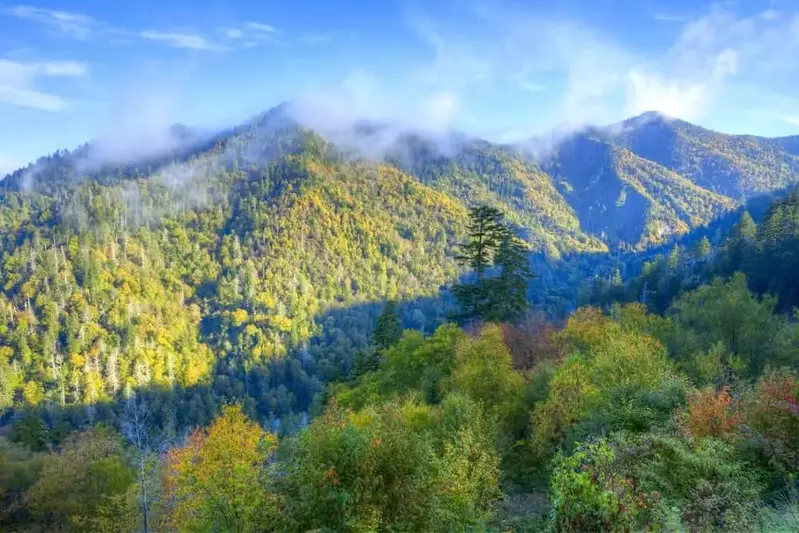
Although the winter weather seems as if it will never end, we at Timber Tops Luxury Cabin Rentals are thrilled to be counting down the days until it is spring in the Smoky Mountains. We are not doing this just because it means that we will be able to wave goodbye to all this cold weather, but we are also excited to see the return of all the vibrant beauty that this season brings.
What’s So Great About Spring in the Smoky Mountains?4 Ways Staying in Gatlinburg Cabins With Internet Will Improve Your Next Vacation

It’s hard to imagine a time when the internet didn’t play such a major role in our day to day lives. Not only is it how we pay most of our bills, stay in touch with family and check our bank statements, it is also where we make our travel plans and book our reservations for our vacations.
4 Ways Staying in Gatlinburg Cabins With Internet Will Improve Your Next Vacation5 Things You Don’t Know About Timber Tops Cabin Rentals in Pigeon Forge
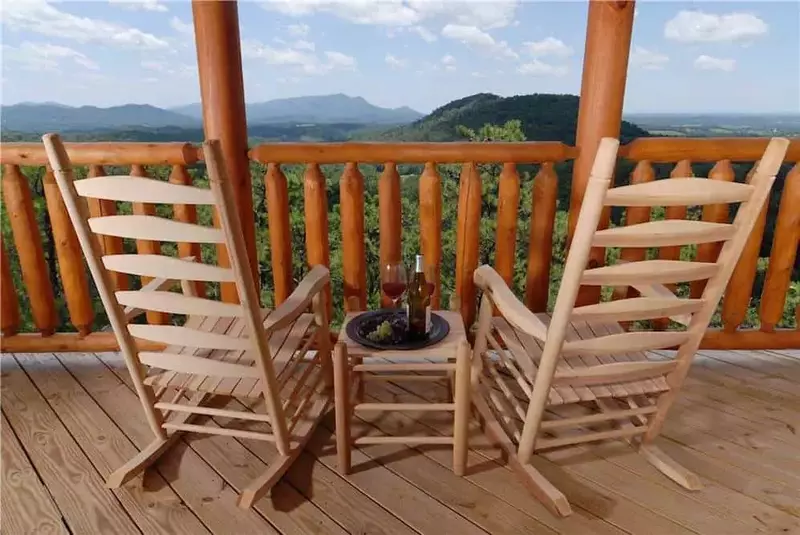
Are you planning a vacation to the Smoky Mountains? Well, there’s a few things you may want to know about Timber Tops Cabin Rentals that could save you money and make your vacation even better!
5 Things You Don’t Know About Timber Tops Cabin Rentals in Pigeon Forge5 Tips for a Romantic Stay at Our Honeymoon Cabins in Gatlinburg

With gorgeous mountain views, a relaxed atmosphere, and plenty of fun local activities to enjoy, it is easy to see why Gatlinburg is such a popular honeymoon destination. To make your first vacation as a married couple a truly special experience, book one of our <a href="/cabin-rentals/1-bedroom-cabins/">honeymoon cabins in Gatlinburg</a>! Featuring romantic amenities and spectacular surroundings, our cabins are designed for the ultimate couples retreat. Timber Tops has put together five great tips for an incredible stay with us:
5 Tips for a Romantic Stay at Our Honeymoon Cabins in Gatlinburg5 Things to Remember When Planning a Vacation in a Three Bedroom Pigeon Forge Cabin

A <a href="/cabin-rentals/3-bedroom-cabins/">three bedroom Pigeon Forge cabin</a> is the perfect place to spend your family vacation in the Great Smoky Mountains! With scenic mountain views and incredible amenities, our cabins have everything you need for an unforgettable getaway. As you plan your trip to the Smokies, be sure to keep the following five things in mind:
5 Things to Remember When Planning a Vacation in a Three Bedroom Pigeon Forge Cabin4 Benefits of Staying in a Pigeon Forge Cabin With Internet Access

The internet has come a long way since it was first introduced to society. It seems as if it is everywhere you turn, from your cell phone to your computer or even your car. Now, though it does sound nice to escape all the chaos that comes with modern technology, there are actually quite a few benefits associated with staying in a <a href="/cabin-rentals/cabins-internet/">Pigeon Forge cabin with internet access</a>.
4 Benefits of Staying in a Pigeon Forge Cabin With Internet Access4 Steps for Planning a Stay at Our Pet Friendly Cabins in Pigeon Forge

If you want to save money and have more fun on your next vacation in the Smokies, bring your dog! Avoiding the expense of hiring a pet-sitter or a kennel will give you more money to spend on your trip, and your dog’s presence is guaranteed to brighten everyone’s mood. Planning a getaway with your dog in Pigeon Forge is easy when you follow these four steps:
4 Steps for Planning a Stay at Our Pet Friendly Cabins in Pigeon ForgeGas Prices Dropping: Now is the Time for an Affordable Gatlinburg Cabin Vacation

As you’ve probably noticed, gas prices are currently lower than they’ve been in years! The national average for a gallon of gas is $2.05, as of January 21, 2015. Prices are more than a dollar less than they were a year ago.
Gas Prices Dropping: Now is the Time for an Affordable Gatlinburg Cabin Vacation4 Reasons to Spend Valentine’s Day in a Secluded One Bedroom Cabin in Gatlinburg

Whether you have been married for years or are just beginning a new relationship, the Great Smoky Mountains are the ideal location to spend Valentine’s Day! To help you make the most of this special day with your sweetheart, Timber Tops has put together four reasons you should celebrate your love in a secluded one bedroom cabin in Gatlinburg.
4 Reasons to Spend Valentine’s Day in a Secluded One Bedroom Cabin in Gatlinburg5 Tips for a Winter Family Vacation in a Two Bedroom Gatlinburg Cabin
After the end of the holiday season, the winter months can be a bit dreary and slow. If you want to beat the winter blues, grab your family and head to Gatlinburg, Tennessee for a week! A special vacation with the ones you love is the perfect pick-me-up to brighten your spirits before springtime comes. With a wide selection of two bedroom Gatlinburg cabins, Timber Tops is guaranteed to have the right vacation rental for your getaway. To help you make the most of your retreat, we have put together five great tips for staying in one of our two bedroom cabins.
5 Tips for a Winter Family Vacation in a Two Bedroom Gatlinburg CabinReasons to Choose a Private Secluded Cabin in Gatlinburg for Your Vacation
When you visit Gatlinburg, do you like spending time relaxing and enjoying the amenities in the cabin? When you choose to stay in a <a href="/cabin-rentals/secluded-cabins/" title="private secluded cabin in Gatlinburg">private secluded cabin in Gatlinburg</a> with Timber Tops Cabin Rentals, you can have all of the luxuries of staying in a cabin while being far enough away to spend time in the peace and quiet. But these aren’t the only reasons guests choose secluded cabins. Find out why a <b>private secluded cabin in Gatlinburg</b> may be the perfect place for you:
Reasons to Choose a Private Secluded Cabin in Gatlinburg for Your VacationWilderness Wildlife Week 2015: Free Workshops, Guided Hikes, and More
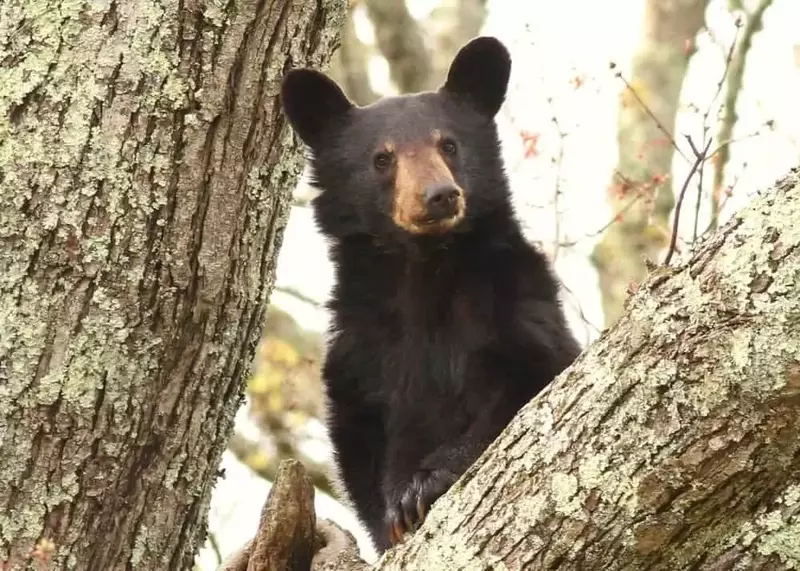
One of the most beloved Smoky Mountain traditions is returning next year! The 25th annual Wilderness Wildlife Week will bring thousands of visitors to the Smokies for eight days of free workshops, guided hikes, lectures, musical performances, and more. All of the events celebrate the beauty and history of the Great Smoky Mountains and the surrounding region. Timber Tops has put together a convenient guide with everything you need to know about Wilderness Wildlife Week 2015.
Wilderness Wildlife Week 2015: Free Workshops, Guided Hikes, and MoreWinter Hiking in the Smoky Mountains: 4 Things You Don’t Want to Forget
When you’re winter hiking in the Smoky Mountains, you want to make sure you are staying as safe and warm as possible. In order to help you when you go hiking this winter, we have put together some helpful tips to start you off on the right foot:
Winter Hiking in the Smoky Mountains: 4 Things You Don’t Want to ForgetStaying in a Pigeon Forge or Gatlinburg Cabin: The Easiest New Year’s Resolution to Keep
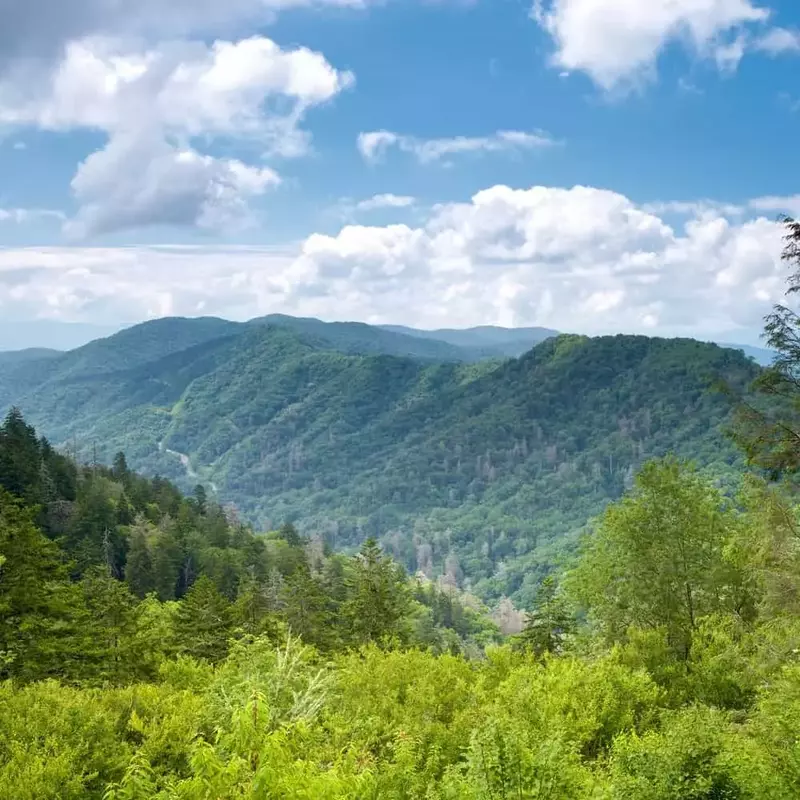
New year’s resolutions. Often times, we make them, but we only keep them for a couple months at most. So, this year, why not make a new year’s resolution you can keep? Choose to stay in a Pigeon Forge or Gatlinburg cabin rental this year, and we bet you’ll be sure to keep that resolution! Here’s why you should make it a goal for the year:
Staying in a Pigeon Forge or Gatlinburg Cabin: The Easiest New Year’s Resolution to Keep5 Tips for Planning a Successful Stay in a Pigeon Forge Group Cabin

Are you trying to plan a vacation to Pigeon Forge with a group? If you are looking for a few easy pointers for planning your vacation, take a look at these helpful ways to make planning easier:
5 Tips for Planning a Successful Stay in a Pigeon Forge Group CabinPigeon Forge New Year’s Eve: 6 Fun Ways to Celebrate in a Pigeon Forge Cabin

Everyone has their own way of celebrating the new year. This year, if you’re planning to celebrate in a Pigeon Forge cabin, take some of these ideas to make your New Year’s Eve party even more fun:
Pigeon Forge New Year’s Eve: 6 Fun Ways to Celebrate in a Pigeon Forge CabinFox News Recognizes the Great Smoky Mountains National Park as Top Winter Destination
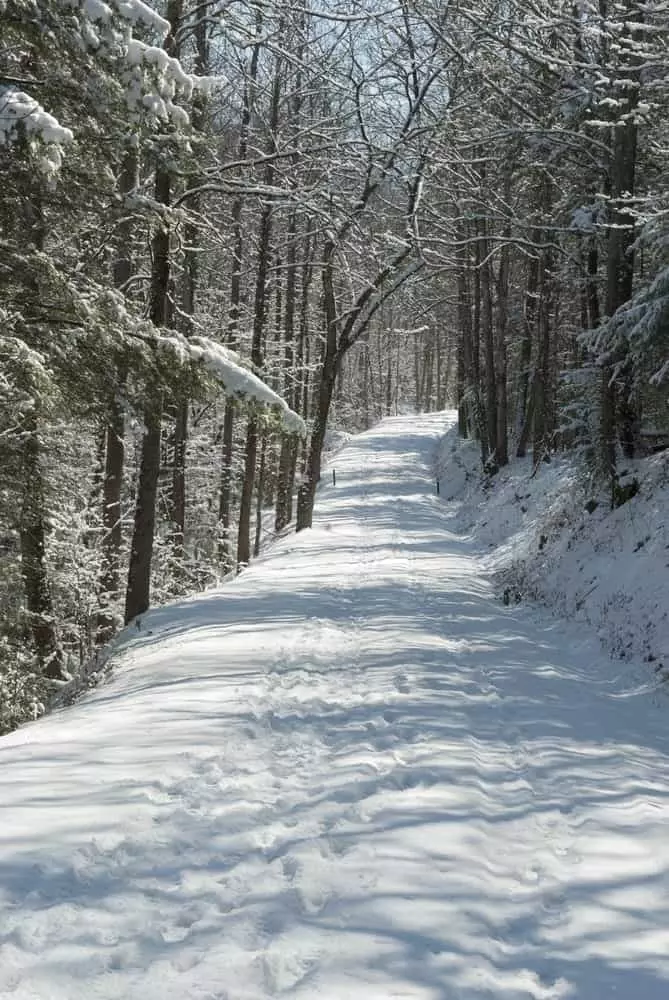
If you love the Great Smoky Mountains as much as we do, you’ll be glad to hear that Fox News recognized our national park. Here’s why:
Fox News Recognizes the Great Smoky Mountains National Park as Top Winter DestinationTips for Planning a Romantic Getaway to a One Bedroom Cabin in Pigeon Forge

Is there any better way to spend a romantic getaway than in a one bedroom cabin in Pigeon Forge? We don’t think so, either. Planning the perfect romantic vacation doesn’t have to be stressful; we think it should be just as fun to plan as it is to visit the area! So, start planning your romantic getaway with these helpful tips:
Tips for Planning a Romantic Getaway to a One Bedroom Cabin in Pigeon ForgeEverything You Need to Know About the Pigeon Forge Christmas Lights Tour

Is there really anything better than driving through Pigeon Forge to see all of the holiday lights while you’re on vacation at a Pigeon Forge cabin? We don’t think so! This time of year, the Smoky Mountains are covered with millions of Christmas lights across the area, and a number of visitors come to stay in the Smokies just to see the beautiful lights!
Everything You Need to Know About the Pigeon Forge Christmas Lights Tour5 Reasons to Spend New Year’s Eve in a Pigeon Forge Cabin

New Year’s Eve is a special night to celebrate together with family and friends, and Timber Tops Luxury Cabins offers the ideal accommodations for this exciting event! Here are 5 reasons why you should spend New Year’s Eve in a Pigeon Forge cabin:
5 Reasons to Spend New Year’s Eve in a Pigeon Forge CabinSee Santa Claus in the Smoky Mountains at These 4 Christmas Attractions

The magic of the Christmas season truly comes alive when your children have the opportunity to see and meet Santa Claus up close and personal. Watch your children’s faces light up with joy and excitement when you bring them to see Santa Claus in the Smoky Mountains at any of these holiday attractions.
See Santa Claus in the Smoky Mountains at These 4 Christmas Attractions7 Things We Love About Winter in the Smoky Mountains
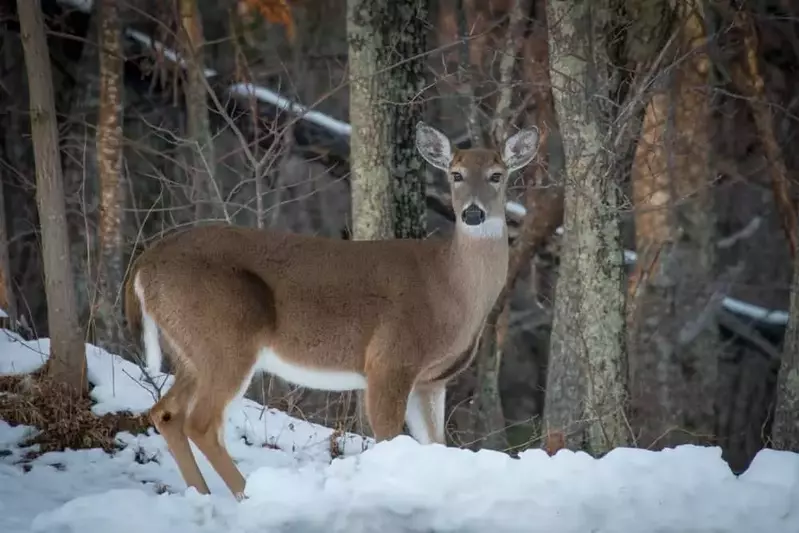
Winter is one of the most magical times of the year to be in the Great Smoky Mountains! Whether it’s Christmas time or just a beautiful day in January, there is always something amazing going on during the winter months. We’ve put together seven of our favorite things about this wonderful season in the Smokies:
7 Things We Love About Winter in the Smoky Mountains6 Steps for Planning a Christmas Movie Night in Your Pigeon Forge Cabin

Spending Christmas in the Smokies is an amazing experience all on its own, but when you have a Pigeon Forge cabin with a home theater room, you can add an extra dose of holiday magic with a Christmas movie night! Here are six steps to get you thinking about the best ways to boost holiday spirit for this special evening:
6 Steps for Planning a Christmas Movie Night in Your Pigeon Forge CabinReunite With the Whole Family This Christmas With a Large Group Cabin in Gatlinburg

Christmas has always been a time to gather the whole family together for a special celebration. A large group cabin in Gatlinburg, Tennessee provides the perfect setting for a Christmas family reunion. Spending Christmas with your extended family in the Smoky Mountains provides a wonderful opportunity to catch up on old times and enjoy each other’s company.
Reunite With the Whole Family This Christmas With a Large Group Cabin in GatlinburgMore Than 80,000 Spectators Expected at the Gatlinburg Christmas Parade

One of the most beloved holiday traditions in the Smoky Mountains is just around the corner! This December, over 80,000 spectators are expected to watch the annual Gatlinburg Christmas parade. Read on for everything you need to know about this fantastic event.
More Than 80,000 Spectators Expected at the Gatlinburg Christmas Parade5 Ways to Stay Warm at Your Pigeon Forge Cabin This Winter

With spectacular holiday lights and snow dusted mountain tops, Pigeon Forge is absolutely breathtaking during the winter months. While the weather may be cold outside, there are several fun ways to keep warm when you stay at Timber Tops. Here are five of our favorite activities for staying nice and toasty in a Pigeon Forge cabin:
5 Ways to Stay Warm at Your Pigeon Forge Cabin This WinterHere is the Best Way to See the Christmas Lights in Gatlinburg

During the holiday season, the city of Gatlinburg is transformed into a winter wonderland complete with over three million Christmas lights! If you’re looking for the perfect way to see all of the lights and decorations you can’t beat the Trolley Ride of Lights. Read on for everything you need to know about this special event.
Here is the Best Way to See the Christmas Lights in Gatlinburg5 Reasons Why a Smoky Mountain Cabin Vacation is the Perfect Christmas Gift

If you’re looking for the perfect holiday gift for your family, you can’t do much better than a getaway in the Great Smoky Mountains. At Timber Tops Luxury Cabins, we provide you with all of the comforts and amenities you need for an amazing celebration. Let’s look at the top five reasons why a Smoky Mountain cabin vacation is the ideal Christmas gift.
5 Reasons Why a Smoky Mountain Cabin Vacation is the Perfect Christmas Gift6 Tips for Taking a Winter Hike in the Great Smoky Mountains

Although the winter season brings low temperatures to East Tennessee, this can be a wonderful time to enjoy a scenic hike in the Great Smoky Mountains! We’ve put together six tips to keep in mind before heading out on your journey.
6 Tips for Taking a Winter Hike in the Great Smoky Mountains6 Smoky Mountain Cabins With Spectacular Winter Views
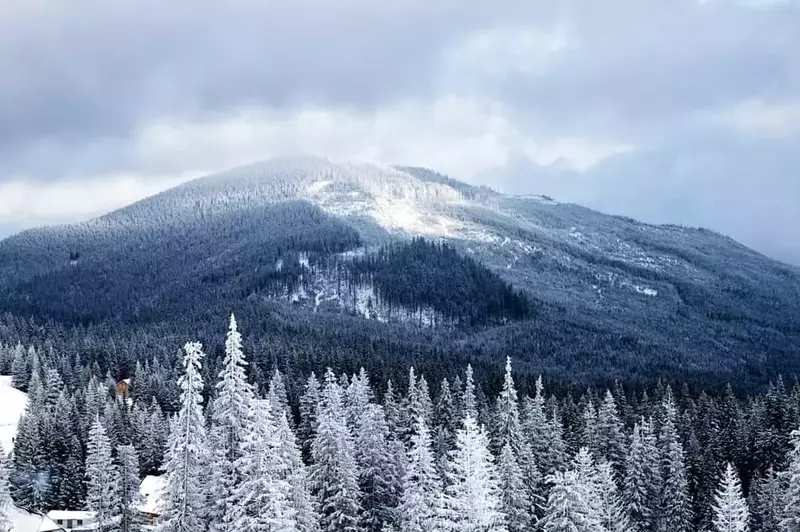
The winter season in the Great Smoky Mountains provides some of the region’s most amazing scenery, as snow transforms the mountains into a winter wonderland. There is no better place to enjoy the sights during this beautiful time of year than in a Smoky Mountain cabin at Timber Tops. Our luxurious cabins provide the perfect winter escape, and we have an excellent collection of cabins that offer spectacular winter views! Here are six popular options:
6 Smoky Mountain Cabins With Spectacular Winter Views4 Fun Things to Do in Your Gatlinburg Cabin on a Snowy Day
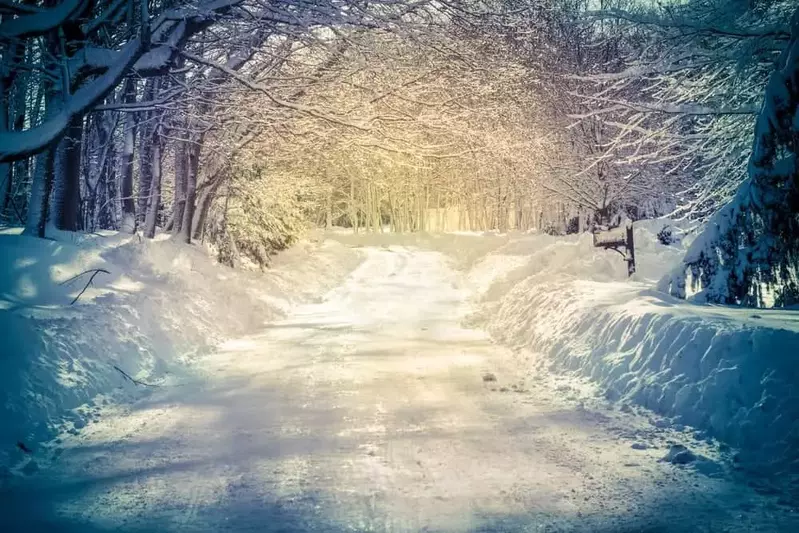
While getting snowed in during your vacation might put a hold on your trip to Dollywood, it’s also a great opportunity to enjoy a special day right in your cabin. We’ve put together a guide with four of our favorite things to do in a Gatlinburg cabin on a snowy day in the Smokies.
4 Fun Things to Do in Your Gatlinburg Cabin on a Snowy DayMeet Rudolph the Red-Nosed Reindeer at Dollywood’s Smoky Mountain Christmas Festival

This holiday season, Rudolph the Red Nosed Reindeer and his friends are joining the Smoky Mountain Christmas festival at Dollywood! The beloved Christmas television classic comes to life as Rudolph, Clarice, Bumble the Abominable Snow Monster, and Yukon Cornelius come to Dollywood for delightful character experiences you won’t find anywhere else.
Meet Rudolph the Red-Nosed Reindeer at Dollywood’s Smoky Mountain Christmas FestivalSalute America’s Heroes at these 3 Smoky Mountain Veterans Day Events

Veterans Day is an opportunity to reflect on our nation’s proud heritage and honor the brave men and women who have allowed us to remain free. This year, the cities of Pigeon Forge, Gatlinburg, and Sevierville will be hosting a series of excellent holiday celebrations. Let’s take a look at some of the best Veterans Day events in the Smoky Mountains.
Salute America’s Heroes at these 3 Smoky Mountain Veterans Day Events5 Reasons to Stay in a Smoky Mountain Cabin for Christmas
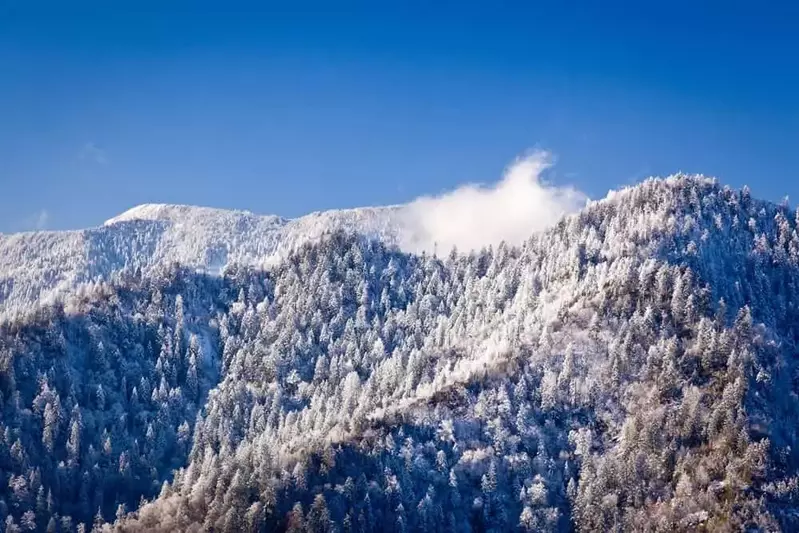
The Smoky Mountains are a magical place to visit during the holiday season. With majestic mountain views and special events, Pigeon Forge is the perfect spot for a winter get together with your family. Here are five reasons to spend Christmas in a Smoky Mountain cabin:
5 Reasons to Stay in a Smoky Mountain Cabin for ChristmasAmerica’s Only Thanksgiving Fireworks Display Arrives in Pigeon Forge

Anyone who would like to celebrate the Thanksgiving holiday in a most unique and entertaining way should plan to attend the Titanic Museum’s 3rd annual Fireworks Extravaganza. Read on for everything you need know about this amazing Thanksgiving event in Pigeon Forge, Tennessee.
America’s Only Thanksgiving Fireworks Display Arrives in Pigeon Forge6 Ways to Disconnect and Unwind at Our Gatlinburg Cabins

Americans tend to lead extremely busy lives, and the constant pressure of work and other daily responsibilities can actually lead to levels of stress that may harm your overall good health. It’s important that you take some time for yourself to just get away from it all. Here are six ways that you can unwind when you stay at one of our luxurious Gatlinburg cabins:
6 Ways to Disconnect and Unwind at Our Gatlinburg CabinsWhere to Find the Best Fall Food in the Smoky Mountains
One of the best things about autumn in the Smokies is the delicious selection of seasonal dishes and desserts! Whether you are looking for apple flavor or pumpkin spice, several local establishments offer some of the finest fall food in the Smoky Mountains.
Where to Find the Best Fall Food in the Smoky Mountains4 Tips for Traveling With Young Kids on Your Gatlinburg Vacation

Taking a trip to the Great Smoky Mountains is a fun and relaxing time for the whole family. A Gatlinburg vacation offers many activities for families traveling with young children. If you will be bringing your kids, here are four tips to ensure that everyone has a great time:
4 Tips for Traveling With Young Kids on Your Gatlinburg VacationHoliday Magic Returns to Pigeon Forge with the Country Tonite Christmas Show

Everyone from the tiniest of tots to their grandparents will enjoy a magical holiday experience at the fabulous Country Tonite Christmas Show. The amazing performers in this special Christmas show in Pigeon Forge, Tennessee, will fill you with the wonderful spirit of the season.
Holiday Magic Returns to Pigeon Forge with the Country Tonite Christmas Show7 Unexpected Health Benefits of Taking a Pigeon Forge Cabin Vacation

Taking a vacation is not only fun and relaxing, it can also be one of the best things for your health. This is especially true when you choose a beautiful and scenic area like the Great Smoky Mountains. A Pigeon Forge cabin vacation can provide a number of surprising health benefits.
7 Unexpected Health Benefits of Taking a Pigeon Forge Cabin VacationGet in the Christmas Spirit With Gatlinburg’s Festival of Trees

Enjoy a beautiful start to your holiday season with the amazing Festival of Trees charity event in the Great Smoky Mountains. Adults and children alike will adore all the brightly-lit trees, the wonderful smell of baked goods, and the one-of-a-kind crafts available at this Christmas event in Gatlinburg. Read on to learn everything you need to know.
Get in the Christmas Spirit With Gatlinburg’s Festival of Trees3 Reasons a Romantic Gatlinburg Cabin Vacation Will Improve Your Relationship

If you’re looking for a vacation that will bring that special spark back into your relationship, your best choice is a romantic Gatlinburg cabin. Our cabins are tucked away in the beautiful Great Smoky Mountains and you will find lots of fun and exciting activities throughout the year. Let’s look at three ways that a getaway in one of our cabins will improve your relationship:
3 Reasons a Romantic Gatlinburg Cabin Vacation Will Improve Your RelationshipGatlinburg’s Annual Chili Cookoff Spices Up the Season This November

Cooler temperatures are arriving in the Great Smoky Mountains, and that makes it the perfect time of year to indulge in some delicious chili. Come sample everyone’s favorite seasonal dish at the 25th annual Winter Magic Kickoff and Chili Cookoff. You won’t want to miss this exciting event in Gatlinburg, Tennessee. Read on for everything you need to know.
Gatlinburg’s Annual Chili Cookoff Spices Up the Season This November6 Advantages of Staying in a Pigeon Forge Cabin

If you want to explore the extraordinary beauty that the Great Smoky Mountains have to offer, then be sure to spend some time in the lovely resort city of Pigeon Forge, Tennessee. You are sure to enjoy your visit to the fullest when you choose to stay in a <a href="/pigeon-forge-luxury-cabins/">luxurious Pigeon Forge cabin</a>. Here are six advantages of staying with us:
6 Advantages of Staying in a Pigeon Forge Cabin4 Great Smoky Mountain Restaurants Open for Thanksgiving
The Thanksgiving holiday is a wonderful time of the year to gather up your family and spend some quality time in the Great Smoky Mountains. The area is especially beautiful at this time of year, and there are several Smoky Mountain restaurants that are open for Thanksgiving. Here are five of our favorite places to have a holiday meal:
4 Great Smoky Mountain Restaurants Open for ThanksgivingTrick or Treat in Pigeon Forge at The Island’s Halloween Celebration

Come on out to The Island this October for some holiday fun at this family-friendly Halloween event in Pigeon Forge, Tennessee. All of the area shops, restaurants, and attractions will be festively decorated and geared up to offer some spooky amusements to the hundreds of visitors expected to attend. Read on for everything you need to know!
Trick or Treat in Pigeon Forge at The Island’s Halloween CelebrationGatlinburg Named Among Top Honeymoon Destinations in the U.S.
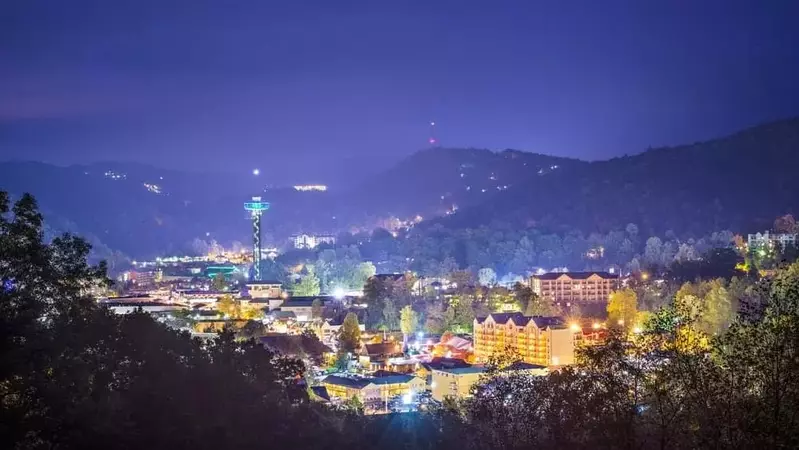
When you think of premier honeymoon destinations, you probably think of exotic spots such as Hawaii or big cities like New York. However, Facebook just announced that the lovely mountain resort town of Gatlinburg, Tennessee, made its top 10 list of best honeymoon destinations! It’s really no wonder that such a beautiful part of our country made this list, and you too can enjoy a romantic <a href="/cabin-rentals/honeymoon-cabins/">honeymoon cabin in Gatlinburg</a> amongst the Great Smoky Mountains. Here are five of our most popular mountain getaways for newlyweds:
Gatlinburg Named Among Top Honeymoon Destinations in the U.S.4 Reasons to Spend This Thanksgiving in a Gatlinburg Cabin

Thanksgiving is a time for giving thanks and celebrating with family, and a Gatlinburg cabin provides the perfect environment to enjoy this special holiday! Here are four great reasons to spend this Turkey Day in the Smokies:
4 Reasons to Spend This Thanksgiving in a Gatlinburg CabinKyker Farms “Korn Maze” in Sevierville Opens for the Season
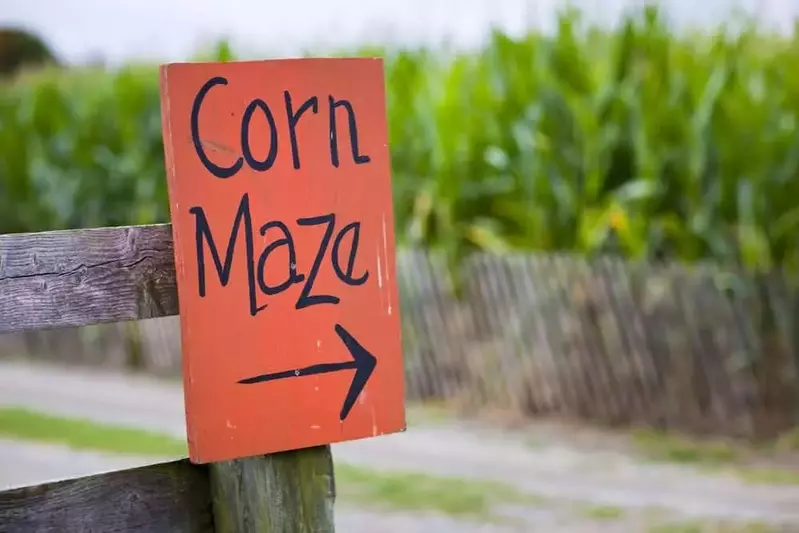
Fall is in the air, and that means the Kyker Farms Korn Maze is back in business! This excellent corn maze in Sevierville, Tennessee had its opening day on Friday, Sept. 26, and will remain open throughout the month of October. A huge variety of activities are planned to entertain every member of your family from the youngest to the oldest.
Kyker Farms “Korn Maze” in Sevierville Opens for the SeasonWill I See a Black Bear at My Cabin in Pigeon Forge?
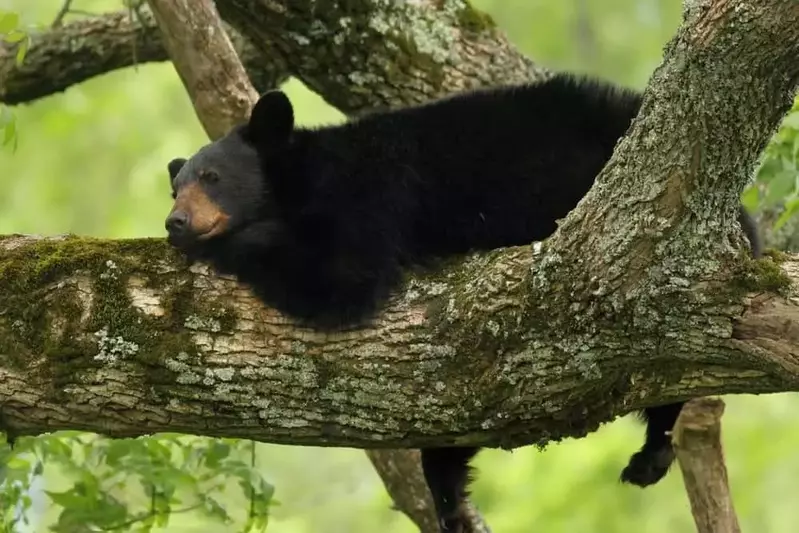
Guests staying at a cabin in Pigeon Forge often wonder how likely it is that they will <a href="/blog/see-bears-in-the-smoky-mountains/">see black bears</a>. While there is a substantial black bear population in the Great Smoky Mountains National Park, in all likelihood you will not see one near your cabin. For the safety of both you and the bears, it’s best if these animals don’t come too close. There are some precautions you can take to make this even less likely.
Will I See a Black Bear at My Cabin in Pigeon Forge?5 Steps for a Scenic Cabin Wedding in the Smoky Mountains

A wedding in the Smoky Mountains is a fantastic venue not just because of the area’s natural beauty, but it also makes a great little vacation for your guests. Here is a five step guide to planning the perfect in-cabin wedding in the mountains:
5 Steps for a Scenic Cabin Wedding in the Smoky MountainsEnjoy Amazing Local Food at Gatlinburg’s Taste of Autumn Charity Event

Food enthusiasts visiting the Smokies next month will love the 17th Annual Taste of Autumn charity dinner! Guests at this autumn event in Gatlinburg, Tennessee will have the chance to try dishes from the area’s most popular restaurants. Read on for everything you need to know.
Enjoy Amazing Local Food at Gatlinburg’s Taste of Autumn Charity Event6 Rainy Day Activities to Do in Your Pigeon Forge Cabin

Sometimes the weather just doesn’t cooperate with your vacation plans. Fortunately, you can still have a blast doing some rainy day activities in your Pigeon Forge cabin! Here are six of our favorite things to do:
6 Rainy Day Activities to Do in Your Pigeon Forge CabinSpooky Halloween Fun at Ripley’s Fright Nights in Gatlinburg

There is no better way to to get in the Halloween spirit than a trip to one of the annual Fright Nights at Ripley’s Haunted Adventure in Gatlinburg, Tennessee! Read on to get the scoop on the spookiest event in the Smokies:
Spooky Halloween Fun at Ripley’s Fright Nights in Gatlinburg5 Tips for a Stress Free Vacation in Pigeon Forge

A vacation in Pigeon Forge should be a time of rest, relaxation, and fun away from the hassles of work and everyday life. Here are 5 tips to make your getaway in the Smoky Mountains stress free:
5 Tips for a Stress Free Vacation in Pigeon ForgeCountry Star Don Williams Comes to Pigeon Forge This October

Few things are as unforgettable as the rich baritone of Don Williams. The legendary country star is well known for his intimate classics and beloved story songs. Previous hits for the crooner include the favorites “You’re My Best Friend,” “Amanda,” “Good Ole Boys Like Me,” “Lord I Hope This Day is Good,” “I Believe in You” and “Tulsa Time.” Those visiting Pigeon Forge this October will be able to experience the country legend in person when the Country Music Hall of Fame star performs his concert in Pigeon Forge at the Country Tonite Theatre.
Country Star Don Williams Comes to Pigeon Forge This OctoberDon’t Forget to Pack These 6 Things for Your Pigeon Forge Cabin Vacation

It seems that no matter how much time you spend packing for vacation, you always manage to forget something! Before you zip up your suitcase, make sure you have these six things:
Don’t Forget to Pack These 6 Things for Your Pigeon Forge Cabin Vacation5 Things to Know About the Fall Colors in the Great Smoky Mountains
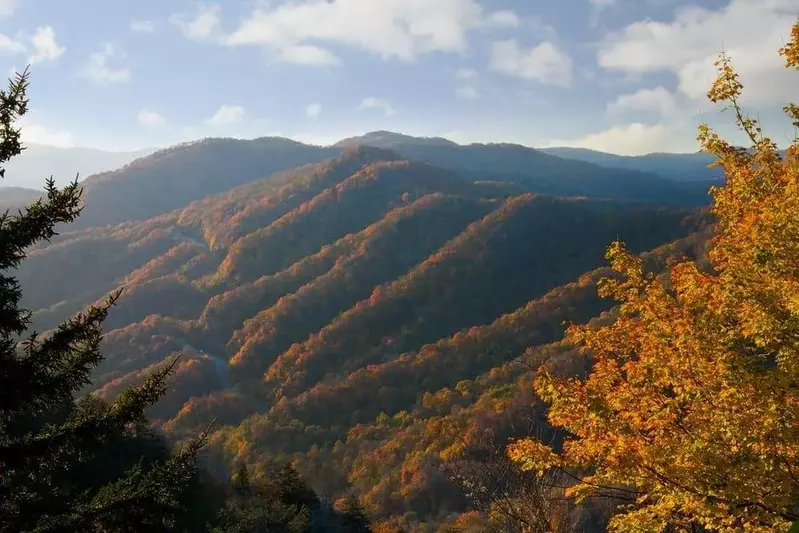
Fall in the Great Smoky Mountains is a spectacular display of color so intense that people come from all over the world to see it! Here are five things to know about the season:
5 Things to Know About the Fall Colors in the Great Smoky Mountains6 Things To Consider When Choosing the Perfect Gatlinburg Cabin

If you’re looking for a vacation spot with relaxing atmosphere, spectacular scenery and lots of fun activities, head to Gatlinburg in the Great Smoky Mountains. You can enjoy your trip in a beautiful Gatlinburg cabin that has all the conveniences of home. To find the right cabin, consider these 6 things to narrow down your choices:
6 Things To Consider When Choosing the Perfect Gatlinburg CabinFree Festival in Gatlinburg Celebrates the Best Smoky Mountain Artists

If you love arts and crafts, then you’ll definitely want to visit Gatlinburg this fall! In October, the Smokies will host the 10th Annual Gatlinburg Fine Arts Festival, a family oriented three-day outdoor fair featuring some of the very best artists from around the U.S. Read on to learn everything you need to know about this free festival in Gatlinburg.
Free Festival in Gatlinburg Celebrates the Best Smoky Mountain ArtistsTop 5 Reasons to Stay at a Group Cabin in Gatlinburg

If you’re planning a multi-family vacation, consider renting a <a href="/cabin-rentals/8-bedroom-cabins/">group cabin in Gatlinburg</a>. These cabins are ideal for families who want to gather together for a special event or who don’t see each other through the year that much. Here are five reasons to stay together in the Smokies:
Top 5 Reasons to Stay at a Group Cabin in GatlinburgFree Gatlinburg and Pigeon Forge Attraction Tickets When You Stay With Timber Tops
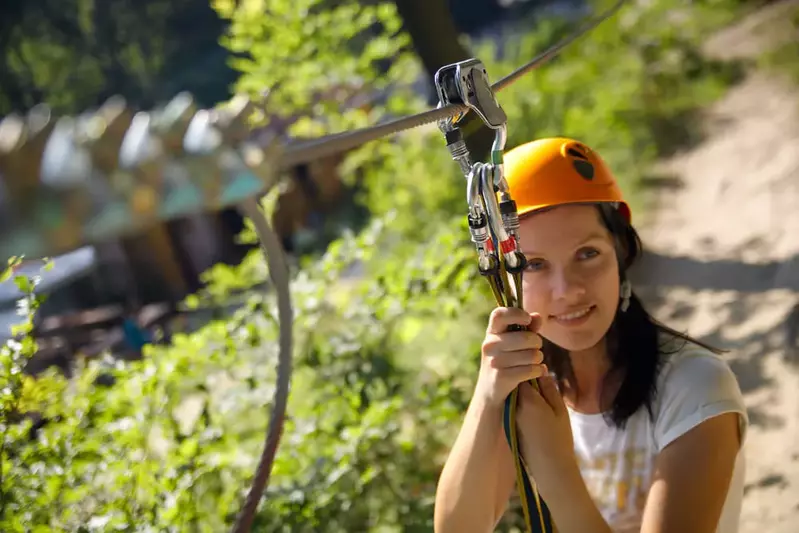
Here at Timber Tops, we want you to make the most out of your time in the Smokies. That’s why we offer <a href="/luxury-pass/">free Gatlinburg and Pigeon Forge attraction tickets</a>! With our Luxury Pass, guests receive one complimentary ticket for every paid night of their stay. Read on to learn about all of the amazing things you can do with our Luxury Pass.
Free Gatlinburg and Pigeon Forge Attraction Tickets When You Stay With Timber Tops3 Benefits of Staying in a Cabin Near the Great Smoky Mountains National Park
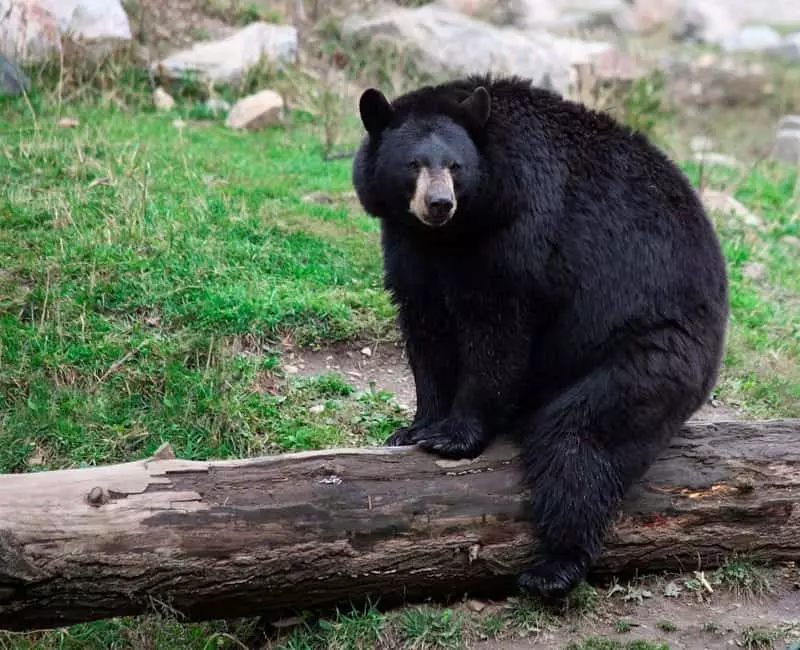
There’s no better way to enjoy a visit to East Tennessee then renting a cabin near the Great Smoky Mountains National Park! Timber Tops Luxury Cabin Rentals has accommodations to suit every taste and budget, whether you are looking for a secluded nature experience, amazing views, corporate retreat, or romantic getaway. The top three benefits of staying in a cabin close to the national park include:
3 Benefits of Staying in a Cabin Near the Great Smoky Mountains National ParkTop 4 Reasons to Stay in a Pigeon Forge or Gatlinburg Cabin This Fall

Don’t think you have to take a trip to the Rocky Mountains or Vermont to see the beauty of the autumnal foliage. The Smoky Mountains have some of the best fall colors in the country! Read on for four great seasonal activities near our cabins in Pigeon Forge and Gatlinburg.
Top 4 Reasons to Stay in a Pigeon Forge or Gatlinburg Cabin This Fall4 Things to Do Around Your Gatlinburg Cabin’s Outdoor Firepit
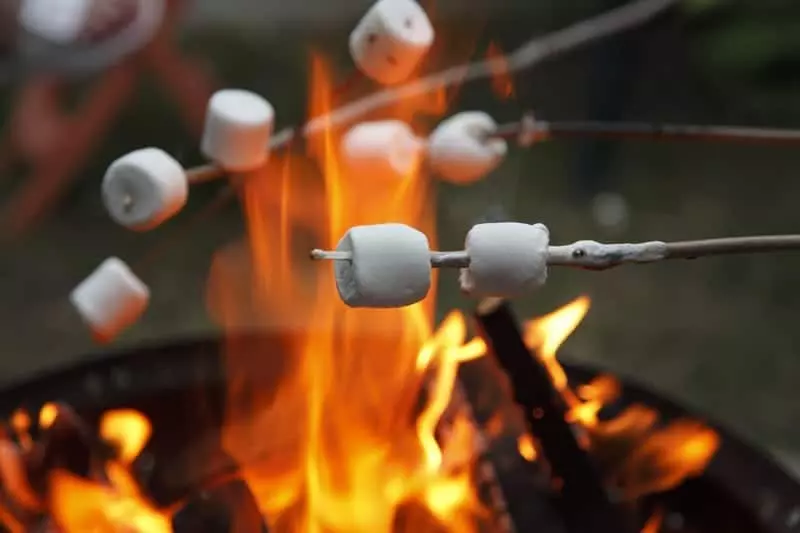
If you’re planning a vacation that includes some moonlit fun, you’ll definitely want to stay in one of our <a href="/cabin-rentals/firepit/">Gatlinburg cabins with outdoor firepits</a>! Here are four awesome activities your family will enjoy around the firepit:
4 Things to Do Around Your Gatlinburg Cabin’s Outdoor Firepit5 Reasons to Stay in a Gatlinburg Cabin with Internet Access

The internet isn’t just useful for planning your trip to the Smokies, you’ll want it when you’re there too! Here are five reasons to stay in a <a href="/cabin-rentals/cabins-internet/">Gatlinburg cabin with internet access</a>:
5 Reasons to Stay in a Gatlinburg Cabin with Internet AccessCelebrate Autumn at the 2014 OktOBERfest in Gatlinburg

With breathtaking colors and crisp, refreshing air, the Great Smoky Mountains are a fantastic place to visit in the fall. If you are planning an Autumn vacation, the 2014 OktOBERfest is the perfect seasonal celebration!
Celebrate Autumn at the 2014 OktOBERfest in GatlinburgOver 300 Free Concerts at This Dollywood Festival in Pigeon Forge

From September 22 through November 1, Dollywood will be celebrating autumn with the annual Southern Gospel & Harvest Celebration. With a treasure trove of crafters and gospel musicians visiting the park, this Dollywood festival in Pigeon Forge is one of the best fall events in the Smokies.
Over 300 Free Concerts at This Dollywood Festival in Pigeon ForgeRekindle Romance at the Grandview Getaway Cabin in Pigeon Forge
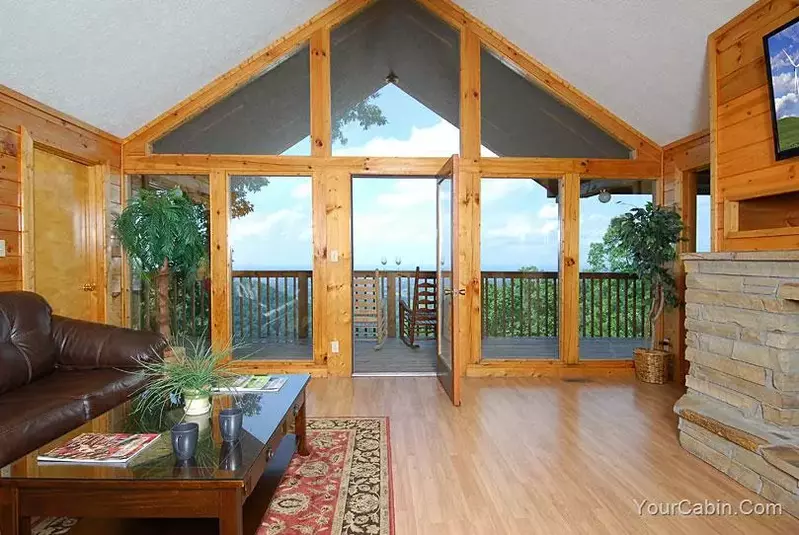
Imagine sweeping vistas of the Smoky Mountains, starry skies, and the peaceful sounds of the mountains with your beloved by your side. If you’re looking for a romantic getaway that’s a bit different from the norm, you should consider taking a trip to the stunning Smoky Mountains and booking a weekend at the enchanting Grandview Getaway Cabin in Pigeon Forge.
Rekindle Romance at the Grandview Getaway Cabin in Pigeon ForgeYour Complete Guide to The Shades of the Past Car Show in Pigeon Forge TN

Come one, come all and experience the Hot Rod Roundup! The 2014 Shades of the Past car show in Pigeon Forge TN is revving up for its 31st year. This hugely popular event will return to the Smokies on September 5 – 6 with even more classic cars and family fun.
Your Complete Guide to The Shades of the Past Car Show in Pigeon Forge TN4 Reasons Your Dog Will Love Our Pet Friendly Cabins in Pigeon Forge

If you have a dog, then he is part of your family and you wouldn’t think of leaving him at home while you’re on a family vacation. Isn’t it nice to stay in a place that not only accepts your pets, but welcomes them too? Here are four reasons your dog will love our <a href="/cabin-rentals/pet-friendly-cabins/">pet friendly cabins in Pigeon Forge</a>:
4 Reasons Your Dog Will Love Our Pet Friendly Cabins in Pigeon ForgeSmoky Mountain Military and Relic Show Brings History to Life in Pigeon Forge

If you love history, the Smoky Mountain Military and Relic Show is the next best thing to owning a time machine! Offering something for every member of your family, this Pigeon Forge history event will bring the Civil War to life right before your eyes.
Smoky Mountain Military and Relic Show Brings History to Life in Pigeon Forge5 Honeymoon Cabins in Gatlinburg You Won’t Want to Leave

The bridal bouquet has been thrown and the rice tossed. Now it’s time to take your first vacation as a married couple in one of our <a href="/cabin-rentals/honeymoon-cabins/">honeymoon cabins in Gatlinburg</a>! Featuring everything you need for an unforgettable getaway, here are five of our most romantic vacation rentals:
5 Honeymoon Cabins in Gatlinburg You Won’t Want to LeaveHave Your Gigantic Family Reunion at the Timber Lodge Cabin in Pigeon Forge
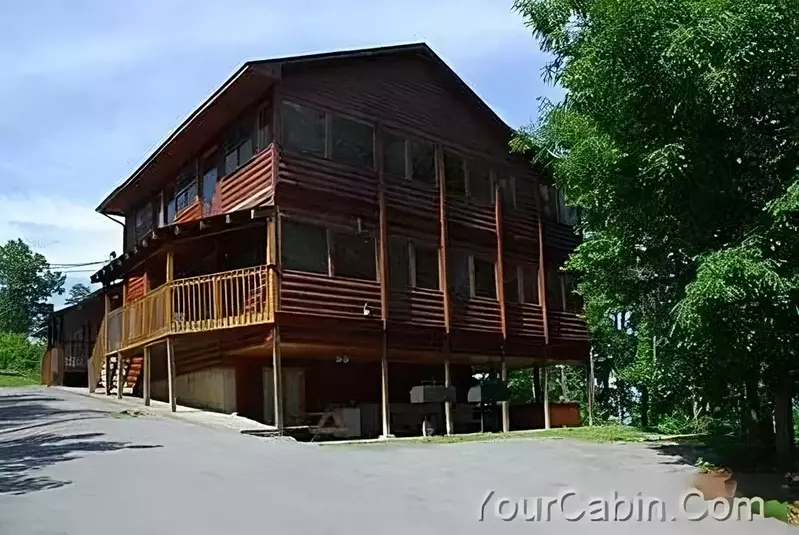
If you have a big extended family, planning a reunion for all of your aunts, uncles, cousins, second cousins, and third cousins twice removed can be a tall task! Fortunately, we know the perfect place to accommodate even the biggest groups. With space for a whopping 50 guests, the Timer Lodge is the ultimate large cabin in Pigeon Forge.
Have Your Gigantic Family Reunion at the Timber Lodge Cabin in Pigeon ForgeBrand New Mountain Coaster Coming to Ober Gatlinburg

Construction will be starting this July on Ober Gatlinburg’s newest attraction, the ADG Mountain Coaster! At 4000 feet long, this highly anticipated ride will also be Tennessee’s tallest mountain coaster. The mountain coaster at Ober Gatlinburg will give guests five and a half minutes of breathtaking scenery. The ride will start high up on Mt. Harrison, providing riders with a beautiful panoramic view, and then take them through the idyllic woods that border the Great Smoky Mountains National Park.
Brand New Mountain Coaster Coming to Ober GatlinburgA Tennessee Smokies Baseball Game Offers Ballpark Fun for Under $10

For a great night out, head on down to Smokies Park in Kodak, grab a hot dog, and cheer on the Tennessee Smokies baseball team. Adult tickets start at just $7.50! The Smokies, a minor league affiliate of the Chicago Cubs, are the stars of the show, but there are many other reasons why families head out to the ballpark for some summer fun.
A Tennessee Smokies Baseball Game Offers Ballpark Fun for Under $10Plan the Ultimate Movie Night in Your Cabin’s Home Theater Room in 3 Easy Steps

Dim the lights. Turn the cell phones off. Pop the popcorn. It’s finally time to enjoy some peace and quiet and watch a movie with your family! When you stay at Timber Tops, you can enjoy your favorite films in style when you rent one of our Pigeon Forge <a href="/blog/gatlinburg-cabins-indoor-pools-home-theaters/">cabins with home theater rooms</a>. Here are 3 easy steps for planning the ultimate movie night:
Plan the Ultimate Movie Night in Your Cabin’s Home Theater Room in 3 Easy Steps4 of the Most Popular Things to Do in the Great Smoky Mountains National Park
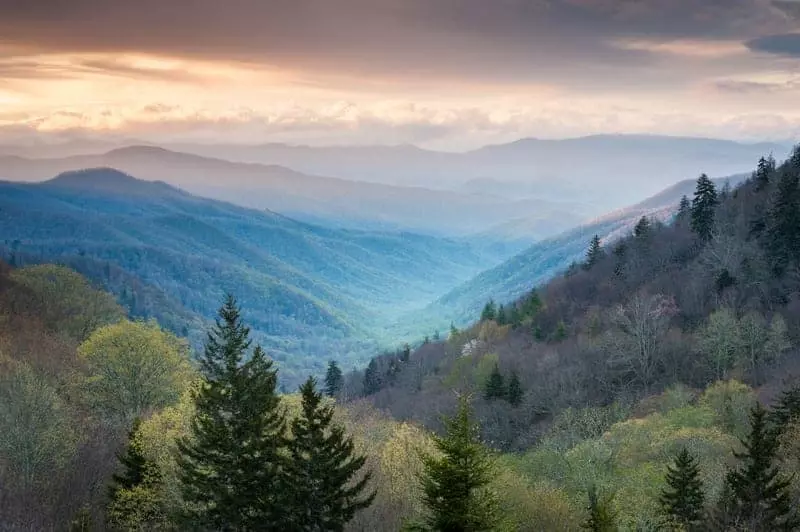
Whether you’re an avid outdoors type or just looking to spend a relaxing weekend in one of America’s most scenic landscapes, the Smokies are the perfect destination for anyone and everyone. To help you plan your next vacation, here are 4 of the most popular things to do in the Great Smoky Mountains National Park:
4 of the Most Popular Things to Do in the Great Smoky Mountains National ParkBrand New Moonshine Distillery Arrives in Pigeon Forge
![cocktail_aging[1]](/media/657d6b1dbc5b82220d140c73/original.webp)
Fans of moonshine will be pleased to know that another distillery is proudly serving white lightning in the Smokies. This July, the Old Forge Distillery made its debut in Pigeon Forge. Serving up genuine Tennessee whiskey, this unique store is housed in a century old barn seconds away from the Old Mill Square. Read on to learn everything you need to know about the latest place for moonshine in Pigeon Forge.
Brand New Moonshine Distillery Arrives in Pigeon Forge5 Things to Know About the Tennessee Square Dance Convention in Gatlinburg
The Tennessee Square Dance Convention is back in Gatlinburg for its 40th year! We’ve got the scoop on everything you need to know about this Smoky Mountain tradition.
5 Things to Know About the Tennessee Square Dance Convention in GatlinburgLearn How to Craft a Chart Topping Hit at the Smoky Mountains Songwriters Festival in Gatlinburg
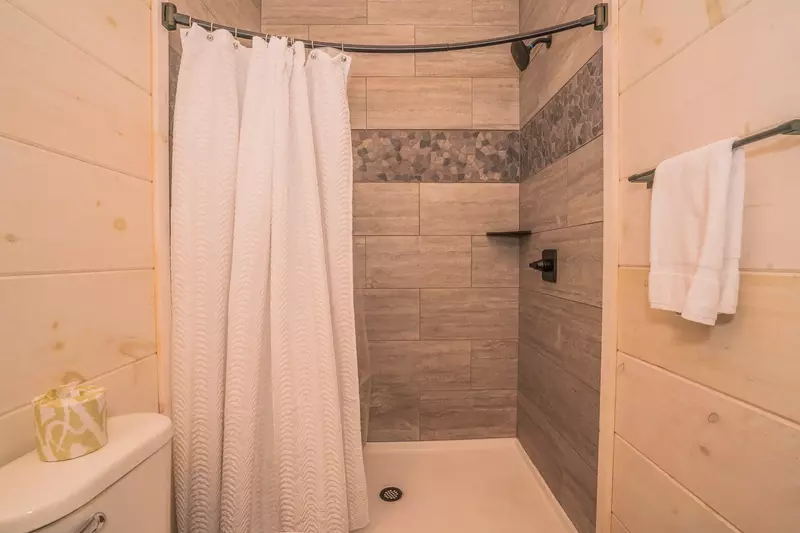
Want to learn how to write a hit song? Musicians planning a vacation to Gatlinburg will be thrilled to hear that the Smoky Mountains Songwriters Festival is back for another year of great music and education! Whether you’re a fan of pop, rock, country, bluegrass, or gospel, this annual event will make you appreciate music like never before.
Learn How to Craft a Chart Topping Hit at the Smoky Mountains Songwriters Festival in Gatlinburg3 Reasons to Visit Parrot Mountain in Pigeon Forge This Summer

If you are looking for a fun vacation spot that your whole family will enjoy, look no further than the picturesque Parrot Mountain and Gardens. At Parrot Mountain in Pigeon Forge, you will make lifelong memories as you explore glorious gardens alongside beautiful birds. If you are not convinced you will enjoy the Gardens, check out the three reasons we love to visit Parrot Mountain and Gardens below:
3 Reasons to Visit Parrot Mountain in Pigeon Forge This SummerTop 5 Pigeon Forge Attractions for Toddlers

When traveling with toddlers, it can be hard to find activities that your whole family will enjoy. Fortunately, Pigeon Forge is full of places that vacationers of all ages will absolutely love. Here are our top five Pigeon Forge attractions for toddlers:
Top 5 Pigeon Forge Attractions for ToddlersReel in the Fun at the Mountain Music Kids Fishing Tournament in Sevierville

What do you get when you combine kids, fishing and the Great Smoky Mountains? Why, the Mountain Music Kids Fishing Tournament in Sevierville, of course! One of the largest fishing tournaments for kids in the nation, last year’s tournament had almost 400 parent/child teams from across the United States looking to claim first place.
Reel in the Fun at the Mountain Music Kids Fishing Tournament in SeviervilleCompete for $1,000 at the Smoky Mountain Cornhole Tournament in Pigeon Forge
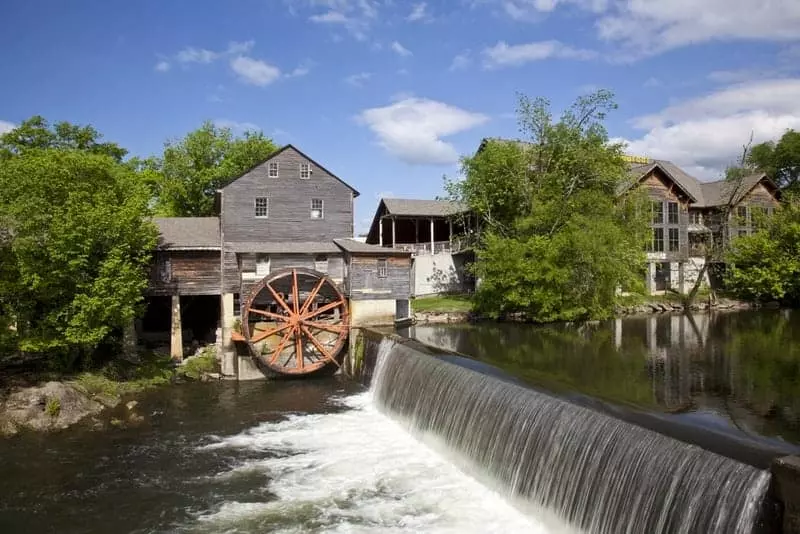
If you’re a cornhole playing pro, you could win big this August! As part of the Stringtime in the Smokies bluegrass festival, The Old Mill Square will host the 5th Annual Smoky Mountain Cornhole Tournament in Pigeon Forge. This year’s grand prize is $1,000! Taking place on Saturday August 2 at 11 a.m, the Cornhole Tournament is a can’t miss event for the bean bag champion in your family.
Compete for $1,000 at the Smoky Mountain Cornhole Tournament in Pigeon ForgeThe Gatlinburg Craftsmen’s Fair Returns With Even More Handcrafted Art
One of the most popular events in Tennessee is gearing up for its 39th year! The 2014 Gatlinburg Craftsmen’s Fair will be held from July 18-27, and organizers are planning some surprises this year that your whole family will love. Head down to Gatlinburg during these ten days to view and purchase magnificent crafts made by artists from all over the nation. Quality and originality in craftsmanship are assured as each artist is approved by a jury of experts. Over 180 artists are expected at the fair this year. Read on to learn everything you need to know about this year’s Craftsmen’s Fair.
The Gatlinburg Craftsmen’s Fair Returns With Even More Handcrafted Art2014 Tennessee Tax Free Weekend Coming This August

If you love saving money when you shop, you don’t want to miss the 2014 Tennessee Tax Free Weekend! From 12:01 AM on the first Friday in August until midnight on the following Sunday, locals and visitors alike can shop tax free in Tennessee. This means that from August 1-3, you can save the standard Tennessee tax rate of 7% on a wide range of items. We’ve got the scoop on everything you need to know.
2014 Tennessee Tax Free Weekend Coming This AugustCelebrity Musician Makes Surprise Appearance at Dollywood Pigeon Forge
This week, a special pop celebrity visited Dollywood, and had a great time while she was here! Katy Perry has taken the pop world by storm with such hits as “Firework” and “Teenage Dream”. Last week, though, Katy tackled what may be considered one of the biggest challenges of her career: Dollywood!
Celebrity Musician Makes Surprise Appearance at Dollywood Pigeon ForgeThree Historical Hiking Destinations in the Great Smoky Mountains
Do you love rediscovering history and exploring nature? Historical hikes in the Great Smoky Mountains blend the beauty of nature with touches of the past for unforgettable adventures.
Three Historical Hiking Destinations in the Great Smoky MountainsCelebrate America’s Heroes at the Gatlinburg Midnight Independence Day Parade

Of course, every day is a great day to be an American, but July 4th might be the most fun! With fireworks and barbecues, Independence Day celebrations are the highlight of the summer. In addition to all of the entertainment and food, it is important that we remember the incredible sacrifices people have made to keep America safe and free.
Celebrate America’s Heroes at the Gatlinburg Midnight Independence Day ParadeMermaids Are Real at Ripley’s Aquarium of the Smokies

When you visit Ripley’s Aquarium, you’ll see all sorts of undersea life: sharks, stingrays, penguins…and mermaids! This summer, the world’s most famous mythical ocean dwellers are visiting Gatlinburg as part of Ripley’s Live Mermaid Shows. Guests at the aquarium will watch mermaids swim in shark infested tanks, and even have the chance to pose for a picture with the stars of the show. Read on to learn everything you need to know about the mermaids at <a href="/blog/dive-in-ripleys-aquarium/">Ripley’s Aquarium of the Smokies</a>.
Mermaids Are Real at Ripley’s Aquarium of the SmokiesSummer Packing Tips for a Comfortable Cabin Stay in Gatlinburg

The long-awaited summer is finally here! And while many will be heading to the beach, we suggest folks to come visit the Smoky Mountains for a nice getaway from the beach crowd, whether for a weekend or a nice, long stay. To make the visit even better, there’s nothing quite like a secluded cabin in Gatlinburg for a true retreat from the everyday.
Summer Packing Tips for a Comfortable Cabin Stay in Gatlinburg7 Amenities You Can Only Find in a Gatlinburg Cabin Rental
Vacationers have a lot of options when they come to the Smoky Mountains. There is no doubt that there is a large abundance of things to do, places to eat, shops to explore and places to stay.
7 Amenities You Can Only Find in a Gatlinburg Cabin Rental3 Things You Didn’t Know About Cades Cove Auto Tour
Cades Cove is the most popular stop in the Great Smoky Mountains National Park for a reason. Filled with an abundance of history and a diverse wildlife population, the area is one of the best stops for vacationing families who want to see everything the National Park has to offer. Before you visit though, we have three things you probably didn’t know about the Cades Cove Auto Tour.
3 Things You Didn’t Know About Cades Cove Auto TourYour Guide to the 2014 Pigeon Forge July 4th Patriot Festival

There’s nothing like Independence Day in the Great Smoky Mountains! If you’re going to be in the area for America’s Birthday, the Pigeon Forge Patriot Festival is a can’t miss event. The famous country group Lonestar will headline a day full of music, food, and (of course) fireworks. Read on to learn everything you need to know about celebrating July 4th in Pigeon Forge.
Your Guide to the 2014 Pigeon Forge July 4th Patriot FestivalWays to Plan a Smoky Mountain Vacation Ahead

There’s nothing like a family vacation, but planning for everyone can be a daunting task. By planning ahead, you can save some time and trouble when it’s time to pack up and hit the road. Here are some of our best ways to plan your next Smoky Mountain vacation ahead.
Ways to Plan a Smoky Mountain Vacation Ahead7 Reasons to Take a Gatlinburg Vacation
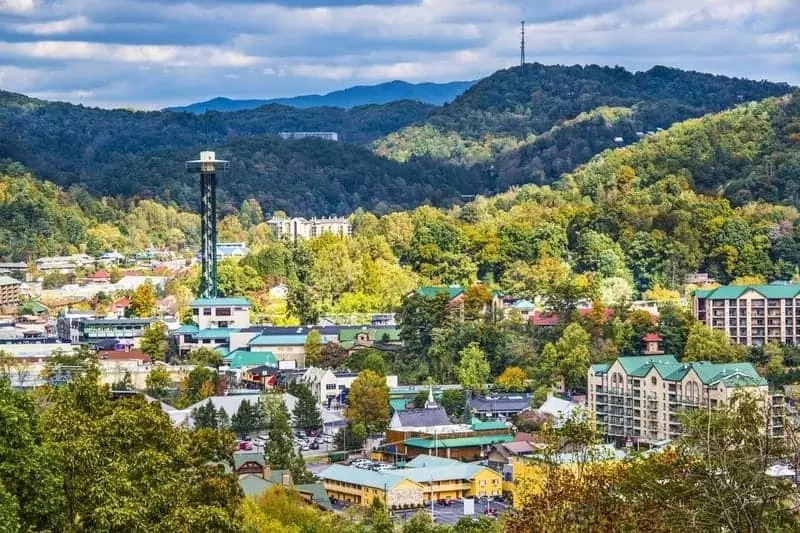
Nearly two centuries ago, Gatlinburg TN was a quiet and peaceful mountain village founded by settlers all the way from South Carolina. In fact, the town wasn’t even called Gatlinburg. It was known as White Oaks Flats.
7 Reasons to Take a Gatlinburg VacationJimmy Buffett’s Margaritaville in Pigeon Forge Opens This June

The grand opening of Jimmy Buffett’s Margaritaville in Pigeon Forge is just around the corner! On June 16, this tropical themed restaurant will welcome the public for a full day of festivities. After the ribbon cutting ceremony at 9:30 a.m., Margaritaville will officially be open for business. Read on to learn everything you need to know about this highly anticipated bar and grill.
Jimmy Buffett’s Margaritaville in Pigeon Forge Opens This JuneGatlinburg and Pigeon Forge Summer Bucket List

You’ve been counting down summer since the cold weather was here, and now it’s finally arrived. Here at Timber Tops Luxury Cabin Rentals, we take summer seriously, so, if you aren’t sure what to do while on vacation, never fear. We’ve created a Smoky Mountain summer bucket list for vacationers, filled with things to do in Pigeon Forge with kids, teens and adults. Featuring adventure, education, fun and bonding, these things to do will have your family enjoying a full summer of smiles from start to finish.
Gatlinburg and Pigeon Forge Summer Bucket List3 Reasons to Add Smoky Mountain White Water Rafting To Your Vacation

Out of all the fun and exciting family-friendly things to do in the Smoky Mountains, there is nothing quite like a Smoky Mountain white water rafting adventure. Not only do you and your family get to spend a few hours in the heart of the Great Smoky Mountains, but you are also sure to return home with tons of fond new memories.
3 Reasons to Add Smoky Mountain White Water Rafting To Your VacationFree Tickets to the Best Mini Golf in Pigeon Forge

Looking for Pigeon Forge mini golf coupons? There’s no need to search for coupons because Timber Tops Luxury Cabin Rentals offers guests free tickets to mini golf with each paid stay as a thank you for choosing our cabin rental company.
Free Tickets to the Best Mini Golf in Pigeon ForgeSmoky Mountain Alpine Coaster Promises Longest Downhill Ride in the U.S.
Looking to add some thrills to your vacation? The Smoky Mountain Alpine Coaster is the longest downhill ride in the United States! Located right here in Pigeon Forge, this exhilarating ride combines everything you love about roller coasters with breathtaking views of the Great Smoky Mountains. With over one mile of track, this awesome Pigeon Forge attraction is well worth a visit.
Smoky Mountain Alpine Coaster Promises Longest Downhill Ride in the U.S.Are You Ready to Go Country in Pigeon Forge?
If you’re a fan of live music, the Country Tonite theater is a can’t-miss stop on your next Smoky Mountain vacation. Named the “Best Show in the Smokies” and the “Best Live Country Show in America”, Country Tonite is a tour de force of music, dancing, and laugh-out-loud comedy. Now in its 19th season, this Pigeon Forge show is more popular than ever.
Are You Ready to Go Country in Pigeon Forge?Take a Dive into Adventure at Ripley’s Aquarium of the Smokies
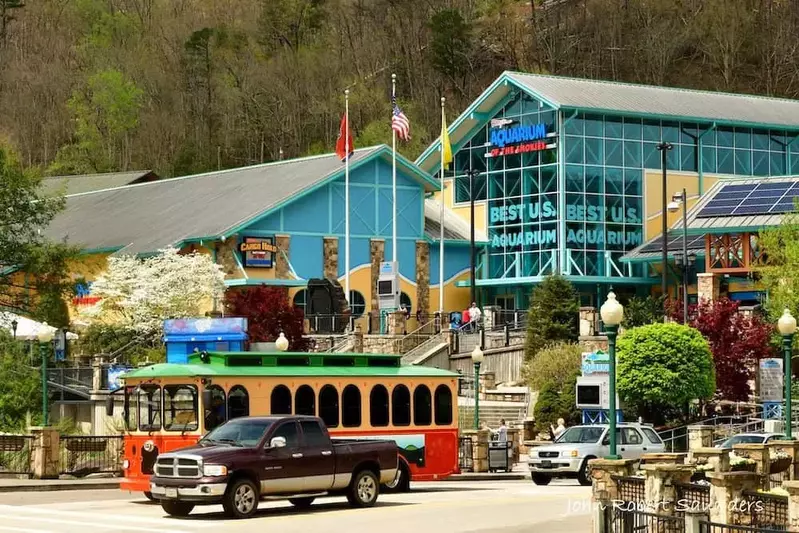
Ripley’s Aquarium of the Smokies is an exciting and educational experience for family members of all ages. The aquarium is home to thousands of exotic, colorful sea creatures, which makes it easy for visitors to get away for a few hours in a world of water and adventure.
Take a Dive into Adventure at Ripley’s Aquarium of the Smokies3 of the Easiest Hikes in the Great Smoky Mountains National Park
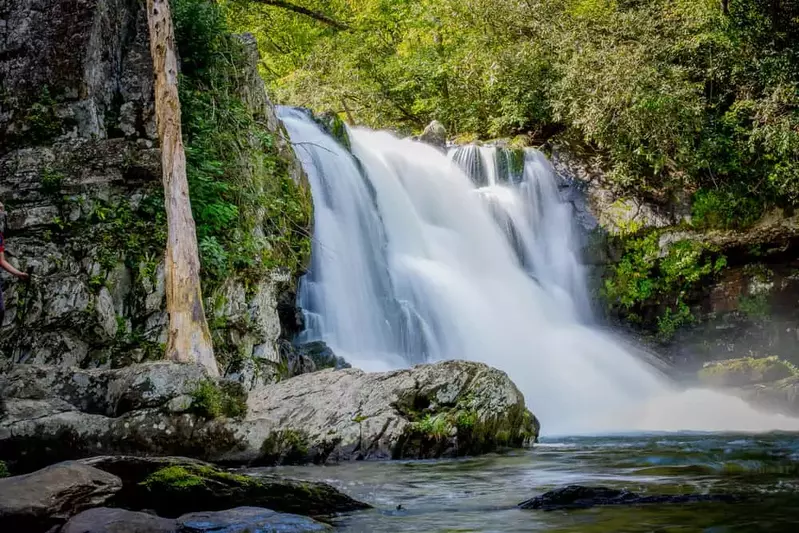
Are you looking to see the beauty of the national park without a long, strenuous hike? At Timber Tops Luxury Cabin Rentals, we want everyone to be able to enjoy the Smokies, so we have put together 3 of the <b>easiest hikes in the Great Smoky Mountains National Park</b>.
3 of the Easiest Hikes in the Great Smoky Mountains National ParkHave a Summer to Remember with Free Tickets to Smoky Mountain Attractions
Summer has finally arrived in the Great Smoky Mountains. With summer comes family vacations, warm Southern nights and amazing memories. Timber Tops Luxury Cabin Rentals wants to help your family make lifelong memories and more with a Summer of Smiles.
Have a Summer to Remember with Free Tickets to Smoky Mountain AttractionsTop 3 Hidden Attractions in Pigeon Forge
Do you want to hear a secret? Pigeon Forge and the Smoky Mountains are filled with fun and exciting things for families to enjoy, however we at Timber Tops Luxury Cabin Rentals wanted to let you and your family know of a few of our favorite spots that are a little off the beaten trail.
Top 3 Hidden Attractions in Pigeon ForgeFavorite Picnic Areas in the Great Smoky Mountains
A quiet afternoon with loved ones gathered under the shade sounds like the perfect afternoon in the mountains. Families who dream of getting away from the noise and the rush of the city can find just this scene in the Great Smoky Mountains of East Tennessee. So, pack a cooler, and grab a seat for our three favorite spots to explore the National Park while enjoying a family meal.
Favorite Picnic Areas in the Great Smoky MountainsMore Than a Ski Resort: Summer Fun at Ober Gatlinburg
When you think of Ober Gatlinburg, you probably imagine skiers and snowboarders jetting down a mountainside covered in powder white snow. But did you know that Ober is also open for the summer? During the off season, Ober Gatlinburg becomes an awesome family fun center featuring some of the best rides and activities in the Smokies. Read on to get the scoop on all of the excellent things to do at Ober Gatlinburg in the summer.
More Than a Ski Resort: Summer Fun at Ober GatlinburgCelebrate the Season During the Great American Summer at Dollywood

Do you have patriotic pride or just love warm summer nights? If you answered yes to either question, Dollywood is hosting a special 6 week festival to make time for what matters most, called Great American Summer.
Celebrate the Season During the Great American Summer at DollywoodPaula Deen Opening New Shop in Downtown Gatlinburg
Ever since the well-known chef and restaurateur, Paula Deen, announced that she is planning on opening up a new restaurant at the Island in Pigeon Forge, it as if the southern belle is popping up everywhere. In addition to her new <a href="/blog/4-exciting-new-restaurants-coming-pigeon-forge/">Pigeon Forge restaurant</a>, Paula Deen will also be making a special appearance in the area later this summer, and now it has been announced that she will also be opening a shop in the heart of downtown Gatlinburg.
Paula Deen Opening New Shop in Downtown GatlinburgSummer Escapes in the Great Smoky Mountains
Summer vacation is a time of relaxation for parents and kids, but it can be difficult to relax when you’re stuck in a traffic jam or surrounded by a crowd. For those dreaming of a vacation away from every distraction, Gatlinburg and Pigeon Forge have a variety of popular attractions along with peaceful escapes in the Great Smoky Mountains National Park.
Summer Escapes in the Great Smoky MountainsWorld Famous Country Quartet Coming to Pigeon Forge This Summer
The nation’s most celebrated country quartet is coming to the Smokies! The legendary Oak Ridge Boys will take the stage at the Country Tonite Theater this summer for two performances filled with gorgeous harmonies, uplifting lyrics, and chart topping hits. Read on to learn everything you need to know about this upcoming show in Pigeon Forge.
World Famous Country Quartet Coming to Pigeon Forge This Summer3 Secrets to Dollywood’s Splash Country
Everyone knows Dollywood’s Splash Country is one of the best water parks in the South East. What some don’t know is that there are special programs and options for guests to make the experience even more fun and convenient. Here are our three secrets to getting the most out of your time at the Pigeon Forge amusement park before the season opening on May 17.
3 Secrets to Dollywood’s Splash CountryGatlinburg Summer Farmer’s Market Back by Popular Demand
Do you love buying fresh local produce? If so, there’s no better place than the Smoky Mountains to find homegrown fruit and vegetables to enjoy all summer long. Back by popular demand, the Gatlinburg Farmer’s Market will open for its fourth season on May 17. Vacationing families who are looking for things to do in Gatlinburg on the weekend will have no shortage of fun through September 13 when the market will close for the season.
Gatlinburg Summer Farmer’s Market Back by Popular DemandPaula Deen Launches Multi-City Live Tour in Pigeon Forge
As previously reported, Paula Deen will be opening a <a href="/blog/celebrity-chef-new-restaurant-pigeon-forge/">new restaurant in Pigeon Forge</a> in late summer 2014. Now, it has been announced that the celebrity chef will be hosting a live, multi-city cooking tour, with Pigeon Forge as her first stop.
Paula Deen Launches Multi-City Live Tour in Pigeon ForgeDollywood’s Barbeque and Bluegrass Festival Brings Together Two Southern Classics
People come to the South from all all over the country to hear great music and eat delicious food. Dollywood is bringing music and food lovers together this summer for the annual Barbeque and Bluegrass Festival. Drawing on two of the most beloved traditions from the Great Smoky Mountains, this popular Dollywood festival features 16 days of awesome celebrity concerts and plenty of mouthwatering BBQ with all the fixins. Read on to learn everything you need to know.
Dollywood’s Barbeque and Bluegrass Festival Brings Together Two Southern ClassicsDon’t Miss Your Chance to See the Synchronous Fireflies Light Show in Gatlinburg
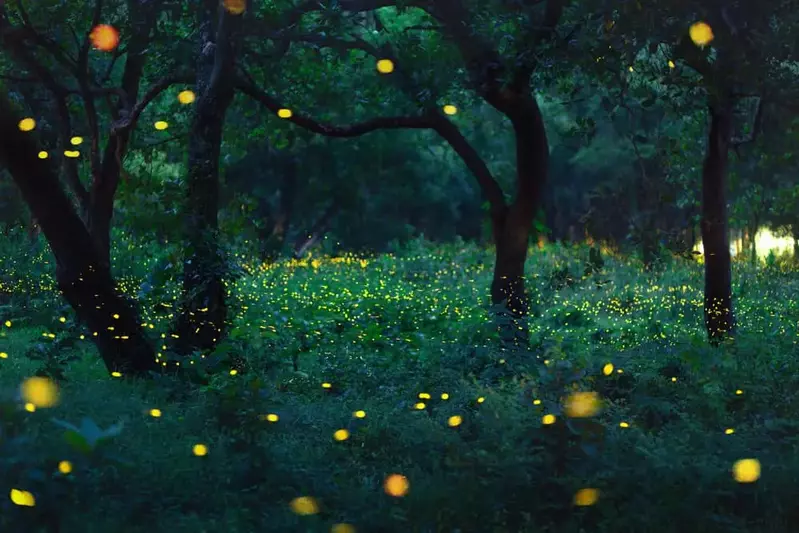
One of nature’s most breathtaking miracles happens every year in the Smokies. A special species of lightning bug known as synchronous fireflies put on an incredible light show as part of their mating ritual. Eager to impress the ladies, male fireflies flash their lights in unison to create absolutely stunning patterns. The Great Smoky Mountains National Park is one of the few places in the U.S. where people can watch this unforgettable display. Read on to learn how you can attend the synchronous fireflies event in Gatlinburg!
Don’t Miss Your Chance to See the Synchronous Fireflies Light Show in Gatlinburg20-Year Health Advisory Lifted for Sevier County River
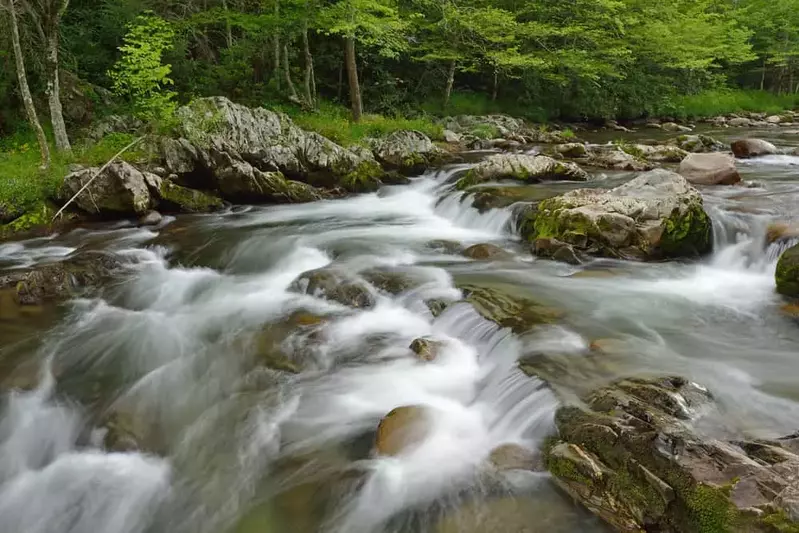
If you’ve ever visited the Great Smoky Mountains, you’ve at least heard of the Little Pigeon River. Now, after 20 years of being deemed polluted and unsafe, the health warning has been lifted for a section of the river in <a href="/area-resources/history-of-sevier-county-region/">Sevierville</a>.
20-Year Health Advisory Lifted for Sevier County RiverHow to Save Money on Your Smoky Mountain Vacation Without Searching for Coupons
Are you looking for ways to save money on a vacation to the Smoky Mountains? We want to help you save as much money as possible, so we’ve put together a few ways to help.
How to Save Money on Your Smoky Mountain Vacation Without Searching for CouponsOld-Fashioned Celebration to Welcome Spring in Townsend
Would you like to celebrate spring in old-fashioned style? If so, the annual Townsend Spring Festival and Old Timer’s Day is planned for May 2 and 3. Featuring bluegrass music, wildflower walks and cast iron cooking, this Smoky Mountain event is the first of many to celebrate the new season and the quieter side of the mountains.
Old-Fashioned Celebration to Welcome Spring in TownsendDowntown Gatlinburg’s Top After Dinner Outings
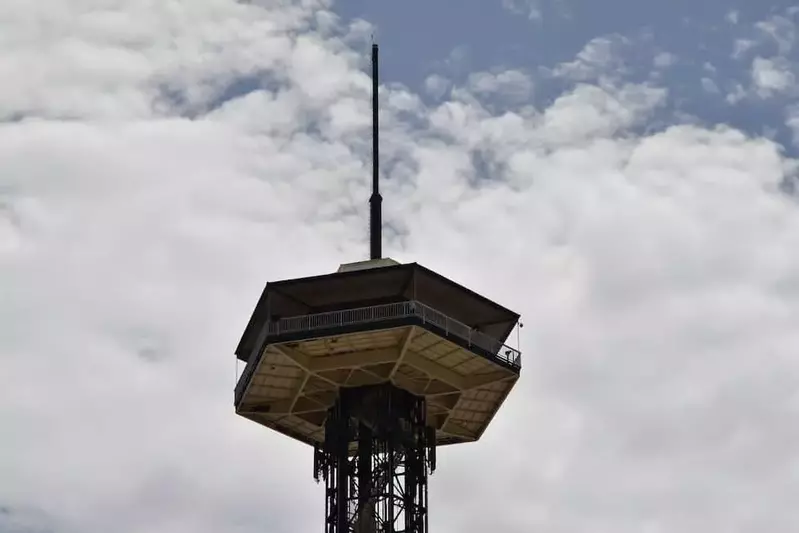
Just because Gatlinburg has a small town atmosphere doesn’t mean the area turns off at night. After the sun goes down, the region comes to life with twinkling city lights and fun activities for all ages. Whether you’re a night owl or just arriving in the evening, there are plenty of fun things to do in Gatlinburg after dark, so here are few of our favorite after dinner outings.
Downtown Gatlinburg’s Top After Dinner OutingsTop 3 Smoky Mountain Outdoor Adventures
Warmer weather is here to stay, and we at Timber Tops Luxury Cabin Rentals could not be more excited! To help vacationers find ways to enjoy this beautiful weather, we have put together a list of the top 3 Smoky Mountain outdoor adventures.
Top 3 Smoky Mountain Outdoor Adventures50,000 Visitors Expected to Line the Streets for Pigeon Forge Parade
Is there anything better than seeing Dolly Parton while you’re on vacation in the Great Smoky Mountains? We don’t think so!
50,000 Visitors Expected to Line the Streets for Pigeon Forge ParadeTake a Shine to a Gatlinburg Distillery Tour
Moonshine has deep roots in the Appalachian Mountains. In a time of economic trouble, the people of the area took to the hills to brew and sell their ‘shine. Today, three legal distilleries call downtown Gatlinburg home. If you’re interested in the history of the people who made moonshine famous and the brews themselves, a Gatlinburg moonshine tour can be a fun and informative half day adventure in the Smoky Mountains.
Take a Shine to a Gatlinburg Distillery TourCades Cove Tours Bring the Smokies to Life at Night
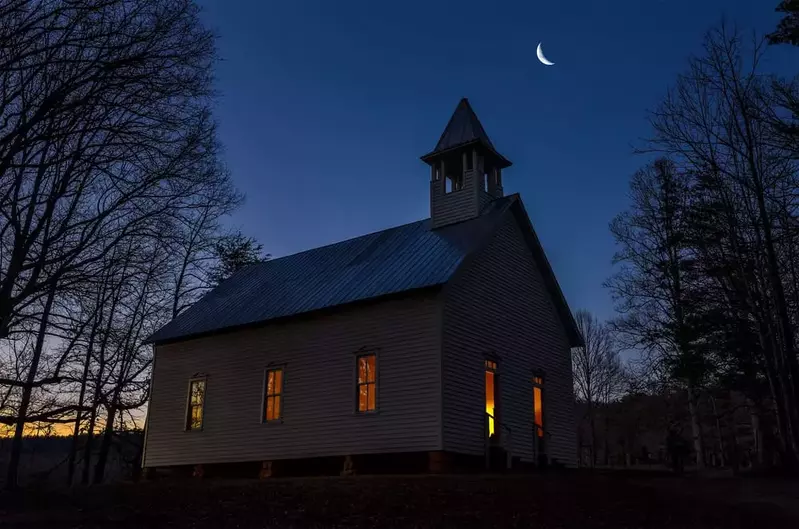
One of the best known areas of the Great Smoky Mountains National Park is Cades Cove. With diverse wildlife, a long looping auto-tour and variety of hiking trails, this area has some of the best things to do in the Smokies. Now, guests of the National Park have the opportunity to view the night sky in Cades Cove while under a full moon with experienced guides.
Cades Cove Tours Bring the Smokies to Life at NightWhen is the Best Time to Purchase a Tennessee Marriage License?

The Great Smoky Mountains. Is there anywhere else you’d rather be for your dream wedding? When you wake up in the morning, the sun will be shining over the Smokies, and when you lay your head to rest at night, you’ll fall asleep to the peaceful sounds of the mountains. A Smoky Mountain wedding is the perfect choice for anyone wanting to get away and experience absolute luxury throughout their stay.
When is the Best Time to Purchase a Tennessee Marriage License?Dolly Parton Concert for Charity Near Hometown

Dolly Parton has announced her Blue Smoke World Tour will continue through the U.S. this year, with a special charity concert near her hometown of Sevierville in May. Read more to learn how to win free tickets to the Dolly Parton concert. Enter to WIN!
Dolly Parton Concert for Charity Near HometownSimple Tips for Planning a Smoky Mountain Vacation
Taking a family vacation can be exciting and sometimes stressful. To help cut out on stress and turn up the excitement, Timber Tops Luxury Cabin Rentals has a few tips to easily plan a family vacation in the Smokies in only a few steps.Related News: <a href="/blog/attractions-in-the-smoky-mountains-spring/">New Attractions in the Smoky Mountains Open for Spring</a>
Simple Tips for Planning a Smoky Mountain VacationWalMart Opening At Cades Cove?
Cades Cove is one of the most peaceful locations in the Smoky Mountains. Home to several historic home sites and playful wildlife, there is no question as to why so many families make a trip to the scenic spot every year.
WalMart Opening At Cades Cove?Country Superstar Loretta Lynn Comes to Pigeon Forge

Loretta Lynn is a country music pioneer, and she’s showing no signs of slowing down! This spring, the world’s most famous Coal Miner’s Daughter will take the stage at the Country Tonite Theatre for a special Smoky Mountain show. At age 81, Loretta Lynn’s lyrics and voice still carry the same intensity and passion that earned her the nickname The Queen of Country Music so many years ago. If you appreciate great music, Loretta’s concert is a can’t miss Pigeon Forge event!
Country Superstar Loretta Lynn Comes to Pigeon ForgeBrand New Food and Fun at The Island in Pigeon Forge
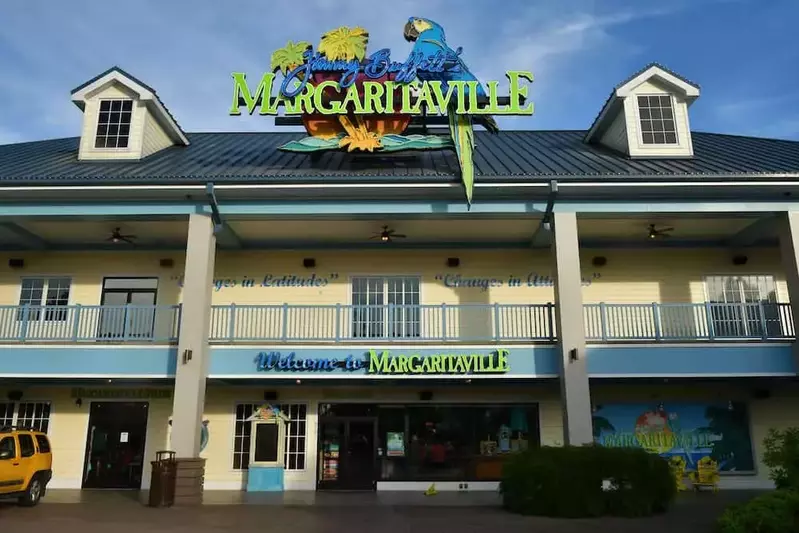
The Island in Pigeon Forge is quickly becoming one of the hottest spots for food and fun in the Smokies. With new stores arriving each month, it can be hard to keep track of everything that’s going on at this popular entertainment complex. To keep you up to date, we’ve put together a list of some of the newest Pigeon Forge attractions, shops, and restaurants coming to The Island!
Brand New Food and Fun at The Island in Pigeon ForgeNew Attractions in the Smoky Mountains Open for Spring
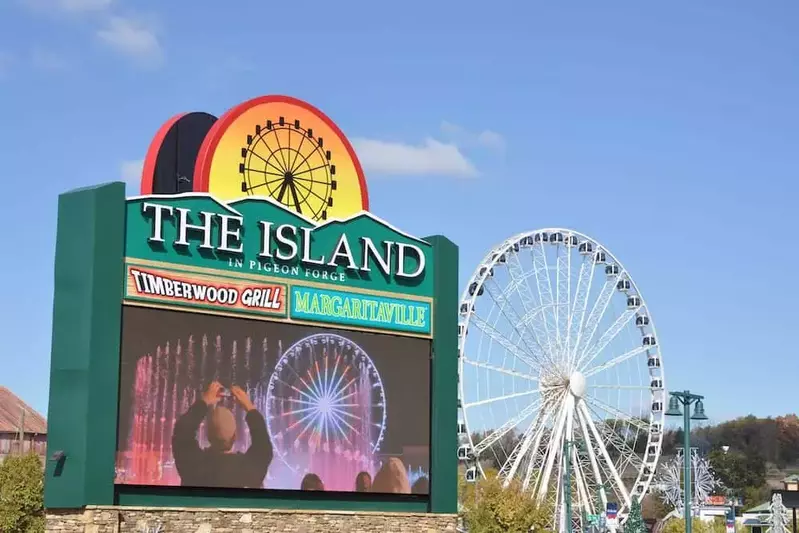
No matter how many times you’ve been to the Smoky Mountains, you can never run out of things to do. This year is especially exciting because of some new additions to the Island in Pigeon Forge that will have families laughing and enjoying their vacation more than ever.
New Attractions in the Smoky Mountains Open for SpringTake Free Tours of the Great Smoky Mountains National Park This Spring
There are a million things to see in the Great Smoky Mountains National Park, so it always helps to travel with an expert! This spring, naturalist Jamie Matzko and wildlife biologist Keith Watson will be offering free guided tours of the park through the Gatlinburg Special Events Department. Jamie and Keith know everything there is to know about the national park, so this Gatlinburg event is an incredible opportunity to see the Smokies like never before.
Take Free Tours of the Great Smoky Mountains National Park This SpringThe Secret to Saving Money at Dollywood
It’s that time again! Dollywood is opening up for the season on March 22, and everyone’s favorite theme park is better than ever. When you visit the park, you’ll have the chance to experience Dollywood’s newest roller coaster, the <a href="/blog/new-roller-coaster-coming-dollywood/">FireChaser Express</a>! This awesome ride is the very first dual launch family coaster in Dollywood. From opening day until April 21, you’ll also be able to see incredible entertainment from all over the world as part of <a href="/blog/7-smoky-mountain-events-cant-miss-march/">Dollywood’s Festival of Nations</a>.
The Secret to Saving Money at DollywoodHave You Heard? The Great Smoky Mountains National Park Reopens Once Again!
Guess what time of year it is?! It’s finally springtime in the Smoky Mountains! The warmer temperatures have made their way to the mountains, and the snowy season has finally come to an end. Visitors to the Great Smoky Mountains know that warmer weather means reopening many of the national park’s great roads and locations.
Have You Heard? The Great Smoky Mountains National Park Reopens Once Again!3 Budget Friendly Adventures in the Smoky Mountains

Trying to plan a budget friendly vacation with your family? While traveling, it can be challenging to save money while still enjoying the sights and attractions. To help families save while on vacation, Timber Tops Luxury Cabin Rentals has an idea for three fun adventures that will keep your family and your wallet happy.
3 Budget Friendly Adventures in the Smoky MountainsSmoky Mountain Wildflower Scavenger Hunt
More than 1,500 species of flowers and plants can be found in the Smoky Mountains, a diversity unlike anywhere else in the world. Known as the “Wildflower National Park,” the Smokies are lit up with color from early spring to late fall. This wildflower season, guests of the Smoky Mountains can enjoy exploring the Great Smoky Mountains National Park, and even have their own wildflower scavenger hunt.
Smoky Mountain Wildflower Scavenger HuntToast to the 2014 Smoky Mountain Winefest

Planning to get away for a girls’ weekend or couple’s vacation? Warm temperatures, gorgeous blooms and annual events make April the perfect time to get away to the spectacular Smoky Mountains of East Tennessee with your best friends or sweetheart. Some of the best events in the Smokies are scheduled for this spring. From crafting events to unique festivals, there’s plenty to see and do.
Toast to the 2014 Smoky Mountain WinefestPopular Smoky Mountain Hiking Trail Closes
The Great Smoky Mountains National Park officially have announced a temporary closing of a popular <b>Smoky Mountain hiking trail</b>. Ramsey Cascades is a familiar trail to many Smoky Mountain visitors because of the gorgeous waterfall.
Popular Smoky Mountain Hiking Trail Closes3 Ways to Save Money on Vacation
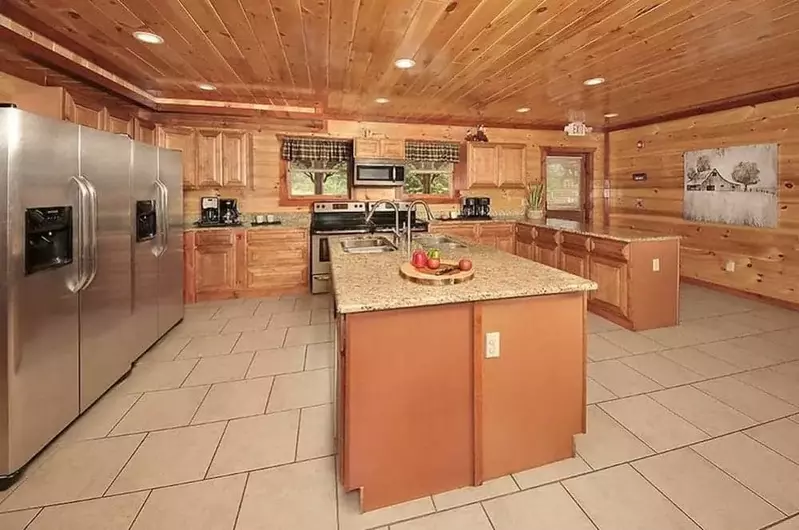
Between the travel costs, attractions, shopping and restaurant, vacations can really add up! To help combat these costs, we at Timber Tips Luxury Cabin rentals have put together a couple easy money saving tricks for you and your family to try on your next vacation to the Smoky Mountains.
3 Ways to Save Money on Vacation4 Exciting New Restaurants Coming to Pigeon Forge
Come hungry, leave happy! Pigeon Forge will soon be home to four brand new and great-tasting restaurants! Ranging in flavors from mouth watering barbecue to down-home southern classics, a trip to one of these new Smoky Mountain eateries is sure to put a smile on each of your family members’ face.
4 Exciting New Restaurants Coming to Pigeon ForgeOne Day Only: Dragons and Monsters Take Over the Smokies
The East Tennessee Mountains are being taken over by dragons and monsters for one day only. In celebration of the cultural heritage of spoken storytelling in the Appalachians, a World Storytelling event in Gatlinburg is scheduled to dazzle all ages.
One Day Only: Dragons and Monsters Take Over the SmokiesAre Your Fishing Skills Worth $10,000?

Do you love to fish? Do you consider yourself a skilled fisherman or fisherwoman? Well, it’s time to put those skills to the test at the 2014 Smoky Mountain Trout Tournament.
Are Your Fishing Skills Worth $10,000?Spring into Savings With Spring Time Specials
With a little warmer weather here to stay (fingers crossed), we at Timber Tops Luxury Cabin Rentals want to celebrate spring in the Smokies with a few great money saving specials and deals for guests to enjoy. Whether you are here for the weekend or spending your spring break in the Smokies, there is a special for all of our Pigeon Forge and Gatlinburg cabin rentals.
Spring into Savings With Spring Time SpecialsSmoky Mountain Event Promises A Bloomin’ Good Time
Spring in the Smokies means many things. It is the time of year where the bears and the wildlife in the Great Smoky Mountains national park begin to wake up. It is also the time where locals and visitors can wave goodbye to drab and heavy winter coats, and say hello to light and comfortable <a href="/blog/vacation-smokies-spring/">warmer-weather</a> clothing. However, most importantly this is the time of year where everywhere you look your eyes are met with the vibrant hues of the thousands of beautiful Smoky Mountain Wildflowers!
Smoky Mountain Event Promises A Bloomin’ Good TimeCelebrity Chef Announces New Restaurant in Pigeon Forge
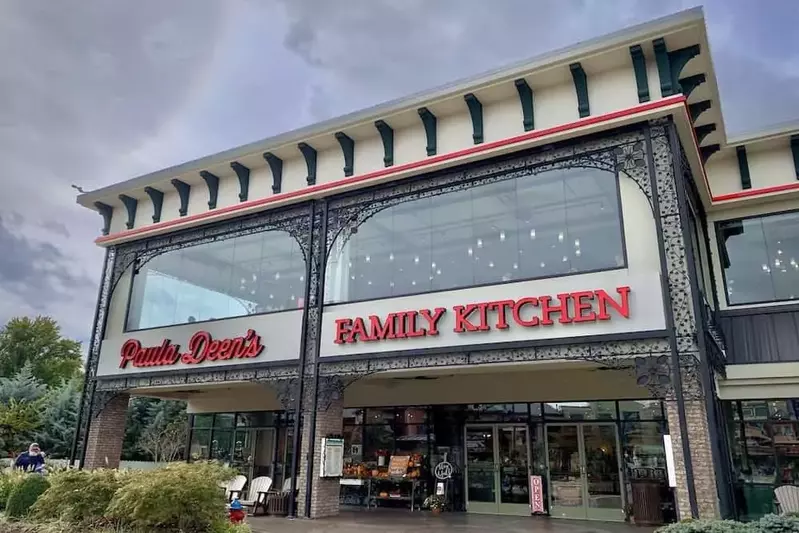
There’s about to be a bit more southern cooking in the Smoky Mountains of East Tennessee. Celebrity chef Paul Deen, has announced a comeback with the opening of a new retail operation and restaurant in Pigeon Forge. Bloomberg Businessweek announced this morning that the new restaurant will be called “Paula Deen’s Family Kitchen.”
Celebrity Chef Announces New Restaurant in Pigeon Forge4 Ways to Stay Healthy on Your Gatlinburg Vacation
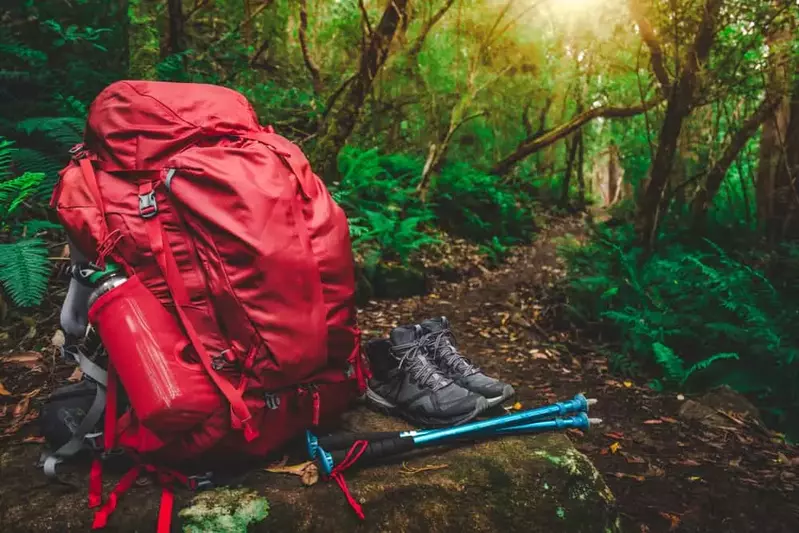
Sometimes, going on vacation can put your fitness plan in jeopardy. Fortunately, that’s not the case in the Great Smoky Mountains! When you stay at our cabins in Gatlinburg, it’s easy to eat right and get plenty of exercise. Here are four great tips for staying healthy in the Smokies:
4 Ways to Stay Healthy on Your Gatlinburg Vacation7 Smoky Mountain Events You Can’t Miss in March
It’s March Madness in the Smokies! Next month is absolutely jam-packed with great festivals and shows in Gatlinburg and Pigeon Forge. To help you keep track of all the fun, we’ve put together a handy guide to all of the upcoming Smoky Mountain events.
7 Smoky Mountain Events You Can’t Miss in MarchLaugh Your Socks Off at the Gatlinburg Improv Fest
Are you looking for a good laugh? The Gatlinburg Improv Fest is guaranteed to crack you up! This uproarious comedy event is returning in March for three slide splitting shows at the Sweet Fanny Adams Theatre. Located right around the corner from our <a href="/cabin-rentals/gatlinburg-cabins/">cabins</a>, this Gatlinburg event is a yearly checkup for your funny bone! This blog has the answer to all of your questions about the event.
Laugh Your Socks Off at the Gatlinburg Improv FestSmoky Mountains’ Wildlife Viewing in Cades Cove
Cades Cove is an awe-inspiring valley and mountainous region filled with historic log cabins, one-room churches and industrial buildings, including a grist mill. The tranquil 6,800 acres hold more than just picturesque buildings. Now that spring is arriving, visitors can see the playful Smoky Mountain wildlife frolicking and exploring more than ever.
Smoky Mountains’ Wildlife Viewing in Cades CoveExperience Magic in Pigeon Forge

How would you like to see some of the best magicians in the world? The Winter Carnival of Magic is returning to the Great Smoky Mountains and it’s bringing nine incredible acts to the Country Tonite Theater. These award winning illusionists will perform two astounding shows right around the corner from our <a href="/cabin-rentals/pigeon-forge-cabins/">cabins in Pigeon Forge</a>.
Experience Magic in Pigeon ForgeCar Lovers Rejoice: Corvette Expo Returns to the Smokies

Are you a fan of classic cars? If so, the Corvette Expo is guaranteed to get your motor running! Just a short drive from our <a href="/cabin-rentals/pigeon-forge-cabins/">cabins in Pigeon Forge</a>, this Smoky Mountain tradition is perfect for car lovers of all ages.
Car Lovers Rejoice: Corvette Expo Returns to the SmokiesFree Music and Entertainment in Downtown Gatlinburg This Spring
Smoky Mountain Tunes and Tales is coming back to town! This annual tradition brings talented entertainers to downtown Gatlinburg for live musical performances, storytelling, and crafting demonstrations throughout the spring and summer months. Held right around the corner from our <a href="/cabin-rentals/2-bedroom-cabins/">Gatlinburg cabins</a>, Tunes and Tales has something for every member of your family.
Free Music and Entertainment in Downtown Gatlinburg This Spring3 Places You Didn’t Know Existed in the Smoky Mountains
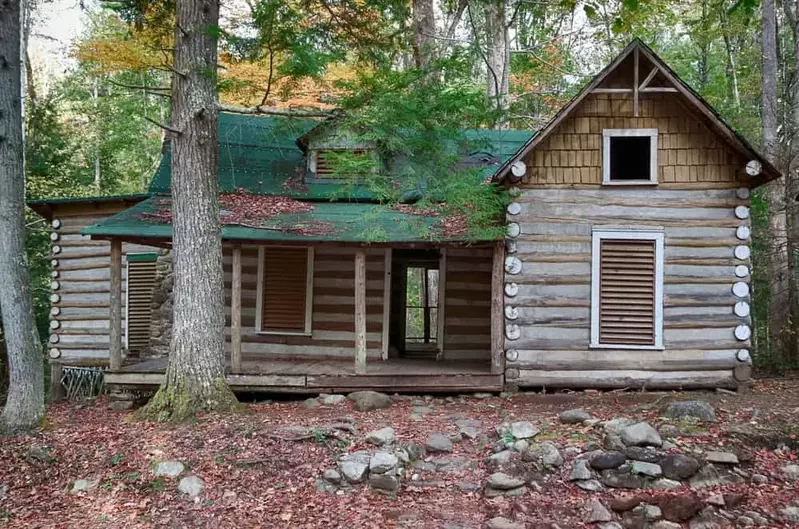
The Smoky Mountains have been a popular family vacation destination for generations. Families that come to the area visit often do so year after year, and each visit brings new and exciting memories. That being said, there are still a few parts of our national park that are yet to be discovered by most of its guests.
3 Places You Didn’t Know Existed in the Smoky MountainsSmoky Mountain Wildlife By the Numbers
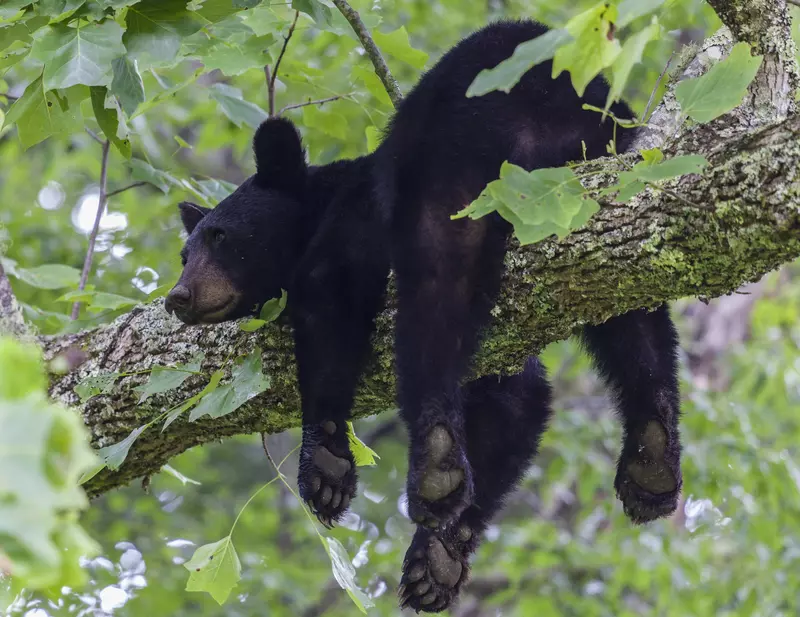
With <a href="/blog/vacation-smokies-spring/">spring</a> just around the corner, it is almost time for all the playful Smoky Mountain Wildlife to wake back up! With literally thousands of different types of specials that inhabit the park, we at Timber Tops Luxury Cabin Rentals have decided to help guests out by giving a short guide to what kind of animals visitors can expect to see.
Smoky Mountain Wildlife By the NumbersWhy Vacation in the Smokies This Spring?
Starting to put together your spring vacation plans this year? For families trying to decide whether or not the Smoky Mountains are the right place for your next family trip, we at Timber Tops Luxury Cabin Rentals have put together a few reasons why families should see the spring in the Smokies.
Why Vacation in the Smokies This Spring?Big News: New Facility Approved for the Great Smoky Mountains
Do you love the Smoky Mountains? We sure do! So, we’re excited to share that funding has been approved for a new archive facility right here in the Smokies. The National Park Service Joint Curatorial Collection Facility will be built next to the Great Smoky Mountain Heritage Center in Townsend. Set to hold nearly 900,000 artifacts and archival records, the center will be a great addition to the East Tennessee area.
Big News: New Facility Approved for the Great Smoky MountainsDollywood Preparing For Another Exciting Festival of Nations
Spring is one of the most exciting times of year in the Smoky Mountains. The flowers are beginning to bloom, the wildlife are beginning to come out and play, and, most importantly, it’s time for Dollywood’s annual Festival of Nations! Considered one of the largest festivals in the south, this thrilling event is a long-time favorite for all who visit the <a href="/blog/dollywood-reopens-another-spectacular-season/">Pigeon Forge amusement park</a>.
Dollywood Preparing For Another Exciting Festival of NationsDollywood Reopening for Another Spectacular Season
Everyone’s favorite <b>attraction in Pigeon Forge</b> is planning to reopen their doors for another season filled with Smoky Mountain memories. If you’ll remember, Dollywood closed its doors on January 4, 2014, after celebrating their Smoky Mountain Christmas, ready to prepare for their 2014 season which will begin on March 22.
Dollywood Reopening for Another Spectacular SeasonSpecial Event in Gatlinburg Promises Snow in the Smokies this February
Snow is covering the treetops and families are hiking the mountains to see the icy waterfalls. This February you can experience the snowy side of the Smokies at the Jewels from the Sky event in Gatlinburg.
Special Event in Gatlinburg Promises Snow in the Smokies this FebruaryBest Places to See Spring Wildflowers in the Smokies
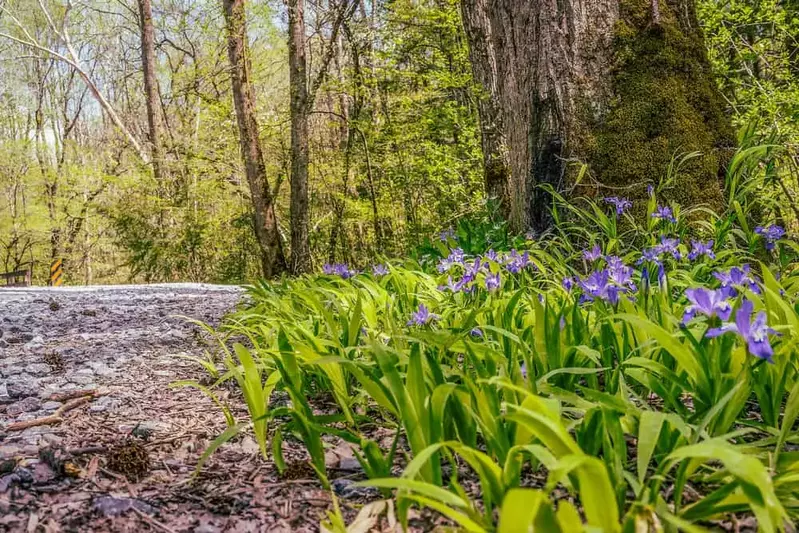
Just like the leaves in the fall, the wildflowers that canvass the valleys and trails in and around the Great Smoky Mountains National Park create some of the most spectacular views, hands down. Don’t believes us? Check out one of these ideal viewing areas below and experience the beautiful views for yourself.
Best Places to See Spring Wildflowers in the SmokiesNew Roller Coaster Coming to Dollywood!
Are you ready for a new adventure? Well Smoky Mountain fans are in luck as construction on Dollywood’s newest roller coaster is underway!
New Roller Coaster Coming to Dollywood!The Smoky Mountains Are Getting Their Own Currency!
Have you ever visited the <a href="/blog/interesting-facts-about-the-smoky-mountains/">Smoky Mountains</a> and wanted to take something back with you that you carry around long after the vacation is over? What about something that was not only sentimental, but it was worth a little money as well?
The Smoky Mountains Are Getting Their Own Currency!Big Changes at The Comedy Barn Theater in Pigeon Forge
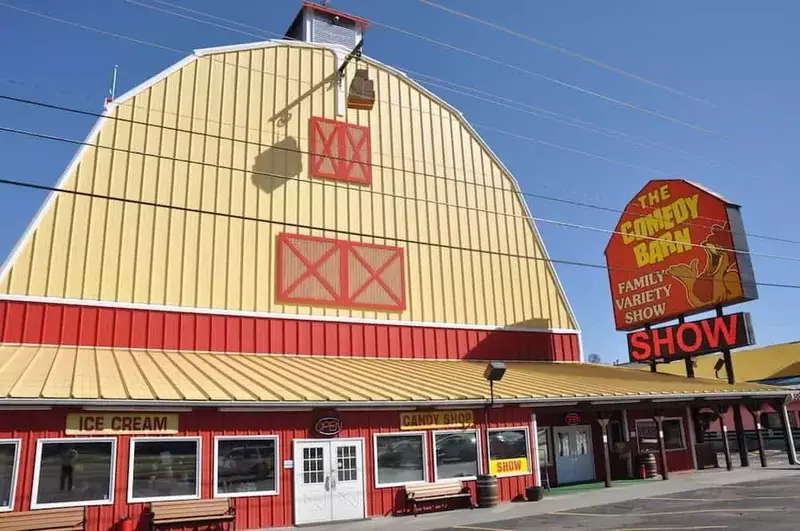
One of the most popular <b>shows in Pigeon Forge</b> has a few surprises in mind for guests in the upcoming 2014 season. The Comedy Barn Theater has recently completed exciting new renovations that they are excited to debut to visitors.
Big Changes at The Comedy Barn Theater in Pigeon ForgePlan the Perfect Smoky Mountain Valentine’s Day Celebration
Valentine’s Day is just around the corner, but that doesn’t mean that it’s too late to plan the perfect romantic weekend getaway for your special someone. At Timber Tops Luxury Cabin Rentals we want our guests to experience the most memorable Valentine’s Day possible, so we have put together a few simple tips to help couples enjoy their time together in the Smoky Mountains.
Plan the Perfect Smoky Mountain Valentine’s Day CelebrationTop 4 ‘Must Do’ Things To Do in Pigeon Forge

Pigeon Forge is filled with tons of fun and exciting things to do, but there are a few that really stand out among the rest. Make your next <a href="/blog/5-tips-planning-perfect-smoky-mountain-cabin-vacation/">family vacation</a> to the Smokies just a little bit better by adding a couple of these ‘must do’ activities to your itinerary.
Top 4 ‘Must Do’ Things To Do in Pigeon Forge4 Things To Remember When Planning the Perfect Smoky Mountain Wedding

Every bride deserves a dream wedding, and to make sure that brides choosing to get married in the Smokies enjoy this special day, we at Timber Tops Luxury Cabin Rentals have put together a few tips on how to plan the perfect <b>Smoky Mountain wedding</b>.
4 Things To Remember When Planning the Perfect Smoky Mountain Wedding3 Perks of Staying in a Gatlinburg Cabins With An Outdoor Firepit
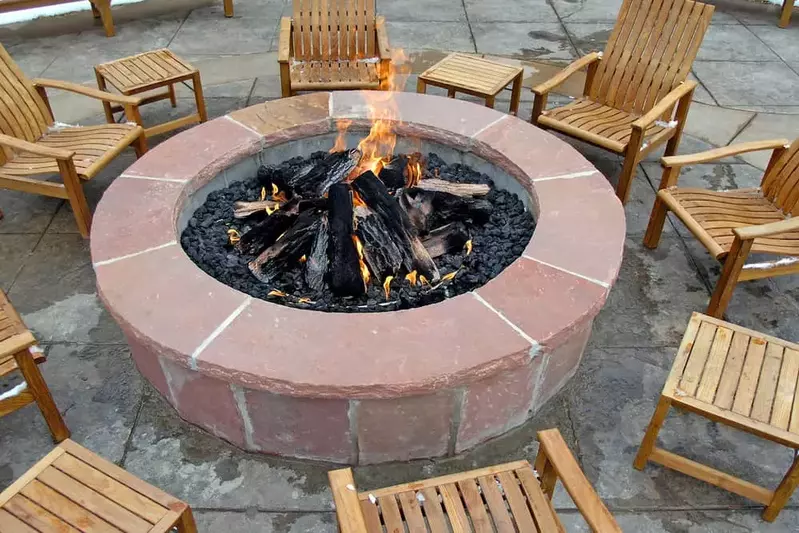
We can’t stress enough how relaxing and enjoyable a vacation inside a spacious <a href="/blog/3-things-wouldnt-expect-find-gatlinburg/">Gatlinburg cabin rental</a> really is. However, for guests wanting to take their rest and relaxation to the next level, we at Timber Tops Luxury Cabin Rentals suggests visitors consider one of our cabins that come equipped with an outdoor fire pit to host their next vacation in the Smokies.
3 Perks of Staying in a Gatlinburg Cabins With An Outdoor Firepit3 Things You Wouldn’t Expect To Find in Gatlinburg

When you think about Gatlinburg and the Smoky Mountains, it is easy to just think about pretty views and relaxing <a href="/cabin-rentals/gatlinburg-cabins/">Gatlinburg cabin rentals</a>, but there is so much more that this area has to offer guests and vacationers.
3 Things You Wouldn’t Expect To Find in GatlinburgBellagio Bear Cabin in Pigeon Forge: Where Vegas Luxury Meets Smoky Mountain Charm
The true definition of “work hard, play hard,” the Bellagio Bear cabin rental in Pigeon Forge is the ultimate in Smoky Mountain luxury. Offering five bedrooms and five and a half baths, there is no more luxurious or relaxing cabin rental for you and your family to enjoy spending time together this vacation than inside the Bellagio Bear Cabin.
Bellagio Bear Cabin in Pigeon Forge: Where Vegas Luxury Meets Smoky Mountain Charm5 Tips on Planning the Perfect Smoky Mountain Cabin Vacation

What’s special about the Smoky Mountains is that no matter what time of year you visit, you know you and your family are always going to have a beautiful and relaxing experience. And to help families continue the tradition of perfect family vacations to the Smokies, we at Timber Tops Luxury Cabin Rentals have put together 5 simple tips to ensure that this year’s <a href="/cabin-rentals/">Smoky Mountain cabin vacation</a> is one to remember for years to come.
5 Tips on Planning the Perfect Smoky Mountain Cabin Vacation4 Fun Things to do in Cades Cove This Winter
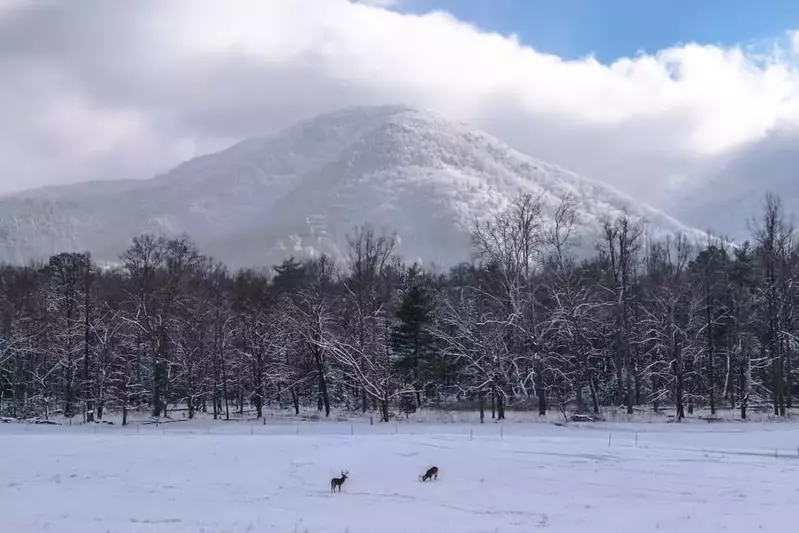
No matter what time of year it is, Cades Cove is always a beautiful place for you and your family to enjoy the great outdoors of the Smoky Mountains. However, just in case you and your family are having trouble deciding what out of the many fun <b>things to do in Cades Cove</b> this winter, we at Timber Tops have put together a list of the top 4 activities every member of your family is sure to enjoy.
4 Fun Things to do in Cades Cove This WinterOber Gatlinburg Ski Resort Celebrates 29th Annual Smoky Mountain Olympic Games
Coming up in just a few short weeks, <a href="/blog/ober-gatlinburg-bear-exhibit/">Ober Gatlinburg Ski Resort</a> will celebrate the second of two big anniversaries for the Gatlinburg attraction. In 2013 Ober Gatlinburg celebrated it’s 50th birthday as being the first and only ski resort in Tennessee. Adding to the excitement, the snowy attraction will once again be the host of the Special Olympics Tennessee Winter Games.
Ober Gatlinburg Ski Resort Celebrates 29th Annual Smoky Mountain Olympic GamesOur Gatlinburg Cabin Is ‘As Good As It Gets’
Congratulations! You and your loved one have survived the holidays, and 2014 is already off to a great start. Why not celebrate life’s little successes by taking a relaxing romantic Gatlinburg vacation this weekend? And at <a href="/blog/2013-certificate-excellence-award/">Timber Tops Luxury Cabin Rentals</a>, we have just the <b>one bedroom Gatlinburg cabin rental</b> for you!
Our Gatlinburg Cabin Is ‘As Good As It Gets’‘Saddle Up,’ Pigeon Forge
Who says it’s too late to grow up and be a cowboy/girl? Timber Tops Luxury Cabin Rentals, along with our friends with the city of Pigeon Forge, proudly invite guests who are lone rangers at heart to come and enjoy the 14th annual Saddle Up event in Pigeon Forge running February 19-23.
‘Saddle Up,’ Pigeon ForgeTimber Tops Luxury Cabin Rentals Earns Certificate of Excellence Award
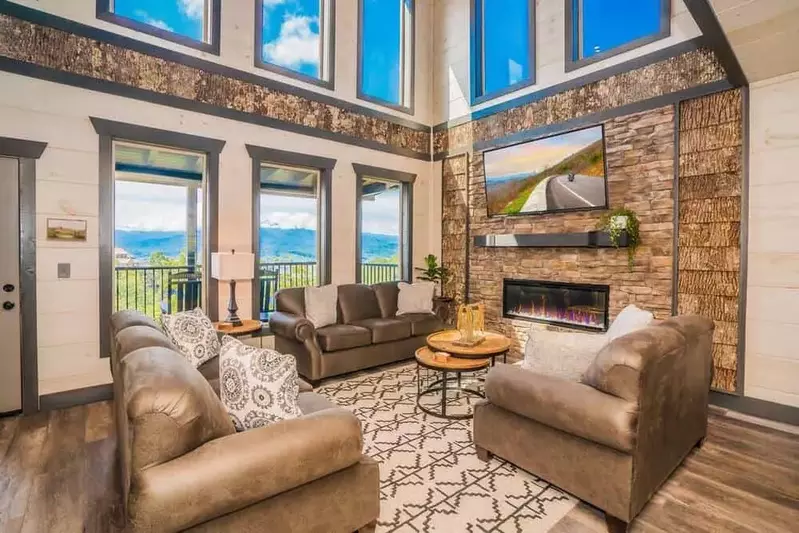
Great news! Thanks to an overwhelming amount of positive reviews from recent guests to our Pigeon Forge and <b>Gatlinburg cabins</b>, Timber Tops Luxury Cabin Rentals is proud to announce that we were awarded the 2013 Certificate of Excellence Award from TripAdvisor.
Timber Tops Luxury Cabin Rentals Earns Certificate of Excellence Award3 Things You Wouldn’t Expect To Find in a Gatlinburg Cabin
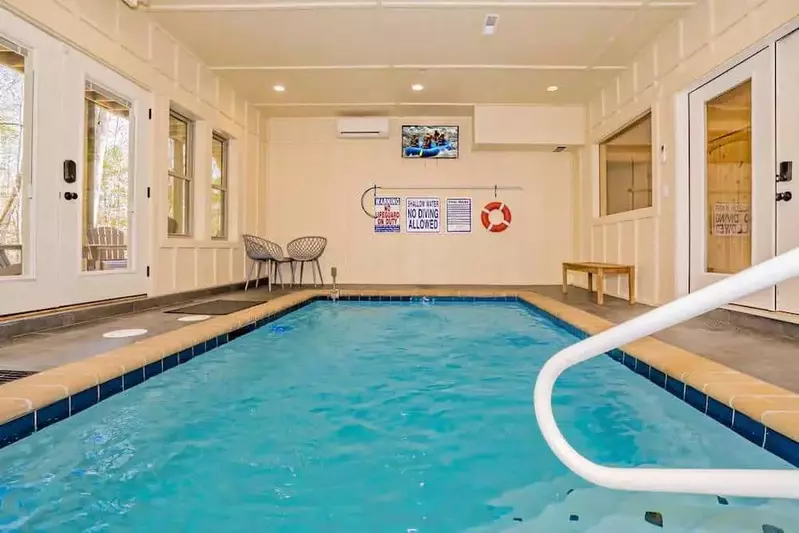
Spending a vacation tucked away in a secluded Gatlinburg cabin is one of the best ways to spend a family vacation in the Smokies. What makes these cabin rentals so exciting is with every stay there is a brand new adventure for you and your family to experience. To help guests learn more about the luxury <b>Gatlinburg cabins</b> offered by Timber Tops, we have put together a list of three things you wouldn’t expect to find in a cabin rental in the Smokies.
3 Things You Wouldn’t Expect To Find in a Gatlinburg CabinTop 3 Reasons You Should Honeymoon in the Smoky Mountains
Congratulations! All the stress and worry of planning a wedding is behind you, and all that is left is the fun and excitement of a lifetime of happiness. And what better way to kick off spending the rest of your life with your best friend than with an exciting trip to the Smokies? Timber Tops Luxury Cabin Rentals has put a list of the top three reasons couples should spend their <a href="/blog/make-the-most-of-short-honeymoon/">honeymoon in the Smoky Mountains</a>.
Top 3 Reasons You Should Honeymoon in the Smoky MountainsTop 3 Reasons To Stay in A Smoky Mountain Cabin Rental
Trying to find the perfect place for you and your family to unwind on your next family vacation to the Smokies? Look no further than one of the spacious <a href="/cabin-rentals/2-bedroom-cabins/">Smoky Mountain cabin rentals</a> offered by Timber Tops Luxury Cabin Rentals. Why you ask? Read our top three reasons below to see for yourself!
Top 3 Reasons To Stay in A Smoky Mountain Cabin RentalTitanic Museum in Pigeon Forge Invites Guests To A Historical Evening
The <a href="/blog/titanic-museum-pigeon-forge-opens-new-unsinkable-molly-brown-exhibit/">Titanic Museum in Pigeon Forge</a> invites visitors to come enjoy a special evening with Pigeon Forge attraction co-owner and RMS Titanic historian John Joslyn. On January 31, guests will enjoy a delicious meal as Joslyn recounts stories from his crews iconic 33 dives to the remains of the infamous ship.
Titanic Museum in Pigeon Forge Invites Guests To A Historical EveningWelcome to The Timber Lodge Cabin in Pigeon Forge
Looking for the perfect place for you and your large group to spend some time together in the Smoky Mountains? Look no further than the <a href="/cabin-rental/timber-lodge/" title="Timber Lodge">Timber Lodge</a> <b> cabin in Pigeon Forge</b>. Featuring 15 spacious bedrooms, 18 private baths, and breathtaking mountain views, there is no better place for your church group, family reunion or business retreat to relax in the heart of the Smoky Mountains than at the Timber Lodge.
Welcome to The Timber Lodge Cabin in Pigeon ForgeTitanic Museum in Pigeon Forge Opens New ‘Unsinkable Molly Brown’ Exhibit
The <a href="/blog/titanic-holiday-things-to-do-in-pigeon-forge/">Titanic Museum in Pigeon Forge</a> is proud to invite guests to come and experience their brand new exhibit. In honor of the extraordinary life of Margaret “Unsinkable” Brown, the new collection will consist of never before seen private artifacts and papers.
Titanic Museum in Pigeon Forge Opens New ‘Unsinkable Molly Brown’ ExhibitPigeon Forge Event Creates Fun and Excitement One Stitch At A Time
A Mountain QuiltFest is returning to the Smokies to C-E-L-E-B-R-A-T-E their 20th year! The much-anticipated <b>Pigeon Forge event</b> is a weekend-long celebration of everything quilts including lectures, classes, demonstrations, competitions, sales and more.
Pigeon Forge Event Creates Fun and Excitement One Stitch At A TimeMark Your Calendars! Santa-Themed Gatlinburg Event To Return in 2014

Just because the presents have all be unwrapped, and you have started taking the decorations off the tree, doesn’t mean that it’s time to say goodbye to jolly ol’ Saint Nick! Visitors are residents of <a href="/area-resources/gatlinburg-tn/">Gatlinburg</a> and gearing up for another fun and exciting Santa ClausFest to be held in March. Proudly welcoming up to 350 Santa Claus variations, this year’s ClausFest is sure to be one to remember.
Mark Your Calendars! Santa-Themed Gatlinburg Event To Return in 2014Make the Most of a Short Honeymoon in a Luxury Cabin
For couples planning a honeymoon, sometimes short and sweet are all you need. As exciting as getting married is, <a href="/blog/cabins-in-gatlinburg-with-an-easy-drive-lead-to-fun/">getting away</a> to a Gatlinburg honeymoon cabin is just what couples want after long hours planning. Timber Tops Luxury Cabin Rentals wants couples to make the most of their shorter honeymoon by creating romantic cabin retreats you’ll never forget.
Make the Most of a Short Honeymoon in a Luxury CabinBridal Event Helps Couples Plan the Perfect Smoky Mountain Wedding
Planning for a wedding can be one of the most exciting times for any couples. Deciding the colors, flower arrangements, dress designs, all to make sure that your special day is one to remember for a life time. Timber Tops Luxury Cabin Rentals is inviting brides and couples to plan their special day with them at the exciting East Tennessee Brides’ Bridal Spectacular!
Bridal Event Helps Couples Plan the Perfect Smoky Mountain WeddingCabins in Gatlinburg with an Easy Drive Prove All Roads Lead to Fun
The Smoky Mountains are known for winding roads and breathtaking views, but, at Timber Tops Luxury Cabin Rentals, we know that all roads lead to fun in the Smokies. If you’re ready to take a winter break, we have cabins in Gatlinburg with an easy drive just calling your name. Near <a href="/blog/smoky-mountains-event-returns-another-wild-year/">attractions and excitement</a>, Timber Tops’ cabins have you covered with tons of fun in the Smoky Mountains.
Cabins in Gatlinburg with an Easy Drive Prove All Roads Lead to FunCountry Tonite Theater in Pigeon Forge Promises Guests A Toe-Tappin’ New Year’s Celebration
Come one, come all, to the exciting New Year’s Eve celebration at the Country Tonite <b>Theater in Pigeon Forge</b>. Showcasing the incredible musical and dancing talent of their fantastic cast, the Pigeon Forge attraction is hosting not one but two fun-filled performances to ring in the new year.
Country Tonite Theater in Pigeon Forge Promises Guests A Toe-Tappin’ New Year’s CelebrationGatlinburg Waves Goodbye to 2013 With 26th Annual New Year’s Eve Celebration

You and your family can start 2014 off in style by <a href="/blog/kid-friendly-new-years-eve/" title="celebrating New Year’s Eve">celebrating New Year’s Eve</a> at the 26th annual Gatlinburg Ball Drop and Fireworks Show. Held at the base of the Gatlinburg Space Needle, this exciting <b>Gatlinburg event</b> is sure to be one you and your family will not soon forget.
Gatlinburg Waves Goodbye to 2013 With 26th Annual New Year’s Eve CelebrationCelebrate New Year’s Eve With Three Jimmy’s Restaurant in Gatlinburg
Featuring good food, good music, and good times, Three Jimmy’s <b>restaurant in Gatlinburg</b> is inviting guests to ring in the new year with them with their exciting <a href="/blog/kid-friendly-new-years-eve/">New Year’s Eve celebration</a>.
Celebrate New Year’s Eve With Three Jimmy’s Restaurant in GatlinburgConventionSouth Magazine Names Sevierville ‘Top Cool Spot’
Planning a meeting this summer? Look no further than our very own <b>Sevierville TN</b>. ConventionSouth, an industry leader in <a href="/blog/large-cabins-allow-groups-sleep-tight-roof/">large group</a> and meeting planning information, has recently named our very own Smoky Mountain town as the number one Top Cool Spot to host a summer meeting.
ConventionSouth Magazine Names Sevierville ‘Top Cool Spot’Celebrate New Year’s Eve at The Island in Pigeon Forge
What better way to say hello to 2014 than by treating you and your loved ones to the unbeatable experience of the New Year’s Eve celebration at The Island in Pigeon Forge. One of the newest attractions in Pigeon Forge, The Island is proud to invite guests to ring in the new year with a special midnight ball drop and fireworks show, live musical entertainment, tons of family-friendly fun, and a grand opening of the <strong>Pigeon Forge attraction</strong>’s $3 million Las Vegas-style water fountains in action. Open to guests of all ages, this special New Year’s event is definitely one you and your family will not want to miss!
Celebrate New Year’s Eve at The Island in Pigeon ForgeLast Minute Packing Tips For Your Next Smoky Mountain Cabin Vacation
Even with all the planning time in the world there is always one or two last minute items you will want to grab before you and your family begin your next exciting <strong>Smoky Mountain cabin</strong> vacation. Whether it is a pack or two of paper plates to avoid having to wash dishes, or picking up an extra pen or pencil, these last minute <a href="/blog/pack-perfect-smoky-mountain-vacation/">packing tips</a> will ensure you and your family have everything you need during your stay in the Smokies.
Last Minute Packing Tips For Your Next Smoky Mountain Cabin VacationTips for Traveling with a Toddler
Toddlers are the most fun to travel with because they have a knack for making new things seem fascinating. Now that your little one has entered toddlerhood, there is a whole new set of challenges while traveling with them. For young families planning to visit the Smokies to visit attractions and <a href="/blog/3-christmas-shows-in-smokies/">see family shows</a>, Timber Tops has some tips to make traveling with a toddler more manageable.
Tips for Traveling with a ToddlerShadrack’s Smoky Mountain Christmas Show Illuminates Holiday Spirit

The Smoky Mountains are well known for their annual <a href="/blog/pigeon-forge-trolley-tour-of-lights/">magical light shows</a> and stunning Christmas displays, and this year is no different. Families looking to experience the breathtaking holiday lights for themselves will be pleased to visit Shadrack’s <strong>Smoky Mountain Christmas</strong> show at Smokies’ Stadium in Sevierville.
Shadrack’s Smoky Mountain Christmas Show Illuminates Holiday SpiritSmoky Mountains Event Returns For Another Wild Year
Come one, come all to the 2014 Wilderness Wildlife Week event in the Smoky Mountains! One of the most highly anticipated Smoky Mountains events, Wilderness Wildlife Week is a great way for friends and families to spend a week together learning about the vast and rich history of the Great Smoky Mountains National Park.
Smoky Mountains Event Returns For Another Wild YearHow to Have a Kid-Friendly New Year’s Eve

Rather than bundling up and going out to celebrate the New Year, why don’t you and your family stay in and create new traditions? The Smokies have a ton of fun New Year’s Eve activities, but, for those who would rather stay in with the family to ring in 2014, a New Year’s Eve cabin in Gatlinburg is the perfect way to celebrate together. If you do want to stay in as a family, Timber Tops Luxury Cabin Rentals has put together ways to plan easy and <a href="/blog/attractions-in-gatlinburg-for-kids/">kid-friendly activities</a> for New Year’s Eve.
How to Have a Kid-Friendly New Year’s EveEnjoy a Romantic Post-Christmas Getaway
Why not get away from everything and spend a weekend with the one you love in the comforts of a cabin? Now that the holidays are in full swing, family time is the center of all the celebrations. After spending time with third cousins, aunts and grandparents, quality time to relax and rejuvenate can be a good way to end an exciting and fulfilling year. A couple’s getaway to one of the romantic cabins in Gatlinburg sounds like the perfect way to <a href="/blog/unwind-cabins-view-gatlinburg/">close out the holiday season</a>.
Enjoy a Romantic Post-Christmas GetawayWays to Save Money on Vacation
After spending money on Thanksgiving and preparing for Christmas, vacationing can be a challenge this time of year. For those who want to <a href="/blog/pack-perfect-smoky-mountain-vacation/">pack up for a winter trip</a> but worry about money, Timber Tops Luxury Cabin Rentals has tips for ways to save money in Pigeon Forge. Here are our four ways to save when you visit the Smoky Mountains.
Ways to Save Money on VacationThree Rainy Day Family Activities
Have outdoor plans that were suddenly stopped because of a rainy day? Although you can’t enjoy the outdoors as you wanted to on a wet day, you can still make the best of a Smoky Mountain vacation because there are plenty of <a href="/blog/4-fun-things-gatlinburg-cabin-snowy-day/">indoor things to do</a> in Pigeon Forge the whole family can enjoy. Here are our top three activities for a rainy vacation day.
Three Rainy Day Family ActivitiesTitanic Gives Things to Do in Pigeon Forge a Historic Holiday Twist

An enchanted wonderland of times gone by is the center of a popular attraction in Pigeon Forge. The Titanic Christmas Winter Wonderland has a new take on Christmas past, honoring the 2,208 passengers and crew of the ship. As one of the best <a href="/blog/attractions-in-gatlinburg-for-kids/">things to do in Pigeon Forge</a> this holiday season, the Titanic has fun and learning for everyone.
Titanic Gives Things to Do in Pigeon Forge a Historic Holiday TwistMake Your Cabin One of the Best Places to Eat in Gatlinburg
Fun family meals can be a challenge in the hustle and bustle of everyday life. Just getting everyone to work, practice and bed is hard. When you choose to stay at a <b>cabin in Gatlinburg</b>, you have time to spend in the kitchen as a family. We think cabins are some of the best places to eat in Gatlinburg because you can enjoy the scenery and prepare the foods you like. To help you plan, we at Timber Tops have some fun cabin food ideas to get the kids and your significant other involved in the kitchen during your <a href="/blog/5-reasons-to-stay/">Smoky Mountain trip</a> this winter.
Make Your Cabin One of the Best Places to Eat in GatlinburgTop 3 Attractions in Gatlinburg For Kids
Planning the ultimate Smoky Mountain vacation this holiday season for you and your loved ones to enjoy? To help families make sure that they get the most out of their family vacation, we at Timber Tops Luxury Cabin Rentals have put together a list of the top three <b>attractions in Gatlinburg</b> that are perfect for families <a href="/blog/are-we-there-yet/">traveling with children</a>. You can spend the day testing your mini golf skills, be mesmerized by an exciting mentalist or win the ultimate prize all inside one of the most exciting towns in the Smokies.
Top 3 Attractions in Gatlinburg For Kids5 Reasons to Stay at Timber Tops This Winter
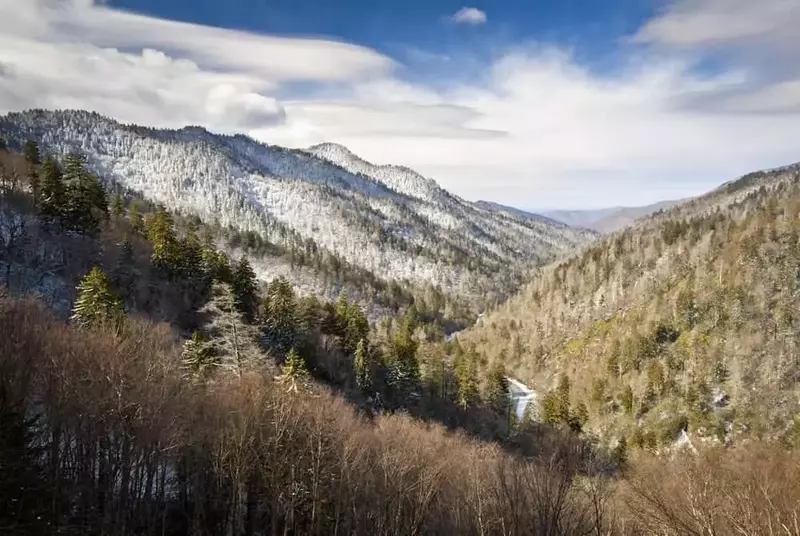
Are you trying to find the perfect place to stay during your Smoky Mountain vacation? Look no further. There’s no better place for a family vacation than a cabin in the Smokies! There’s room to spread out and unwind, and you have space to make yourself at home. Not only do they range in size from one to fifteen bedrooms, our cabins include resort quality amenities without needing to leave the comfort of the cabin. Check out these top 5 reasons to choose a cabin in Pigeon Forge for your winter vacation to the Smoky Mountains.
5 Reasons to Stay at Timber Tops This WinterPigeon Forge Cabins With Arcade Games Give Any Vacation A High Score
When the weather outside is frightful, and the fire is so delightful, there is really only one place to go: inside one of Timber Tops spacious <a href="/cabin-rental/a-view-to-remember-10/">Pigeon Forge cabin rentals</a>. Filled with tons of exciting entertainment options, these spacious <strong>Pigeon Forge cabins with arcade games</strong>are the perfect place for you and your family to spend some time together this holiday season.
Pigeon Forge Cabins With Arcade Games Give Any Vacation A High ScoreWinter Cabin Treats for the Whole Family
Winter has arrived in the Smoky Mountains, and snow is soon on its way. Just because cold weather has arrived doesn’t mean we still don’t have the occasional sweet tooth here at Timber Tops Luxury Cabin Rentals. The great thing about <a href="/blog/make-next-pigeon-forge-cabin-vacation-one-remember/">vacationing in the Smoky Mountains</a> once the snow is on the ground is that you won’t need to step more than a few feet out of your <b>Smoky Mountain cabin rental</b> to get your sweet tooth satisfied by making snow ice cream.
Winter Cabin Treats for the Whole FamilyChristmas Comes Early to Smoky Mountain Opry
Are you ready to experience the magic of Christmas like never before? The Smoky Mountain Opry is proud to welcome guests to their 2013 Christmas show in Pigeon Forge.
Christmas Comes Early to Smoky Mountain Opry3 Reasons to Honeymoon in the Smoky Mountains
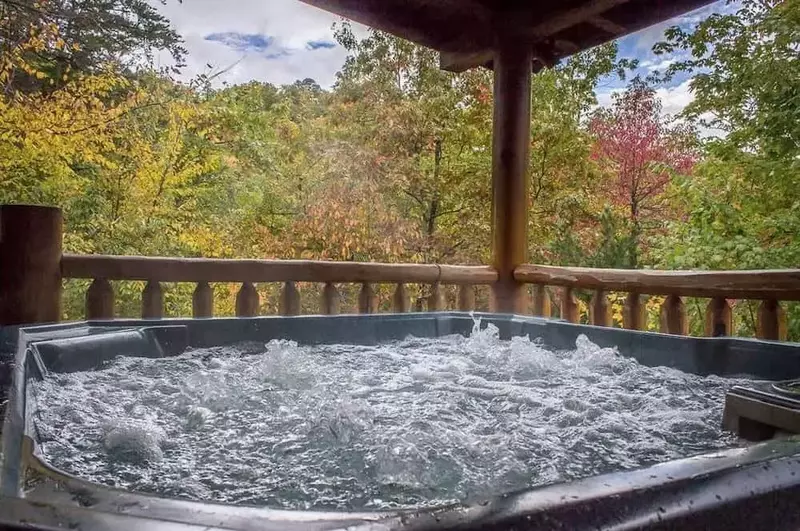
Gatlinburg and Pigeon Forge are popular honeymoon destinations in East Tennessee because of the attractions, shows, restaurants and breathtaking views. Since so many people honeymoon and vacation in the area, we’ve compiled a list of 3 reasons to plan your honeymoon in a <b>Smoky Mountain cabin rental.</b>
3 Reasons to Honeymoon in the Smoky MountainsMake Your Next Pigeon Forge Cabin Vacation One to Remember
Now that cooler weather is here to stay for awhile, guests to the Smokies may be looking for spacious cabin rentals with a few warmer amenities. Knowing this, Timber Tops Luxury Cabin Rentals is happy to introduce visitors to our fully-equipped <a href="/cabin-rentals/firepit/" title="Pigeon Forge cabins with an outdoor firepit">Pigeon Forge cabins with an outdoor fire pit</a>. Ranging in size from one to eight bedrooms, these secluded mountain hideaways create the perfect setting for you and your family to spend some times outdoors this winter while still remaining warm and cozy.
Make Your Next Pigeon Forge Cabin Vacation One to RememberHow To Make Your Smoky Mountain Vacation As Relaxing As Possible
With the stunning scenery, thrilling attractions, and spacious <a href="/blog/pigeon-forge-cabins-decorated-for-holidays/">Pigeon Forge cabin rentals</a>, it’s hard to imagine what would make a <strong>Smoky Mountain vacation</strong> more relaxing than it already is. However, guests to the Smokies will be thrilled to find the next level of relaxation is possible with Beneficial to Life Massage and Spa in Pigeon Forge. With services like Swedish massage, deep tissue massage, hot mud wrap, aromatherapy, and more, there’s no question that guests to this Pigeon Forge massage spa will leave happy and refreshed.
How To Make Your Smoky Mountain Vacation As Relaxing As PossibleWhat You Need To Know Before Winter Hiking In The Smokies
Winter <a href="/blog/3-easiest-hikes-great-smoky-mountains-national-park/">hiking in the Smokies</a> gives visitors a chance to experience the beautiful scenery like no other time of year. When the snow begins to settle atop the trees and the trail, an almost serene feeling permeates the air. Although this time of year is beautiful for avid hikers, there are still many safety tips to keep in mind before blazing the trail for an exciting day!
What You Need To Know Before Winter Hiking In The SmokiesPigeon Forge Cabins Create the Perfect Home Away From Home For the Holidays
Imagine, you and your loved ones are spending an evening together in front of a roaring fire. You are all tucked away and cozy with a warm blanket. Maybe your kids are playing their favorite board game on the coffee table, or you are lost in imagination inside your favorite book.
Pigeon Forge Cabins Create the Perfect Home Away From Home For the HolidaysWho is Jim Gray? Meet the Iconic Smoky Mountains Artist
An Alabama native, Jim Gray got his start drawing at the young age of 16 by working as an illustrator for an ad agency. From there he went on to serve in the United States Air Force where he spent the end of his term as a technical illustrator. Upon returning home from the Air Force, Gray combined his skill of art with his previous knowledge in the advertising industry to help start his own company. Business was booming, but Gray’s passion for drawing and creating pulled him away from the advertising world, and toward a family vacation to the <a href="/blog/gatlinburg-arts-crafts-community-celebrates-75-years-smoky-mountain-inspiration/">Great Smoky Mountains National Park</a>.
Who is Jim Gray? Meet the Iconic Smoky Mountains ArtistPigeon Forge Trolley Takes Guests on Illuminated Adventure
Come, be our guests to the 2013 Trolley Tour of Lights in Pigeon Forge, TN. Taking guests on a guided tour of the more than 5 millions lights that are decorating the city for the annual <a href="/blog/winterfest-brings-winter-magic-smokies/">Winterfest celebration</a>, these special trolley tours are the perfect way to experience the true magic of the Smoky Mountains around Christmas time.
Pigeon Forge Trolley Takes Guests on Illuminated AdventureHow To Pack For The Perfect Smoky Mountain Vacation

Nothing beats a fun and exciting <b>Smoky Mountain vacation</b> when you are surrounded by the ones you love. With tons of attractions, shows, shopping, restaurants and breath-taking views, there is no question as to why over 9 million friends and families decide to visit the area every year.
How To Pack For The Perfect Smoky Mountain VacationTravel to Tokyo Without Leaving the Smoky Mountains
Offering one of the best hibachi and sushi menus in town, Little Tokyo is one of the most well-known <b>Pigeon Forge restaurants</b>. Showcasing fresh ingredients, fast and friendly service, and true culinary skill, guests to Little Tokyo are sure to quickly fall in love.
Travel to Tokyo Without Leaving the Smoky MountainsWinter Magic Tunes and Tales Returns to Downtown Gatlinburg
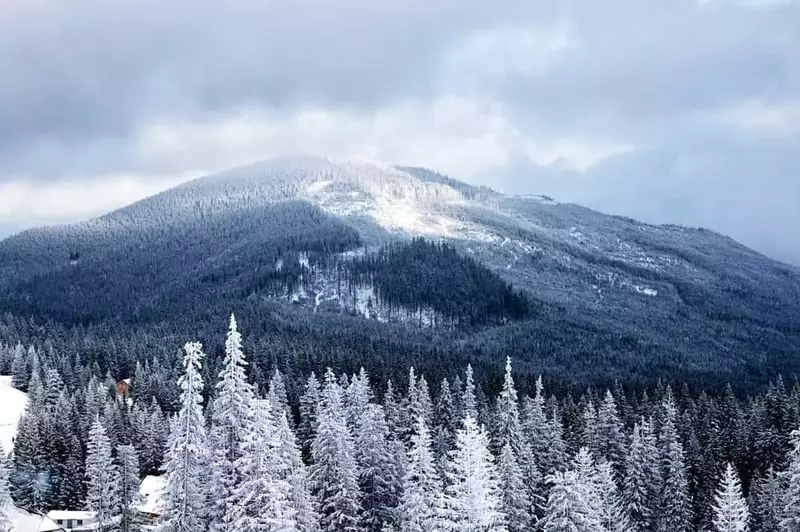
Christmas is in the air inside one of the Smoky Mountain’s most magical cities this season! Visitors to downtown Gatlinburg will soon be able to step back in time with this year’s Winter Magic Tunes and Tales.
Winter Magic Tunes and Tales Returns to Downtown GatlinburgDinner Cooking Made Easy With Chef Ray And The Fruitful Vintage

Looking for a unique way to enjoy a delicious meal in your <b>Gatlinburg cabin</b>? We would like to introduce you to the Smoky Mountain’s own personal chef service the <a href="https://www.fruitfulvintagechef.com/" title="Fruitful Vintage" target="_blank">Fruitful Vintage</a>. Lead by Chef Ray Bordelon, this indulgent service is the perfect addition to any romantic or special Smoky Mountain vacation.
Dinner Cooking Made Easy With Chef Ray And The Fruitful VintageGatlinburg Arts and Crafts Community Celebrates Over 75 Years of Smoky Mountain Inspiration
In 1937 a band of talented crafters calling the Smoky Mountains home joined together to create The Great Smoky Arts and Crafts Community. Wanting to stay as close as possible to the area where both their tools and inspiration came from, the collection of crafters settled down on what is now called The Glades, and set up shop.
Gatlinburg Arts and Crafts Community Celebrates Over 75 Years of Smoky Mountain InspirationGatlinburg Event Turns Up The Heat This Winter
Calling all chili fans, the 24th annual Winter Magic and Chili Cook Off is just around the corner. Showcasing the chili cooking skills from several area restaurants, attractions, civic groups and more, this year’s <b>Gatlinburg event</b> is sure to stir up something good!
Gatlinburg Event Turns Up The Heat This WinterThe Most Thrilling Theater in Gatlinburg Now Open
Experience a trip to the movies like never before! Ripley’s 5D Moving <b>Theater in Gatlinburg</b> plays on all five of guests’ senses to bring them the ultimate and thrilling movie going experience.
The Most Thrilling Theater in Gatlinburg Now OpenDelectable Dinner in Downtown Gatlinburg

Bringing a “New Orleans approach” to the Smoky Mountains, Blaine’s Grill & Bar serves American fare that really sticks to your ribs. Located minutes away from our cabins in Gatlinburg, this popular restaurant has an expansive menu with something for everyone.
Delectable Dinner in Downtown Gatlinburg‘Xtreme’ Thrills in Pigeon Forge
Are you ready for the ‘Xtreme’ go kart experience? Now open, the <a href="https://www.xtremeracingcenterpigeonforge.com/" title="Xtreme Racing Center" target="_blank">Xtreme Racing Center</a> brings guests the fastest go karts in Pigeon Forge! Reaching an average top speed between 30 and 40 miles per hour, these karts are sure to impress any race fan.
‘Xtreme’ Thrills in Pigeon ForgeSee The Fall Colors From The Gatlinburg Sky Lift
How would you like to see the beautiful fall colors from 1,800 feet in the air? The <a href="https://www.gatlinburgskypark.com/" title="Gatlinburg Sky Lift" target="_blank">Gatlinburg Sky Lift</a> offers stunning aerial views of the Great Smoky Mountains and the downtown area. Located right around the corner from our Gatlinburg cabins, the Sky Lift is the best way to see the region’s natural beauty.
See The Fall Colors From The Gatlinburg Sky LiftTour a Smoky Mountain Wonderland in a Pigeon Forge Trolley
It’s no secret that cooler weather brings a magical time to the Great Smoky Mountains. The leaves transform into beautiful vibrant masterpieces in the trees, and at night the area comes to life with millions of twinkling lights. Lighted displays include delicate snowflakes, welcome signs, reindeer, and everyone’s favorite characters from the famous tale Twelve Days of Christmas.
Tour a Smoky Mountain Wonderland in a Pigeon Forge TrolleyCelebrate The Holiday Season at the Country Tonite Christmas Show

As the song goes, the Christmas season really is the most wonderful time of the year. Beginning in November, you can get into the holiday spirit at the <a href="https://www.pigeonforgetnguide.com/coupons/country-tonite/" target="_blank">Country Tonite Christmas Show</a>. Running nearly every day in November and December at the Country Tonite Theater, this excellent show is just minutes away from our <strong>cabins in Pigeon Forge</strong>.
Celebrate The Holiday Season at the Country Tonite Christmas ShowBig Time Fun at the Big Top Arcade
Are you looking for an old fashioned arcade experience with a modern twist? Located minutes away from our Pigeon Forge cabins, the <a href="https://www.tripadvisor.com/Attraction_Review-g55270-d4250338-Reviews-Big_Top_Arcade-Pigeon_Forge_Tennessee.html" title="Big Top Arcade" target="_blank">Big Top Arcade</a> offers all of your favorite games and prizes. With a new paperless method of payment and prize redemption, this futuristic arcade is on the cutting edge of family entertainment.
Big Time Fun at the Big Top ArcadeExperience Thrills Like Never Before at New Pigeon Forge Attraction

The Smoky Mountain’s newest roller coaster is now open! The Smoky Mountain Alpine Coaster is the first Alpine Coaster in the United States. Opposed to other roller coasters in the area, this <b>Pigeon Forge attraction</b> uses gravity and force to navigate it’s guests around the track.
Experience Thrills Like Never Before at New Pigeon Forge AttractionGatlinburg Restaurant Brings International Flavors at a Domestic Price
Let your taste buds run free this vacation, and swing by The <a href="https://www.foxandparrottavern.com/" title="Fox and Parrot Tavern" target="_blank">Fox and Parrot Tavern</a> in Gatlinburg, TN. Styled after the famous pubs in Great Britain, this Gatlinburg restaurant brings guests a special European adventure in the heart of the Smoky Mountains.
Gatlinburg Restaurant Brings International Flavors at a Domestic PriceThe Maples’ Tree: A Blanket of Memories
With colder weather just around the corner, nothing says a warm and comfortable night sleep quite like a cozy quilt. Whether you are looking for a toasty winter replacement comforter, or a nice seasonal throw, guests to<a href="https://donnasharpquilts.maplestree.com/" title="The Maples' Tree" target="_blank" >The Maples’ Tree</a> <b>shop in Gatlinburg</b> are sure to find something they love.
The Maples’ Tree: A Blanket of MemoriesMade Fresh Daily: Gigi’s Cupcakes in Pigeon Forge
Have a craving for something sweet? There’s a cupcake for that. <a href="https://gigiscupcakesusa.com/" title="Gigi's Cupcakes in Pigeon Forge" target="_blank">Gigi’s Cupcakes in Pigeon Forge</a> offers guests delicious cupcakes that are made fresh daily.
Made Fresh Daily: Gigi’s Cupcakes in Pigeon ForgeRipley’s Fright Nights: A Hauntingly Good Gatlinburg Event
Throughout the year, the staff at <a href="https://www.ripleys.com/gatlinburg/ripleys-haunted-adventure/" target="_blank">Ripley’s Haunted Adventure</a> in Gatlinburg promise to bring a hauntingly good time to all who visit. For the month of October, in honor of Halloween, the spooky crew has decided to turn up the notch a bit to bring guests the 15th annual Ripley’s Fright Nights. With a New Orleans twist, this year’s <strong>Gatlinburg event</strong> is sure to create a thrilling adventure for all who are brave enough to visit.
Ripley’s Fright Nights: A Hauntingly Good Gatlinburg EventBuie Pottery, A ‘Must Visit’ Gatlinburg Shop

The perfect combination of art and functionality, the handcrafted stone and pottery pieces at Buie Pottery <a href="https://www.buiepottery.com/" title="shop in Gatlinburg" target="_blank">shop in Gatlinburg</a> is a must visit for any Smoky Mountain vacationer. Whether you are looking to buy a special gift, or want something new for your home, Buie’s Pottery is the perfect shop for you!
Buie Pottery, A ‘Must Visit’ Gatlinburg ShopNo Way Jose’s Cantina: The Ultimate Pigeon Forge Fiesta
Not your average Mexican cantina, the <a href="https://nowayjosescantina.com/" title="No Way Jose's in Pigeon Forge" target="_blank">No Way Jose’s in Pigeon Forge</a> is one of the highest rated mexican restaurants in the Smoky Mountains. Every meal at this <b>Pigeon Forge restaurant</b> begin with fresh, made in house salsa with warm crunchy tortilla chips. From there guests can choose from one of No Way Jose’s mouth-watering entrees like their sizzling fajitas or over-stuffed fajitas.
No Way Jose’s Cantina: The Ultimate Pigeon Forge FiestaFall into Autumn with Dollywood’s Harvest Festival
Fall is one of the most beautiful times of year in the <a href="/area-resources/history-great-smoky-mountains/">Great Smoky Mountains</a>. The air begins to carry a slight chill, the sun hangs a bit lower in the sky, and the trees come to life with vibrantly colored leaves.
Fall into Autumn with Dollywood’s Harvest FestivalExplore Forbidden Caverns in the Smokies
Legend tells of a Native American princess living in what is now East Tennessee, who was lost in a “hollow mountain of two streams”, a dark cavern “which is forbidden”. Today, visitors can explore the mysterious caves that were so feared hundreds of years ago. Located right around the corner from our Pigeon Forge cabins, Forbidden Caverns is a one of a kind attraction located under the Great Smoky Mountains.
Explore Forbidden Caverns in the SmokiesThe Ultimate Laser Tag Attraction in Pigeon Forge
Welcome to the largest laser tag arena in the Smokies! With two arenas over 7,000 square feet, <a href="https://www.lazerportfuncenter.com/index.html" title="LazerPort Fun Center in Pigeon Forge" target="_blank">LazerPort Fun Center in Pigeon Forge</a>, TN is by far one of the best places for families to bring their children for a fun-filled experience.
The Ultimate Laser Tag Attraction in Pigeon ForgeThe Scariest History Lesson in Gatlinburg
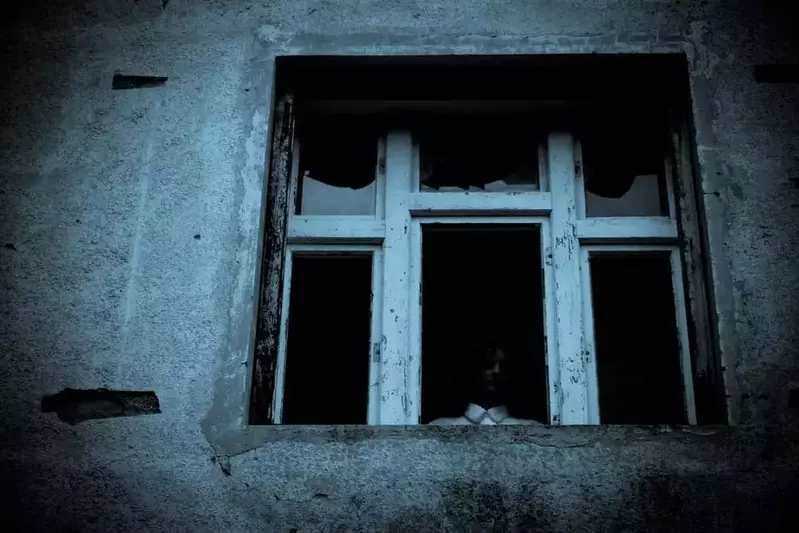
Your evening stroll just got a lot spookier with the <a href="https://www.ghostwalkofgatlinburg.com/" title="Ghost Walk of Gatlinburg" target="_blank">Ghost Walk of Gatlinburg</a>. More than just your regular run of the mill haunted house tour, it is a storytelling experience.
The Scariest History Lesson in GatlinburgLarge Cabins Allow Groups to ‘Sleep Tight’ Under Same Roof
Need a place to sleep? Timber Tops Luxury Cabin Rentals is opening its doors to guests looking for the perfect Pigeon Forge or Gatlinburg cabin for large groups. Whether you are a small car full or a full bus load, Timber Tops Luxury Cabin Rentals has the perfect Smoky Mountain spot just for you!
Large Cabins Allow Groups to ‘Sleep Tight’ Under Same RoofFannie Farkle’s: Showcasing Over 30 Years of Fun in the Smokies

For over 30 years, <a href="https://fanniefarkles.com/" title="Fannie Farkle's" target="_blank">Fannie Farkle</a>‘s has provided family fun for all who visit the Gatlinburg Parkway. Best known for their exciting video games, great tasting food and good times, this <b>Gatlinburg arcade</b> is sure to create long-lasting memories for all who visit.
Fannie Farkle’s: Showcasing Over 30 Years of Fun in the SmokiesExperience Your Own ‘Cabin in the Woods’
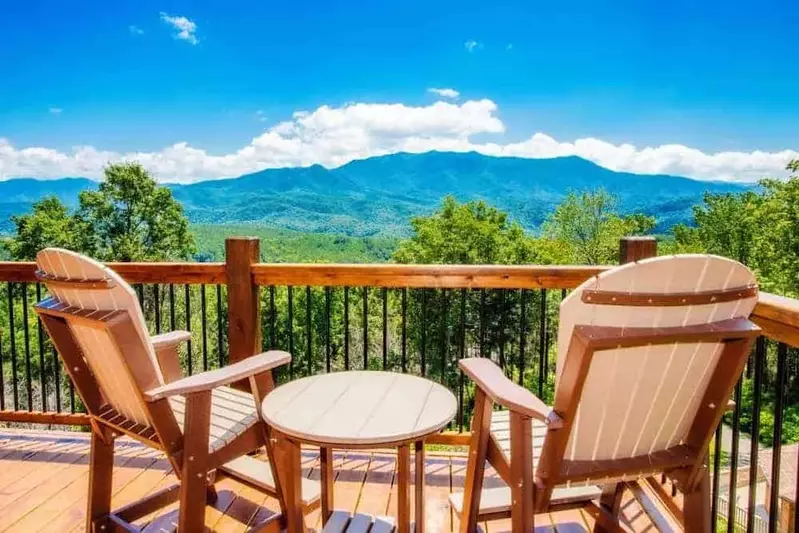
Looking for the perfect Smoky Mountain hideaway for your next mountain vacation? Look no further than Timber Tops Luxury Cabin Rentals’ secluded Pigeon Forge and Gatlinburg cabins with exclusive views of the Little Pigeon River.
Experience Your Own ‘Cabin in the Woods’Downtown Gatlinburg to Get a Lot Spookier
As the air begins to cool, and the leaves begin to change colors, it is time once again for scariest season in <a href="/area-resources/gatlinburg-tn/">Gatlinburg, TN</a>. Coming in October, the fifteenth annual Gatlinburg Fright Nights will play on guests sense of sight, taste, smell and touch to bring them a hauntingly good time.
Downtown Gatlinburg to Get a Lot SpookierSmoky Mountain Fishing Made Easy
Looking to make your next fishing experience the best one yet? The friendly staff with <a href="https://www.smokymountainangler.com/" title="Smoky Mountain Angler" target="_blank">Smoky Mountain Angler</a> are prepared to do just that with their fine selection of fishing lures, rods, reels, clothes, fly boxes and more.
Smoky Mountain Fishing Made EasyTony Roma’s: Come For the Food, Stay For the Memories

Looking to celebrate a special occasion in the Smokies? Timber Tops Luxury Cabin Rentals suggests guests to check out Pigeon Forge’s own Tony Roma’s. The only one in the state, this legendary steakhouse is well known for it’s plentiful portions and great flavors.
Tony Roma’s: Come For the Food, Stay For the MemoriesTake a Tour of Musical History Inside The Grand Majestic Theater

The only one of its kind, the <b>Soul of Motown show in Pigeon Forge</b> takes guests on a musical tour of the iconic wall of sound music from the early years until now. Blending skilled choreography with fine-tuned harmony, guests are sure to experience a memorable evening inside the Grand Majestic Theater.
Take a Tour of Musical History Inside The Grand Majestic TheaterNow Serving Spaghetti Ice
Mom always said you couldn’t have ice cream for dinner, but what about spaghetti for dessert? Along with delicious house-made sauces, hand-cut fries and juicy authentic German-style bratwursts, <a href="https://www.tripadvisor.com/Restaurants-g55270-Pigeon_Forge_Tennessee.html" title="Poynor's Pommes Frites" target="_blank">Poynor’s Pommes Frites</a> brings guests a unique twist on dessert. Spaghetti ice is a German-style ice cream made to look like a plate of spaghetti when served. The noodle-like effect on the dessert comes from running the ice cream through a potato ricer, or potato press, before serving.
Now Serving Spaghetti IceOrder Up, Breakfast is Served in Pigeon Forge
No vacation in the Smoky Mountains is complete without at least one trip to one of the many delicious pancake houses that line the Pigeon Forge and Gatlinburg Parkways. There is no doubt that there are a lot to choose from, but there is one pancake <strong>restaurant in Pigeon Forge</strong> that really stands out.
Order Up, Breakfast is Served in Pigeon ForgeStargazing in the Smoky Mountains
There is nothing like stargazing in the Smoky Mountains, especially on those special nights when the sky is extremely clear. On these nights, The Smoky Mountains Astronomical Society (SMAS) and the Great Smoky Mountain National Park host “Star Parties”. These events are available to anyone who is interested in observing the spectacular night sky. The SMAS hosts star parties at four different locations, and the dates of the parties are based on moon phases. Cades Cove and the Newfound Gap Trailhead are two of the best places for stargazing in the Smokies.
Stargazing in the Smoky MountainsAre you ready for the Zorb experience?
A truly unique experience, the <a href="https://www.outdoorgravitypark.com/" title="Zorb attraction in Pigeon Forge" target="_blank">Zorb attraction in Pigeon Forge</a> is the first of it’s kind in the United States. The way it works is guests climb into one of Zorb’s ‘globes’ and are then set free to roll down their choice of track for a fun and safe experience.
Are you ready for the Zorb experience?Take a Ride on the Rebel Railroad in Pigeon Forge
Rebel Railroad was created by two brothers, and it opened for business in 1961. Little did they know, the railroad would eventually turn into the most popular <b>Pigeon Forge attraction</b>.
Take a Ride on the Rebel Railroad in Pigeon ForgeSmoky Mountains Take Visitors Back in Time
The <a href="/area-resources/history-great-smoky-mountains/#.UhPSNWSDTx4" title="Great Smoky Mountains National Park"> Great Smoky Mountains National Park </a> is located in parts of North Carolina and Tennessee. It is well-known as one of the most beautiful locations in the United States, but many don’t know that the park also has a rich history.
Smoky Mountains Take Visitors Back in TimeHow to Have a Weatherproof Smoky Mountain Vacation
Trying to plan the perfect Smoky Mountain vacation, but worried about the weather? Worry no more vacationers, Timber Tops Luxury Cabin Rentals offers guests a truly weatherproof vacation inside their Pigeon Forge and <a href="/cabin-rentals/cabin-pool/">Gatlinburg cabins with an indoor pool</a>.
How to Have a Weatherproof Smoky Mountain VacationOne Stop for a Stress-Free Smoky Mountain Vacation
With so much to see and do in <a href="/area-resources/gatlinburg-tn/">Gatlinburg</a>, you may be wondering where to go first. Luckily, the Gatlinburg Visitor Center provides a wealth of information on accommodations, restaurants and activities here in order to make your stay in our town more pleasant. When you plan to stop at the Gatlinburg Visitor Center, you can take the stress out of deciding on the best things to do on your vacation.
One Stop for a Stress-Free Smoky Mountain VacationToasting To Local Business
The <b>Apple Barn Winery</b> in Sevierville brings the farm-fresh produce visitors to Apply Barn know and love with a unique twist. Every bottle of wine sold at the winery is specially crafted from locally-grown and harvested produce, and bottled directly on site.
Toasting To Local BusinessAre We There Yet?
Every parent knows that traveling with kids can be tedious, especially when the kids are anxiously awaiting their arrival to a<a href="https://yourcabin.reservepigeonforge.com" target="_blank"> Pigeon Forge attraction</a>. To help make your next trip smooth, here are some tips on keeping kids occupied while traveling in the car.
Are We There Yet?Trolls on the Loose in the Smokies
Long ago in Scandinavia, folk tales circulated about small, gnome-like trolls that occupied small caves and forests. They were told around campfires and captured the imaginations of children. At the time, they didn’t realize these stories and magical trolls would make their way to a shop in the <a href="/blog/gatlinburg-arts-and-crafts-community/">Gatlinburg Arts and Crafts Community</a>.
Trolls on the Loose in the SmokiesHave A Ghoulish Good Time At This Ghostly Gatlinburg Attraction
If you enjoy thrills, chills and being scared out of your pants, a visit to the <a href="https://www.tripadvisor.com/Attraction_Review-g60842-d735107-Reviews-Mysterious_Mansion-Gatlinburg_Tennessee.html" title="Mysterious Mansion" target="_blank">Mysterious Mansion</a> in Gatlinburg is in order. Located on River Road, this Gatlinburg attraction is the perfect setting in which to encounter an assortment of ghosts, ghouls and other creatures in an atmosphere of darkness and delight.
Have A Ghoulish Good Time At This Ghostly Gatlinburg AttractionReach New Heights in the Smoky Mountains
Experience the <a href="/blog/gatlinburg-trail-hike/">scenic Smoky Mountains</a> like never before with Sky High Air Tours. Take a tour into yesteryear inside the aerial <strong>attraction in Sevierville</strong>’s restored 1927 Waco Model 10 biplane.
Reach New Heights in the Smoky MountainsEgyptian Artifacts Discovered in Pigeon Forge
The Tomb Egyptian Adventure takes guests out of the Smoky Mountains, and places them in the heart of Egyptian mythology. Guests enter the door’s of the Pharaoh’s tomb, and from there are faced with a series of challenges and quizzes before finding their way to the end.
Egyptian Artifacts Discovered in Pigeon ForgeSmoky Mountain Restaurants Help Families Plan Perfect Gatlinburg Picnic
Looking to add a special twist to a typically boring lunch? Timber Tops Luxury Cabin Rentals urges guests to consider planning a relaxing <strong>Gatlinburg picnic</strong>. Not only does the outdoor meal allow visitors to spend more time experiencing the scenic beauty of the Smoky Mountains, but it also offers the perfect setting for families to create long-lasting memories. To help visitors find the perfect meals to go along with their unique dining experience, Timber Tops has put together a list of the best restaurants in Pigeon Forge, Sevierville and Gatlinburg to pick up a great-tasting lunch to-go.
Smoky Mountain Restaurants Help Families Plan Perfect Gatlinburg PicnicPigeon Forge Theater Cabins Provide Perfect Smoky Mountain Movie Experience
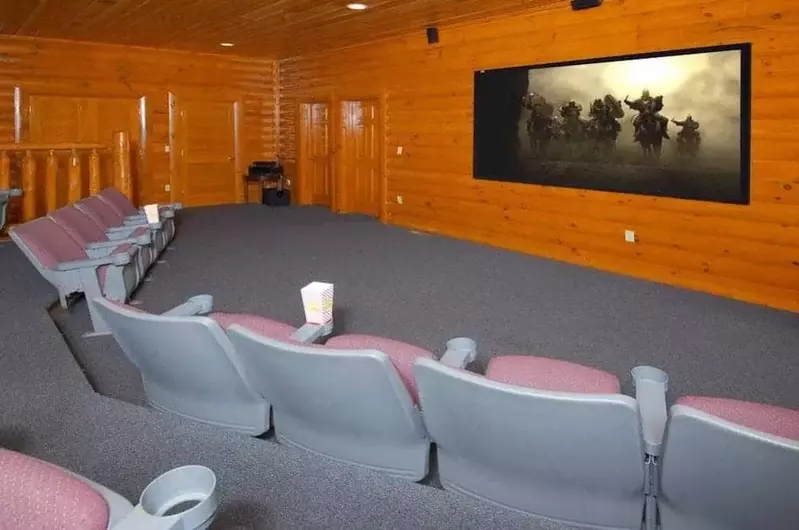
It’s no secret that summertime is known for the exciting Hollywood blockbuster hits that fill the silver screen. From action-packed to family-friendly comedy, these films give viewers the chance to escape for a few hours inside the minds of the creators. The one problem moviegoers face is the rising cost of admission.
Pigeon Forge Theater Cabins Provide Perfect Smoky Mountain Movie ExperienceBests Bars in Pigeon Forge, Gatlinburg For Football Fans
With just 30 days until it’s football time in Tennessee, fall sport fans may find themselves searching for the perfect spot to celebrate the Saturday tradition. From sidelines, to tailgates, to big screens and restaurants, there is no shortage of places for football fans to catch their favorite teams this season. For visitors wanting to combine their love of football with a vacation in the Smokies, Timber Tops Luxury Cabin Rentals has compiled a list of the best restaurants and <strong>bars in Pigeon Forge</strong> and Gatlinburg for fans to watch the game while spending time with their families and friends.
Bests Bars in Pigeon Forge, Gatlinburg For Football FansPet-Friendly Things to do in Pigeon Forge, Gatlinburg
For some visitors to the Smokies, nothing quite says ‘family vacation’ without man’s best friend being allowed to come along. That is why, one top of offering high-quality pet friendly cabins in Pigeon Forge, Timber Tops Luxury Cabin Rentals has put together a list of a few of the best pet-friendly <strong>things to do in Pigeon Forge</strong>.
Pet-Friendly Things to do in Pigeon Forge, GatlinburgFamilies Enjoy Fun, Educational Gatlinburg Trail Hike

If you’re looking for a short hike in the mountains, you may want to check out the Gatlinburg Trail. Whether you are looking for a brisk walking path to enjoy some time with your pet or a shorter hike with your family, the <strong>Gatlinburg Trail</strong> is great for you! Check out some of our tips to make sure you make the most of your experience on the trail!
Families Enjoy Fun, Educational Gatlinburg Trail HikeThe Best Place in Pigeon Forge to Avoid a Speeding Ticket
Are you looking to speed, without the hassle of a speeding ticket? This is the best place in Pigeon Forge to speed and avoid the speeding ticket. At <a href="https://www.visitmysmokies.com/attractions/the-track-smoky-mountains/" title="The Track in Pigeon Forge" target="_blank">The Track in Pigeon Forge</a>, you won’t have to worry about speeding tickets. Grab your tickets to ride and step into an afternoon of adventure! Feel free to speed along the tracks with your entire family when you visit this <strog>Pigeon Forge go kart</strong> attraction!
The Best Place in Pigeon Forge to Avoid a Speeding TicketPigeon Forge Museums Pay Tribute to Timeless Classics
Most of the fun visitors to the Smokies enjoy lies in creating new memories that last for years to come. However, another aspect of an exciting vacation in the Smokies lies in taking time to enjoy moments of the past that brought us to today. That is why below you will find three unique <strong>Pigeon Forge museums</strong> that we think does a special job in honoring these timeless memories.
Pigeon Forge Museums Pay Tribute to Timeless ClassicsTop Four Essentials When Hiking in Gatlinburg
<b>Hiking in Gatlinburg</b> and the Great Smoky Mountains is one of the most enjoyable activities visitors to the area can do. With trails ranging from easy to strenuous, it is important to keep safety as a number one priority when enjoying the scenic Smoky Mountain views. That is why we have compiled a list of the top five things visitors should remember to bring when conquering the trails of the Great Smoky Mountain National Park.
Top Four Essentials When Hiking in GatlinburgDixie Stampede in Pigeon Forge Offers Great Meal, Entertainment
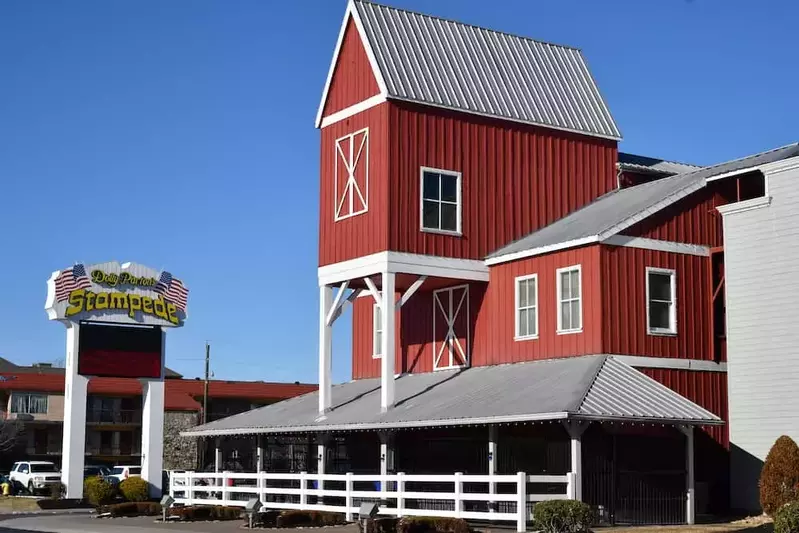
Are you looking to do something fun with the entire family on your Smoky Mountain vacation? <a href ="https://dpstampede.com/" title="Dixie Stampede in Pigeon Forge" target="_blank" >Dixie Stampede in Pigeon Forge </a> is a one-stop shop for families looking to enjoy a fantastic entertainment and a delicious country-cooked meal. So, skip the restaurants on the Parkway and reserve your seats at <strong>Dixie Stampede in Pigeon Forge</strong>!
Dixie Stampede in Pigeon Forge Offers Great Meal, EntertainmentTake a Look at Our Gatlinburg, Pigeon Forge Pet Friendly Cabins
When you are planning your stay in the Smokies, don’t plan to leave your four-legged companion at home! Having your furry friend with you will make your vacation even better! At Timber Tops Luxury Cabin Rentals, we want you to bring your pet along! This list just names a few of our beautiful Gatlinburg and <strong>Pigeon Forge pet friendly cabins</strong>, so make sure you check out our entire selection of <a href="/cabin-rentals/pet-friendly-cabins/">pet friendly accommodations</a>.
Take a Look at Our Gatlinburg, Pigeon Forge Pet Friendly CabinsBest Kid-Friendly Pizza Restaurants in Pigeon Forge, Gatlinburg
These restaurants in Pigeon Forge serve some of the best pizza in town and are great for families with children! If you are looking for a great place to dine with your entire family, look no further than these kid-friendly pizza <strong>restaurants in Pigeon Forge</strong> and Gatlinburg!
Best Kid-Friendly Pizza Restaurants in Pigeon Forge, GatlinburgDollywood: Kids Come First at Pigeon Forge Attraction
Families who travel to the Smoky Mountains usually plan a day at <a href="https://www.dollywood.com/" target="_blank">Dollywood</a>. This <strong>Pigeon Forge attraction</strong> serves millions of visitors every year. Since so many families visit the amusement park with small children, Dollywood makes it a priority to provide all of the necessary amenities for kids and parents. Make sure you take advantage of all of the conveniences Dollywood offers, so you can enjoy your day at the park!
Dollywood: Kids Come First at Pigeon Forge AttractionSmokey Mountain River Romp: Best Place For Tubing in Pigeon Forge
Less than five miles away from the Popular Pigeon Forge attraction, Dollywood, River Romp promises to bring exciting memories to every visitor. Family owned and operated, the Smokey Mountain River Romp has been entertaining guests for over 20 years.
Smokey Mountain River Romp: Best Place For Tubing in Pigeon ForgeRestaurants in Pigeon Forge Offering Unique Dining Experience
Visitors to the area will appreciate the many great tasting <b>restaurants in Gatlinburg</b> and Pigeon Forge. For families wanting to spice up their next dinner in the Smokies, Timber Tops Luxury Cabin Rentals has compiled a list of some of the most unique <strong>restaurants in Pigeon Forge</strong> and Gatlinburg.
Restaurants in Pigeon Forge Offering Unique Dining ExperienceWhat To Bring For a Day at Dollywood Splash Country
Nothing beats cooling off on a hot summer day than at <a href="https://www.dollywood.com/waterpark/" title="Dollywood Splash Country" target="_blank">Dollywood Splash Country.</a> With rides ranging from a lazy river to an exciting hydromagnetic water coaster, Families may need a little help deciding what to bring for their day in the sun.
What To Bring For a Day at Dollywood Splash CountryGatlinburg Mysterious Mansion to Help City Celebrate Fourth of July
For those of you planning on visiting the Smoky Mountains for the annual Fourth of July Gatlinburg Parade, you are in for a special treat this year. The ghosts and ghouls from the <a href="https://www.gatlinburg-attractions.com/attraction/mysterious-mansion/" title="Gatlinburg Mysterious Mansion" target="_blank">Gatlinburg Mysterious Mansion</a> are leaving the house for one night only to help the city celebrate our nation’s independence.
Gatlinburg Mysterious Mansion to Help City Celebrate Fourth of JulyHistory of the Little Greenbrier School
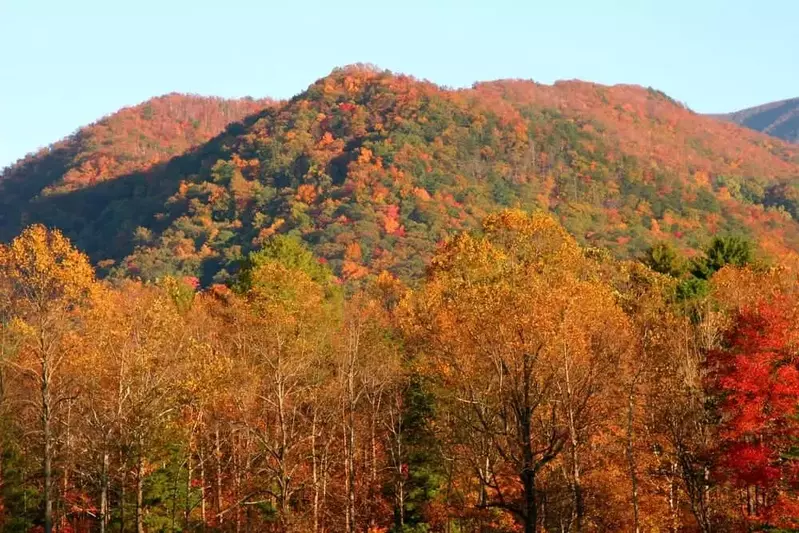
A lot has changed since the doors first opened to the Little Greenbrier School. Over 130 years ago, this building doubled as a church and school for the residents of the now ghost town of Little Greenbrier.
History of the Little Greenbrier SchoolExplore the Galleries of the Gatlinburg Arts and Crafts Community
Just three short miles from downtown Gatlinburg, visitors can enjoy many shops filled with Gatlinburg arts and crafts. In the <a href="https://greatsmokyartsandcrafts.com/" target="_blank">Gatlinburg Arts and Crafts Community</a>, they will find hundreds of items made the old-fashioned way — by hand. The independent artisans who call the community home produce ceramics, fine art, basketry, candles, wearable fashions, quilts, treats, leather crafts, woodwork, glass products, jewelry and more. Many will visit with their guests, answer questions, demonstrate their skills, and explain their love for Gatlinburg arts and crafts.
Explore the Galleries of the Gatlinburg Arts and Crafts CommunityPigeon Forge Theater Pays Tribute to Elvis and Friends

Elvis Presley, one of the greatest entertainers in history, may have left the building in 1977, but his spirit still lives on in Pigeon Forge. The memories and recordings of Elvis Presley remain strong at the Memories Theatre in Pigeon Forge. Visitors with a love for Elvis who are looking for <b>things to do in Pigeon Forge</b> should definitely reserve a seat at this <strong>Pigeon Forge theater</strong>! You will not regret the opportunity to listen to entertainers and enjoy the true spirit of Elvis!
Pigeon Forge Theater Pays Tribute to Elvis and FriendsBest Places for Whitewater Rafting in Gatlinburg, Pigeon Forge
Whitewater rafting in Gatlinburg is a favorite activity for visitors. While whitewater <strong>rafting in Gatlinburg</strong>, everyone can enjoy the majestic and breathtaking scenery as well as the amazing adventure. If you aren’t sure which place for whitewater rafting in Gatlinburg is the best for you, here are the most popular rafting adventures in Gatlinburg and Pigeon Forge.
Best Places for Whitewater Rafting in Gatlinburg, Pigeon ForgeWhat to Pack for Your Pigeon Forge Vacation

Pigeon Forge stays popular year-round, with fall and summer being the most-visited times of the year. To pack for your <strong>Pigeon Forge vacation</strong>, you won’t need anything too extreme, but these are some things to remember!
What to Pack for Your Pigeon Forge VacationSafety Tips for Avoiding Bears in the Smoky Mountains
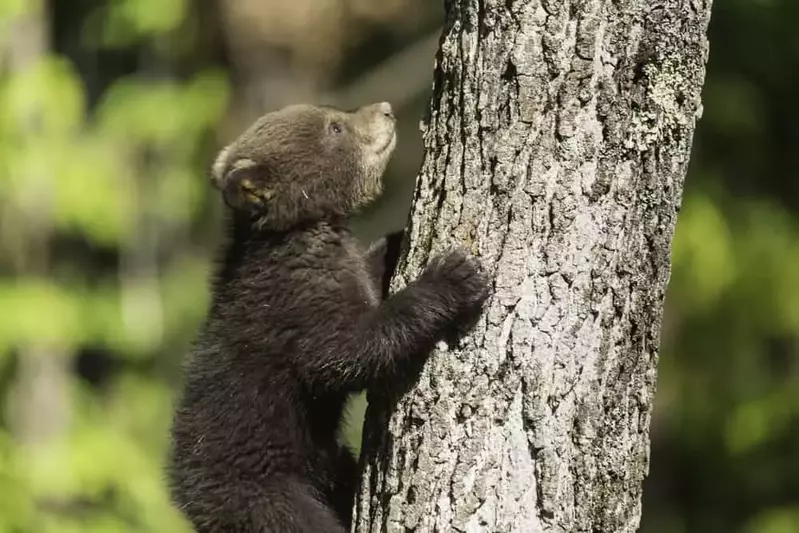
The Smoky Mountain area is one of the few places in the United States where wild black bears can be found living in their natural habitat. While this certainly adds to the appeal of those who want to observe these animals from a safe distance in the wild, it can also be dangerous for those who don’t understand <strong>bears in the Smoky Mountains</strong>. If you see black bears in the Smoky Mountains during a hike or picnic, these tips from the <a href="https://www.nps.gov/grsm/learn/nature/black-bears.htm" target="_blank">National Park Service </a> should keep your family safe.
Safety Tips for Avoiding Bears in the Smoky MountainsMust-Visit Dinner Shows in Pigeon Forge
Pigeon Forge has a number of entertaining dinner shows, most of which include the audience as participants. The enjoyable experiences at the dinner <strong>shows in Pigeon Forge</strong>will create unforgettable Smoky Mountain memories.
Must-Visit Dinner Shows in Pigeon ForgeGot Chocolate? Best Candy Shops in Pigeon Forge For Any Sweet Tooth
After settling into your Gatlinburg or <a href="//">Pigeon Forge cabin</a>, you and your family members will want to get out and explore the area. Make sure you add stopping in to one of these great candy shops in Pigeon Forge to your list of things to do. You’ll be sure to regret it if you don’t!
Got Chocolate? Best Candy Shops in Pigeon Forge For Any Sweet ToothSmoky Mountain Opry: A Must See Show in Pigeon Forge
The Smoky Mountain Opry is the biggest and best variety <strong>show in the Pigeon Forge</strong>, TN area. Folks from all over the region drive to see the show. For visitors to the area, there are many different shows from which to choose. However, most of them are solely bluegrass and country music shows. Many people love to attend the Smoky Mountain Opry because it is more than just country music.
Smoky Mountain Opry: A Must See Show in Pigeon ForgeTop Five Most Unique Museum Attractions in Pigeon Forge, Gatlinburg
The only one in the world. The <a href="https://thesaltandpeppershakermuseum.com/" target="_blank">Salt and Pepper Shaker Museum</a> is one of the most unique <strong>museum attractions in Pigeon Forge.</strong>This museum houses over 20,000 salt and pepper shaker sets from around the world. This museum attraction in Pigeon Forge also showcases the largest Pepper Mill collection. The admission to the museum is $3 for adults, and goes towards the purchase of a shaker set from the museum’s gift shop. Admission is free for children 12-years-old and younger.
Top Five Most Unique Museum Attractions in Pigeon Forge, GatlinburgSouthern Menu at Family Friendly Restaurant in Pigeon Forge
Located on Apple Valley Road, <a href="https://www.applewoodfarmhouserestaurant.com/" target="_blank">Applewood Farmhouse Restaurant</a> is a local, Pigeon Forge <strong>family friendly restaurant</strong>. This restaurant has every aspect of Southern hospitality from the unique staff uniforms to the varied Southern menu choices. It is definitely worth your visit, but there are a few reasons you should choose this <strong>Pigeon Forge restaurant</strong>.
Southern Menu at Family Friendly Restaurant in Pigeon ForgeWeddings in the Smoky Mountains
The flowers are blooming and the trees have come alive. Spring is a time for new beginnings and the mountains are a beautiful choice when planning you and your love’s new life together.
Weddings in the Smoky MountainsNational Park Visitor Center Gets Facelift via Pigeon Forge Reporter
GREAT SMOKY MOUNTAINS NATIONAL PARK (April 2013) – At age 50, the Sugarlands Visitor Center at Great Smoky Mountains National Park has gotten a major facelift.
National Park Visitor Center Gets Facelift via Pigeon Forge ReporterTennessee State Parks Mobile App for Visitors
Spring is just around the corner and with that comes some exciting news from Tennessee State Parks – a free iPhone and Android mobile phone application for park visitors on the move. The Pocket Ranger® is a new mobile app that will give those ‘on-the-go’ park goers and nature enthusiasts the ability to access valuable park information quickly and efficiently.
Tennessee State Parks Mobile App for VisitorsTop 5 Attractions in Gatlinburg
There are so many different <strong>attractions in Gatlinburg</strong>. There is a variety of entertainments, shops, galleries and attractions for every age group. Visitors can enjoy a luxurious cabin when they rent with <a href="//">Timber Tops Luxury Log Cabin</a>. Your cabin should be reserved well in advance of your trip.
Top 5 Attractions in GatlinburgGirls’ Getaway in the Smokies
Gather your girlfriends together for a getaway in the Smokies! Stay in one of the several cabins that Timber Tops has to offer so that you have the freedom you would have at home. Cabin rentals with Timber Tops are available at any time during the year. The prettiest time to go to the Smokies is in the fall when the leaves are changing colors and also at Christmas time to see all the beautiful Christmas lights.
Girls’ Getaway in the SmokiesTaste of Autumn Festival Gatlinburg
There is nowhere else in the world quite like Gatlinburg, Tennessee. Always a popular tourist destination, the town and its surrounding areas are known for providing visitors with beautiful views of the Smoky Mountains and a seemingly endless amount of trails to explore. Whether you like to hike, mountain bike, ride horses, or just relax, eat good food and enjoy the scenery, Gatlinburg has something for you Like the Taste of Autumn Gatlinburg.
Taste of Autumn Festival GatlinburgRenting a Cabin or Chalet
Planning a trip to Gatlinburg or Pigeon Forge can be a daunting task…whether you come to the area every year or this is your first trip! Especially if you are looking to rent a cabin or chalet in the Smokies. The first and most obvious thing that needs to be set is the dates you’re planning on staying. Summer is always a busy time here in the Smokies, but we also hold special events throughout the year that visitors may want to become familiar with. Two informative website are <a href="https://www.mypigeonforge.com/" title="" target="_blank">www.mypigeonforge.com</a> and <a href="https://www.gatlinburg.com/" title="" target="_blank">www.gatlinburg.com</a>. Both of these websites have a calendar of events that can provide valuable area information for guests.
Renting a Cabin or ChaletCelebrate Freedom in Pigeon Forge

Celebrate Freedom in Pigeon Forge throughout the month of August there are special events that honors our men and women in uniform and veterans from past military duty. Our American heroes should be honored and they are during this calendar of events that highlight all of our everyday and special heroes like military, police, and rescue personnel.
Celebrate Freedom in Pigeon ForgeTax Free Weekend in Tennessee 2012
Every year, the State of Tennessee holds their Tax Free Weekend in Tennessee the first Friday in August at 12:01am and ends that following Sunday evening at 11:59pm. This year, the dates are August 5th thru August 7th, 2011. This is a great time to check out the back to school deals in Pigeon Forge and Sevierville TN! Here is just a sample of the high end retailers that have stores in the Pigeon Forge and Sevierville area:
Tax Free Weekend in Tennessee 2012Fourth of July Midnight Parade in Gatlinburg
Starting at 12 a.m. on July 4, military officials, public safety officials and others will start off on a parade at the bottom of the Smoky Mountains to the cheers of bystanders. Started in 1976 as a testament to the 200th anniversary of the United States, this parade will be celebrating its 40th birthday in just a few short years.
Fourth of July Midnight Parade in GatlinburgSmoky Mountain Tunes and Tales
Imagine a vacation in the beautiful Smoky Mountains while simultaneously experiencing the magic of the Smoky Mountain Tunes and Tales festival. Adults and children love to take part in the festivities that include acting out parts in traditional Appalachian skits. People who love listening to bluegrass music are sure to find that a trip to Gatlinburg is well worth the time and effort.
Smoky Mountain Tunes and TalesVisit from Uncle Sam in Pigeon Forge
A visit from Uncle Sam in Pigeon Forge will happen on July 4th at the Incredible Christmas Place. This annual <strong>Pigeon Forge event</strong> also includes a Patriot Parade, a sidewalk sale, and fireworks.
Visit from Uncle Sam in Pigeon ForgeIndependence Day Sidewalk Sale in Pigeon Forge
There are no lack of events to take part in while in Pigeon Forge, and Independence Day is no exception to that rule. From July 4 to July 8, 2012, an Independence Day Sidewalk Sale will take place at the Pigeon River Crossings on Teaster Lane. Vendors will be participating in this event, giving you opportunities for great prices on an abundance of souvenirs. The nearby<strong>Gatlinburg cabins</strong> are a short distance from this event, ensuring everyone can participate in all of the events occurring on Independence Day and throughout the week.
Independence Day Sidewalk Sale in Pigeon ForgeForbidden Caverns in the Great Smoky Mountains
Spelunkers can have a field day in Tennessee, a state that is home to more than 8,350 caves, the most of any of the states. Heading the list of must-see caves in the Volunteer State is the Forbidden Caverns at Sevierville, which is just a short drive from Knoxville or Gatlinburg.
Forbidden Caverns in the Great Smoky MountainsDollywood Festival of Nations Celebration

Located deep in the heart of the Smoky Mountains, Dollywood has entertained America for over twenty years. Known for its wholesome blend of family entertainment and thrilling rides, this amusement park hosts musical and theatrical acts throughout the year. Dollywood has numerous festivals throughout the year, starting with the Festival of Nations.
Dollywood Festival of Nations CelebrationGatlinburg Gateway Triathlon
Are you living in the Gatlinburg, Tennessee or staying in <a href="//">Gatlinburg cabin rentals</a> and are and looking for something fun to do? You should consider participating in the third annual <strong>Gatlinburg Gateway triathlon</strong>. The triathlon will take place at the community center at 8:15 A.M. This event is open to anyone who is over the age of 15. The triathlon will consist of swimming, running and cycling. You do not have to be in a professional athlete to participate. However, you should be in decent shape. This event will require you to swim a half mile, cycle for 20 kilometers and run for five kilometers.
Gatlinburg Gateway TriathlonMusic of The Mountains Celebration
The Great Smoky Mountains National Park will be holding their 7th annual ‘Music of the Mountains’ celebration this April 8th through April 10th, in the beautiful town of Townsend, Tennessee. Featuring the beautiful smoky mountains as the backdrop, this three day concert of music and fun is a great family get-away especially for music lovers.
Music of The Mountains CelebrationA Smoky Mountain Wedding
For newly engaged couples who are seeking the perfect mountain retreat for a wedding, the smoky mountains provide some of the most captivating scenery in the world. That beautiful mountaintop wedding you’ve always dreamed of can be part of your stay in a <a href="/cabin-rentals/">Gatlinburg cabin</a>.
A Smoky Mountain WeddingHistory of Gatlinburg TN
Tucked among the rolling hills of eastern Tennessee like a Great Smoky Mountain black bear nestled in its winter den, Gatlinburg has a rich historical heritage. Gatlinburg drew its first settlers, the Ogles of South Carolina, in 1807. Today <strong><a href="/">Gatlinburg’s cabin rentals</a></strong> allow visitors to experience the same natural beauty that lured those early settlers, whose descendants still call the town their home.
History of Gatlinburg TNNew Year’s Resolution: Relax at a Gatlinburg Cabin!
People make New Year’s resolutions for many reasons. One of the best reasons to make a resolution for 2012 is to have an opportunity to do something this year that is out of the ordinary. One special resolution that you can make is a resolution to find some way to relax more. One way to do that is to take a weekend trip to <strong><a href="/cabin-rentals/gatlinburg-cabins/">a cabin in Gatlinburg TN</a></strong>.
New Year’s Resolution: Relax at a Gatlinburg Cabin!Shopping Outlets Near Gatlinburg Cabins
Whether you stay in Gatlinburg or Pigeon Forge, you’re sure to enjoy a <b>fun family vacation in the Smoky Mountain area</b>. Tucked away near some of the best shopping,<b>Timber Top cabins</b> provide you with a cozy, friendly environment with luxurious accommodations during your stay in Tennessee and are conveniently located near the downtown shopping malls and small shops. Here are some great shopping outlets near Gatlinburg:
Shopping Outlets Near Gatlinburg CabinsOber Gatlinburg Bear Exhibit
Visiting the Smoky Mountains always seems more enjoyable when staying in a rustic log cabin, located in the heart of these beautiful mountains. One of the most beautiful places to stay is probably Ober Gatlinburg, because of its picturesque location and numerous activities, including the bear exhibit. Staying at <strong><a href="/contact-us/">Timber Tops Cabin Rentals</a></strong> can give you the opportunity to experience it all while enjoying the luxury of a rustic log cabin.
Ober Gatlinburg Bear ExhibitBust the Winter Blues with a Warm Gatlinburg Cabin Before You Hit the Slopes
Sometimes, the only way to really leave behind the cares of this world or to blaze past them out on the powdery, snow-covered slopes. And if that’s what escape means to you, then it might just be time to get into “hibernation” with a sizzling seasonal stay at one of the many <strong><a href="/cabin-rentals/">Gatlinburg cabins and Pigeon Forge cabins</a></strong> that are available for rent throughout the ski season.
Bust the Winter Blues with a Warm Gatlinburg Cabin Before You Hit the SlopesArea Events in the Smokies
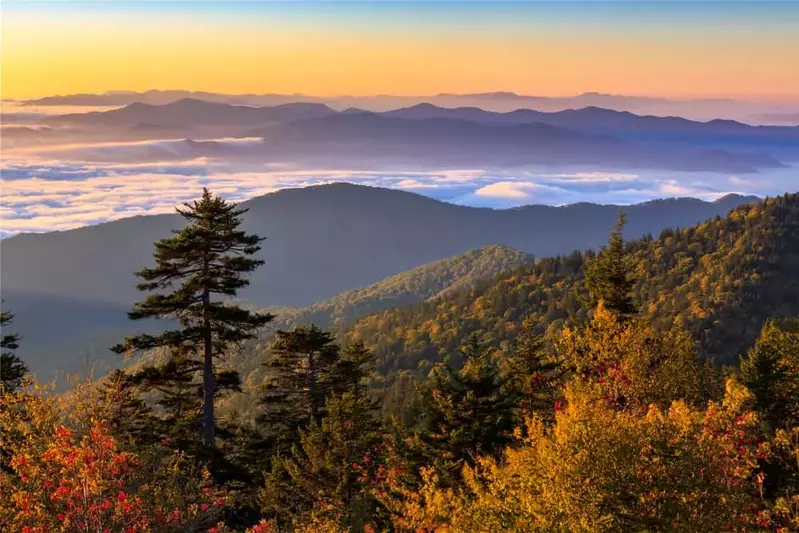
Have you ever wondered what it would be like to be in the Smoky Mountains in the Fall? Crisp, autumn air, vibrant yellow, orange and red leaves in the trees If you are interested in knowing exactly when the leaves will change, you can call the Fall Color Hotline at <a href="tel:8006974200" target="_blank">800-697-4200</a>. The mountain views that we all love become breathtaking in the Fall. And in addition to the beautiful display in nature, September 15, 2011 marks the beginning of the Smoky Mountain Harvest Festival. This Festival incorporates 4 of the local towns in the Smoky Mountains. Everything is beautifully decorated with pumpkins, corn stalks, and colorful flowers and Autumn colors. There are so many things happening in the Smoky Mountain area for the Harvest Festival 2011… Here is a list, come join us!
Area Events in the SmokiesSevier County Fair TN 2011
If you are in Sevierville September 5th through the 10th, don’t forget to go to the Sevier County Fair TN! They have lots of amazing rides and entertainment this year. Here is some good information on the Fair:
Sevier County Fair TN 2011Tax Free Weekend in Tennessee
Tax Free Weekend in Tennessee, begins at 12:01 AM on Friday, August 3rd and ends on Sunday August 5th at 11:59 PM. During this weekend, many back to school items, including school supplies, clothing and computers will all be tax free!
Tax Free Weekend in TennesseeJuly 4th in Gatlinburg
If you are looking for something fun to do on July 4th this year, head over for July 4th in Gatlinburg “Stand Here” July 4th Fireworks Celebration! Voted a top 20 event by the Southeast Tourism Society, this year is sure to be a great one! Bring your chairs to downtown Gatlinburg, the fireworks will light up the skyline usually about an hour after dark, or around 10:00pm. The display is considered the grand finale to the Annual “First Independence Day Parade in the Nation” at midnight on July 3rd 2011 in downtown Gatlinburg.
July 4th in GatlinburgFirst Independence Day Parade in the Nation!
If you will be in the Smoky Mountains in early July, don’t miss the 36thAnnual First Independence Day Parade in the Nation! In Gatlinburg, TN there will be a huge July 4th parade at 12am. There will be over 100,000 viewers at the parade, and many members of the US Army, Air Force, Marines, Navy and the Coast Guard will participate this year. There will be military vehicles and bands participating, including the 100th United States Army Band from Fort Knox, Kentucky.
First Independence Day Parade in the Nation!Great Country Music in Pigeon Forge
Do you love Country Music? Will you be visiting the Pigeon Forge TN area soon? If so, you should make time to go see Country Tonite, rated “The Best Show in the Smokies” by NACMAI, and the “Best Show in the Smokies” and “Best Live Country Show” by CMAA three years in a row!! Country Tonite is a fast paced live show that includes singing, dancing, comedy, gospel and good old American patriotism! This show is extremely unique, it includes youth performers as well so it is fun for the entire family! It’s a feel good show that is so much more than just country music… Don’t hesitate take in a show at Country Tonite in your vacation to Pigeon Forge TN, you will love it!
Great Country Music in Pigeon ForgeDid you know that the Smoky Mountains has a natural phenomenon that occurs only one other place in the world?
Did you know that the Smoky Mountains has a natural phenomenon that occurs only one other place in the world? For a couple of weeks in early summer in mid June (4ththru the 12th), a rare species of fireflies come into the Smoky Mountains to do synchronized blinking. This species has an internal sensor that lets them know when another firefly is lit. The fireflies can be lit for up to 6 seconds, it creates a wave of blinking lights that is absolutely amazing to see. The only other known location that this happens is in Southeast Asia.
Did you know that the Smoky Mountains has a natural phenomenon that occurs only one other place in the world?One of Many Reasons Why Timber Tops Is the Best Choice
Sometimes people have posted that we have higher rates than some rental companies in the area and this is true. However, there is a very good reason why. We offer more than just cabins. We offer some of the best cabins combined with the absolute best service in the area. We have also been in business for over 12 years so you never have to worry about this happening to you after you have planned that perfect vacation to the Smoky Mountains.
One of Many Reasons Why Timber Tops Is the Best ChoiceCades Cove Information
Cades Cove was once a remote place in the Great Smoky Mountains. Nature abounds here and the loop affords spectacular views of the mountains and fields. Many deer call the Cove home, and many people have seen bear here as well. One of the few ways through the Smokies and into the cove was along Indian trails. Some of those trails were improved into roads. One of those trails was called, appropriately enough, Cades Cove road. The name was later changed to Rich Mountain Road. By either name the road was one of the main routes through the Smokies between Tuckaleechee and Cades Cove.
Cades Cove InformationPigeon Forge Car Shows
<strong>Are you interested in antique cars or hot rods? Do you love chrome and engines and the smell of leather? If so, you may want to come to Pigeon Forge, Tennessee this year for a car show! Come and see some amazing vintage cars like</strong> Model T’s, Corvettes, Studebakers, Fords and Gold Wings. You’ll see many classics kept in pristine condition. Here is a guide of various car shows in 2011. See you in Pigeon Forge!
Pigeon Forge Car ShowsWhen you come to the Smoky Mountains, don’t forget to spend some time at Dollywood.
When you come to the Smoky Mountains, don’t forget to spend some time at Dollywood. The park was built in 1986 and includes over 150 acres of fun! Here are some facts about Dollywood and what’s new for 2011. <a href="/cabin-rentals/">Cabins Near Dollywood</a>
When you come to the Smoky Mountains, don’t forget to spend some time at Dollywood.Interesting Facts about the Smoky Mountains
The Great Smoky Mountains National Park is a national treasure and a nature preserve unlike any other in the United States. Here are some interesting facts and things to know about the park:
Interesting Facts about the Smoky MountainsFor a Spring break that’s alive with activity and scenic wonder, travel to the Smoky Mountains in Tennessee.
For a Spring break that’s alive with activity and scenic wonder, travel to the Smoky Mountains in Tennessee.
For a Spring break that’s alive with activity and scenic wonder, travel to the Smoky Mountains in Tennessee.Planning Affordable Vacations
After the recent economic recession, every family in the US has gone into cost-cutting mode. We have started cutting back on our personal expenses as much as possible. Expensive outings and dinners have gone out of the window. Family vacations and picnics are one of the first things to get the axe. However, such cost cutting efforts make our life boring. Everyone is subjected to severe financial pressure and this makes life highly difficult to manage. We need to have healthy outlets to let out our frustration and to unwind a bit so that we can meet the challenges of our life once again with the new found energy. Rather than totally cutting off our family vacations, we need to look at affordable options for our family vacations.
Planning Affordable VacationsNew Year 2011 in Gatlinburg Space Needle – Ball Drop with Fireworks and more
Gatlinburg will welcome the arrival of 2011 in unique style with its 23rd annual New Year’s Eve Ball Drop and Fireworks Show around the intersection of Parkway and Historic Nature Trail at the base of the Space Needle late Friday night, Dec. 31. The event is free and open to the public.
New Year 2011 in Gatlinburg Space Needle – Ball Drop with Fireworks and moreSecond Lunar Eclipse of 2010 and First lunar Eclipse Coincides with Winter Solstice for First Time Since 1638
Early Tuesday morning for the first time since the winter solstice of 1638, a lunar eclipse will coincide with the winter solstice, which is the shortest day of the year.
Second Lunar Eclipse of 2010 and First lunar Eclipse Coincides with Winter Solstice for First Time Since 1638Looking for indoor fun? Indoor Fun in the Smoky Mountains
Indoor Fun in the Smoky Mountains There are some amazing things to do in the Smoky Mountains, even indoors! Here are just a few:
Looking for indoor fun? Indoor Fun in the Smoky MountainsSmoky Mountains, TN November & December 2010 – Winterfest
The best way to enjoy Winterfest in the Smoky Mountains is to have a Log Cabin Experience…watching the snow fall outside your cabin window, enjoying the hot tub on the back porch, or having a coffee next to the fireplace… choose Timber Tops Cabin Rentals for your Smoky Mountain vacation!
Smoky Mountains, TN November & December 2010 – Winterfest21st Annual Winterfest Kickoff 2010-2011
21st Annual Winterfest Kickoff Tuesday, November 9th at Patriot Park LIGHTS! More than 5 million lights displayed all over Pigeon Forge CAMERA! Have our professional photographer take your picture with Santa in his sleigh with his reindeer. $5 per photo. Photos will be printed on site. Perfect for Christmas cards! ACTION! Games for the children!
21st Annual Winterfest Kickoff 2010-2011Reasons for a Vacation in the Smoky Mountains
Take a trip to the Great Smoky Mountains and you’ll be visiting one of the richest, most diverse ecosystems we have in the United States. There are more than 1,600 species of flowering plants in the national park. Because of the great altitude varieties in the Great Smoky Mountains, you can hike through the major forest zones of eastern North America on a single trail, from cove hardwood forests in lower drainages to spruce-fir associations on 6,000-foot peaks. Whether you choose to hike a trail, ride a bike, tube the rivers, go camping, white water rafting, skiing, rappel, rock climbing, horseback riding, or a motor tour in your car… The Smoky Mountains have an activity for every age and energy level! Go to the <a href="https://www.nps.gov/grsm/index.htm" title="" target="_blank">National Park Service website</a> for more information on the Smoky Mountains.
Reasons for a Vacation in the Smoky MountainsWinterfest Information 2010-2011
Winterfest in the Smoky Mountains runs from November 8, 2010 through February 28, 2011. From the amazing light displays in Gatlinburg, Pigeon Forge and Sevierville, to the amazing festivals and holiday activities and shopping, everyone can find something they will love about <a href="https://www.mypigeonforge.com/event/winterfest" title="" target="_blank">Winterfest</a>! There are some amazing things to do throughout the entire holiday season. Here are some exciting things to do at Winterfest that you won’t want to miss out on;
Winterfest Information 2010-2011Things to do for Kids in the Smoky Mountains
The Smoky Mountains in East Tennessee are an amazing adventure for kids and adults! Take a look at the following ideas for things to do with your family in the Smoky Mountains on your next vacation.
Things to do for Kids in the Smoky MountainsTop 5 Things to do in the Fall in the Smoky Mountains
Autumn is a great time of year to visit the Smoky Mountains. The beautiful colors of the trees and the crisp air will refresh your spirits. If you are planning a vacation to the Smoky Mountains area in the Fall, don’t forget to check these out!
Top 5 Things to do in the Fall in the Smoky MountainsGreat Smoky Mountains National Park Most beautiful place on earth in the fall
Great Smoky Mountains National Park Most beautiful place on earth in the fall The best way to enjoy a Fall trip to the Smoky Mountains is to have a Log Cabin Experience… choose Timber Tops Cabin Rentals for your Smoky Mountain vacation!
Great Smoky Mountains National Park Most beautiful place on earth in the fallTennessee’s First Legal Moonshine Distillery Opens in Gatlinburg July 2, 2010
GATLINBURG, TENNESSEE – Tennessee Moonshine will be available legally for the first time when Ole Smoky Distillery opens for business in Ole Smoky Holler at 903 Parkway in downtown Gatlinburg. The distillery will have a grand opening celebration on Friday, July 2 and will offer free tours, free samples of moonshine to adults over 21, and moonshine for sale.
Tennessee’s First Legal Moonshine Distillery Opens in Gatlinburg July 2, 2010Sunny Side Trail in East TN officially opens Today! May 13, 2010
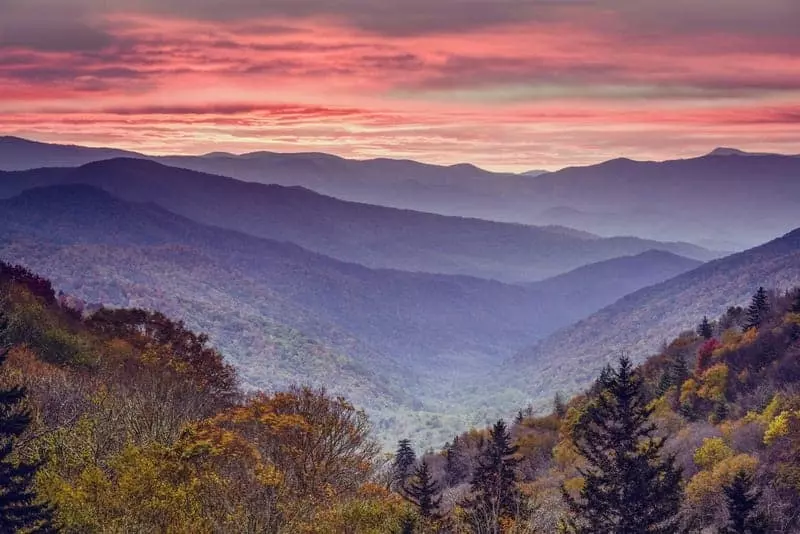
I’m so proud to announce Tennessee Tourism Commissioner Susan Whitaker will tomorrow officially open the Sunny Side Trail, a mapped driving route starting in Sevierville and covering 12 East Tennessee counties—including nearly 300 points of interest.
Sunny Side Trail in East TN officially opens Today! May 13, 2010Smoky Mountain Spring Fest
During the three-month Springfest celebration that begins in early March and continues into the second week of June, visitors witness Gatlinburg’s transformation into spring when the city’s streets overflow with baskets of beautiful blooming flowers and plants. Pansies, daffodils, tulips, mandevillas, bougainvilleas, lantanas, and wave petunias are among the many varieties of flowers seen throughout the city.
Smoky Mountain Spring FestSetting the Standard for Luxury Cabin Rentals in the Great Smoky Mountains
Timber Tops Luxury Cabin is getting ready for another beautiful Spring season full of color and Smoky Mountain foliage for 2010. Better known as “Springfest”, this four month long event celebrates the beginning of this beautiful season. Timber Tops invites visitors to take part in the numerous events, shows, exhibits, music, food and attractions. Some of the scheduled events include:
Setting the Standard for Luxury Cabin Rentals in the Great Smoky MountainsCelebrate Winterfest in the Great Smoky Mountains
<i>Timber Tops Luxury Cabin Rentals Invites Visitors to Experience the 20th Annual Smoky Mountain Winterfest where from November to February, these quaint towns are transformed into a wonderland of brilliant lights, dazzling decorations and magnificent shows.</i>
Celebrate Winterfest in the Great Smoky Mountains


